Mirra Andreeva's WTA Finals Debut: A Statement Win and the 'Diva' Nickname

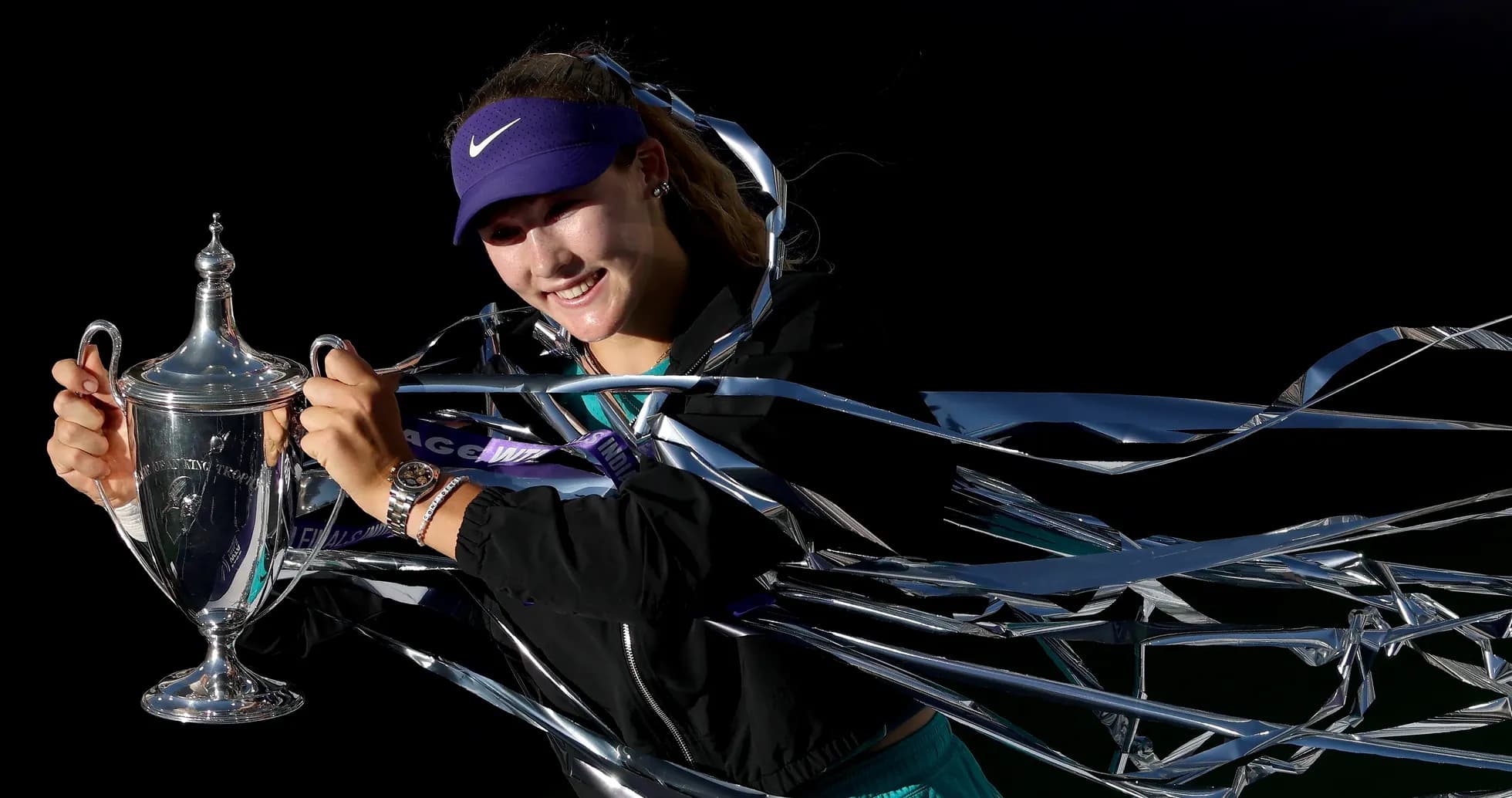
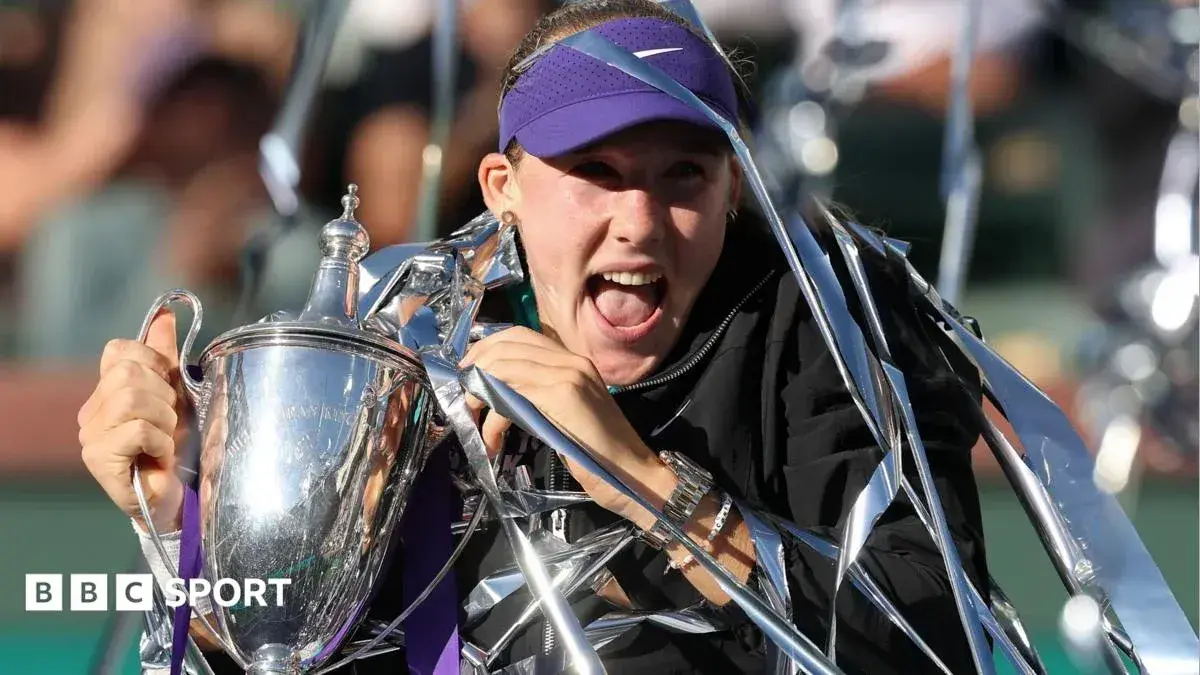
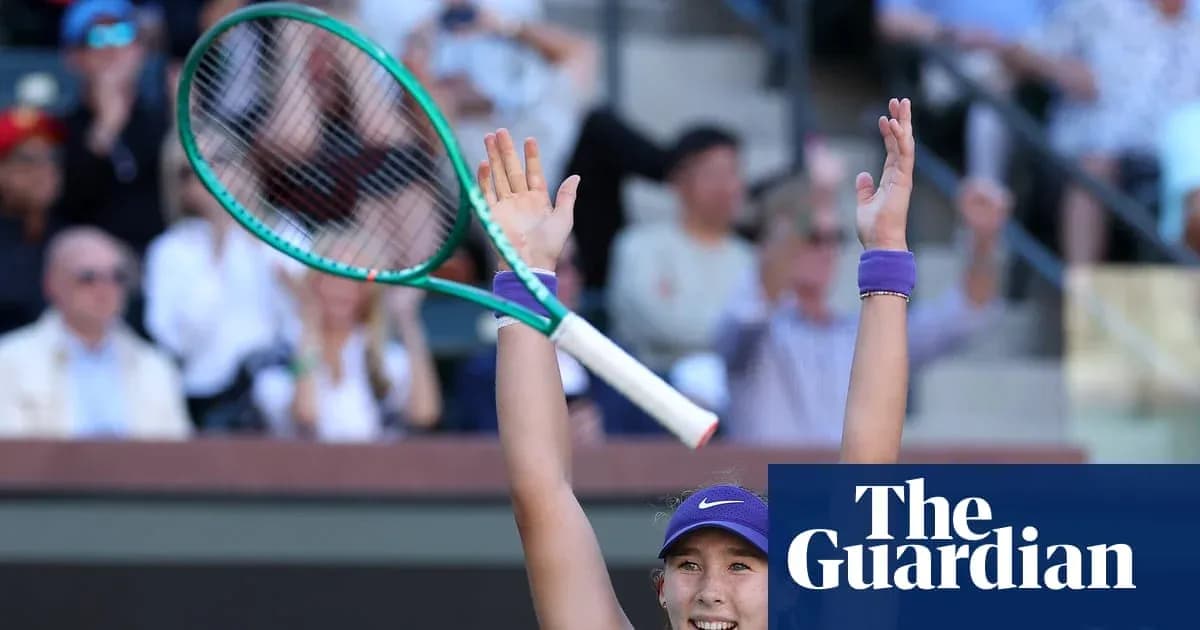
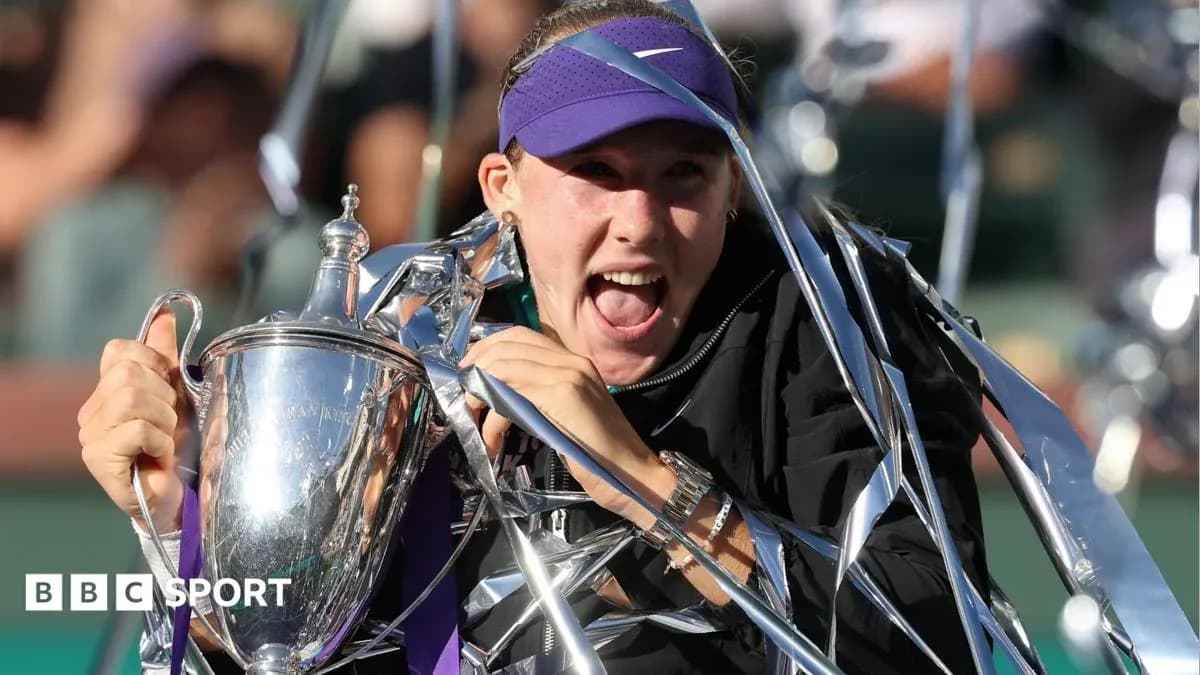
Mirra Andreeva walked off Stadium 2 with a 6-4, 6-0 win on the board and a grin that said she knew exactly what she’d just done. First match at the WTA Finals, first statement. Then came the punchline.
She stepped up to the Sky Sports desk at Indian Wells, still flushed from dismantling Elina Svitolina, and found Madison Keys waiting. Keys, the 2025 Australian Open champion moonlighting as a guest reporter, didn’t bother easing into it.
“Hey, diva!” she fired.
Andreeva laughed. Of course she did. By then, the word had already circled the tennis world a hundred times over.
A hot mic and a cold verdict
The nickname came from the previous day, in a moment that cut through the usual bland practice-court chatter. Jessica Pegula, one of the tour’s most easygoing presences, had been caught on a hot mic talking to her coach after a practice set with an edgy Andreeva. In what she clearly thought was a private conversation, Pegula called the teenager a “diva” who “needs to be humbled”.
It took minutes, not hours, for those words to escape the practice court and explode online. Clips spread, transcripts appeared, and the internet did what it always does when a private opinion becomes public ammunition. The episode threatened to overshadow the start of the WTA’s showpiece event.
Instead, it ended up adding fuel to a product that already thrives on friction.
A golden era with sharp edges
Strip away the noise and the tennis itself is in rude health. The current top 10 is stacked so deeply with quality that every single player owns either a grand slam title or a WTA 1000 crown. The standard is unforgiving. The margins are thin.
The depth is so brutal that Iga Swiatek, a six-time grand slam champion and the dominant force of the last few seasons, finished the year at No 9 and missed the WTA Finals for the first time since 2019. When Swiatek can’t squeeze into an eight-player field, you know the bar has been set sky-high.
On court, that level of competition produces the kind of matches any tour would kill for. Off court, it creates something else: tension. Real, visible tension.
Women’s tennis has long traded not just on athletic excellence but on candour. Players speak their minds. They argue. They side-eye. They share locker rooms one week and stare each other down across the net the next. It’s a travelling ecosystem of ruthless individualists who cannot avoid one another.
There are warm embraces and moments of textbook sportsmanship. There are also drive-by handshakes, icy changeovers and press conferences laced with salt. For a fanbase raised on social media, it’s irresistible. Every gesture becomes a meme, every muttered line a talking point.
The Pegula–Andreeva flashpoint slotted perfectly into that landscape.
Business questions in a booming moment
The WTA’s challenge is not whether the product is compelling. It is. The question is whether the tour can turn all of this — the high-level tennis, the personalities, the drama — into a stable, thriving business at a time when women’s sport is surging.
Recent attempts to cash in have backfired. The tour’s bold move into China, anchored by a lucrative 10-year deal in Shenzhen, collapsed almost as soon as it began. After just one year, the Covid-19 pandemic shut the world down. Then came the Peng Shuai crisis: the former world No 1 accused former vice-premier Zhang Gaoli of sexual coercion, and her disappearance from public view prompted the WTA to take a rare, uncompromising stance. It vowed not to return to China until it could directly reach Peng.
The tour eventually resumed events there, but Shenzhen walked away from the Finals deal. The financial hole was enormous. To plug it, the WTA sold 20% of WTA Ventures, its commercial arm, to CVC Capital Partners for $150m. The sale is in perpetuity. Even with that cash, the organisation is operating at a loss, with reserves running thin.
The Finals, meant to be the glittering full stop at the end of each season, became a symbol of the instability. The event bounced from city to city, never quite finding a home, and the WTA had to dip into its own pockets to keep it alive.
A three-year agreement with Saudi Arabia, starting in 2024, was supposed to end the uncertainty and anchor the calendar, even as critics accused the tour of allowing itself to be used for sportswashing. But the Saudi organisers did not plan to extend the tournament beyond the initial term. With conflict intensifying in the region this year, the WTA pulled the plug early and went looking, again, for somewhere new.
Indian Wells as a stopgap – and a signpost
That search led to Indian Wells. Just for a year. Just long enough to stop the bleeding and reset the compass.
If it’s a stopgap, it’s a luxurious one. The Indian Wells Tennis Garden, carved out of the California desert, is one of the most spectacular venues in the sport. Stadium 2, with its 8,000 seats, has felt full and alive. Crowds have turned up, even at the tail end of a season that has drained almost everyone.
The fatigue is real. The world No 1 and defending champion, Elena Rybakina, withdrew with a viral illness, the most high-profile example of a field running on fumes. Whether this edition fully ignites remains to be seen. But the quality of the year that led here — three strong grand slam finals, a churn of champions, storylines everywhere — has given the Finals enough oxygen.
Indian Wells also signals something about where the WTA wants to go. Under chair Valerie Camillo, the message has been clear: rebuild the flagship event in the United States, where the fanbase is established, the market is mature and the commercial upside is obvious if the execution matches the ambition.
Next year, the Finals move to Charlotte, North Carolina. This time, the WTA is not just showing up and handing over the keys. It has taken operational control of the event instead of outsourcing everything to local hosts. That shift matters. If the tour wants long-term stability, it has to own more of what it sells.
“DIVAS” and a tour that thrives on friction
Against that backdrop, the Pegula hot mic could have been a PR nightmare. A veteran star calling a 19-year-old rival a “diva” who “needs to be humbled” is the sort of line that can fracture a locker room and hijack a news cycle.
Instead, the temperature dropped quickly. Pegula apologised to Andreeva. The teenager, who had every right to bristle, chose a different route. After the pre-tournament photoshoot, she posted a picture of herself and Pegula on Instagram and captioned it with a single word: “DIVAS”, capped with a wink.
By the time Keys greeted her with that same word on air, the sting had turned into a running joke — and a neat illustration of what keeps women’s tennis so watchable. The edges don’t disappear. They get folded into the show.
The WTA still has to solve the hard part: building a business sturdy enough to match the quality and character of the sport it governs. The tennis is there. The personalities are there. The drama, as this week has proved yet again, takes care of itself.
Now the tour has to prove it can turn all of that into power that lasts longer than a hot mic clip.