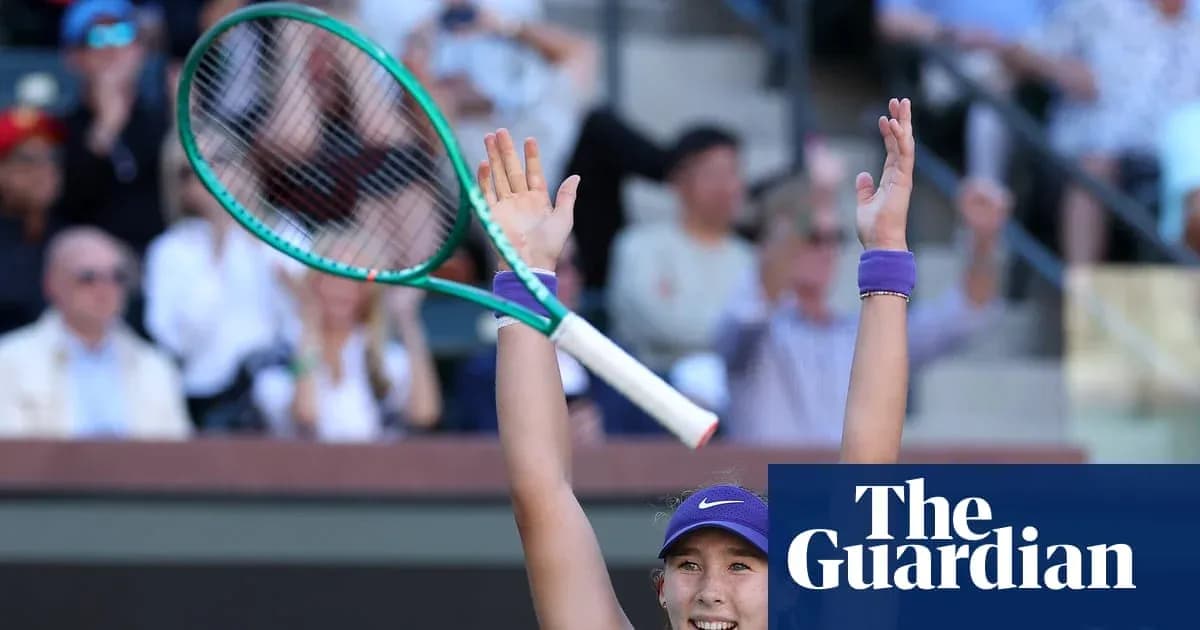
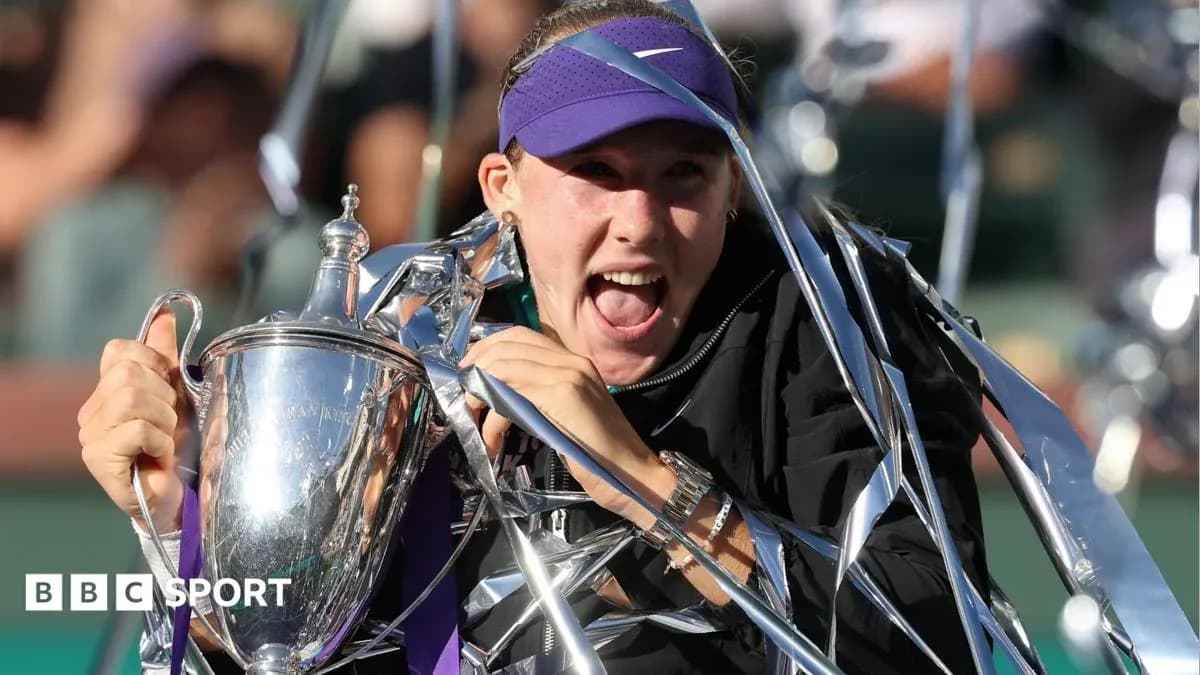
Mirra Andreeva vs Elina Svitolina: WTA Finals Showdown
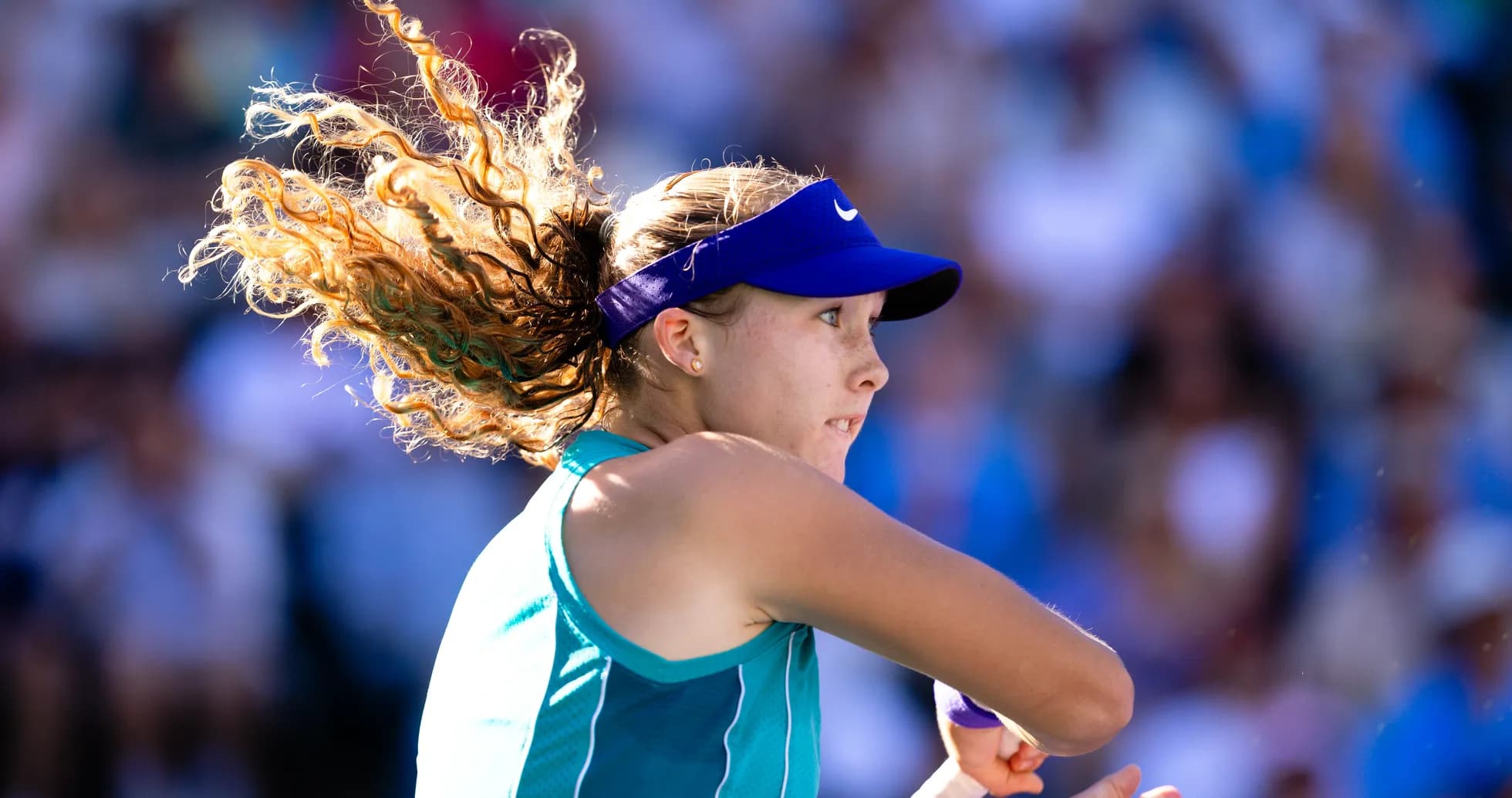
INDIAN WELLS, Calif. — Same stage, same opponents, very different stakes.
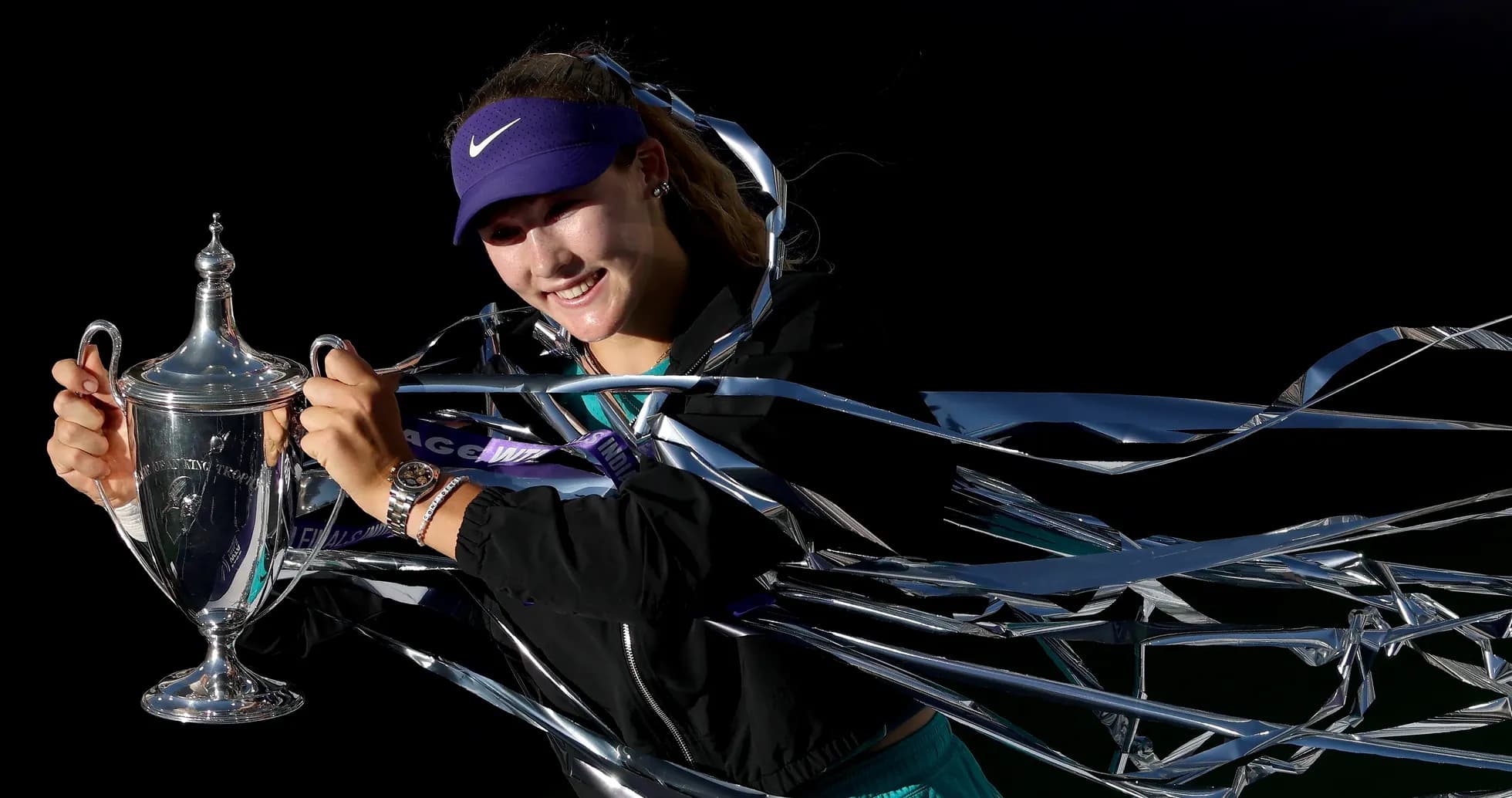
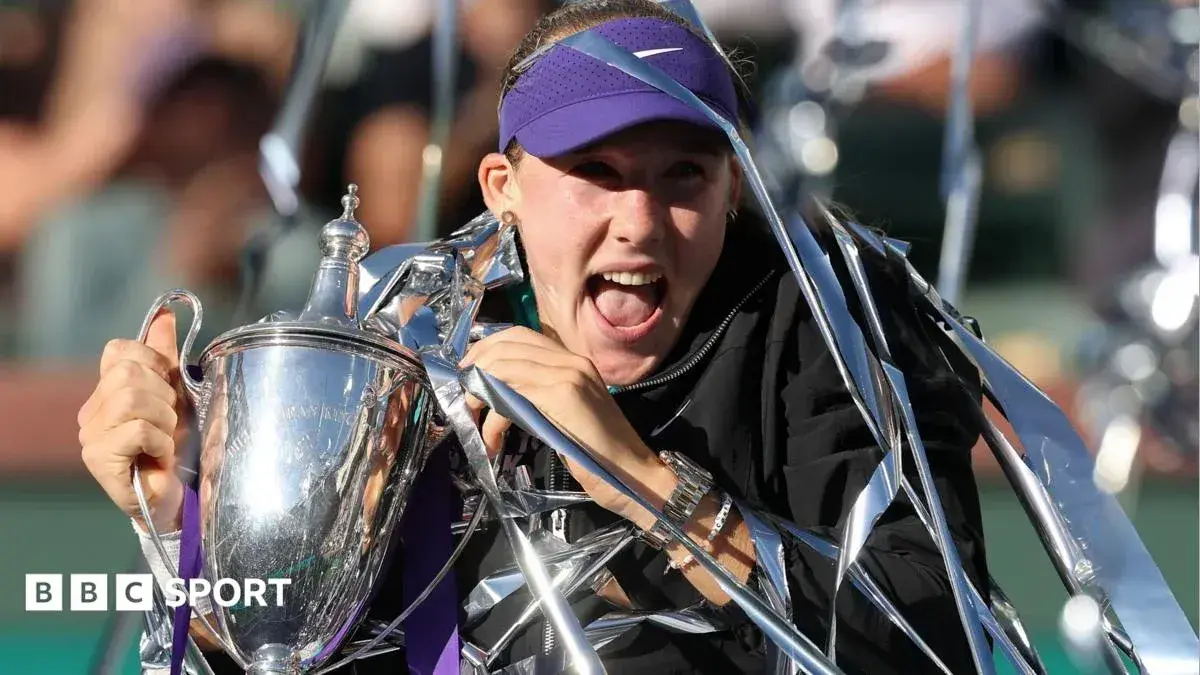
Seven days ago, Mirra Andreeva and Elina Svitolina walked onto court here to open their FAGE WTA Finals campaigns. Andreeva walked off with a 6-4, 6-0 statement that felt like a line in the sand. Now they meet again, under brighter lights and heavier pressure, with the trophy on the line.
The teenager has not dropped a set all week. She has cut through the draw with the kind of ruthless efficiency that leaves little room for narrative — just clean, cold numbers and a trail of frustrated opponents. Her serve has been the spearhead: variety, disguise, and a willingness to go big when the score tightens.
Martina Navratilova, who knows something about dismantling opponents at season-ending events, zeroed in on that serve as the hinge of the matchup.
“She hits a 90 mph serve wide with a lot of slice, and then she hits 115 down the T,” Navratilova said. First you stretch, then you brace. By the time you get the ball back in play, Andreeva is already into the next phase of the point. “It’s hard to get into her service games, and then she jumps on your second serve.”
That’s the Andreeva blueprint: take your time away, on both serves. She protects her own with pace and angles, then turns predator on yours, especially the second delivery. Against Svitolina in the opener, that pattern never really broke. Once Andreeva found her range, the match sped up and never slowed.
Svitolina’s Journey
Svitolina’s week tells a different story.
She absorbed that 6-4, 6-0 defeat, then quietly strung together three straight wins to fight her way back to this final. No theatrics, just the familiar grind of a player who has rebuilt her game and ranking more than once.
Pam Shriver, watching her semifinal, saw a player swinging with intent.
“Her forehand was super aggressive, and her serve is so much more improved,” Shriver said. The numbers back up the eye test: more free points, fewer short second serves hanging in the middle of the box. That uptick in aggression dovetails with the skill that has defined Svitolina for a decade. “She is one of the best anticipators of the ball. She reads the play beautifully.”
That anticipation will have to carry her into the rallies that never really materialized in their first meeting. If she can pick Andreeva’s patterns a split-second earlier, she can turn defense into counterpunch, stretch points, and test just how comfortable the teenager is when a match becomes a chess problem instead of a sprint.
History offers Svitolina a sliver of encouragement. Since round-robin play returned to the WTA Finals in 2003, there have been seven finals that were rematches of group-stage clashes. Four of those flipped the script the second time. The first meeting, in other words, is no guarantee of the sequel.
For Andreeva, the task is more straightforward but no less demanding: repeat. Reassert the serve, swarm the second ball, and deny Svitolina the time she needs to read and react. For Svitolina, it’s about disruption — serving with the conviction Shriver praised, holding her ground on the baseline, and using that famed anticipation to step into the court rather than retreat from it.
The desert has already seen this matchup once. The second chapter decides everything.