Madison Keys Advances at US Open Amid Rain Delays
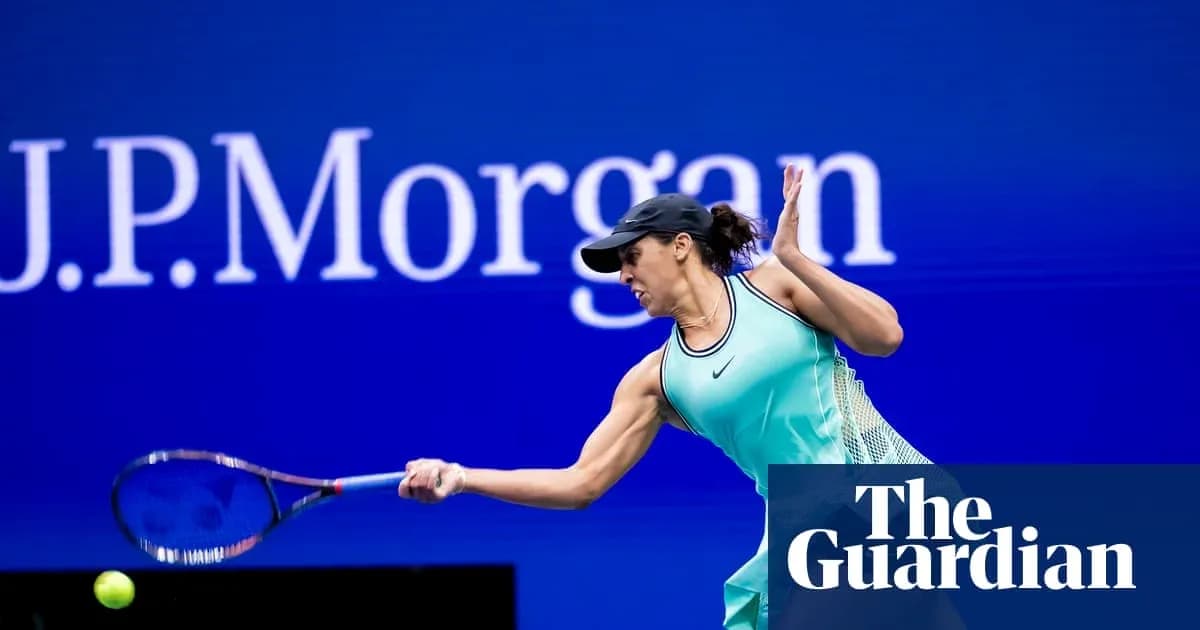
On a day when the US Open schedule dissolved into rain delays and restless waiting, Madison Keys had something far more useful than an umbrella: the roof over Arthur Ashe Stadium and the calm of experience.
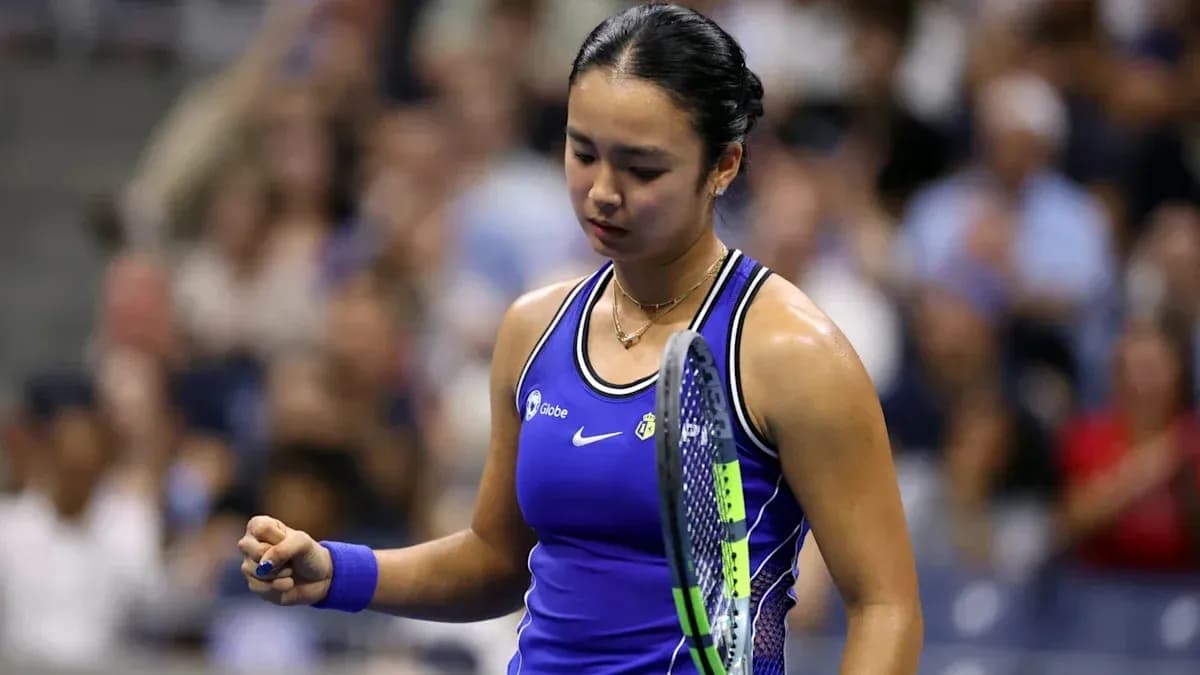
While much of Flushing Meadows sat idle, the 31-year-old made full use of her prime stage, handling Alina Korneeva 7-5, 6-4 to reach the second round and quietly underline why she remains a force in New York.
This is Keys’s 15th US Open. Fifteen. A number that sounds wrong when you look at her, but not when you look at her timeline. She turned professional on her 14th birthday in February 2009. She is now, by her own admission, someone who has spent the majority of her life as a working tennis player.
People keep reminding her of that.
“I was thinking a little bit more about it just because the last couple of days everyone keeps reminding me that it’s my 15th US Open, which doesn’t feel possible because I’m so young,” she said, laughing, after the win.
The laugh matters. It tells you she knows exactly how long she has been out here, and that she has made peace with it. She calls it a blessing that she started so early, that she could throw herself into the tour before she even fully understood what it was. Those early years, she said, let her “experience it in a really different way”.
The job, though, has stayed the same. The person doing it has not.
“I feel like as a person I’ve changed a lot throughout the years and kind of just evolved as a person while getting to kind of do the same job,” she said. That evolution now includes a Grand Slam title, after her 2025 Australian Open singles crown, and a perspective that only comes from 15 trips to Queens.
On Ashe, that maturity showed. Korneeva, still learning the scale of these occasions, pushed hard in the opening set, but Keys kept the match on her strings. She managed the scoreboard, picked her moments, and leaned on the heavy, flat power that has always been her calling card. When the tight points came late in each set, she didn’t flinch.
The relief was obvious, and understandable. Twelve months ago, she walked out of this tournament with one of her most painful New York memories, beaten in the first round by world No 82 Renata Zarazúa. That kind of loss can linger in a locker room that already runs on nerves.
Keys lifted the curtain on that tension. The week before the first round, she said, the atmosphere shifts.
“You can kind of feel [the tension] as the days are getting closer,” she explained. “Everyone gets here, you have a week, everyone is excited to be here, and then as the days are slowly getting closer to first rounds, rackets are maybe getting a little slippery, you can hear more yelling happening, and you can kind of feel the tension.”
It’s not just individual anxiety. It spreads.
“I think collectively we all just get really anxious. We’re probably feeding off of each other as well, but we all want to do well,” she said. “It all feels like I think the buildup is always so hard, just because you’re so in it and you’re anticipating the tension that’s going to happen and the anxiety that’s going to happen. So it’s definitely very relevant and very real.”
On a soaked opening day, Keys cut through that static. While others paced, she played, and she played like someone who knows exactly how quickly a slam can spit you out.
Rybakina opens with intent in hunt for No 1
Across the grounds, another contender used the chaos to quietly lay down a marker.
Elena Rybakina, chasing the No 1 ranking, eased into the second round with a 6-3, 6-2 win over 17-year-old American wildcard Thea Frodin. It was the sort of businesslike performance that top players crave in week one: clean, controlled, and free of drama.
That last part mattered. Rybakina arrived in New York with a question mark after a foot injury at the Cincinnati Open forced her to retire from her quarter-final against Iga Swiatek. Any sign of discomfort would have been pounced on. Instead, she moved comfortably, picked apart an inexperienced opponent, and walked off looking very much in the mood for a long run.
The stakes for her are clear. In the live rankings she already sits at No 1. To make it official and become world No 1 for the first time in her career, she needs to reach the semi-finals here—and she needs help. Aryna Sabalenka, Jessica Pegula and Coco Gauff all have to fall short of the title.
It’s a demanding equation, but Rybakina has seen bigger stages than this. Her opening act suggested she is ready to push the arithmetic as far as it will go.
Cobolli claws back from the brink
In the men’s draw, the drama came not under a roof but from a man refusing to leave.
Fifth seed and French Open finalist Flavio Cobolli looked headed for the exit in round one, trailing Francisco Comesaña by two sets and struggling to find any rhythm. Then the match flipped.
Cobolli dug in, tightened up his game and began to drag the contest into the kind of physical, grinding battle he thrives on. The third set went his way 6-3. The fourth, 6-4. By the time the fifth set reached its closing stages, it was Comesaña who looked like he was trying to hold back a tide.
Cobolli completed one of the best comebacks of his career with a 3-6, 2-6, 6-3, 6-4, 6-4 victory, a scoreline that tells the story of a match split in two: one player in control early, the other refusing to accept the script.
On a rain-soaked opening day, with veterans marking milestones and contenders stalking the No 1 ranking, Cobolli’s escape offered a reminder of what this fortnight so often becomes: not just a test of talent, but of who can keep walking back from the edge longest.