Kei Nishikori's US Open Journey Ends with Loss to Rei Sakamoto
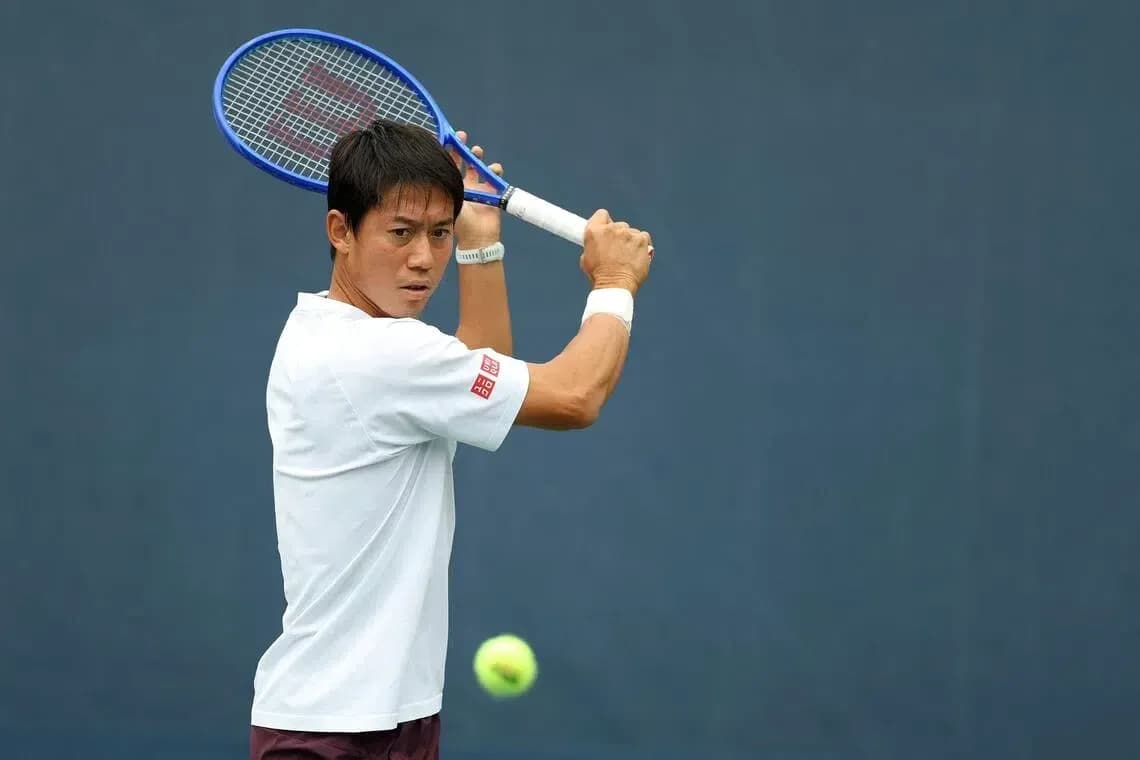
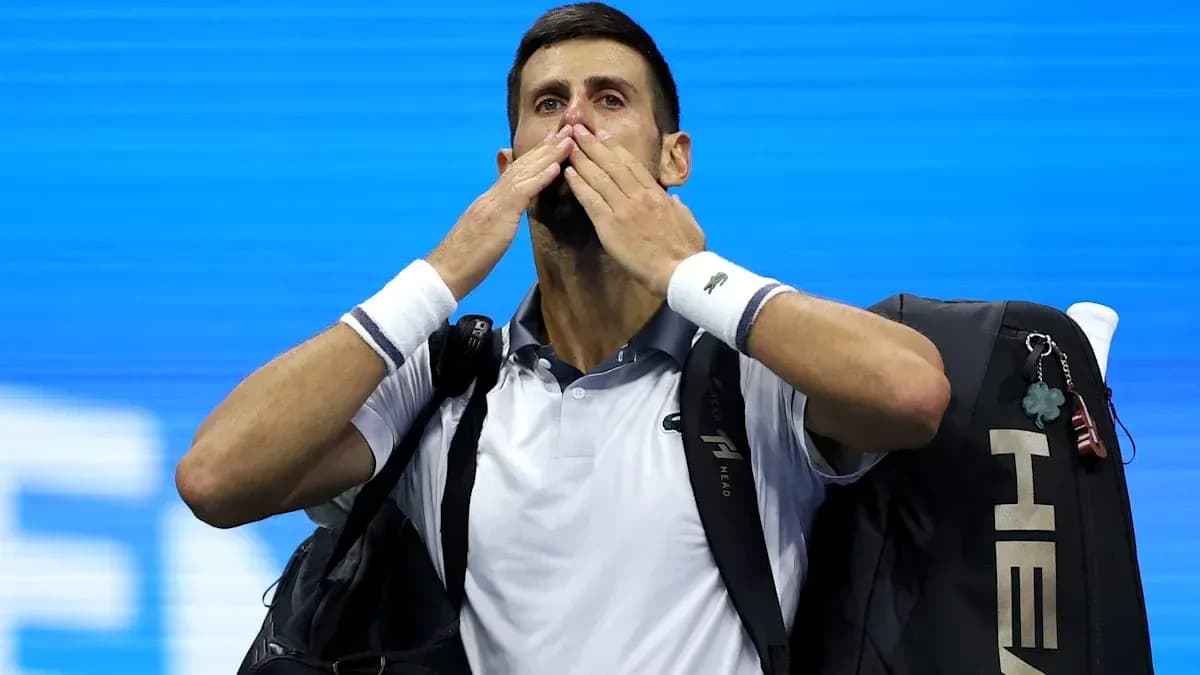
Kei Nishikori walked off Louis Armstrong’s outer courts for the last time at a US Open with no crowd-surfing farewell, no floodlit main-draw drama. Just a tight, bruising qualifying defeat to a countryman half his age, and a quiet acceptance that the flame is almost out.
The 36-year-old, playing his final season before retirement, fell 6-4, 7-6 (7-3) to 20-year-old Rei Sakamoto in the third round of qualifying on Aug 28, leaving him one win short of a final main-draw appearance in New York.
“It’s a refreshing emotion, as if he totally blew out the last flame of a candle,” Nishikori said afterwards, summing up a match that felt like both an ending and a handover.
A changing of the guard
For a few early games, it looked like the old script might return. Nishikori, the first Asian man ever to reach a Grand Slam final when he stormed into the title match here in 2014, broke early and surged to a 2-0 lead. His court craft, his ability to redirect pace, the familiar compact swing off both wings – it was all there.
Then Sakamoto’s serve arrived.
The world No. 157, armed with a heavy first delivery and unflinching aggression, broke back twice and flipped the set on its head. Nishikori never saw a single ace leave his own racket; Sakamoto finished with 19 of them.
Once the level rose, Nishikori knew he was in trouble.
“I felt I wasn’t able to cope once the level went up slightly,” he admitted.
Sakamoto took the opening set 6-4 and never really loosened his grip. The second set became a test of nerve and serve. Both men held, game after game, as Nishikori fought to extend his stay in a city that has defined so much of his career.
The tie-break told the truth. Sakamoto raced ahead 6-1, swinging freely, and closed it out 7-3 to seal victory in 1 hour 42 minutes.
By the numbers, the generational shift was stark. Sakamoto struck 33 winners to Nishikori’s 14, and backed up his serving with bold, front-foot hitting.
“My serves were really good, and I also managed to play aggressively,” Sakamoto said. “I hope to become a player on par with Kei.”
Grace in defeat
Nishikori had been given a qualifying wild card for the 2026 tournament, a nod to his status as a former world No. 4 and a trailblazer for Japanese tennis. The result did not go his way, but his response carried the composure and generosity that have long defined him.
“Not happy to lose today, but I mean I’m happy for Rei, he’s the next Japanese top player so I hope he can make the top 10 soon,” he said. “It was a great week for me. I was really enjoying it.”
This was not the Nishikori of his peak years – the relentless counterpuncher who reached the 2014 US Open final, made multiple semi-finals here, and took an Olympic bronze medal in Rio de Janeiro in 2016. That version has been worn down by time and by injury, most notably left hip surgery in January 2022 that derailed the closing chapters of his career.
Yet even in defeat, New York still meant something.
“I really enjoyed my entire tennis life,” he reflected. “It was almost 20 years with the pros and especially here I had great memories, one time final, semis, many great matches I played here in New York so happy to play in the last moment.”
Sakamoto steps through the door
For Sakamoto, this was not just a scalp. It was an entry ticket.
The 20-year-old, who starts the week ranked No. 157 in the world, now moves into the main draw, which begins on Aug 30. He leaves qualifying with the kind of performance that hints at more than just a cameo.
He handled the occasion, the opponent and the weight of the moment with striking calm. He hit bigger, served bigger and refused to let the emotional backdrop cloud his focus.
Sakamoto called himself “happy” to have reached the main draw. The word felt understated. His win carried the symbolism of a player stepping into a space once owned by the man across the net.
One last home stand
Nishikori’s farewell tour will not include the mixed doubles run with Naomi Osaka in New York that many had anticipated; he withdrew from that event despite the original announcement. His body, once again, had its say.
He is, however, scheduled to play the Japan Open in Tokyo starting in late September. A home tournament, a home crowd, and one last chance to swing freely in front of the fans who followed him from junior prodigy to Grand Slam finalist.
New York will remember him for that 2014 run, for the semi-finals that followed, for the countless five-set marathons under the lights. On this day, though, the story belonged to Rei Sakamoto, and to a match that felt like a torch quietly, decisively passed.