Karolina Muchova and Jakub Mensik Claim US Open Mixed Doubles Title
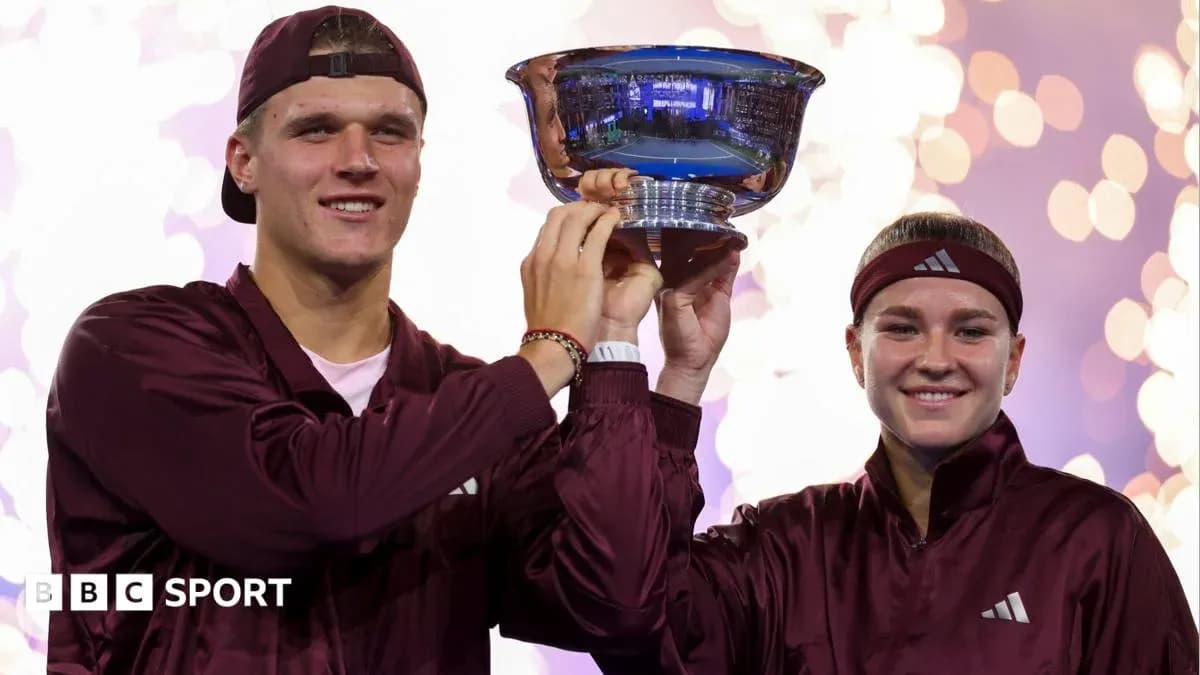
Karolina Muchova and Jakub Mensik walked away with a Grand Slam title, a $1m cheque and a story that already sounds like folklore: two match points saved on the way to the US Open mixed doubles crown, and a 131mph ace to finish the job.
Under the lights, in a format that barely gives players time to blink, the Czech pair edged Belinda Bencic and Flavio Cobolli 6-3 1-6 10-6 in a final that swung wildly before Mensik detonated that third championship point down the T.
The pressure finally told. On them, not from them.
From surgery table to Grand Slam champion
For Muchova, this is a first major title that arrives with a hint of defiance. Just six weeks ago she was on the wrong side of a Wimbledon final, beaten by compatriot Linda Noskova. Not long after, the 30-year-old disappeared from the tour for what was described as a “small surgery”.
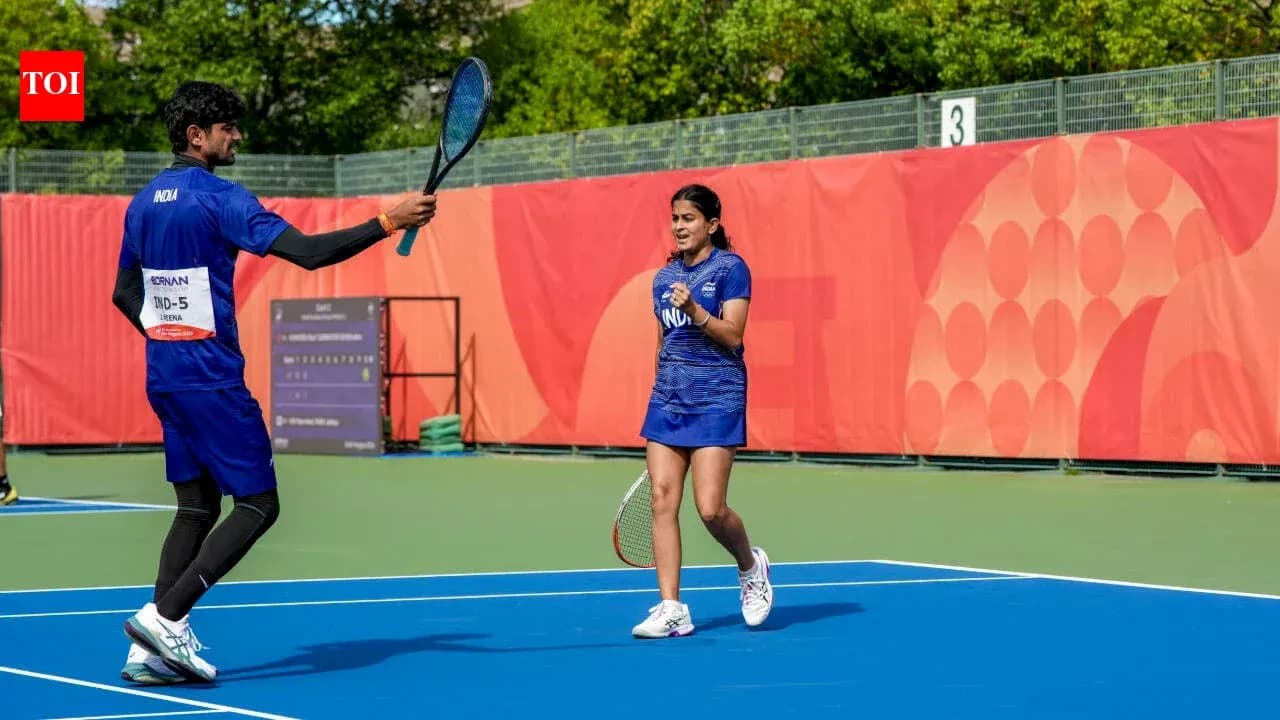
She re-emerged in New York not as a singles contender, but as half of a mixed doubles experiment with a partner who had never played the discipline before.
If Mensik was supposed to look raw, his serve refused to play along. A French Open semi-finalist this year in singles, the 20-year-old leaned on that weapon throughout the week, using it as a shield against his inexperience and then as a hammer when the title was on the line.
Their partnership had a touch of comedy as well as steel. They even agreed to wear matching maroon outfits — once Muchova had explained to her younger team-mate what “maroon” actually was.
“It’s not probably the main fact that we won the title, but that we had really great matches to play,” Mensik said afterwards. “It’s good we tried a lot of things on the court. It gives you a little bit of boost of confidence.”
He earned more than a little.
Living on the edge
Their run could easily have ended 24 hours earlier.
Both mixed doubles semi-finals were pushed into 10-point tie-breaks, and both produced the kind of tension that the old, leisurely mixed format rarely generated. Bencic and Cobolli were first through, winning 10-5 against Elina Svitolina and Gael Monfils, a result that closed the door on a slice of history.
Svitolina and Monfils had been chasing the chance to become the first married couple to win a Grand Slam mixed doubles title since 1939. They will not get another shot. Monfils is retiring at the end of the season.
Just as that storyline faded, Muchova and Mensik carved out one of their own. Facing French Open champion Mirra Andreeva and Andrey Rublev in the second semi-final, they were dragged into a deciding match tie-break and pushed to the brink again.
They held. The scoreboard read 5-4 (8-6) 3-5 11-9. The margins were a couple of points; the consequences, far bigger.
By the time they reached the final, the pattern was set: big stages, short matches, no room for hesitation. The first set against Bencic and Cobolli went their way 6-3, the second was ripped from them 6-1, and the super tie-break became a shootout for a Grand Slam.
Mensik’s last act — that 131mph ace — cut through the New York night and through any lingering doubts about whether this format can deliver drama.
A new kind of mixed doubles
This reimagined mixed doubles will never convince traditionalists who bristle at the idea of a Grand Slam title being decided in under 48 hours. The old, meandering draw has been replaced by something sharper, shorter, more ruthless.
What it has undeniably gained is attention.
The mixed doubles is no longer a sideshow for grounds pass holders wandering between outer courts. The semi-finals and final were staged at night, under the lights, in front of television audiences that dwarf anything the event has known before.
Specialist doubles players still pay the price. Even with a qualifying event introduced this year, opportunities are scarce in a draw built squarely around singles stars. Those who do squeeze in, though, are playing for a prize fund that has ballooned — five times what it was under the previous format.
The ripple effect has spread. The prize money for men’s and women’s doubles, still largely the domain of doubles experts, has been lifted to match the mixed. The message is clear: if you make it into New York’s doubles draws now, you are playing for serious stakes.
Singles players, of course, treat it differently. They enjoy the hit-out, the early feel of the show courts, the chance to loosen the shoulders before the main event. But mixed doubles will never top their priority list.
Iga Swiatek, Frances Tiafoe and Daniil Medvedev all pulled out shortly before the competition began. Swiatek and Tiafoe opted for rest after productive spells on tour. Medvedev chose more singles matches instead, a calculated decision with the US Open looming.
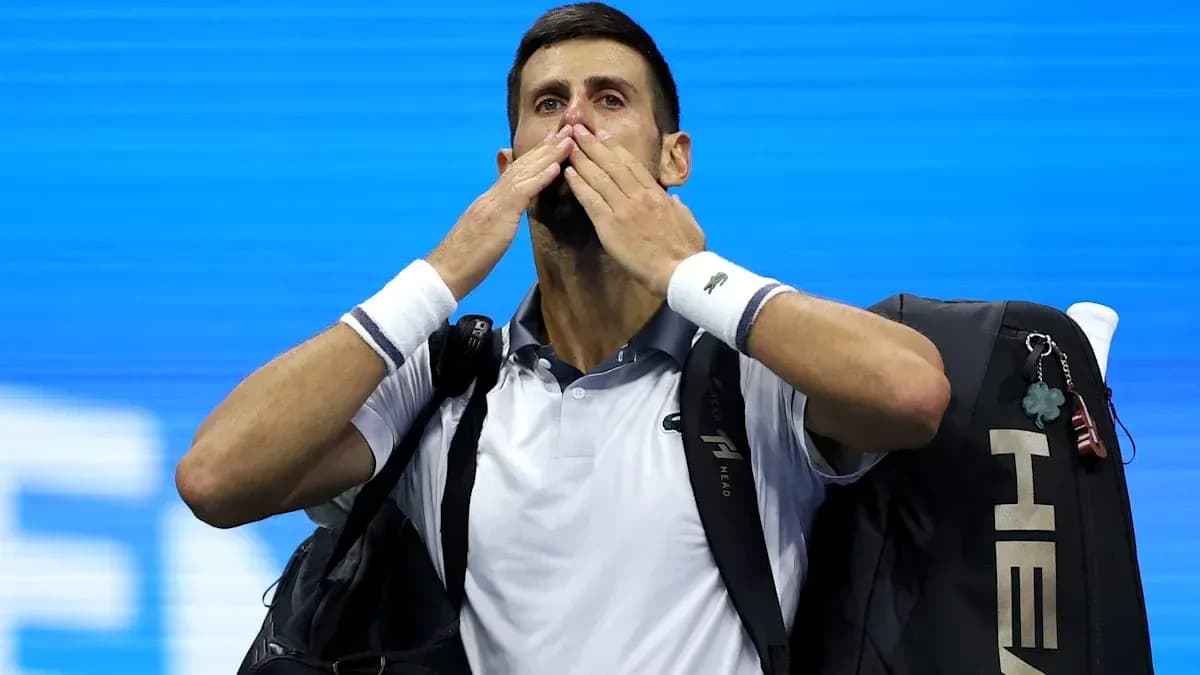
Yet the United States Tennis Association has made its bet. If they can tempt pairings like Serena Williams alongside Carlos Alcaraz, or Aryna Sabalenka with Novak Djokovic, the format will be judged a success long before the trophy is lifted.
A fan week that feels like a festival
Mixed doubles is now just one piece of an expanding US Open “Fan Week” that feels more like a festival than a warm-up.
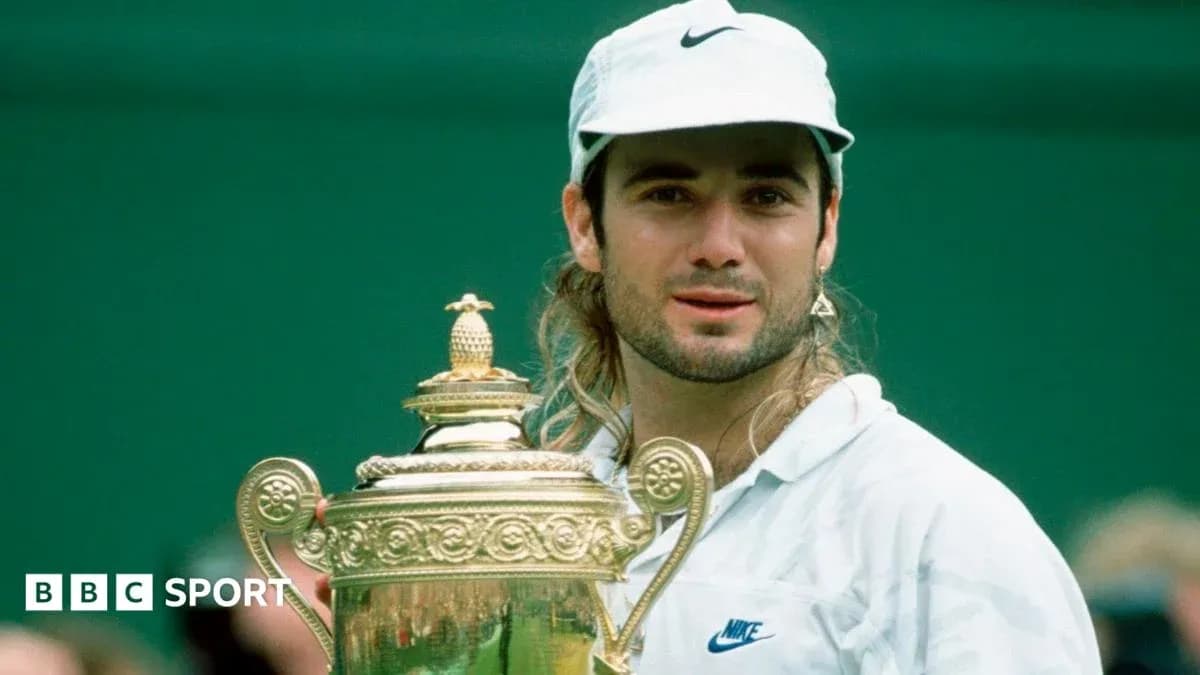
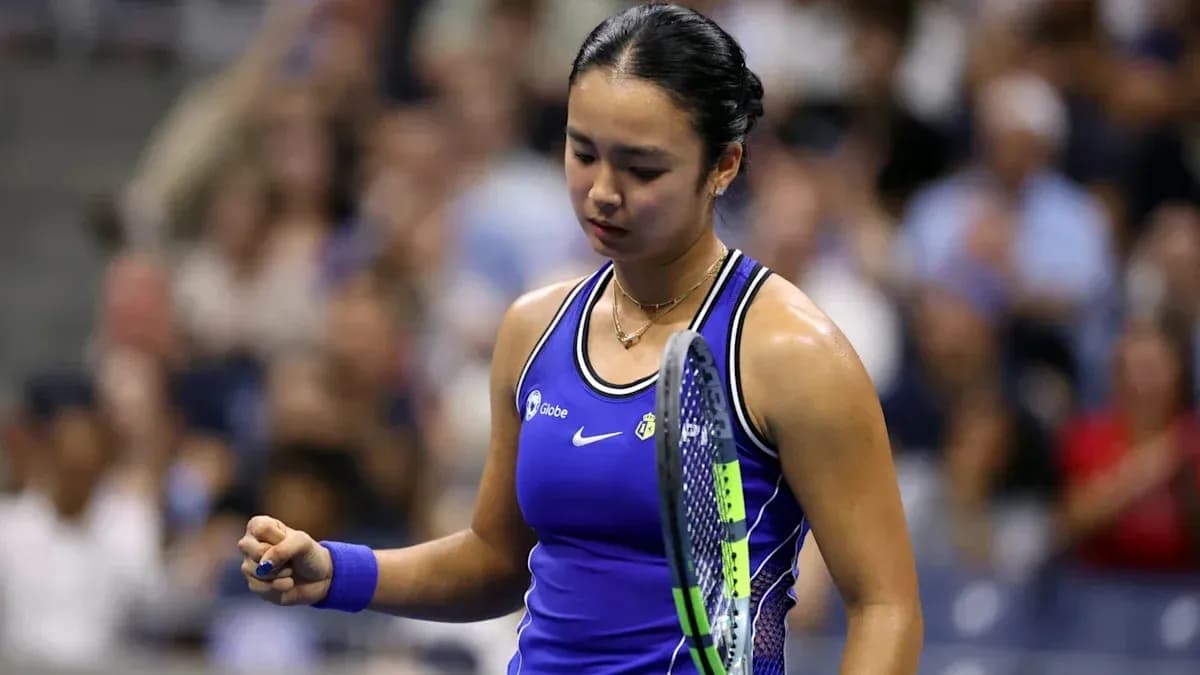
Roger Federer shared the stage in an exhibition with Andre Agassi, John McEnroe and Andy Roddick on Tuesday. Amanda Anisimova and Alexandra Eala headlined the “Stars of the Open” on Thursday night. Before any of that, The Lumineers had already turned Louis Armstrong Stadium into a concert venue last Friday, officially opening the tournament nine days before a single main-draw ball is struck.
In the middle of that noise, Muchova and Mensik found something quiet and priceless: a first Grand Slam title each, earned in tie-breaks, on borrowed time, with matching maroon and a serve that topped out at 131mph.
The singles draws start on Sunday. With a week like this behind them, who in New York will dare treat mixed doubles as an afterthought again?