Jordan Clarkson Supports Alex Eala at US Open
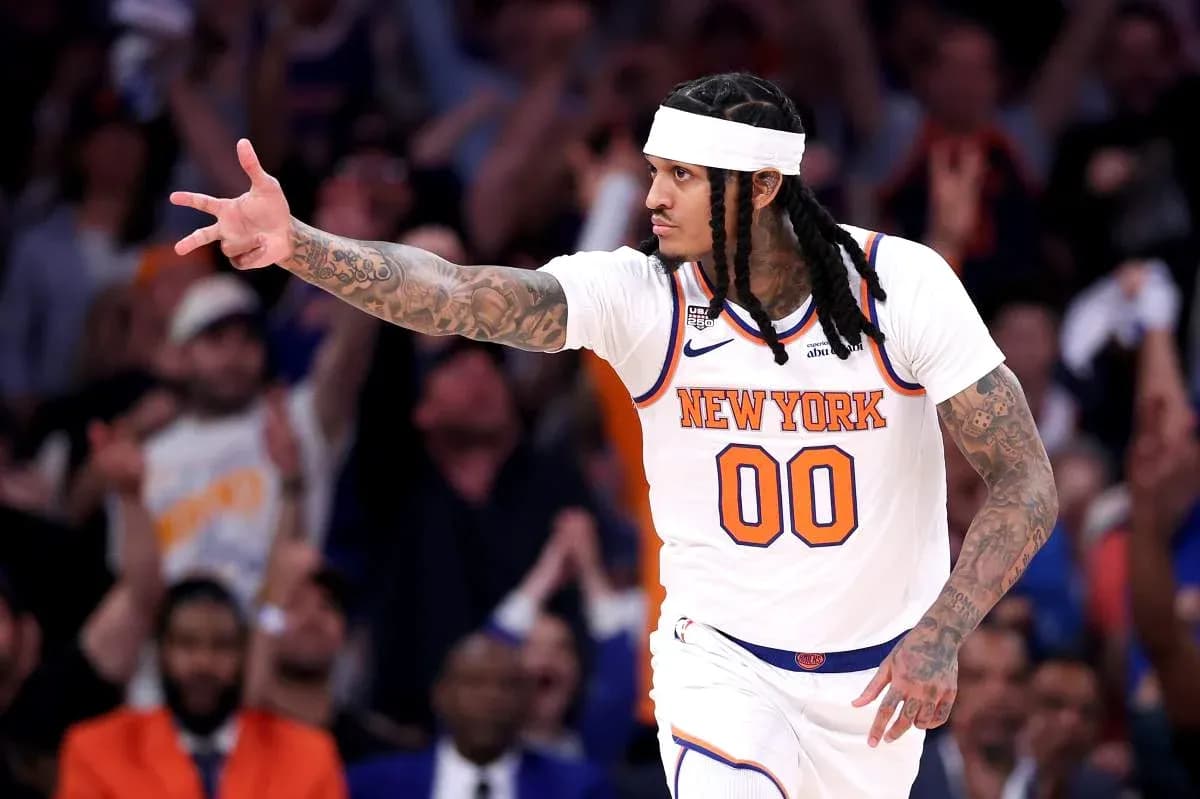
Jordan Clarkson knows exactly what it feels like to carry a flag, not just a name.
So when the New York Knicks guard fired off a quick message on X after Alex Eala’s latest win at the US Open — “Alex Eala! Let’s goooooooo” — it read like more than a casual shoutout. It sounded like one standard-bearer recognizing another.
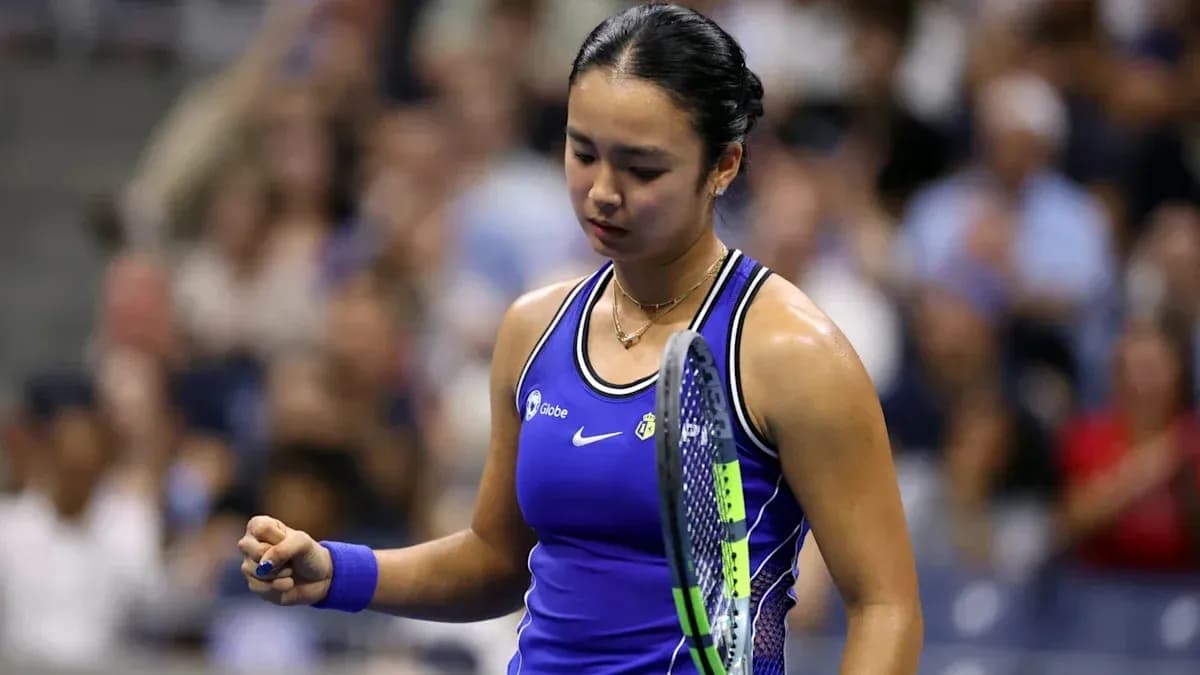
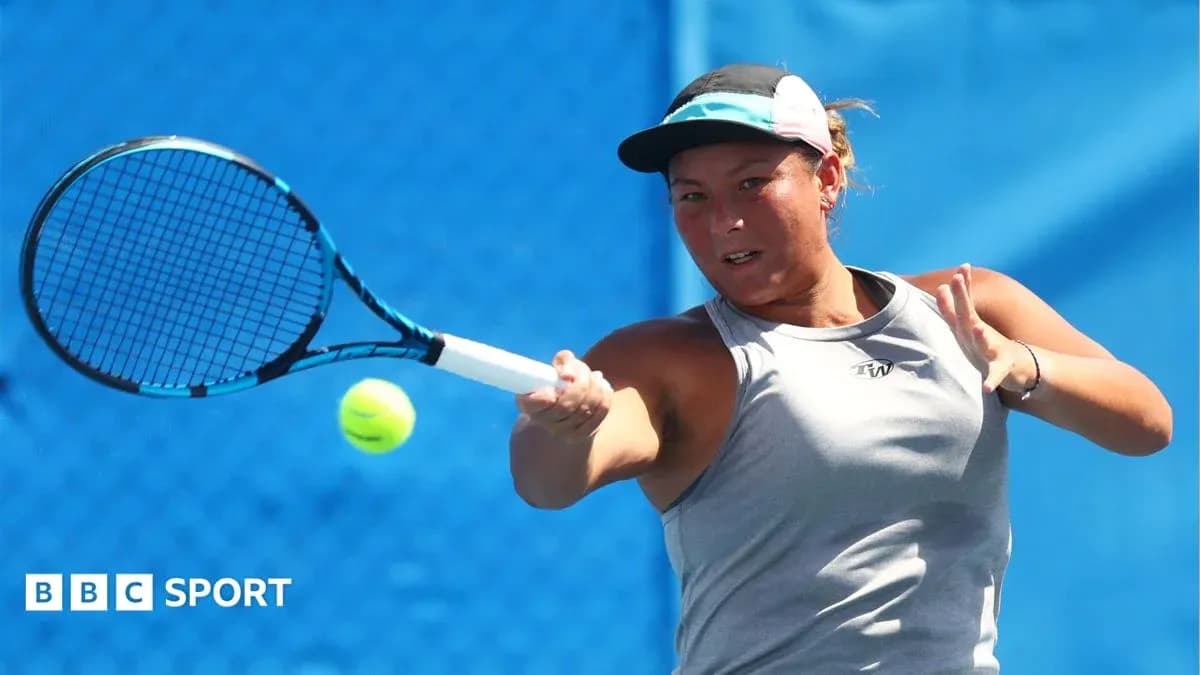
Eala had just rolled past Mary Stoiana, 6-1, 6-2, on Louis Armstrong Stadium, a commanding first-round victory played in front of a crowd dotted with Philippine flags. The noise in Queens felt familiar to Clarkson. Different court, different sport, same country humming in the background.
A Star Who Chose the Harder Road
Clarkson’s connection to Eala didn’t start with a social media post. The two met during US Open week, bonding quickly over their shared Filipino roots and the unique pressure that comes with them.
“When you got Filipino blood, you take the whole country with you,” Clarkson told her.
He’s lived that line for years.
The 34-year-old guard has worn the Philippine colors on the international stage, taken on the responsibility of being one of the most visible Filipino-American athletes in basketball, and then, over the past year, reinvented himself in New York.
That reinvention was not cosmetic. It cut straight to how he plays.
After Utah bought out the final year of his contract last summer, Clarkson walked into a very different reality. In his last season with the Jazz, he averaged 16.2 points, 3.7 assists and 3.2 rebounds in 26.0 minutes per game. Across six seasons in Utah, he put up 17.5 points in 28.2 minutes, and in 2020-21 he owned the league’s Sixth Man of the Year award as one of the NBA’s premier bench scorers.
Then came New York.
With the Knicks, he signed for the veteran minimum. The ball didn’t find him as often. The offense didn’t bend around his rhythm. On a deeper, title-chasing roster, his world shrank: 8.6 points, 1.8 rebounds and 1.3 assists in 17.8 minutes over 72 games, with only one start.
He took fewer shots. He played fewer minutes. He slid down the pecking order on a team that didn’t need him to rescue possessions, only to steady them.
He traded volume for a chance to contend.
The payoff? A championship ring and a new kind of respect. Knicks fans embraced him as a savvy, selfless piece of a title team. The front office did the same, bringing him back this summer on another one-year veteran-minimum deal worth $3.9 million.
For a former Sixth Man of the Year who had built his reputation on instant offense, that shift was no small sacrifice. It was a statement: winning over starring.
Watching Another Ascent
That’s the backdrop to his support for Eala.
She is at the other end of the career arc — rising, not reshaping. Her win over Stoiana was another step in a tournament that has begun to introduce her to a wider audience, one that now stretches beyond tennis diehards and deep into the Filipino diaspora.
On Louis Armstrong Stadium, you could see that reach in real time. Flags in the stands. A crowd leaning hard in her direction. A young player feeling, maybe for the first time on this scale, what it’s like to have a country riding every point.
Clarkson has spent years in that space with the Philippine national team. He knows the pride. He knows the noise. He also knows the weight.
So as Eala pushes deeper into one of tennis’ biggest stages, in the same city where he’s reinvented himself, Clarkson has slid naturally into the role of vocal supporter. No grand speech, no carefully crafted essay. Just a loud, public nudge from someone who understands how fast everything can change when you accept a different role, or step into a bigger one.
He once chose to scale down his game to chase a title. She is scaling hers up to chase history of a different kind.
Different sports. Different timelines. One shared reality: a country watching, measuring every step.
Clarkson’s message to Eala was short. The subtext wasn’t.
Keep going.