Harriet Dart Wins First WTA Title in Guangzhou
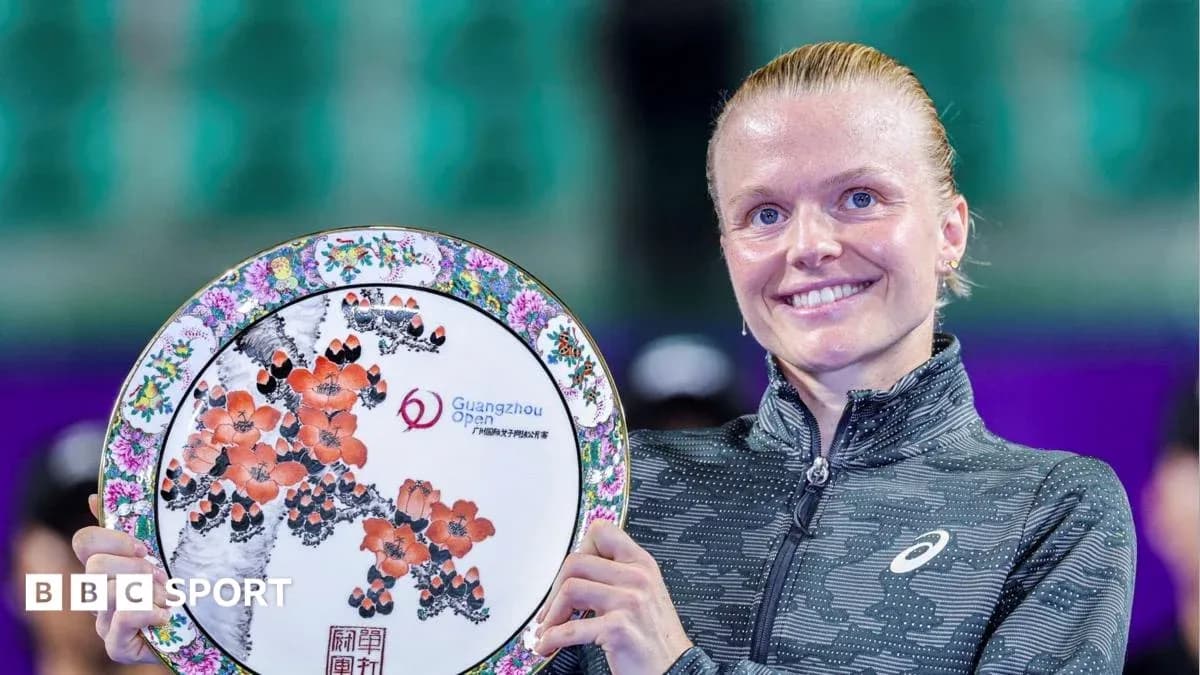
Harriet Dart’s phone would not stop buzzing. Messages, missed calls, notifications stacking up. Somewhere in north London, at a local tennis club, Nick and Susie Dart were celebrating with friends. Their daughter had just done what many had quietly wondered if she ever would.
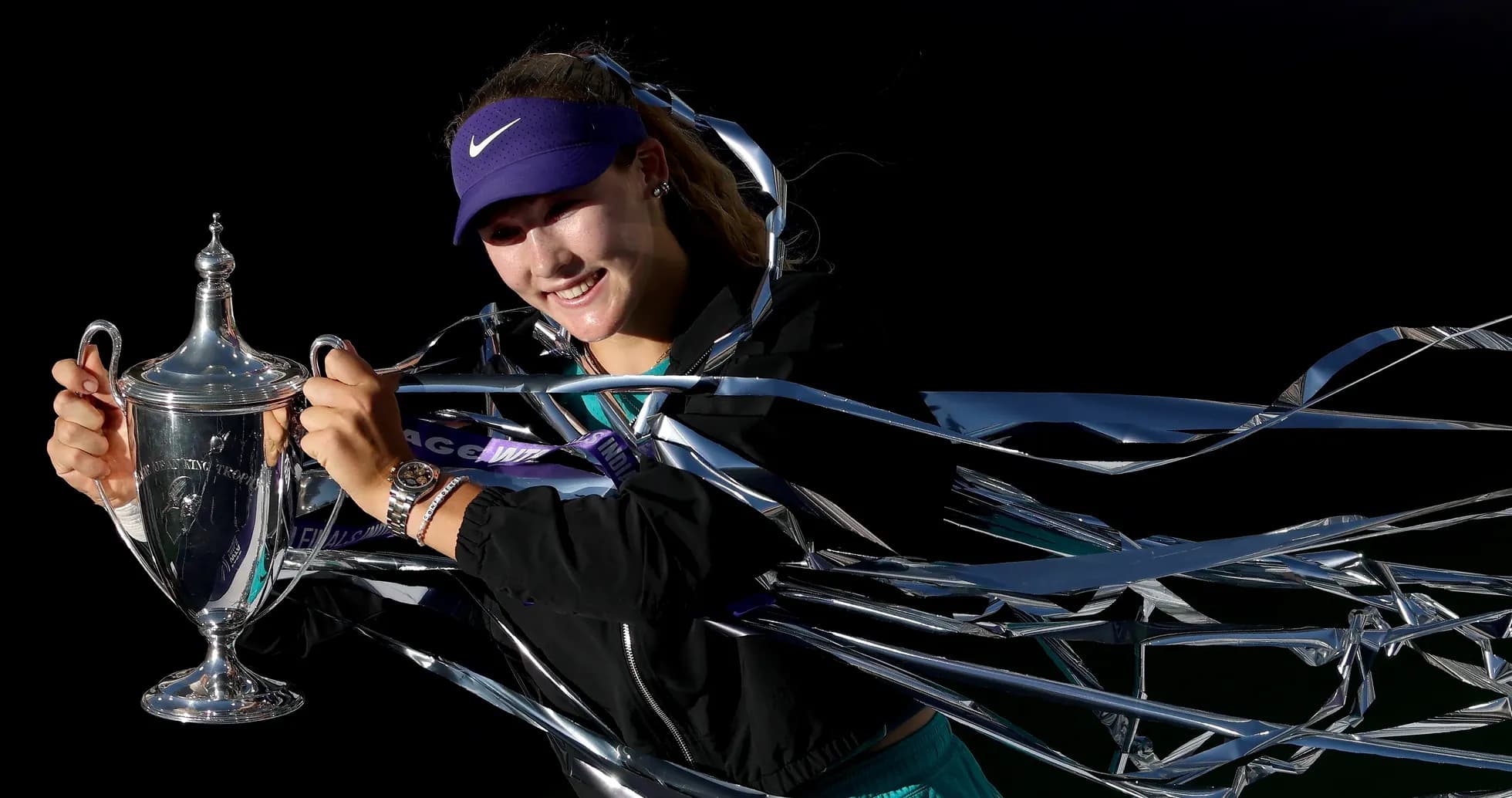
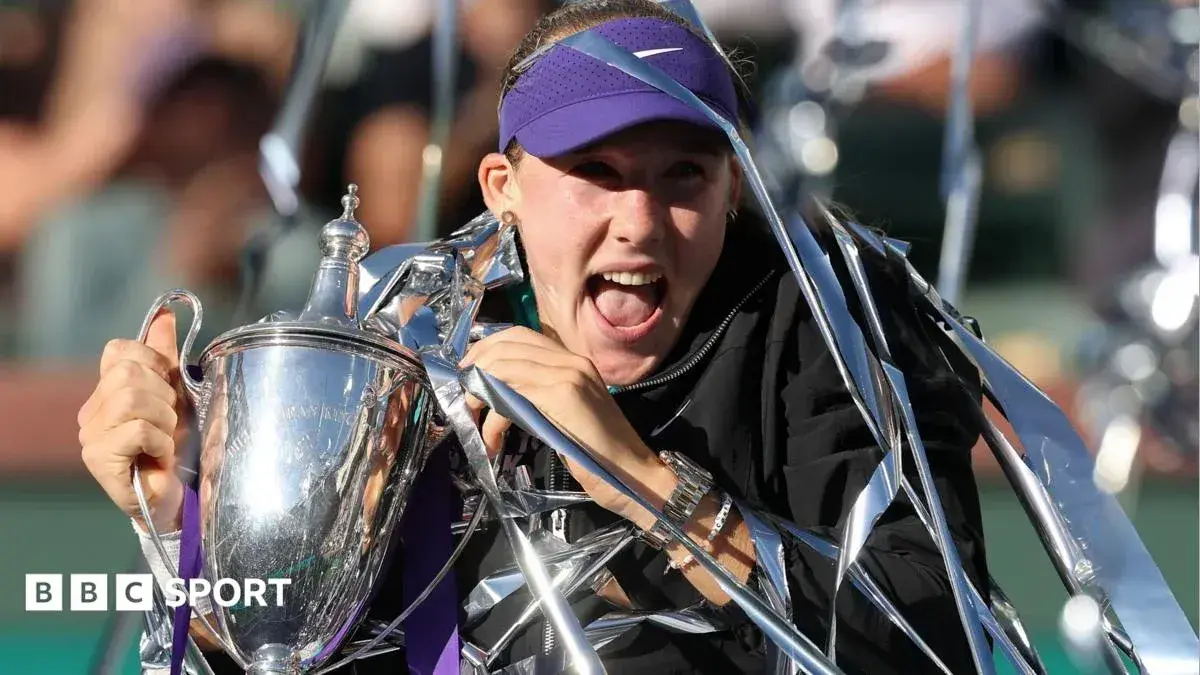
She had won a WTA title.
In Guangzhou, thousands of miles away, Dart’s first priority was simple: call home. Parents first, then her sister Phoebe. Only after that came another important voice – one that has quietly reshaped the direction of her career.
Marion Bartoli.
A Grand Slam champion in her corner
The 2013 Wimbledon champion has been working with Dart on a part-time basis since the start of the season. It is not a conventional, full-time tour arrangement. They live close to each other in Dubai, share training blocks there, and link up when schedules allow, especially at the Grand Slams.
It has been enough to change everything.
When they started, Dart sat outside the world’s top 160. On Monday, after lifting the Guangzhou Open trophy with victory over rising Austrian teenager Lilli Tagger, the 30-year-old is projected to climb to 83 in the rankings, having already hit a career high of 70 earlier in the year.
“It’s been quite incredible to work with Marion, and I was really fortunate she was open to working with me,” Dart told BBC Sport from Guangzhou. She knows she is not the archetypal late-teen prodigy. “I’m obviously at a very different stage of my career to someone who is, say, 20. But I still feel I have a lot to improve and there are gains to be made.”
Bartoli has convinced her of that. A Grand Slam champion telling Dart she belongs at this level has carried weight that no ranking sheet ever could.
“She really believes in me - that means the world to me. Seeing a Grand Slam champion having that belief has made me believe a lot more in myself.”
The partnership has other, more tangible benefits. Bartoli, now 42, still hits the ball “really well” in practice, according to Dart. Those sessions are not just tactical tutorials; they are daily reminders of the physical and mental standard required at the very top.
Winning without the coach courtside
In Guangzhou, Bartoli was not in the stands. Instead, Dart leaned on a smaller on-site team: fitness trainer Dario Gonfiantini and boyfriend Stephen Falck. No coach in the player box, no between-set adjustments from an experienced eye courtside.
She had to do the problem-solving herself.
Bartoli sent observational notes from afar, but once Dart stepped on court, it was her responsibility to absorb pressure, change patterns, and manage the moments that have so often tripped her up in the past.
She did exactly that.
Dart has now won 19 of her 24 tour-level hard-court matches since Wimbledon. Her overall WTA record this season stands at 23 wins from 34 matches – the best winning percentage of her career. The Guangzhou title did not come via a procession of easy scorelines; it came through what she has often been accused of lacking.
Resilience.
Across the week, she repeatedly had to claw her way back from behind, flipping matches that once might have slipped away. The slow second serve that opponents had learned to feast on, the double faults that invited trouble, the tight shoulders in pressure games – these were the fault lines that defined the past two seasons, as she drifted outside the top 100 and struggled to convince anyone, perhaps even herself, that a breakthrough was still coming.
In China, she stared those questions down and played through them.
Belief to match the work
No one in British tennis is surprised by her work rate. Anne Keothavong, Britain’s Billie Jean King Cup captain, has watched Dart grind for years.
“She’s always had a fantastic work ethic and has always set the bar high with her professionalism,” Keothavong told BBC Sport. The difference now? “There is certainly more belief and confidence now. She’s in a very good place.”
Dart’s selection for September’s Billie Jean King Cup Finals underlined that faith. She did not make the final playing line-up, but Keothavong saw enough in practice – the ball-striking, the intent – to sense a shift.
“She’s been grinding away on the tour for a long time and it’s great to see someone who has put in a lot of time to succeed and win a big title.”
That practice form has transferred onto the tour, and it has arrived at a time when British women’s tennis is quietly putting together a strong Asian hard-court swing.
A wider British surge
Dart’s Guangzhou title is not an isolated spike. It fits into a broader surge.
Sonay Kartal reached the final of a WTA 1000 in Wuhan, a huge step up in profile and pressure. Katie Boulter pushed deep in Osaka, making the semi-finals at a WTA 250. Teenage prospect Hannah Klugman claimed the biggest title of her young career at the Wrexham Open, a W100 event on the Challenger circuit.
“The way they’re all performing towards the end of the season - at whatever level - has been impressive,” Keothavong said. This is the part of the calendar when bodies ache, minds fray, and results often tail off. The British women have gone the other way.
“It’s not easy at this time of the season because there has been a lot of tennis played, but they’ve all capitalised and risen to the occasion. It’s great reward for all their hard work and is encouraging for British tennis.”
For Dart, that encouragement is now something more concrete. A trophy, a ranking rise, a season that suddenly reads very differently: Wimbledon third round, US Open second round, a first WTA title, and a late surge that suggests 30 is not a closing chapter but the start of a new one.
She talks about learning more from Bartoli, about spending additional weeks together next year, about the gains still to be made. The doubts that once circled her second serve and her nerve have not vanished forever – tennis never works like that – but she has shown she can win big matches with them in the background, not the foreground.
A player long seen as a hard-working tour regular now has a champion’s week on her CV. The question, as she boards yet another flight and opens yet another practice block with a Grand Slam winner in her corner, is no longer whether she can win at this level.
It is how far, and how fast, she can go from here.