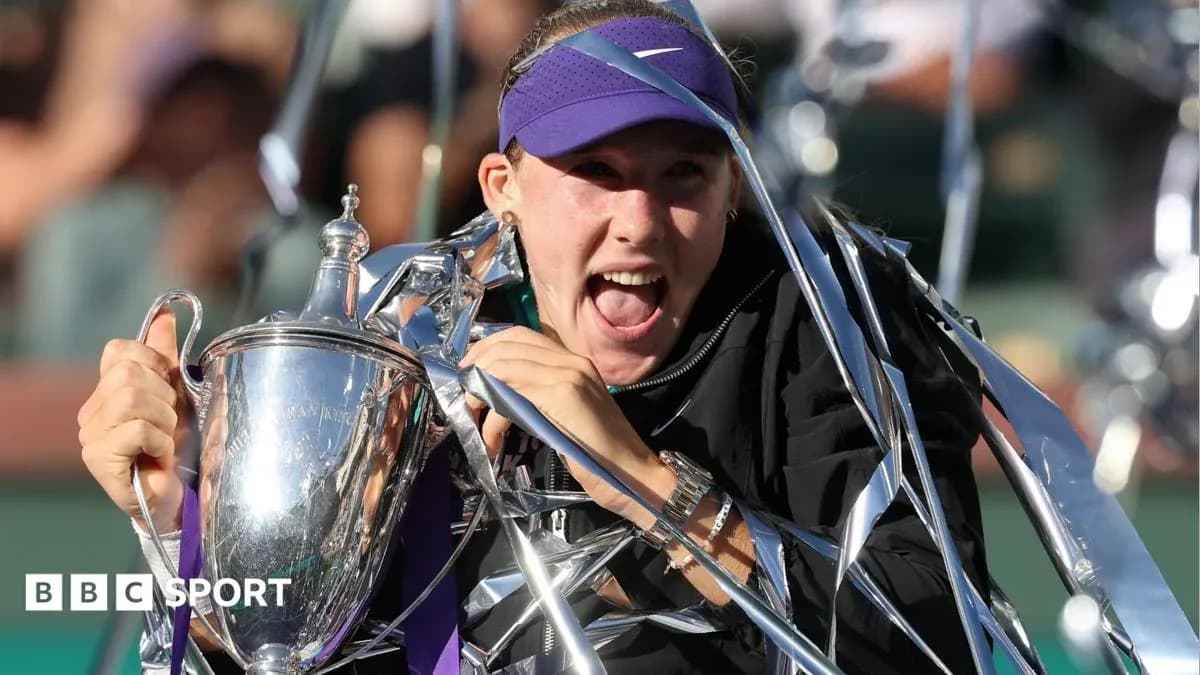
Harriet Dart Wins First WTA Title in Guangzhou
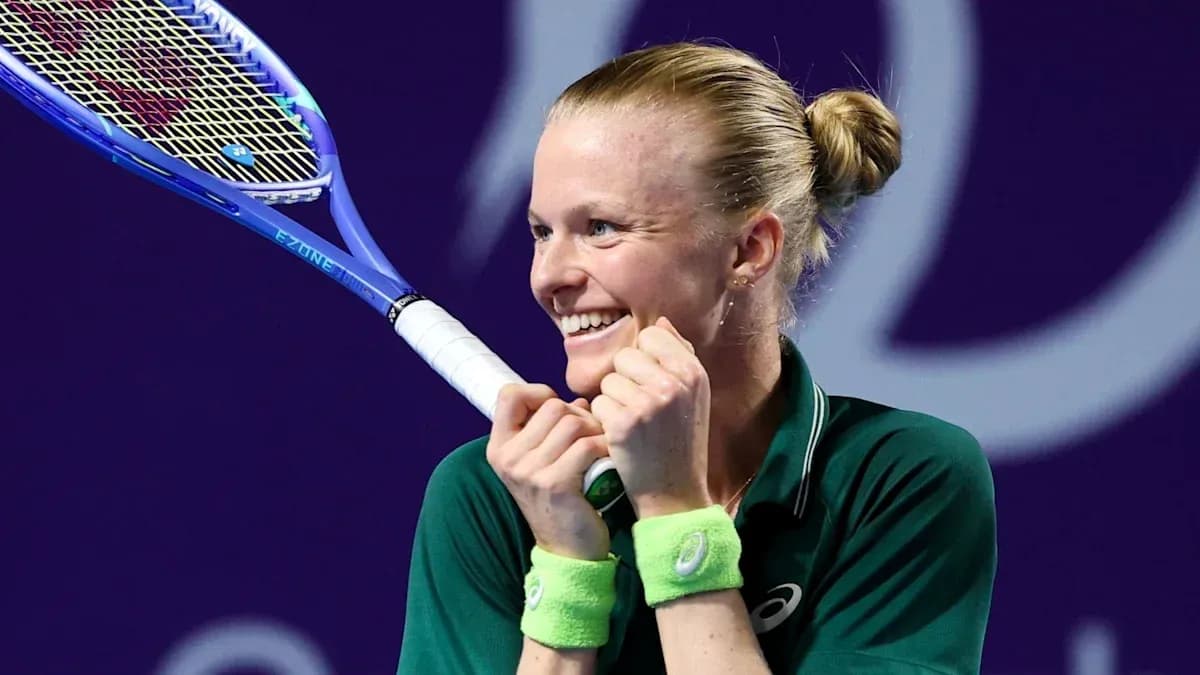
Harriet Dart climbs the mountain at last. On a humid afternoon in Guangzhou, the 30‑year‑old Briton finally turned years of graft and frustration into a first WTA Tour singles title, outlasting fast-rising Austrian teenager Lilli Tagger 4-6 6-3 6-4 in a nervy, gripping final.
From qualifier to champion
This was not supposed to be Dart’s stage. She arrived in China as a qualifier, ranked 115 in the world and officially Britain’s number five, trying to claw her way back into relevance after slipping out of the top 100. She leaves as Guangzhou Open champion, with a trophy in her hands and a place in the Australian Open main draw secured.
The route there said everything about her week. Seven matches. Four of them won from a set down. Time and again she walked to her chair trailing on the scoreboard but refusing to accept the script. The final followed the same, stubborn pattern.
Tagger, just 18 and already a 2025 French Open junior champion, had been the story of the tournament after taking out seven-time major winner Venus Williams on her way to the final. She started like a player in a hurry, dictating the baseline exchanges and snapping up the first set 6-4 as Dart struggled to find length on her groundstrokes.
Momentum swings and a test of nerve
Dart has built this late-season surge on resilience, not fireworks. She reset, tightened her patterns and began to drag Tagger into longer, more physical rallies. The errors crept from the teenager’s racket, Dart’s first serve began to land with more authority, and the second set swung 6-3 to the Briton.
The decider turned into a test of nerve as much as shot-making. Dart twice moved ahead, twice saw her lead wiped out by the fearless Austrian. Each time Tagger broke back, the match seemed to tilt towards youth and momentum.
Then came the crucial passage. At 3-3, Dart dug in on return, stepped inside the baseline and forced a third break of the set for 4-3. This time she backed it up, holding serve to move within a game of the title, the tension thickening with every point.
Serving to stay in the match at 3-5, Tagger faced two championship points. Dart had the finish line in sight, an inviting mid-court ball on the second of them, only to dump it into the net. It was the sort of miss that can haunt a player, especially one still chasing a first title after years on tour.
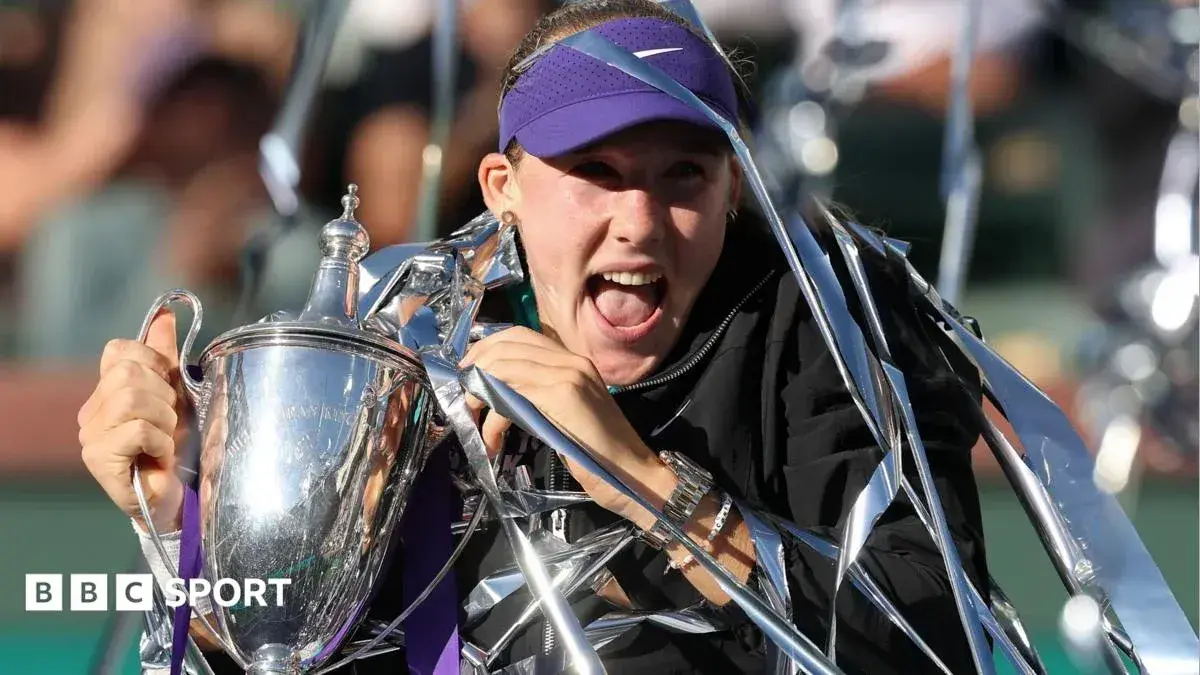
She refused to let it. Tagger escaped that game, but Dart did not flinch. Serving again for the championship at 5-4, she trusted the shot that has underpinned her resurgence. On her third championship point, she found a service winner, the ball skidding through and out of Tagger’s reach.
Dart crumpled to the court, overcome, before rising to embrace her team. This was not just a match won. It was a career line redrawn.
A season transformed
The numbers behind Dart’s turnaround are stark. Since Wimbledon, she has won 19 of 24 tour-level matches on hard courts, striking the ball with a clarity and confidence rarely seen in her earlier years. Across the season, she now owns 23 wins from 34 WTA Tour matches – the highest winning percentage of her career.
Only two seasons ago she hit a career-high ranking of 70, buoyed by a run to the third round at Wimbledon and the second round at the US Open. Then came the stall. Results dipped, the ranking slid, and she spent most of the past two years on the wrong side of the top-100 divide, fighting for entries, fighting for belief.
The partnership with former Wimbledon champion Marion Bartoli has shifted that narrative. Under Bartoli’s guidance, Dart has sharpened her patterns on hard courts, added conviction to her first strike, and, crucially, built the mental armour to survive the kind of scrappy, momentum-swinging battles that defined her week in Guangzhou.
This title is the reward. Not just a line on a résumé, but a confirmation that the work is landing.
Tagger’s rise, Dart’s new horizon
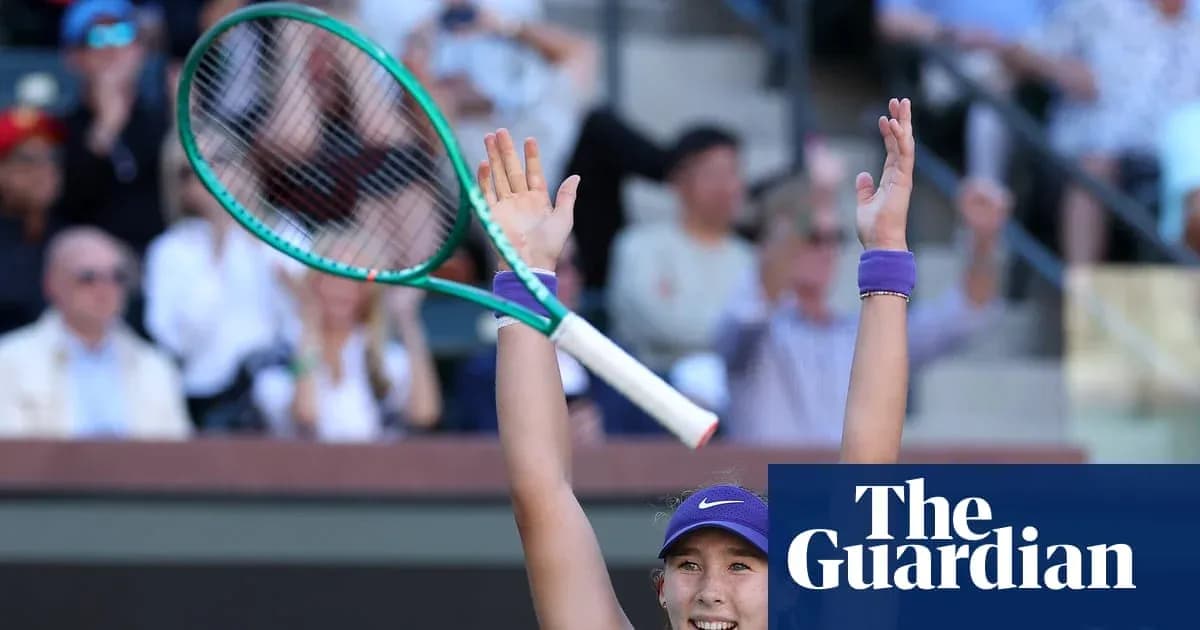
Tagger leaves Guangzhou without the trophy but with her reputation enhanced. At 18, ranked 53 in the world, she has already shown she belongs in the conversation about the next wave. Her run here – capped by that win over Venus Williams – underlined her fearlessness on big courts and her ability to punch up against established names.
Even in defeat she found words for Dart, acknowledging from the podium that “it wasn’t fun to be on the other side of the court today” and saluting the Briton’s year. It was a gracious nod from a teenager who will surely find herself on this stage again.
For Dart, the implications are immediate and tangible. The ranking boost will push her back inside the top 100, clearing the path straight into the Australian Open main draw in January. No qualifying scramble. No early-week grind in Melbourne’s heat. A seat at the main table from day one.
After a second half of the season defined by quiet, relentless improvement, she now carries something more dangerous into 2025: proof. Proof that she can come through qualifying, survive tight three-setters, stare down a prodigy in a final, and serve out a title with everything on the line.
The question now is simple. Having finally broken through, how high can she climb?