Fury's Ruthless Assessment of Wilder's Decline Ahead of Joshua Fight
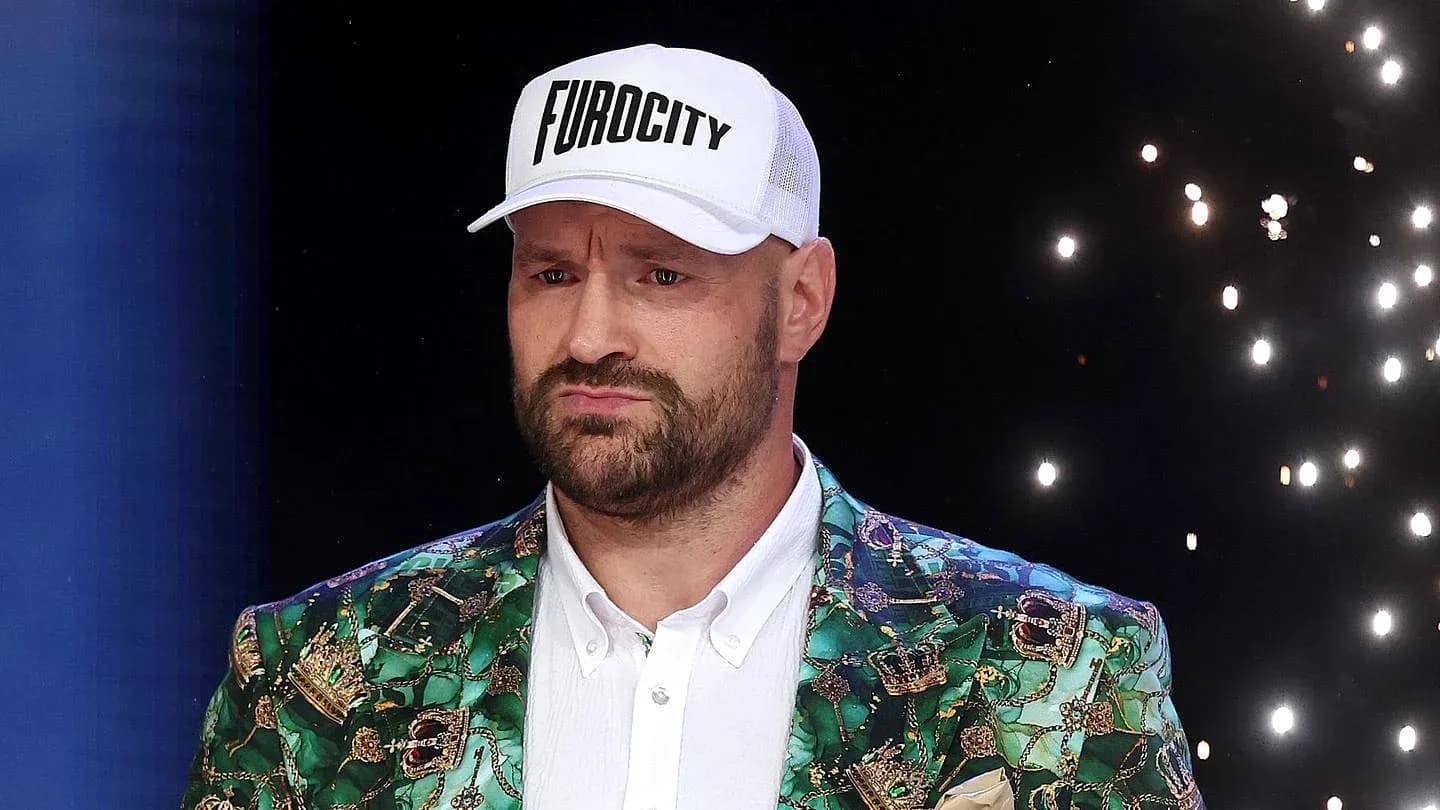
Tyson Fury has never needed a microphone to sell a fight, but he’s using it ruthlessly in the buildup to December 11 in Cardiff. Anthony Joshua is the man in front of him, a huge domestic showdown on British soil, yet Fury’s crosshairs have drifted to an old enemy: Deontay Wilder.
The stakes in Wales are obvious. Beat Joshua, and Fury storms back into the title conversation and the kind of paydays that follow only the biggest heavyweights. At 35-plus, with more miles on the clock than he cares to admit, he knows the window is closing. That sharpened sense of time has made him brutal in his assessment of who should still be in this business.
Right now, he believes Wilder shouldn’t be.
Fury unloads on Wilder’s decline
From 2018 to 2021, Fury and Wilder carried the heavyweight division on their shoulders. Three fights. One controversial draw, then two emphatic Fury knockouts. That trilogy defined them both, but their careers split sharply afterwards.
Speaking to FightHype, Fury didn’t bother with diplomacy.
"It's silly, really, for Deontay's part. He should not be in the ring. He should be nowhere near it. It's a dying shame that this man has to continue to fight when he's shot to bits. He should never have fought again after I beat him the last time. That should have been the end of it."
That’s not a throwaway line. It’s a verdict.
Fury points to the recent loss to Zhilei Zhang as the smoking gun. Wilder once owned fight-ending power in either hand. Now, in Fury’s eyes, that menace has drained away.
"If you're getting knocked out by people that you probably should have knocked out yourself... Him and Chisora were shockingly terrible when they fought. Chisora is like 145 years old, and he was taking Wilder's knockout power shots that are not there anymore, flush in the face, not even budging him. It is a shame, because if you want to match them two five years ago, it would not have lasted one round."
It’s savage, but the evidence backs the tone. Against Zhang, Wilder looked static, heavy-legged, unable to read or evade the shots coming his way. The snap, the explosiveness that once made him the most feared puncher in the sport, never appeared. When the counters landed, he had no answers and no escape route.
For Fury, that’s not just a bad night. That’s a sign of a fighter whose body no longer obeys the instincts that made him elite.
A dangerous undercard assignment
The criticism lands at a delicate moment. On the undercard of Fury vs. Joshua in Cardiff, Wilder is scheduled to face Jai Opetaia, a man moving up from cruiserweight but very much in his physical prime.
Opetaia sees opportunity, not nostalgia. Beating a former WBC heavyweight champion on such a huge stage would fast-track his reputation in the division. He’ll be the younger fighter. Fresher legs. Sharper reflexes. If he can stay away from what remains of Wilder’s power and drag the American deep into the later rounds, his engine could tilt the fight decisively in his favour.
That’s the theory. The danger, of course, is that even a faded Wilder still carries enough in those hands to turn a bout with one punch. It’s the gamble Opetaia is willing to take, and the one Fury clearly believes Wilder should no longer accept.
Harsh words, hint of respect
For all the bluntness, Fury’s assessment isn’t entirely cruel. Underneath the barbs sits a note of recognition, even a touch of concern for a man he once shared 30 brutal rounds with.
"It's a hard thing to walk away from, and we've seen so many of the greats come back for whatever reason over the years, usually financial reasons, and it is a hard one to see, and it's a sad state of an affair, to be fair."
That’s the paradox of heavyweight boxing. The same stage that made Wilder rich and famous can become a trap when the reflexes dull and the cheques keep coming. Fury has lived close enough to the edge to recognise the warning signs in others.
Yet he also knows how this sport works. If Wilder keeps passing the governing bodies’ medicals and the money remains on the table, the former champion is unlikely to walk away quietly.
So Wilder presses on towards Opetaia. Fury marches toward Joshua. One man chasing redemption, the other chasing resurrection. And somewhere between the ropes in Cardiff, the heavyweight era they helped define will show just how much life it has left.