Florentino Pérez Prepares Real Madrid for Life After His Presidency
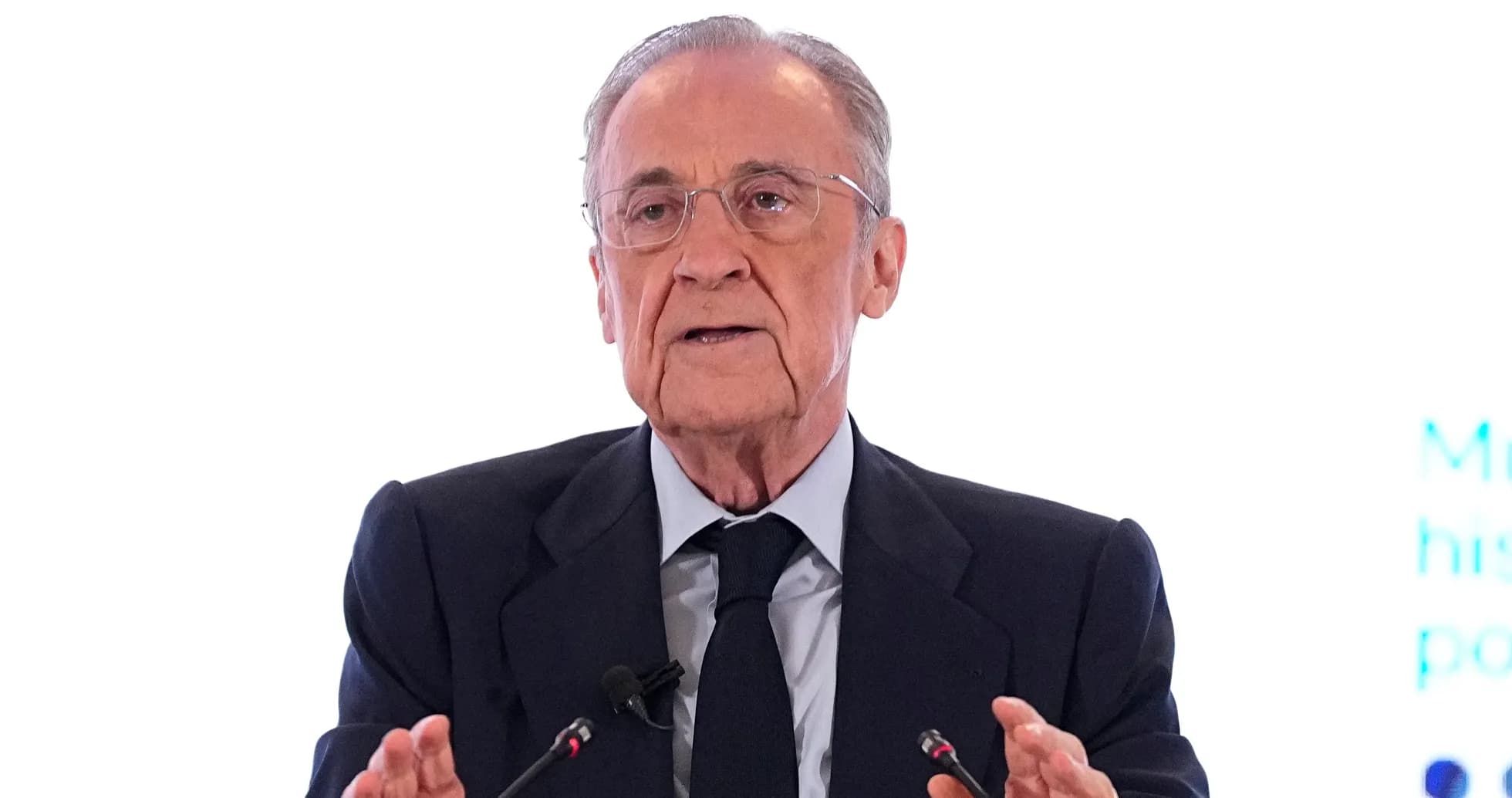
Florentino Pérez is already thinking about life after Florentino Pérez.
Inside the corridors of Real Madrid, the club president is quietly building the framework for a future in which he is no longer in charge, yet his project still rules the Santiago Bernabéu. And at the heart of that plan stands a name nobody in football would have predicted a decade ago: Rafael Nadal.
Nadal steps into the box seat
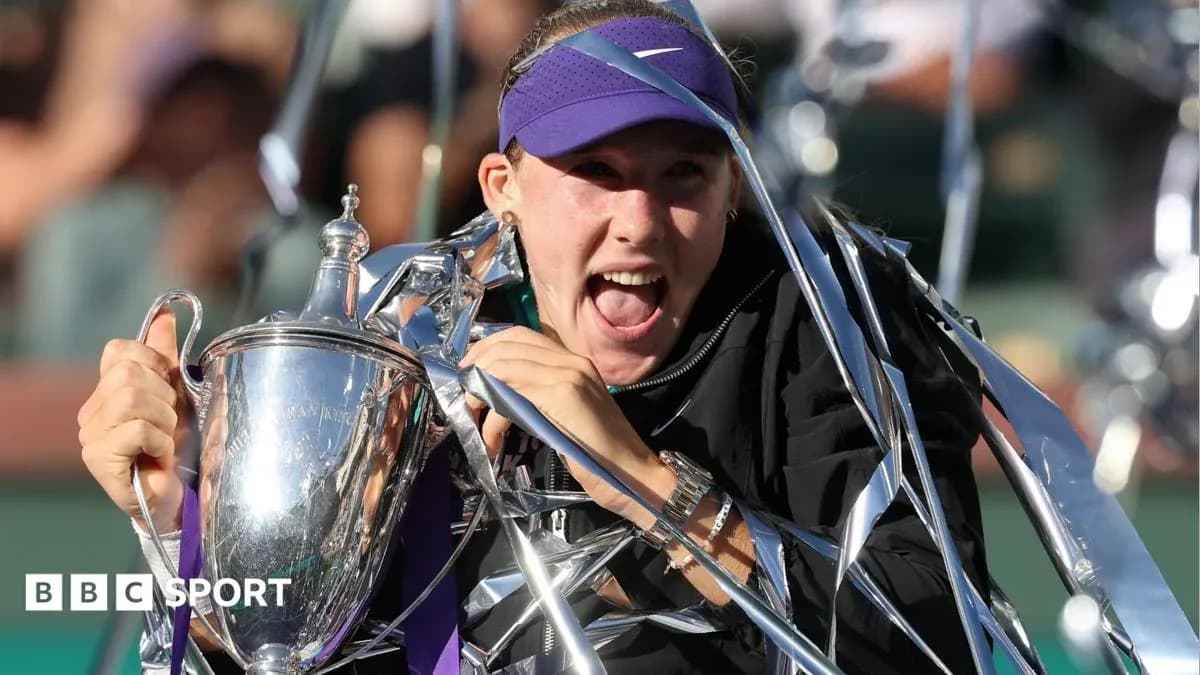
According to reports from Catalan newspaper Sport, via El Periódico, Pérez has moved to bring the 22-time Grand Slam champion onto Real Madrid’s board, describing the decision as a “brilliant move.” The timing is no coincidence. The appointment, to be ratified at the club’s general assembly on 21 November, is as much about image as it is about succession.
Nadal is not just a global icon. He is a declared Madridista, a symbol of Spanish sporting excellence, and a figure whose public credibility stretches far beyond football. His arrival immediately shifts the political landscape inside the club.
It also hits one man particularly hard.
Riquelme pushed to the margins
Businessman Enrique Riquelme, who collected 35% of the vote at the last Real Madrid presidential elections, had been seen as a genuine challenger in any post-Pérez scenario. Nadal’s entry onto the board changes that calculation.
With this move, Pérez is not only reinforcing his control in the present; he is grooming a successor who fits his vision for the long term. A trusted figure. A continuity candidate with enormous popular pull.
The rules, though, are clear. To stand for the presidency, Nadal must complete 20 years as a club member. He will only hit that mark in 2031, a year after Pérez’s current term expires. Any candidate list must also lodge a bank guarantee worth at least 15% of the club’s expenditure budget — a financial barrier that filters out all but the most serious, well-backed bids.
So the roadmap is there. The calendar is set. And Pérez is moving the pieces early.
Power around Pérez: Laghrari, Reichart and the family circle
The reshaping of power at Real Madrid is not just about one superstar name joining the board. It is also about who is rising behind the scenes.
One figure stands out: Moroccan executive Anas Laghrari. He has become a central actor in the club’s strategic and financial decisions, particularly in the colossal redevelopment of the Santiago Bernabéu. The stadium is no longer just a football venue; it is the economic engine of the club’s next era, and Laghrari has his hands on the controls.
On the commercial front, Bernd Reichart has taken on a prominent role. He oversees sponsorships, the exploitation of the revamped Bernabéu and other commercial operations, all under the supervision of long-time general director José Ángel Sánchez. The structure is clear: Pérez at the top, a trusted inner circle executing the vision.
That inner circle now includes more of Pérez’s own family. His grandson Eduardo Pérez Ortiz is involved in investments and strategic operations. His son Florentino Junior and his brother Enrique, who serves as vice-president of the board, are also embedded in the club’s decision-making core.
Real Madrid, a members’ club by statute, is increasingly shaped by a tight, loyal group around its president.
A billion-euro play without selling the soul
The financial centrepiece of Pérez’s long-term project is an institutional restructuring designed to inject up to one billion euros into the club.
The plan, as reported, is to sell a minority stake to financial investors, bringing in huge liquidity without ceding control or converting Real Madrid into a sporting joint-stock company. In other words, Pérez wants the money of modern football without sacrificing the club’s traditional member-owned identity.
Names like “Sixth Street” and investment groups linked to billionaire Bernard Arnault have been mentioned among potential investors. These are heavyweight players, used to operating in the upper tier of global sport and entertainment assets.
Yet one key step is still missing.
Pérez had promised to convene an extraordinary general assembly to present and debate this restructuring. That assembly has not taken place. The upcoming 21 November meeting is expected to focus instead on Nadal’s ratification, not on the billion-euro deal. That shift in priorities has stirred unease among some members, wary of major structural decisions being delayed, diluted or pushed through without full scrutiny.
The tension is clear: a historic club trying to modernise at speed, while its members fight to keep hold of the steering wheel.
A windfall from City Hall
Off the pitch, Real Madrid have just banked an unexpected bonus.
The Madrid city council admitted an error in the reclassification of land linked to the club’s sports city. The correction has sent the associated profits soaring — from a modest 1.46 million euros to a massive 98.6 million euros.
For any club, that is a serious injection of capital. For a club already plotting a billion-euro restructuring and leveraging a newly transformed stadium, it is another powerful card in Pérez’s hand.
So Real Madrid move into their next chapter with a legendary tennis player entering the boardroom, a president tightening his inner circle, and a financial machine gearing up for its most ambitious phase yet.
The question now is not whether Florentino Pérez will leave a legacy. It is who will be bold enough — and strong enough — to inherit it.