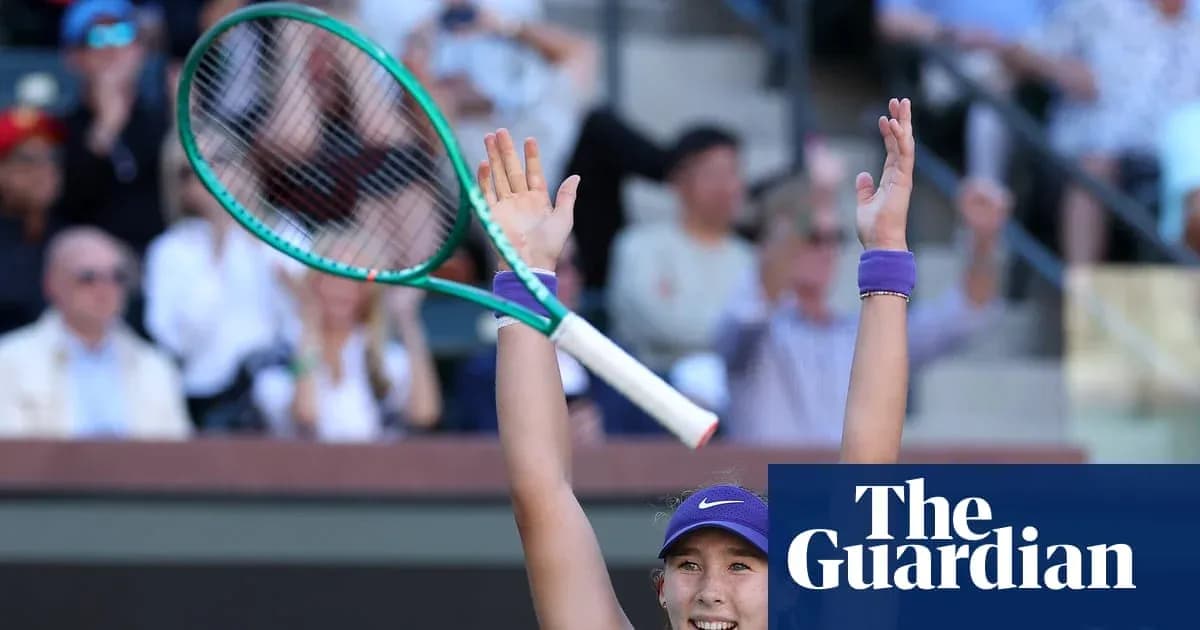
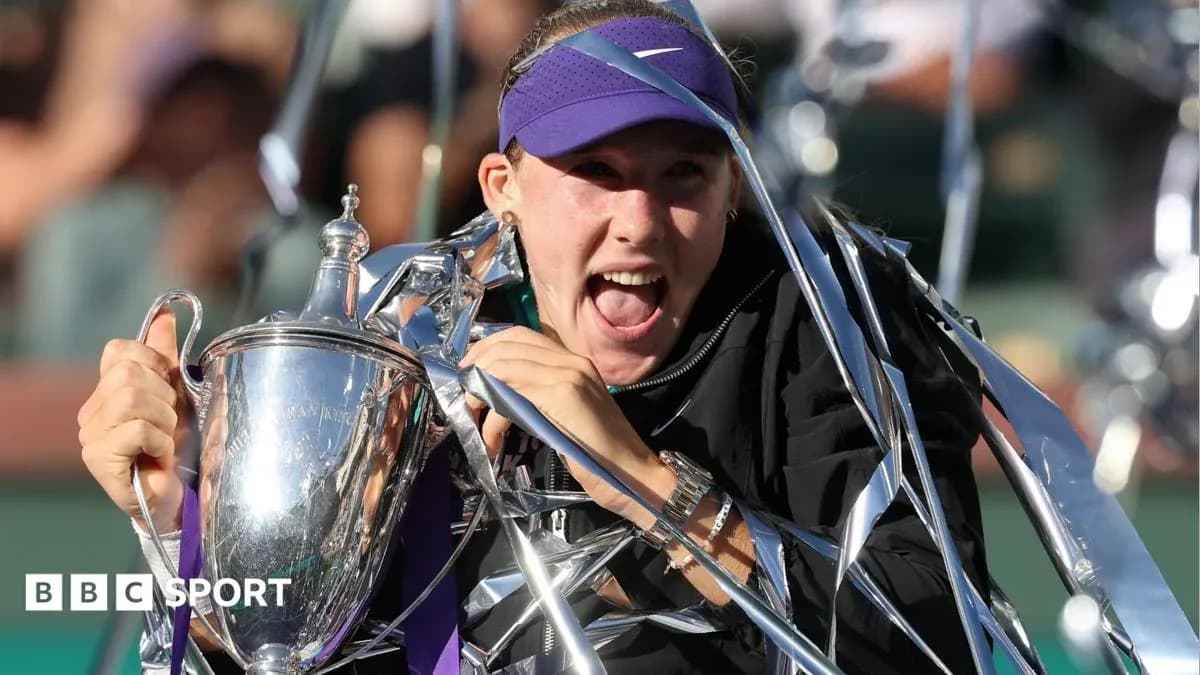
Elina Svitolina Dominates Aryna Sabalenka to Reach WTA Finals
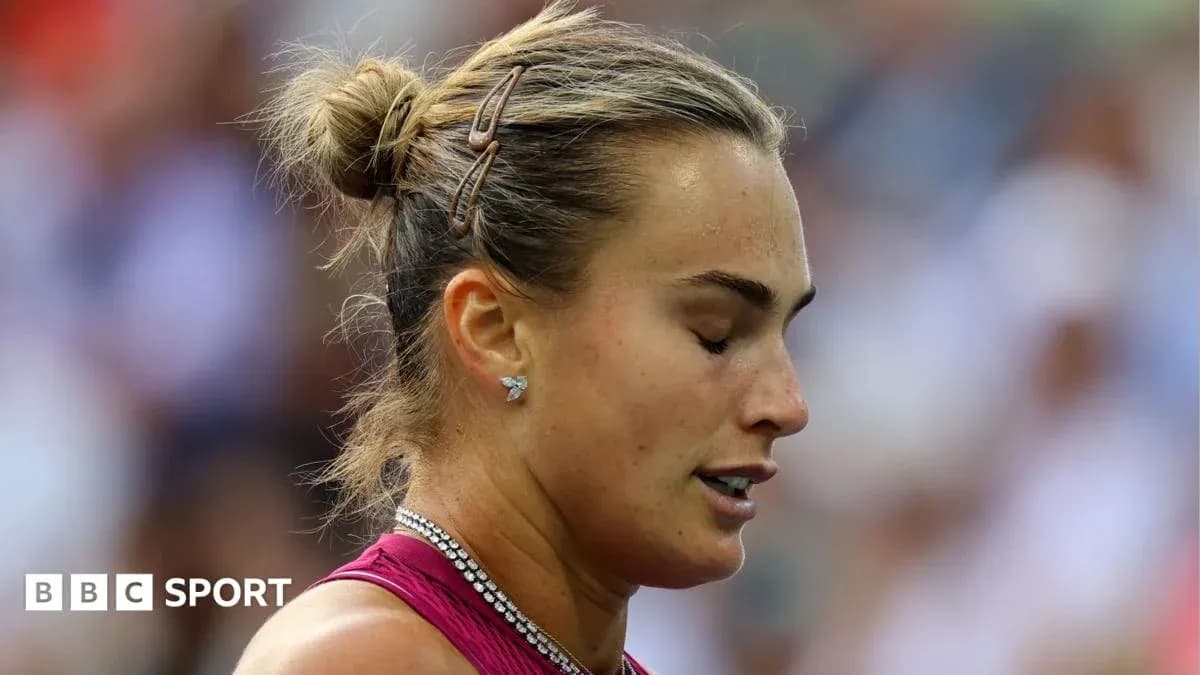
Elina Svitolina slammed the door on Aryna Sabalenka’s season and walked through to the WTA Finals last four, grinding out a 6-3 3-6 6-1 victory that exposed once again the Belarusian’s fragile edge in the biggest moments.
Sabalenka, the former world number one, left her frustration all over the court – on her racquet, on her body language, on the scoreboard. At one point she crouched at the back of the court after losing a point, the semi-final place she had come to claim slipping away with every heavy exhale.
Svitolina, by contrast, never blinked.
Svitolina’s return to the big stage
Back at the season finale for the first time since reaching the 2019 final, the 2018 champion from Ukraine played with the poise of someone who has rebuilt both ranking and belief. She has climbed back into the top 10 this year for the first time since 2021, and this week she has looked like she belongs there.
“It was an extremely tough match, especially mentally. I was just trying to play one point at a time,” the 32-year-old said. “This is the tournament where you bring everything to the table and try to play every game as if it's the last.”
She did exactly that.
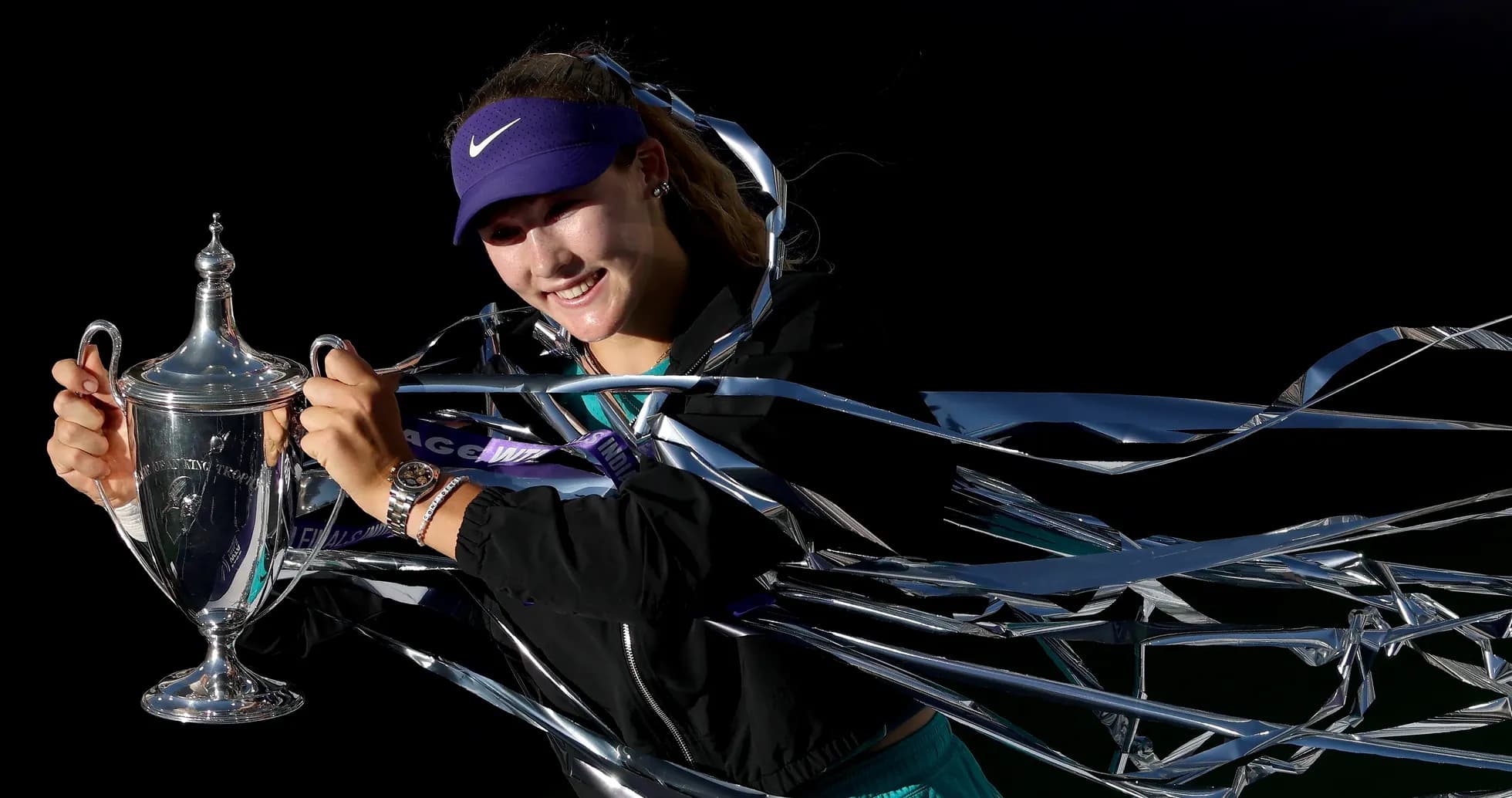
Having finished runner-up in the group to Mirra Andreeva, Svitolina now faces Czech world number eight Linda Noskova for a place in the final. Andreeva, who topped the group, meets Jessica Pegula in the other semi-final.
Sabalenka’s season unravels
Sabalenka’s week had already carried warning signs. Two days earlier, the four-time major winner had been routed by Andreeva, losing the last 11 games in a bruising defeat. Against Svitolina, the pattern reappeared: when the pressure rose, her game frayed.
She still forced a deciding set. She still showed flashes of the brutal, first-strike tennis that has made her one of the sport’s dominant forces. But she lost the final six games of the match and with them any hope of finally lifting the season-ending trophy.
This is the first year since 2022 in which Sabalenka has failed to win a major, and it will sting. She lost finals at both the Australian Open and the US Open, and though she picked up three other titles – including a rare Sunshine Double with triumphs at Indian Wells and Miami – she leaves the season with as many questions as accolades.
Her numbers remain imposing. She arrived at the Finals with the best win percentage on tour in 2024 (81%, 47-11). She has recorded more straight-sets wins than anyone else this year (43). She has taken eight of her 13 matches against fellow top-10 players, even if two of those defeats came in major finals to Elena Rybakina and two more this week.
Yet the ranking tells a different story. After 99 weeks at the top, she was dethroned by Rybakina following their US Open title showdown in September. On nights like this, it is clear why that shift happened.
A match that mirrored a season
For a while, Sabalenka looked ready to impose herself. She opened with an immediate break, sealing it with a vicious angled forehand winner that sent a clear message: she was not about to repeat the Andreeva collapse.
That message did not last long.
From 2-1 up in the first set, her game veered off course. She lost six of the next seven games, was broken to love twice, and watched Svitolina calmly absorb and redirect her power. The errors climbed, the shoulders dropped, and the racket swings grew heavier.
The response in the second set, though, showed why she remains a constant presence at the business end of majors. She cut the unforced errors, found depth and shape on the forehand, and bullied her way to a double break and a 5-1 lead. She needed two attempts to serve it out, but she got there, dragging the contest into a decider and briefly swinging the momentum back her way.
Then came the familiar crash.
An early lead in the third disappeared in a flurry of mistakes. After one lost point, Sabalenka hurled her racquet to the court, the gesture of a player locked in battle not just with an opponent but with herself. Across the net, Svitolina stayed compact, disciplined, and relentless.
Sabalenka saved two break points as she tried to cling on, but a double fault handed Svitolina a third. The world number six took it, then closed out the match with a composed hold, her nerve as firm as Sabalenka’s had become brittle.
The gap Sabalenka still has to close
Sabalenka’s record on the sport’s biggest stages remains outstanding on paper: at least the semi-finals in 13 of her past 16 majors. Yet the ledger in finals tells a harsher truth. Over the past four seasons she has lost more major finals (five) than she has won (four).
Those are the matches that define legacies. Those are the matches where, by her own standards, she has come up short.
This week was another reminder that the gap she must close is as much mental as physical. She has now reached the knockout stages at the WTA Finals in each of the past four years and still does not have the title, having lost last year’s showpiece to Rybakina.
The weapons are there. The consistency, for long stretches of the season, is there. But until she can carry that clarity into the tightest corners of the sport’s biggest events, nights like this – crouched at the back of the court, racquet on the ground, chances slipping away – will keep returning.
Svitolina, steady and unsentimental, made sure of that. Now she plays on, chasing another season-ending title, while Sabalenka goes home to confront the same question that has shadowed her for four years: how do you turn brutal dominance into untouchable closure?