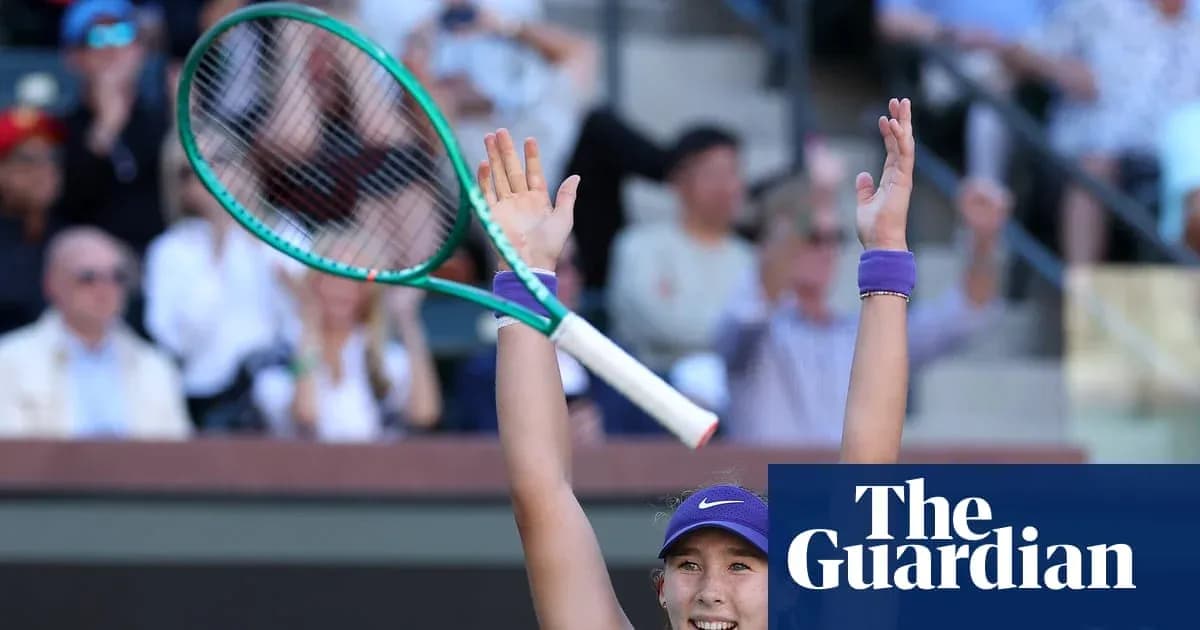
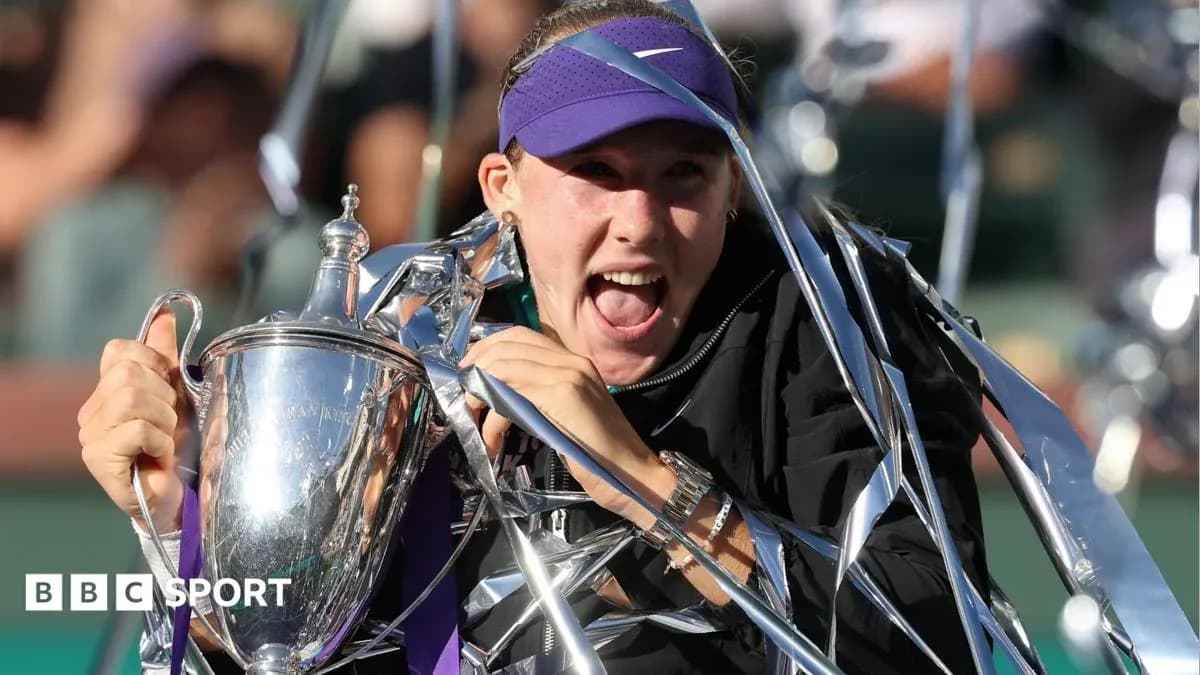
Elena Rybakina Withdraws from WTA Finals Due to Illness
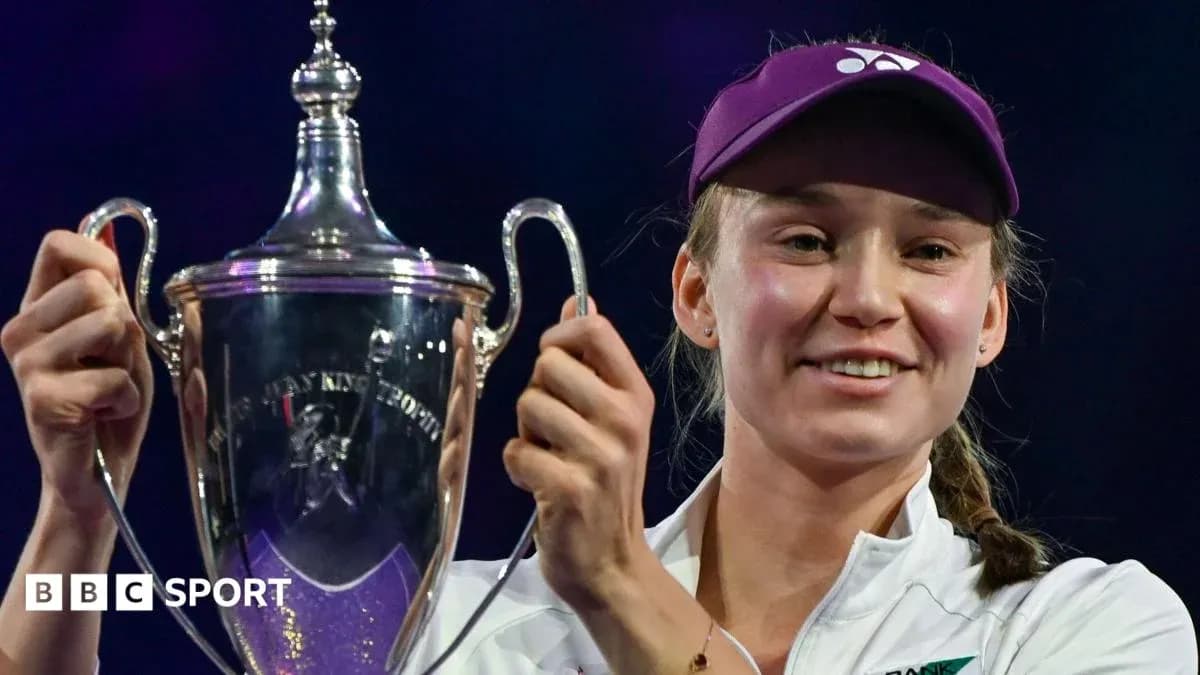
Elena Rybakina’s season of supremacy has ended not with a final statement in the desert, but with a quiet, reluctant withdrawal.
The world number one has pulled out of the WTA Finals in Indian Wells on the eve of the tournament because of a viral illness, abandoning her bid to complete one of the great modern finishing kicks to a season.
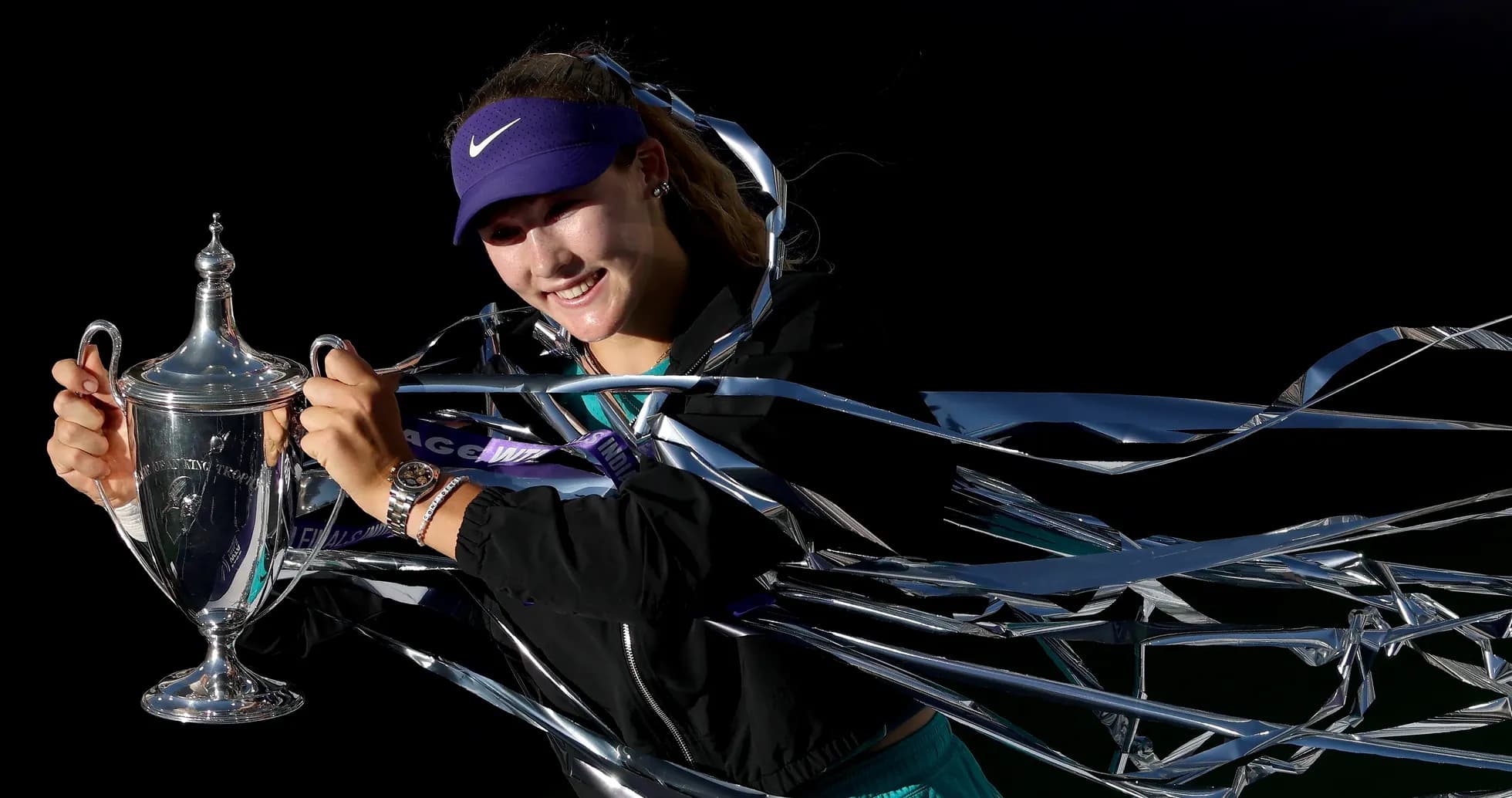
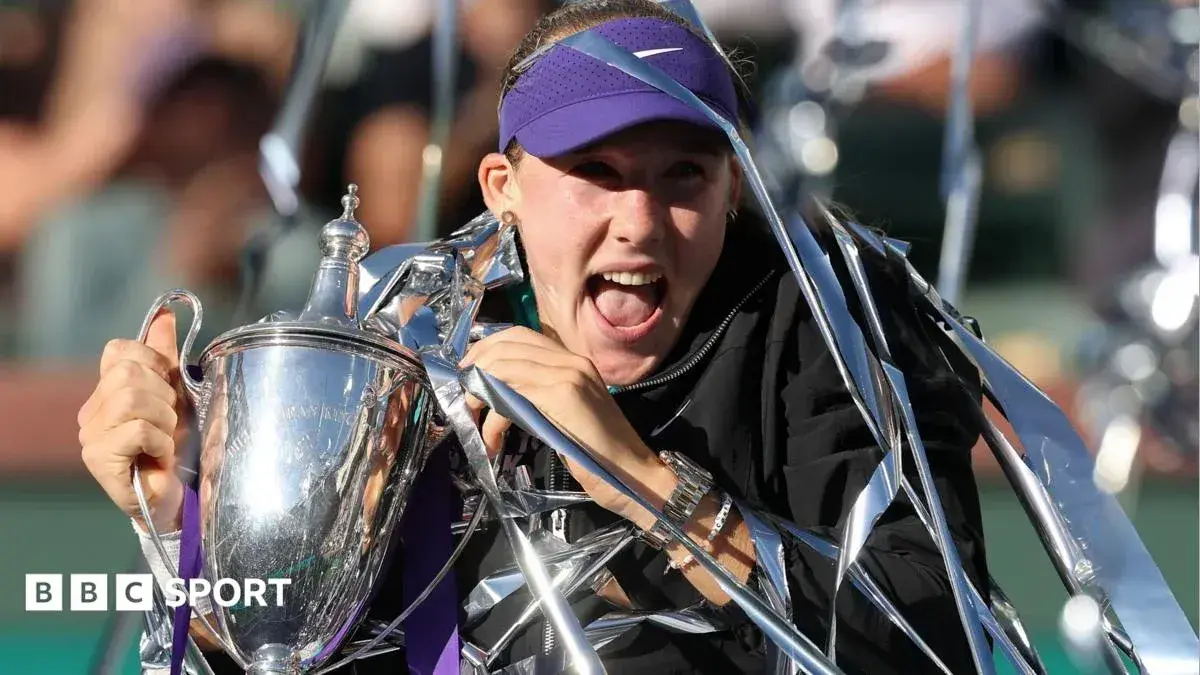
She was due to walk into the event as the woman to beat: Australian Open champion, US Open champion, year-end number one, and defending WTA Finals winner. One more trophy and she would have matched Serena Williams’ feat as the last player to win the season-ending title in back-to-back years, a standard untouched since 2014.
Instead, the defending champion will be watching from home.
“I am really sad to inform all my fans and supporters that I unfortunately have to withdraw from the WTA Finals this year,” the 27-year-old Kazakh said, confirming what had been an increasing concern in recent days. “I've had an incredible season but my body is just not physically ready to compete. I'm going to spend some time resting and recovering at home and getting myself ready for the 2027 season.”
For the field, it removes the most imposing presence on tour. For the season, it freezes one of the most dominant campaigns of recent years exactly where it stands.
A season that changed the rankings
Rybakina’s 2026 has been the year her potential hardened into rule. She claimed the Australian Open in January, added the US Open in September, and along the way picked off titles in Stuttgart and Ningbo while reaching finals at Indian Wells and Toronto.
The decisive shift came in New York. By beating Aryna Sabalenka in the US Open final, she snapped the Belarusian’s 99-week grip on the top ranking and installed herself as the new standard-bearer in women’s tennis. A month later in Tokyo, she locked in the year-end world number one, the ultimate confirmation of her rise.
This wasn’t a flash of form. It was sustained, relentless winning.
Rybakina closes the year with a 54–14 record, including a bruising 17–2 mark at the Grand Slams. Since last October she has collected six of her 15 career titles, finally backing up her 2022 Wimbledon breakthrough after nearly four years of questions about when the second major would arrive. When it came, it opened the floodgates.
Power with numbers to match
The numbers behind her dominance are as stark as the scorelines. No one has served with more authority.
Rybakina led the tour in aces with 438, a staggering 140 clear of second-placed Sabalenka. Matches turned on that shot: one swing, point over, pressure flipped. But her game this season has not been reduced to a single weapon.
She racked up 1,775 winners across 2026, more than any other player, and saved her most ruthless tennis for the biggest stages. Against fellow top-10 opponents, she posted 10 wins, a mark no one could match. The elite met her and, more often than not, walked away beaten.
That is the player the WTA Finals has lost this week: the tour’s most reliable closer, its most intimidating first strike, its most efficient big-match operator.
An empty throne in Indian Wells
Indian Wells was supposed to be both a defence and a correction. She finished runner-up there earlier in the year; now she will not even hit a ball at the same venue with the season’s richest prize on the line.
The withdrawal leaves a vacuum at the top of the draw. The champion’s chair sits empty, the Serena comparison on hold. Someone else will lift the trophy in the California desert, but they will do so without having gone through the woman who has defined 2026.
Rybakina, though, has already banked what she came for this year: two Slams, four titles, the year-end number one, and the kind of statistical dominance that announces not just a season, but an era.
The Finals will move on without her. The more pressing question for the rest of the locker room is what happens when she comes back rested, healthy, and intent on turning 2027 into something even more daunting.