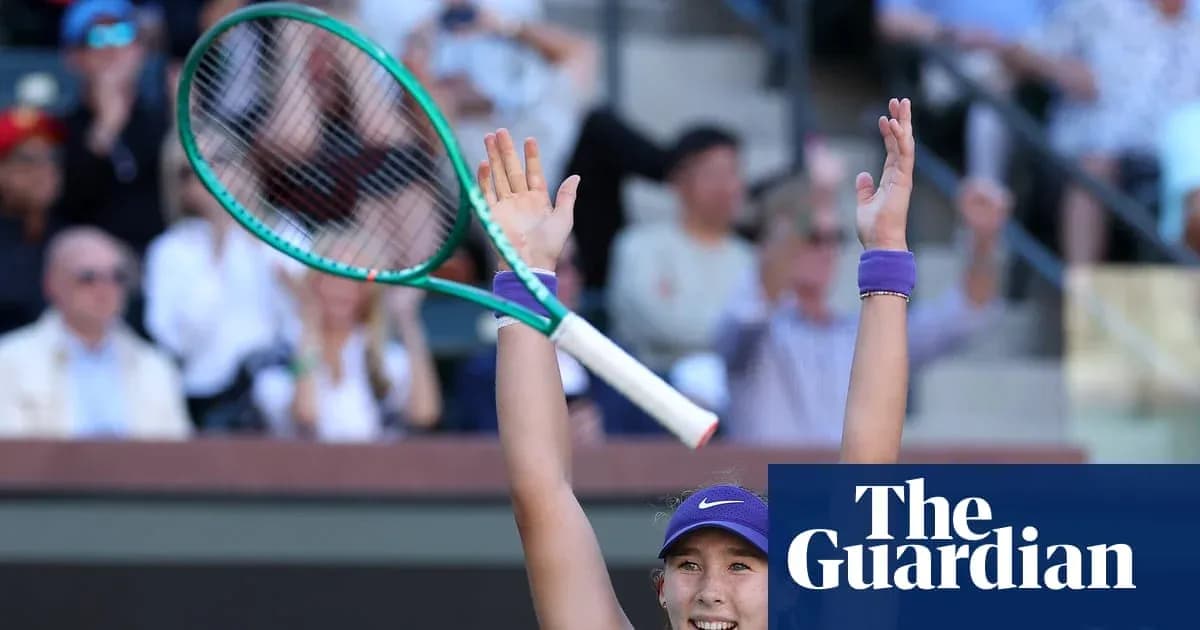
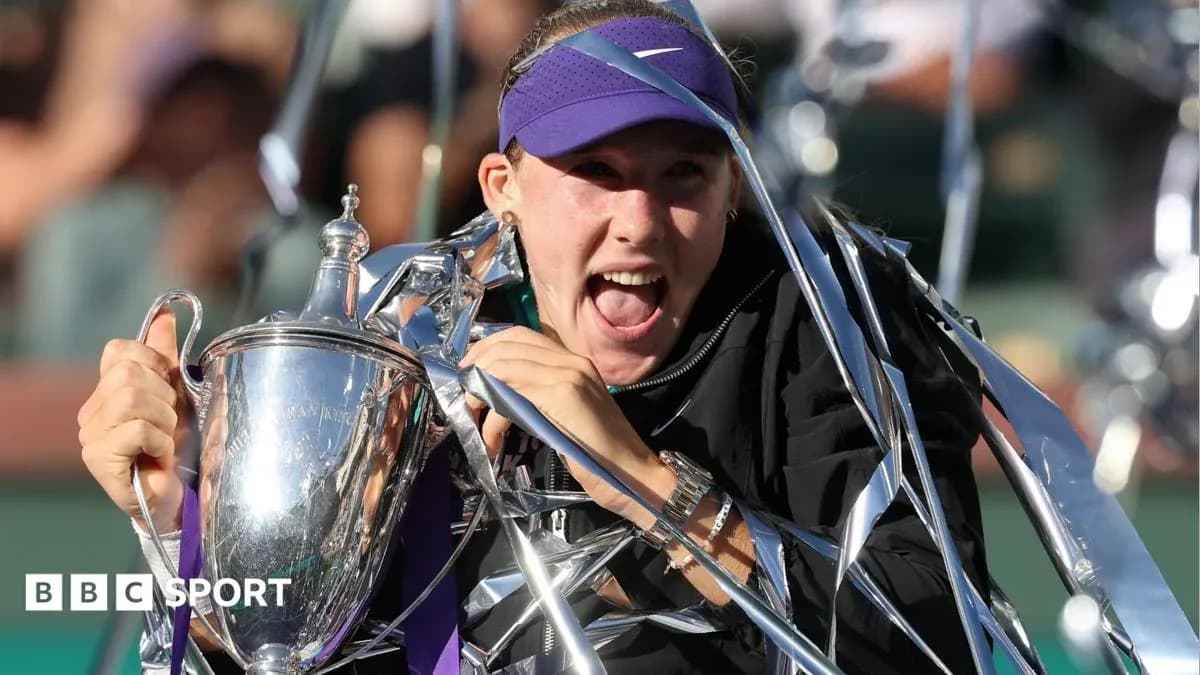
Elena Rybakina Withdraws from WTA Finals, Ending Season Early
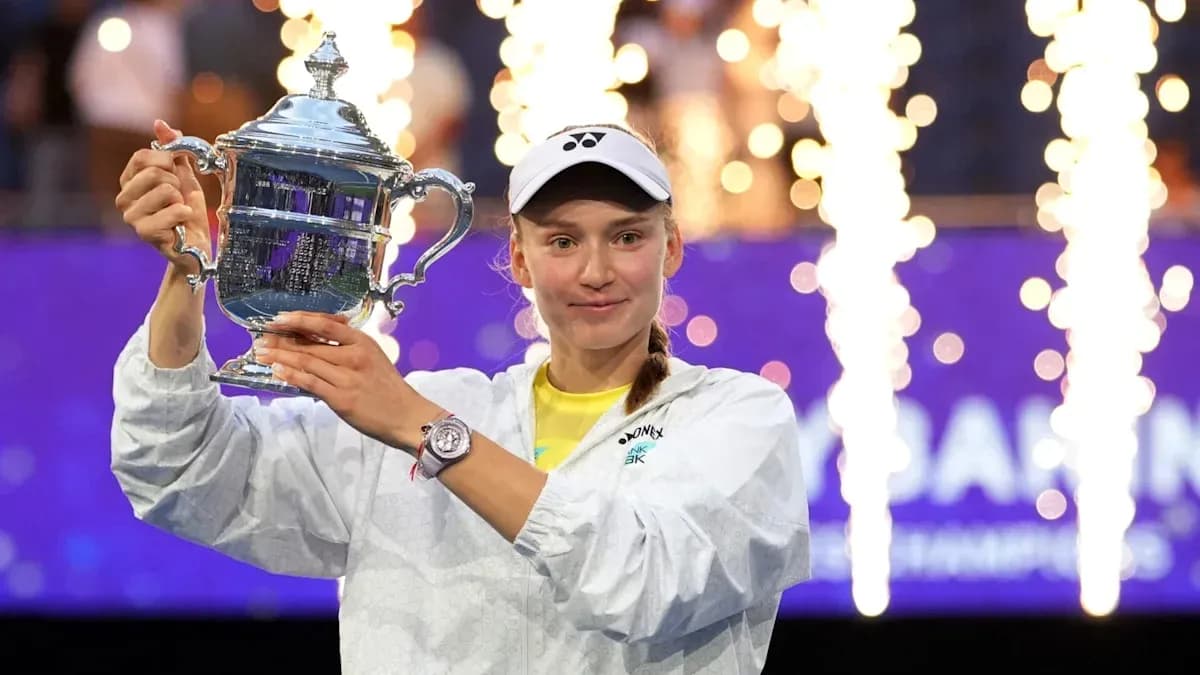
Elena Rybakina’s season ends early, and abruptly, in the only place it was still unfinished.
The World No. 1 and defending champion has withdrawn from the 2026 WTA Finals, pulling out of the year‑end showpiece after feeling unwell and postponing her scheduled press conference on Friday. The confirmation closed the door on any late recovery and underlined just how hard she has pushed her body during a career‑defining campaign.
“I’m going to spend some time resting and recovering at home and getting myself ready for the 2027 season,” Rybakina said in announcing her withdrawal.
For the tournament, it is a jolt. For Rybakina, it feels like the inevitable bill for a relentless year finally coming due.
A brutal season catches up with No. 1
Rybakina will still finish 2026 as the year‑end World No. 1, a status she locked in with a storming summer and autumn. She won two Grand Slam titles, added two more WTA trophies, and successfully defended her crown at the Ningbo Open. Across 68 matches, she compiled a 54–14 record, the kind of workload that used to be routine in the sport but now stands out against more carefully managed schedules.
The numbers tell one story. Her body tells another.
She arrived at the US Open unsure she would even step on court, hampered by a foot injury that threatened to derail her charge. She played anyway, and thrived. Later, at the Japan Open, a neck problem forced her to withdraw. Those were just the visible flashpoints in a season where she repeatedly walked the line between dominance and physical breaking point.
Rybakina has long been clear about her threshold: she competes only when she believes she can perform at a high level. If she is walking away from the WTA Finals, the conclusion is obvious. That threshold has been crossed.
Kostyuk steps in, opportunity knocks
With Rybakina out, Marta Kostyuk steps into the draw as the first alternate and will face Linda Noskova in Sunday’s opening round‑robin match.
For Kostyuk, it is a twist in a season that mirrors Rybakina’s in miniature. She, too, has pieced together a career‑best year while wrestling with injuries, fighting for rhythm and continuity between spells of treatment and rehab. Now she is handed a stage that every player wants: the year‑end Finals, with the world watching and the margins razor thin.
The dynamic of the event shifts. The defending champion is gone, the top seed removed, and a hungry challenger dropped into the mix with nothing to lose.
Withdrawals at this tournament are not new. Madison Keys exited mid‑event last year due to illness, a reminder of how punishing the calendar can be by the time the tour reaches its final stop. Diana Shnaider waits as the second alternate this year, one more name on standby in a season that has stretched many to their limits.
A field with history—and a gap at the top
Rybakina’s absence leaves a curious balance in the draw. Elina Svitolina and Coco Gauff now stand as the only former WTA Finals champions remaining, winners in 2018 and 2024 respectively. The last player to truly dominate this event was Serena Williams, who collected five titles between 2001 and 2014 and set a standard that still looms over every edition.
Rybakina had the form and the aura to begin building that kind of legacy here. Instead, her second straight title defense of the season will be remembered not for a run through the field, but for a decision to stop.
The season’s ledger, though, remains emphatic: two majors, multiple titles, the Ningbo defense, and the No. 1 ranking secured on the back of a 54–14 record. She has already shaped 2026 in her image.
Now the Finals move on without her, the door opened to new storylines and fresh claims to authority, while the sport’s leading player steps away to repair what this remarkable year has cost. The question for 2027 is not whether Elena Rybakina can come back at the top of the game—but how much higher she can still push the ceiling.