Elena Rybakina Reaches US Open Semi-Finals and World No. 1 Ranking
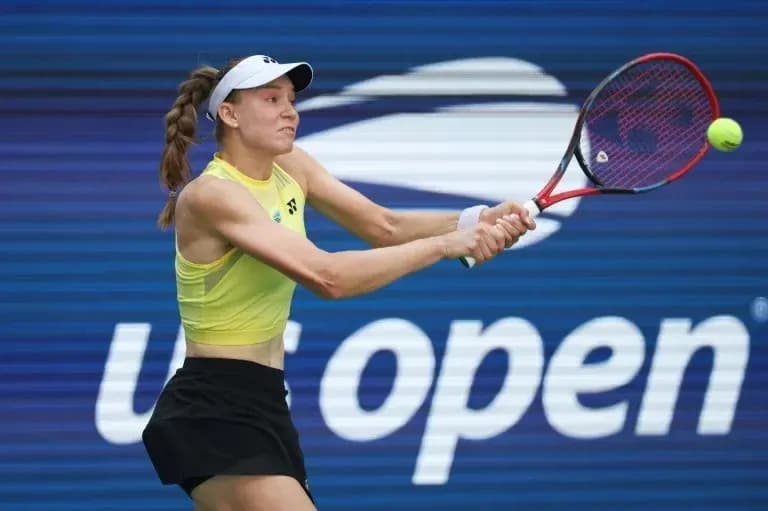
Elena Rybakina clawed her way into the US Open semi-finals on Wednesday – and straight to the top of the world.
Down a set to Olympic champion Zheng Qinwen on Arthur Ashe Stadium, unsettled by the early start and the shifting shadows, the 27-year-old Kazakh turned a ragged opening into a statement win, 3-6, 6-1, 6-4, after two hours and 14 minutes. With it, she guarantees the world number one ranking for the first time in her career, dislodging Aryna Sabalenka next week.
“It’s just a number right now,” she said on court, but the number carries history. Rybakina will become the first player from Kazakhstan to sit on top of the women’s game, the 30th woman ever to hold the WTA’s summit.
From flat start to ruthless response
Rybakina arrived with a 4-1 record against Zheng and two wins over her already this season, yet the match began on Zheng’s terms. The Chinese star, ranked 121 after an eight‑month layoff following elbow surgery, punched through Rybakina’s defenses in the opening set and looked every bit the reigning Olympic champion.
Zheng earned the first break of the match in the eighth game when Rybakina pushed a forehand into the net for 5-3. What followed was a brutal test of nerve: a 14-minute ninth game in which Zheng saved five break points. She answered Rybakina’s pressure with an ace, a backhand winner down the line and a clutch service winner, while the Kazakh’s returns leaked long and wide. On her fourth set point, Zheng drew another long forehand return and pocketed the set.
Rybakina later admitted she “didn’t start that well” and was “too much negative,” still adjusting after playing all her previous matches in New York under the lights. The day session, the shadow creeping across Arthur Ashe, the slow start – all of it grated.
But the mood shifted with one simple choice: attack.
She opened the second set with back-to-back aces, a clear change of intent. The serve, which had flickered in and out in the first set, suddenly set the tone. She held for 1-0, then broke Zheng in the next game with a forehand winner for 2-0. When Zheng pushed back and carved out a break point at 3-1, Rybakina erased it with another forehand winner and held for 4-1.
The pressure finally told. Rybakina broke again with yet another forehand winner to move 5-1 ahead and served out the set without fuss. The scoreline – 6-1 – reflected a complete reversal: the rallies shorter, the errors trimmed, the second serve punished.
A tight decider, a ruthless finish
The third set tightened into a knife-edge contest. Both players had their chances, both blinked at key moments.
Zheng, who had powered through qualifying and seven matches in New York to secure a return to the top 60 next week, refused to go away. She saved a break point in the fifth game, then pressed Rybakina in the eighth, earning a chance of her own. Rybakina held firm, saving that break point to level at 4-4.
Then came the moment that will haunt Zheng. Serving at 4-4, 30-40, she double-faulted to hand over the decisive break. After all the heavy hitting, all the lung-busting rallies, the match tilted on a single, nervy swing.
“I got a lot of chances in the third set, but I didn’t take them,” Zheng said. “Maybe when she serve second serve, I could be more aggressive sometimes and make a bit less mistake in the return. Today is just few points makes the difference.”
Rybakina did not offer her a way back. Serving for the match at 5-4, she closed the door and walked into the semi-finals – and into a new status in the sport.
A champion’s mentality, a new number one
This run comes after a disrupted build-up, with a foot injury hampering Rybakina’s preparations. On court in New York, there has been no sign of it. She has now beaten Zheng five times in six meetings, including three victories this season alone.
She also snapped a personal hoodoo at Flushing Meadows: previously 0-6 in US Open matches after losing the first set, she finally turned one around. For a player already a Wimbledon champion in 2022 and Australian Open winner this year, it feels like another box ticked in a growing résumé.
“It’s tough to find words. It was a difficult match,” she said. “I didn’t start that well… I’m glad I pushed all the negative thoughts away. I just kept telling myself: ‘Keep fighting’.”
Her win also reshaped the rankings race. Four women started the day with a shot at leaving New York as world number one. By nightfall, only Rybakina remained. Her victory ended the hopes of Sabalenka, Coco Gauff and Jessica Pegula of climbing to the top this fortnight.
Sabalenka and Pegula will now meet in Thursday’s other semi-final, while Rybakina awaits the winner of Gauff and 19-year-old Mirra Andreeva, the reigning French Open champion. Whoever emerges, Rybakina will stand across the net as the soon-to-be world number one chasing a third major title.
For Zheng, there is frustration, but also a clear step forward. From elbow surgery to an Olympic gold medal and now a US Open quarter-final run from qualifying, she leaves New York with momentum and ranking points that will reshape her season.
“That was a bit pity for me to lose this match,” she said, “but obviously I can take positive things from the US Open this year.”
For Rybakina, the positives are already etched in the record books. The ranking might be “just a number” in her words, yet it comes with a question that will define the rest of her fortnight: having climbed to the top, can she now finish this US Open as the champion of everything she surveys?