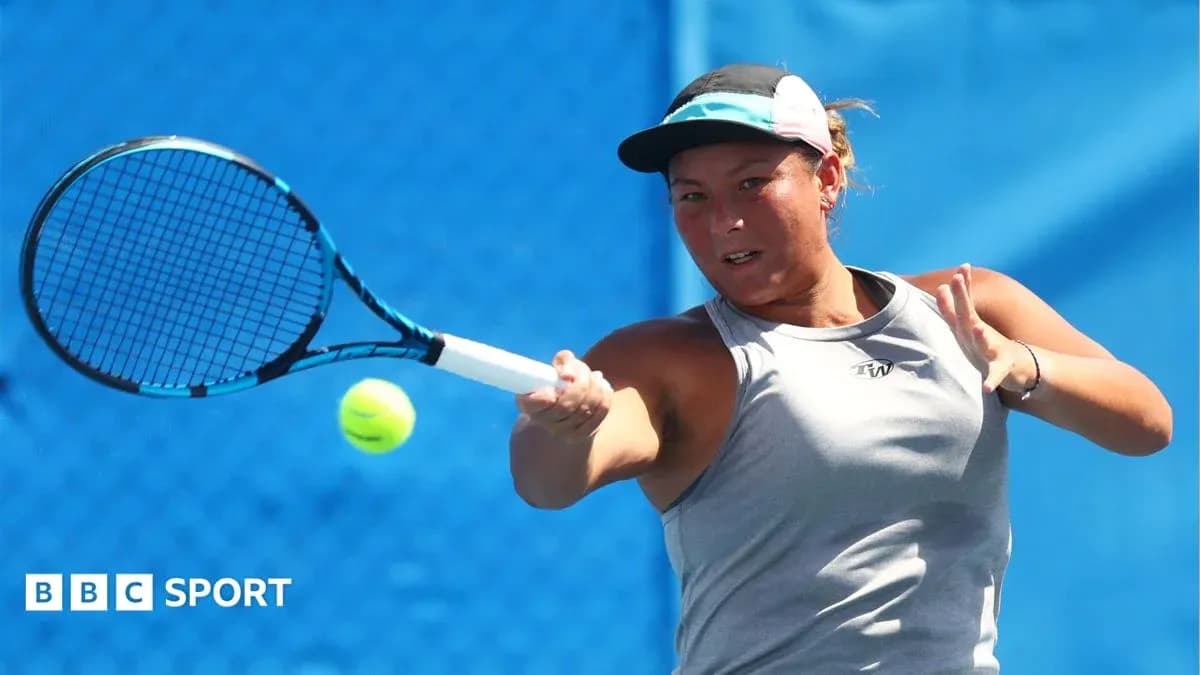
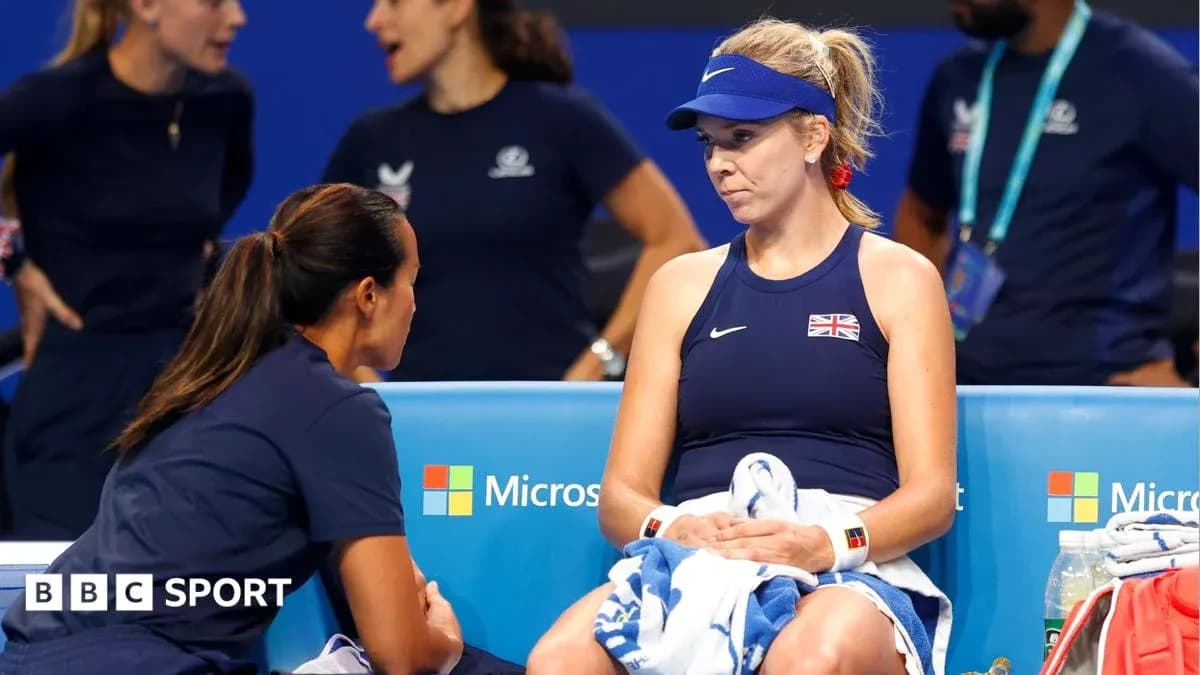
Elena Rybakina’s 2026 Season: A Legacy in the Making
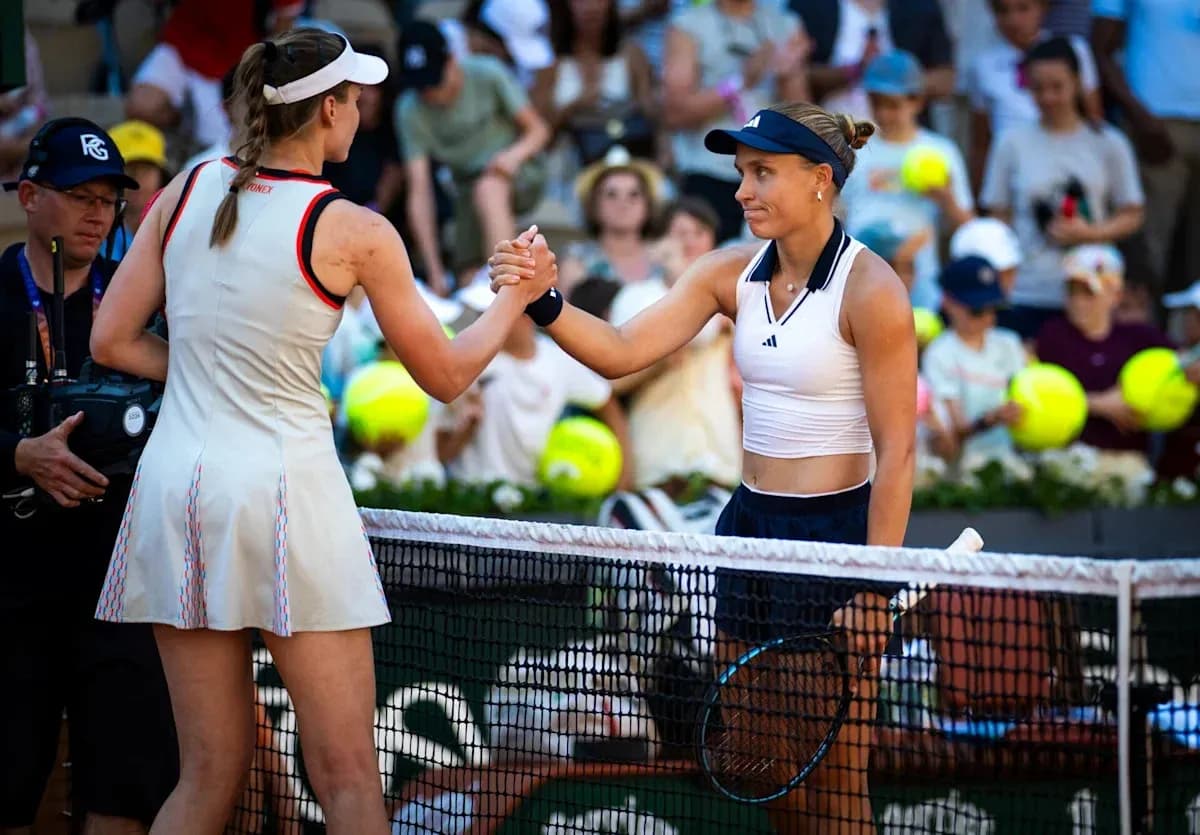
Elena Rybakina’s 2026 season now carries the weight of a statement: when the lights are brightest, almost nobody can touch her.
The Kazakh finished the Grand Slam year with a 17-2 record, capped by a ruthless run to the US Open title in New York, where she took down Aryna Sabalenka to claim the third major of her career. Add that to the Australian Open crown she lifted in January and the Wimbledon trophy from 2022, and the pattern is unmistakable. This is a player building a serious legacy on the sport’s biggest stages.
Yet the story of her year is not just about dominance. It is also about the two jolts that stopped what might have been a near-perfect season.
Clay trip and a name nobody expected
Clay remains the one surface where Rybakina still looks human. She arrived at Roland Garros this spring with reasons to believe that narrative was changing. She had collected a fifth career title on the surface in Stuttgart and punched through to the quarter-finals at the Italian Open. The movement looked sharper, the heavy ball more secure. The numbers backed up the eye test.
Her opening match in Paris suggested business as usual. She brushed aside Veronika Erjavec 6-2, 6-2, a clean, efficient start that hinted at a deep run.
Then came Yuliia Starodubtseva.
Ranked No. 55 at the time and without a single trip beyond the second round of a major, the Ukrainian walked into their second-round clash as a clear underdog on paper. She walked out with the biggest win of her career, stunning Rybakina 3-6, 6-1, 7-6(4) in one of the shocks of the tournament.
For Rybakina, it was her earliest exit at a Slam since the 2024 US Open, when a back injury forced her to withdraw. This time there was no physical caveat, no easy explanation. Starodubtseva simply held her nerve when the match tightened, and Rybakina paid for a rare lapse in control.
That victory did not instantly catapult Starodubtseva into the elite. A six-match losing streak followed, dragging her outside the top 70. But it planted something. Confidence. Belief. A sense that she could live at this level, not just visit it.
Revenge in New York
By the time the US Open rolled around, Starodubtseva had steadied herself. She pushed into the third round of a major for only the second time in her career, matching her Roland Garros breakthrough. Waiting there, almost inevitably, was Rybakina again.
This time, the script flipped.
Rybakina edged a tense first-set tiebreak 8-6 and then pulled clear, closing out a 7-6(6), 6-3 win that felt as much about restoring order as it did about reaching the second week. It was a measured, controlled performance, the kind of response you expect from a multiple Grand Slam champion stung by a previous defeat.
From there, she did not look back. That victory over Starodubtseva became one more stepping stone on the way to the title in New York, where she outlasted the field and took down Sabalenka to finish her hard-court Slam season unbeaten.
Starodubtseva, though, did not leave empty-handed. Her run to the third round in New York, on the back of that Paris upset earlier in the year, will push her into the top 50 for the first time in her career. She is set to rise to a new high of world No. 43, a tangible reward for a season that has swung from slump to resurgence.
The other crack in the armour
If Starodubtseva delivered the first blow to Rybakina’s Grand Slam record this year, Elise Mertens landed the second.
Wimbledon is Rybakina’s natural habitat. She is a former champion there and routinely mentioned among the favourites when the draw comes out. Grass rewards her first strike, her clean timing, her calm under pressure. Most opponents walk on Centre Court against her knowing the odds.
Mertens did not seem to care.
Seeded 25th, the Belgian carried a poor head-to-head into their third-round meeting, having lost seven of eight previous encounters with Rybakina. The numbers suggested another routine win for the former champion. Instead, the match turned into one of the surprises of the tournament.
Mertens edged a tight first set in a tiebreak, 7-6(4), then raced through the second 6-1. Rybakina, usually so composed in big moments on grass, never quite found her usual rhythm. The exit was abrupt, and it left a rare gap in her Wimbledon record.
Yet the response was emphatic. She absorbed the disappointment, recalibrated, and then stormed through the US Open draw to close the Grand Slam season with her best-ever major tally.
Two losses. One on clay to an unheralded Ukrainian making her name. One on the lawns of Wimbledon to a seasoned campaigner who finally flipped a lopsided rivalry.
Everything else? Wins, trophies, and the growing sense that if you want to stop Elena Rybakina at a Slam in this kind of form, you will need the match of your life.