Djokovic's Shocking Defeat at US Open: A New Era for Navone
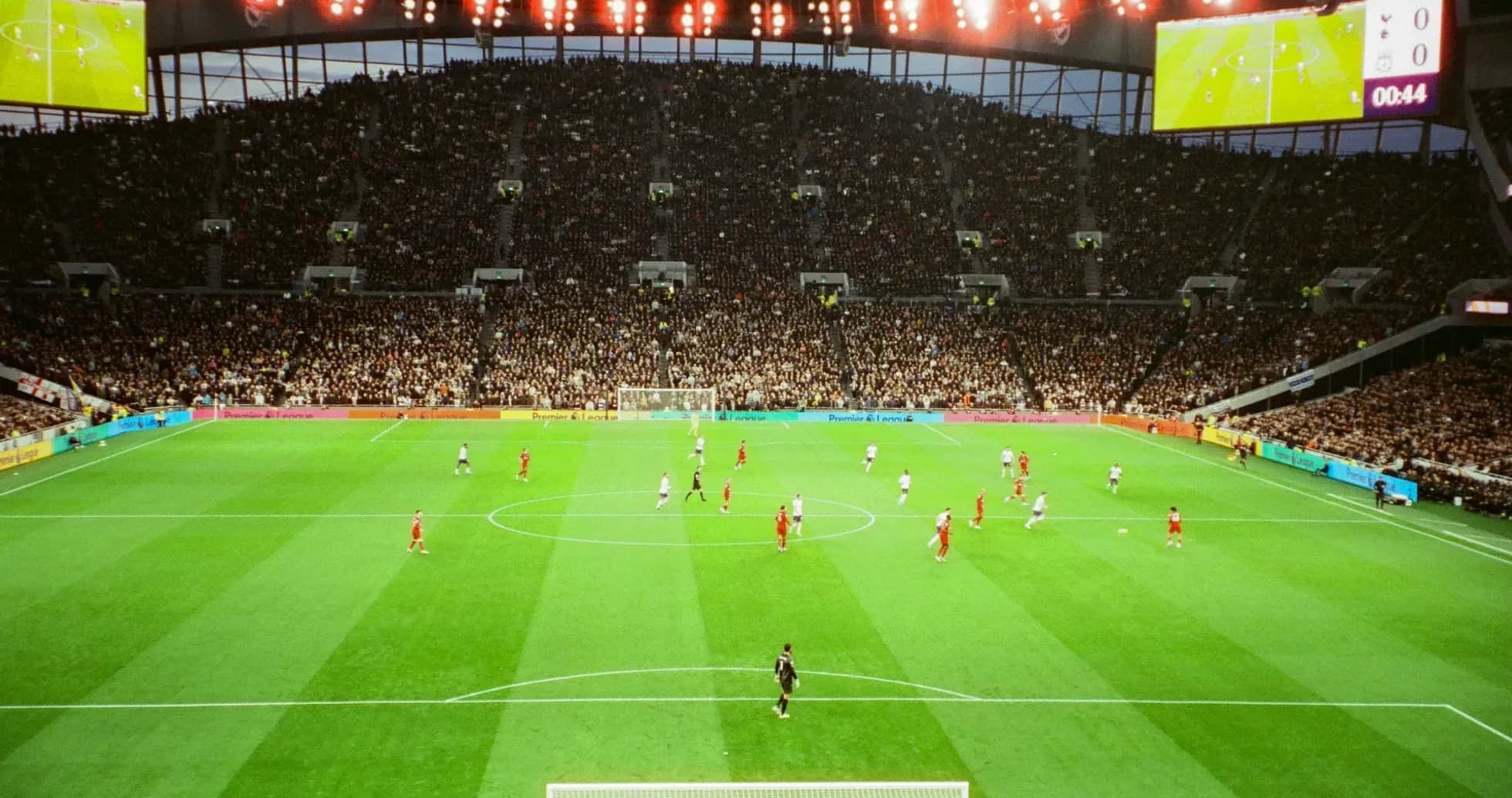
NEW YORK — For 30 minutes, Arthur Ashe Stadium watched a familiar script. Novak Djokovic glided, dictated, led 3-0, then 4-1, and it felt like the old inevitability was back under the New York lights.
Then the greatest Grand Slam winner in men’s history began to unravel.
Lethargic between points, trudging to his chair, taking pills, vomiting, stretching out a body that refused to cooperate, the 39-year-old looked a shadow of the player who lifted this trophy in 2023. By the end of a four-hour, 36-minute ordeal, his 78-match winning streak in Grand Slam first rounds lay in pieces, and so did his US Open.
Mariano Navone, the world No. 49 and one of 11 Argentine men in the draw, authored the shock of the tournament’s opening days, winning 7-6(5), 5-7, 4-6, 6-2, 6-1 to hand Djokovic his first opening-round defeat at a major since the 2006 Australian Open.
This time, there would be no recovery, no late escape, no familiar surge. Just a slow, painful collapse.
A legend fades, a newcomer rises
Djokovic had never lost in the first two rounds at the US Open, arriving with a 37-0 record in that stretch. On center court, in the stadium where he has claimed four titles, he started as if he might cruise again. The early lead in the first set suggested routine business: clean hitting, early breaks, a restless opponent across the net.
Then the errors came.
Djokovic’s game grew ragged. Unforced errors piled up on almost every return game. Navone sensed the opening, broke twice to claw back from 1-4, and rode a growing wave of confidence. At 4-4, a thunderous ace from the Argentine underlined the shift. The tiebreak confirmed it.
Djokovic’s level dipped further there, his misery sealed when he dumped a return into the net to surrender the set. Ashe, so often the stage for his dominance, watched something very different: a champion fighting not just an opponent, but his own body.
Navone knew exactly what this meant.
“(It) was very tough for me because you are playing with the ‘GOAT’ on this court,” he said on court afterward. “For sure it’s the best thing I’ve had on court. This is an amazing court and the biggest stage. It’s amazing, the way we play. I mean, five sets. … I’m very happy. I don’t know. What can I say?"
Djokovic fights, then breaks
The second set turned into a serving duel. Neither man earned a break through the first 10 games, rallies stretching long and physical, Navone dragging Djokovic into exchanges of more than 20 shots. The Argentine’s legs held. Djokovic’s did not always look like they would.
Still, the old competitor flickered back to life. At 5-5, Djokovic surged, stringing together eight straight points to steal the set and wrest back momentum. He rode that surge into the third, finding another gear just long enough to snatch the final two games and the set, 6-4, then implored the Ashe crowd to lift him higher.
The stadium responded. Djokovic, somehow, had turned a one-set deficit into a two-sets-to-one lead. On paper, the match had tilted his way.
On the court, his body told a different story.
He vomited during the third set, a grim echo of his second-round loss to Thiago Agustin Tirante in Cincinnati earlier in the month. His movement stiffened. The service motion tightened. The rallies that had once been his playground became punishing.
“I think it was obvious that it was an awful feeling on the court for me. It's something that I've been carrying, unfortunately, pretty much every match this year," Djokovic said later. “You know, vomiting, throwing up, a serious issue there. Then my whole body, you know, starts to collapse, basically cramping and pain. Yeah, the back just gave up in the end and shoulder, and I couldn't close it out, you know?
“I was a break up in the fourth, but just struggled all the way since the fourth game of the match. Again, I don't want to take too much out of his win. Congrats to him. He's a nice guy, a fighter. But, you know, I didn't enjoy myself.”
Navone keeps coming
The pressure finally told in the fourth set, and it wasn’t Djokovic applying it.
Navone, who had already forced Djokovic into 70 unforced errors by the end, kept hammering away. He didn’t fully capitalize on all his chances — just six breaks from 17 opportunities — but he took the one that mattered most in the fourth, seizing control of the set and, with it, the match.
From a break down, he flipped the script. Djokovic’s energy drained. The rallies he once used to wear down opponents now sapped his own legs. Navone’s belief hardened.
The fourth set went 6-2. The fifth, even more brutal: 6-1.
By then, Djokovic was barely hanging on. His return on match point floated tamely across the net, inviting a simple reply. Navone put it away. Djokovic could only watch.
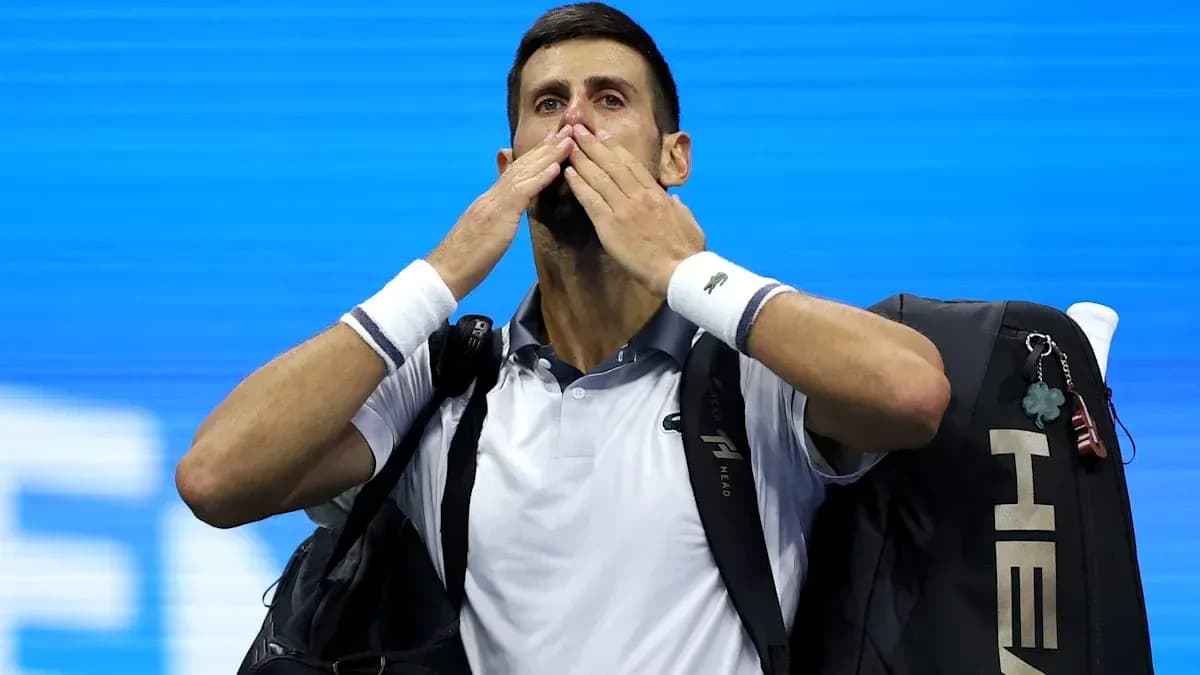
No roar. No trademark defiance. Just a stunned hush around Ashe as the fourth seed walked off, his US Open over before it had even begun to take shape.
A historic upset, a lingering question
For Navone, this is already a career-defining fortnight. The Argentine made history earlier this year by becoming the first man in the Open Era to be seeded in his Grand Slam main-draw debut at Roland Garros. Now he has a win over the sport’s most decorated major champion on its biggest stadium court.
Next, he faces the winner of Matteo Berrettini vs. Stan Wawrinka in the second round on Sept. 2. Another big name awaits. Another big stage, too.
For Djokovic, the conversation shifts to something more uncomfortable than a missed forehand or a bad day at the office. He is chasing a 25th Grand Slam title that has begun to feel strangely elusive, and he is doing it while battling a physical issue he admits has been with him “pretty much every match this year.”
The result in New York doesn’t just end a streak. It raises a harsher, unavoidable question: how many more of these nights does he have left?