Djokovic’s Legacy: Influence on Sinner and Alcaraz
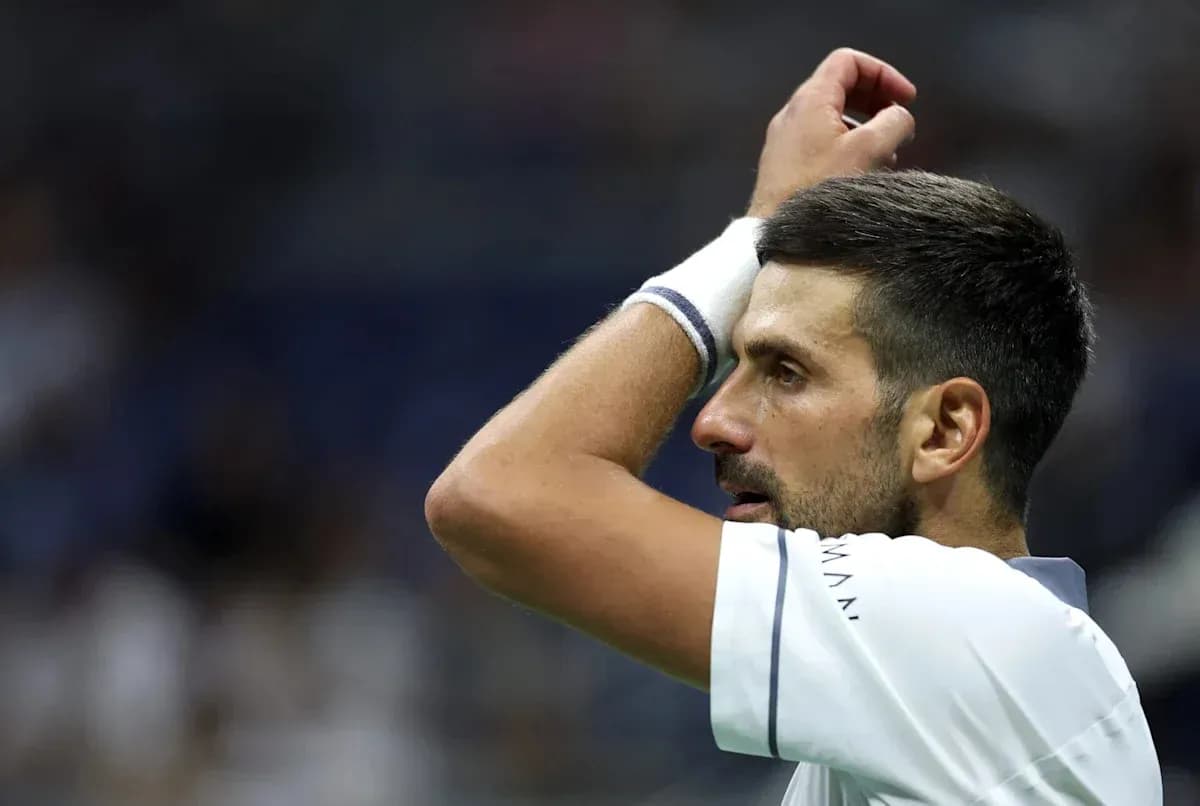
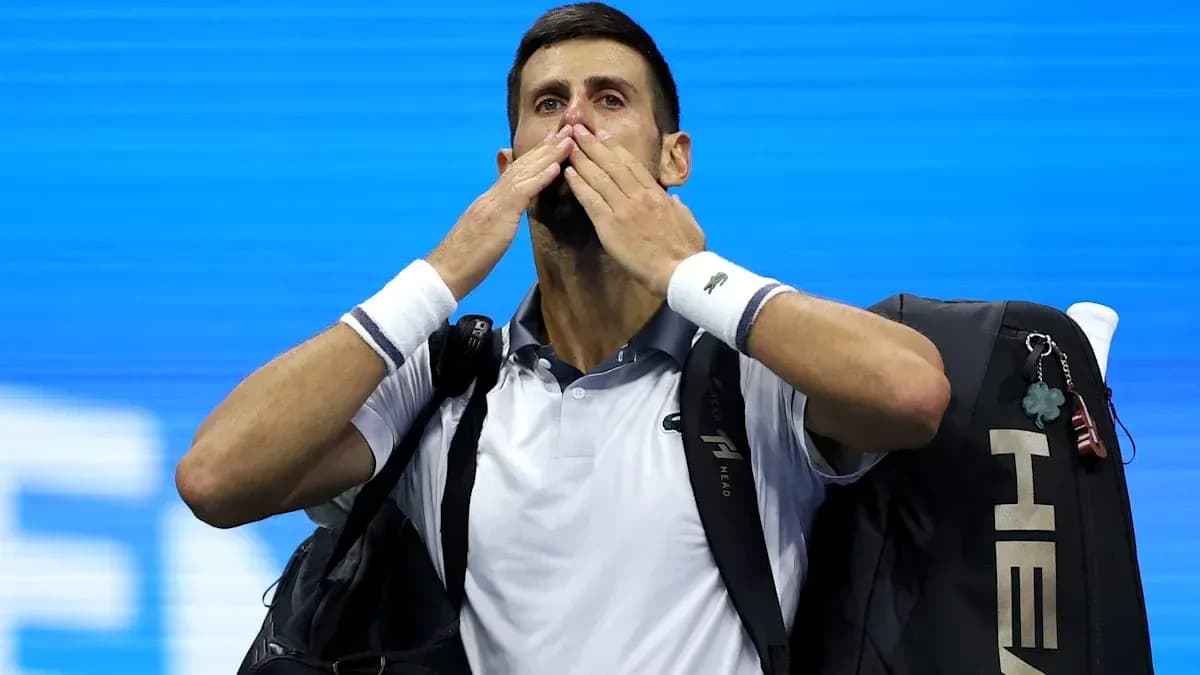
Novak Djokovic has spent a career bending tennis history to his will. Records, rivalries, reinventions – he has done it all. Now, at 39, he is trying to define something less tangible: his legacy in the strokes and tactics of the players who came after him.
Even as his results have dipped by his own towering standards, Djokovic is still trading blows with the sport’s new ruling class. He owns a win over Jannik Sinner in 2026 and pushed Carlos Alcaraz hard in an Australian Open final that underlined just how stubbornly he refuses to fade. The age gap is stark; the competitive edge is not.
It is his latest attempt to frame that generational handover that has stirred the debate.
Djokovic’s claim: Sinner and Alcaraz as heirs to his style
Speaking with Kevin Hart in a clip released from the comedian’s podcast, Djokovic reflected on the way the modern game looks and where he believes his fingerprints lie. He suggested that both Alcaraz and Sinner had, in part, modelled their play on his own, presenting it as evidence of his influence on the sport.
The intention, by all accounts, was not to diminish the young stars. Djokovic spoke with pride about the idea that the patterns he helped normalise – the elastic defence, the depth, the backhand as a weapon, the return as a launchpad – have shaped how the next generation competes.
On Sinner, the comparison is easier to trace. The Italian’s rock-solid baseline game, his ability to absorb and redirect pace, his improved movement and court coverage – they sit closer to Djokovic’s blueprint, even if filtered through Sinner’s own flat, ballistic ball-striking.
Alcaraz comparison sparks backlash
Alcaraz, with his explosive forehand, frequent net forays and taste for chaos, is often seen as a fusion of several greats rather than a direct stylistic descendant of one. So when Djokovic spoke of the Spaniard in the same “they copied my style” breath as Sinner, some fans bristled.
One supporter on X captured the reaction from a section of the tennis public, writing: “I'm genuinely lost for words at this point. I'm being totally serious here. I don't know what to say.”
That post summed up the sense among critics that Djokovic had overreached, at least in Alcaraz’s case. To them, the 21-year-old is less an echo of Djokovic and more a disruptive force with a wild, hybrid game of his own.
The discussion cuts to the heart of how a great champions his own era while watching the next one bloom. Djokovic is still out there, trading sets with players nearly half his age, still reaching finals, still refusing to slip quietly into the background. He sees elements of himself in the men trying to take his throne and, in Sinner’s case, the parallels are hard to ignore.
With Alcaraz, though, the argument is already raging: are we watching a successor shaped by Djokovic’s dominance, or a rival who has broken the mould entirely?