Coco Gauff Advances to Fourth Round at US Open
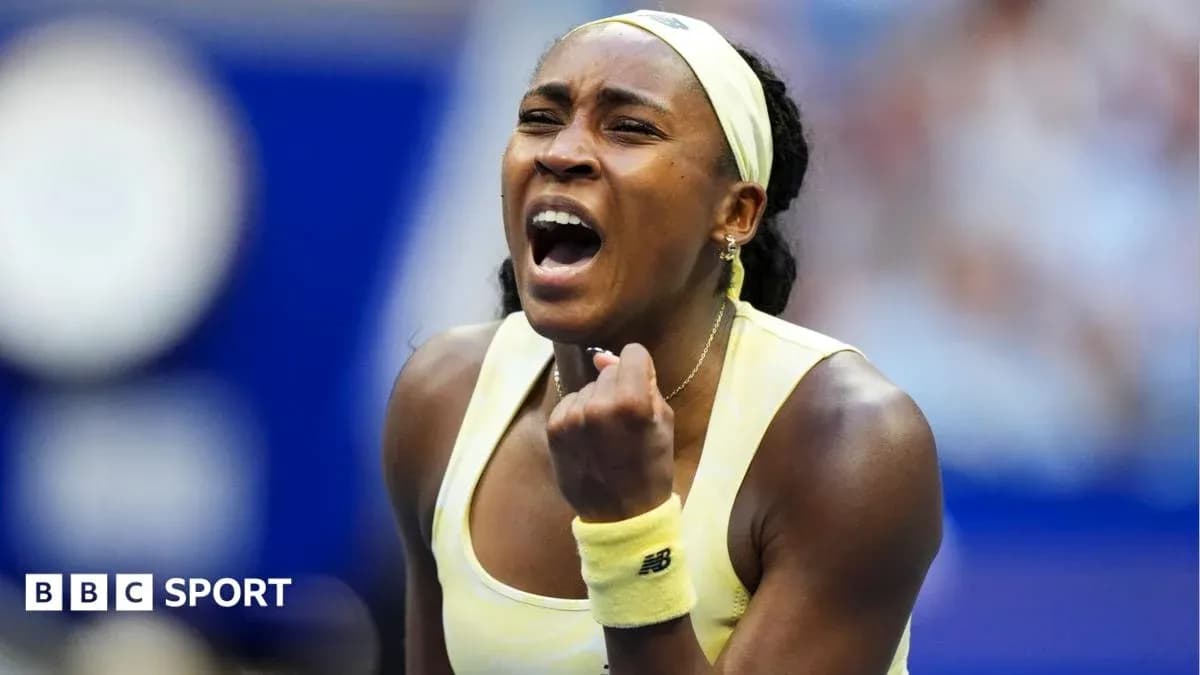
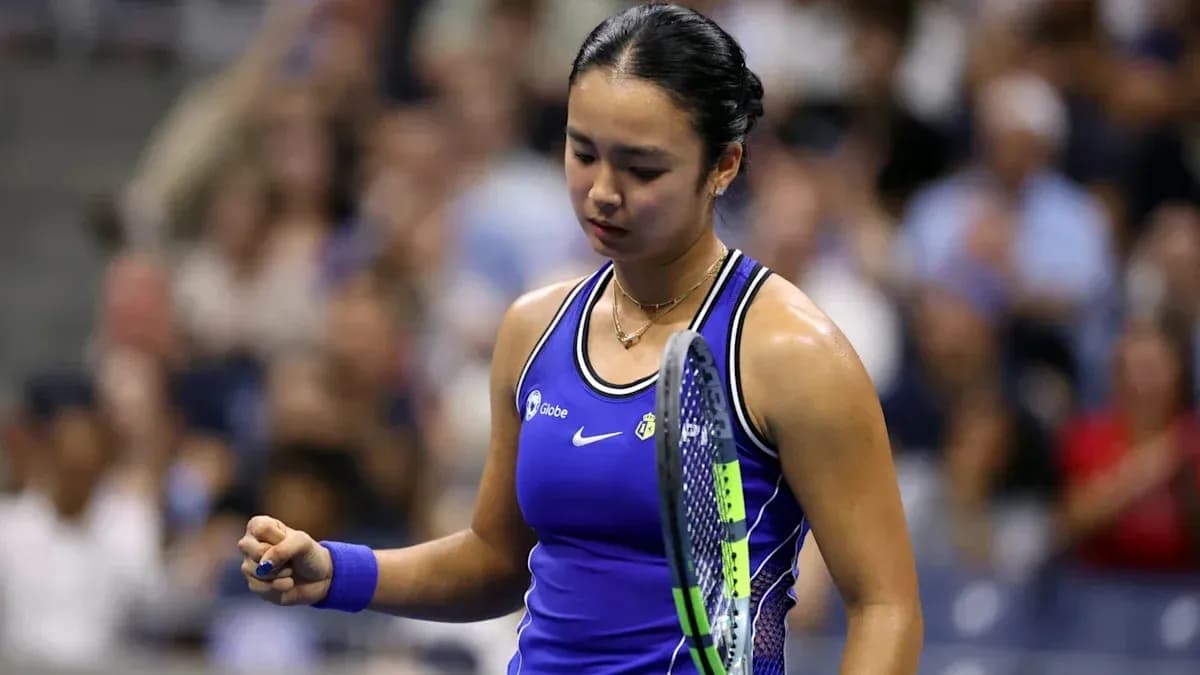
Coco Gauff steadied herself, then surged. On a day when American hopes scattered across the grounds at Flushing Meadows, the defending US Open champion did what she increasingly does on this stage: she absorbed the noise, the nerves, the early stumbles – and won.
The 22-year-old moved into the fourth round with a 6-3 6-4 victory over Spain’s Cristina Bucsa, a scoreline that looked routine only on paper. She trailed 3-1 in the opening set, was broken to love in the second, and still walked off with another straight-sets win, her eighth in a row at WTA Tour level.
The pressure used to feel suffocating here. Now, it looks like fuel.
“I feel like I'm used to getting to the second week now. I woke up today and I was like ‘oh we're already in round three’,” Gauff said, sounding more amused than anxious. “There's expectations, being American, and I want to do well in front of the fans. Last year, I put so much pressure on myself. I'm enjoying the experience out here.”
This is her fifth straight year in the second week of her home major. The fourth round has been the ceiling in the past two editions, a stage where the weight of expectation seemed to close in. This time, she arrives as the form player in the women’s game, a US Open champion and 2025 French Open winner, no longer the teenager chasing Serena Williams’ shadow but the standard-bearer others are trying to catch.
The crowd on Arthur Ashe Stadium sensed the shift. When Bucsa jumped ahead in the first set, there was no panic, just a low murmur of impatience. Gauff tightened her patterns, found depth, and reeled off five of the next six games. When she was broken to love early in the second, she hit back immediately. No long slump, no spiralling. Just a reset, and a response.
While Gauff pushed on, the American story elsewhere took a darker turn.
Keys’ collapse stuns home crowd
On another court, Madison Keys stood on the brink of her first US Open fourth round since 2023. She led Olympic champion Zheng Qinwen 5-0 in the deciding set, had match point, and seemed to be cruising towards a statement win over the 2025 Australian Open champion.
Then the match turned into a nightmare.
Keys lost seven straight games in a 1-6 7-6 (7-3) 7-5 defeat that left the crowd stunned and the 31-year-old brutally honest about what unfolded in her head.
“I obviously got off to a really good lead, and then I got really scared, like I couldn't swing [the racquet],” she said. “I felt like I couldn't play tennis anymore. It just felt like it was a much bigger deal than just playing a tennis match all of a sudden.”
The tension was visible as Zheng chipped away at the deficit, game by game. Keys, a former finalist here in 2017, tightened. The forehand that had carved open the court early in the third set deserted her. The shoulders grew stiff. The racquet looked heavy.
By the time Zheng completed the comeback, Keys’ season-long frustration spilled into the open.
“I feel like I've been struggling for a while now. I'm going to have to make some sort of changes,” she admitted. “I just kind of keep putting it off because that's how the tennis world works. It's just to the point where I actually need to do something about it.”
For a player who reached the fourth round at all three other majors in 2026, this one will sting more than most. The opportunity was there. She watched it vanish, point by point.
Anisimova’s run ends with more frustration
Amanda Anisimova, last year’s runner-up to world number one Aryna Sabalenka, never found similar drama or redemption. Her campaign ended with a flat, fractured performance in a straight-sets loss to Russian-born Austrian 24th seed Anastasia Potapova.
The 25-year-old American cut a frustrated figure throughout, berating herself as her serve repeatedly broke down. She dropped serve twice in the first set, then four more times in a second set that lurched one way and then the other without ever truly swinging back in her favour.
Where Gauff looked increasingly comfortable in the chaos of a home slam, Anisimova seemed trapped inside her own irritation. Potapova didn’t need brilliance; she just had to be solid and present while Anisimova’s game frayed at the edges.
Home hopes still alive – and building
The day ended with a split-screen for American fans: reassurance on one side, regret on the other.
Gauff’s progress anchors what could still become a powerful home charge. She is already joined in the last 16 by Jessica Pegula, Taylor Townsend and Emma Navarro, with teenager Iva Jovic aiming to add her name to that list and give the hosts five women in the fourth round.
The men’s draw offers even more potential for a stars-and-stripes surge. Ben Shelton, Frances Tiafoe, Tommy Paul and Alex Michelsen are already through, with Learner Tien and Michael Zheng still to play and the possibility of Americans featuring in six of the eight fourth-round matches.
For now, though, this US Open still feels like Gauff’s tournament to define.
She arrived as the most recent American champion in New York, the first home teenager since Serena in 1999 to lift the trophy when she broke through three years ago. She now returns to the same stage older, sharper, and visibly more at ease with the storm that follows her.
The second week used to be the pressure point. This year, it might be where she starts to pull away from the pack.