Coco Gauff Dominates Iva Jovic to Reach US Open Quarterfinals
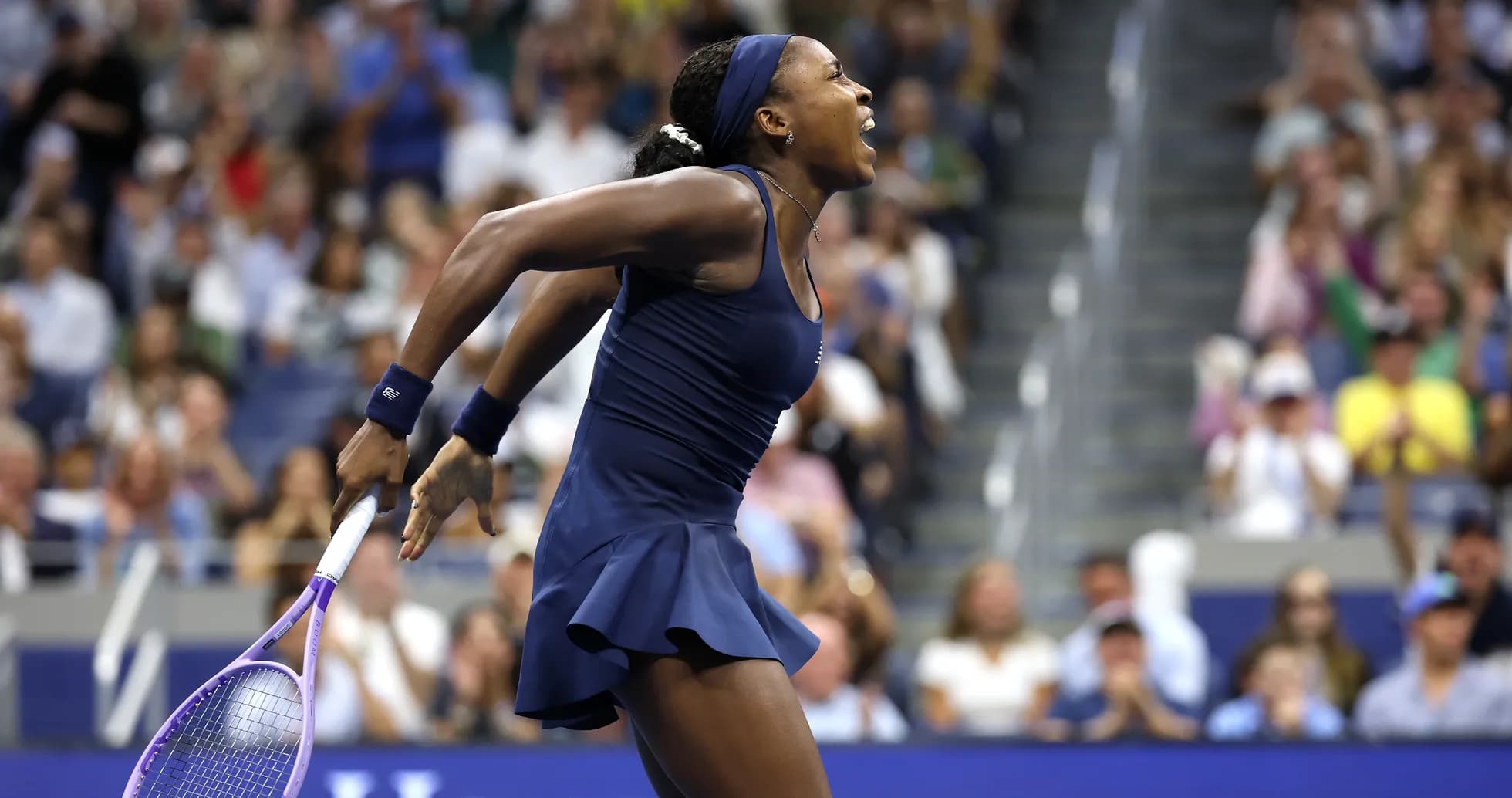
NEW YORK – Coco Gauff walked back into a place that now feels like home territory: the second week of the US Open, under the lights and the weight of expectation, and made it look almost routine.
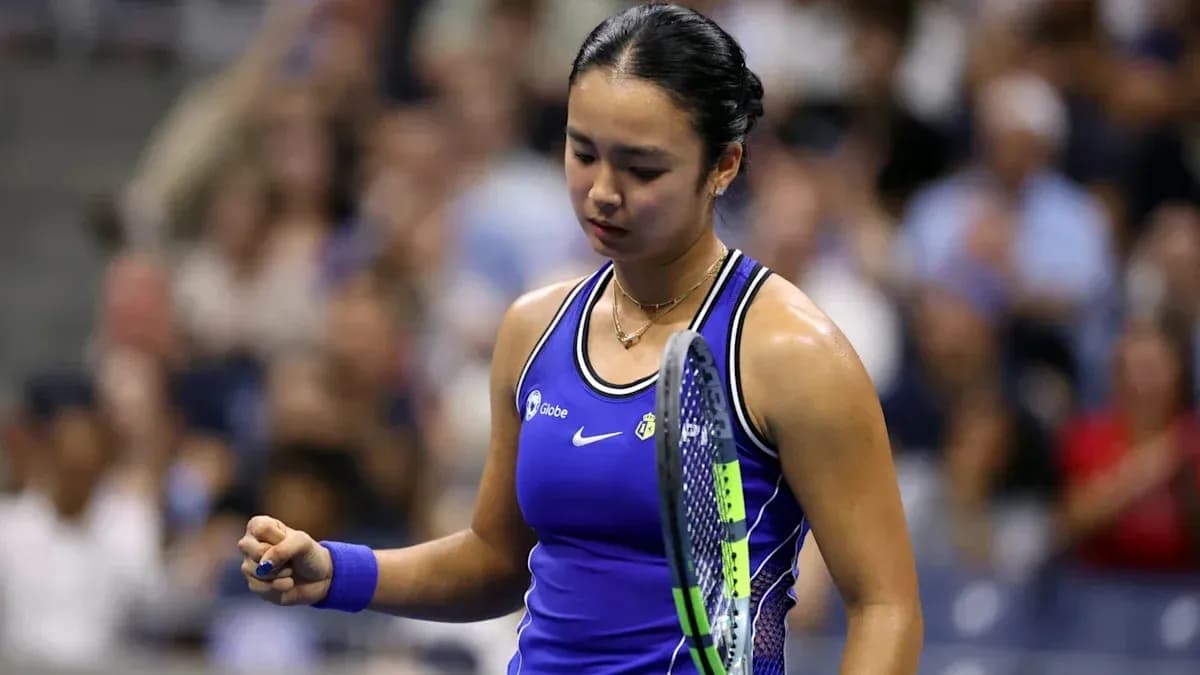
The defending champion needed just 1 hour and 33 minutes to dismiss fellow American Iva Jovic 6-1, 6-4 on Arthur Ashe Stadium, stretching her winning streak on the WTA Tour to 10 matches and her run of consecutive sets to 20. The numbers say dominance. The body language said comfort.
This is her 12th Grand Slam quarterfinal. At 20 years old.
A champion who now expects to be here
Gauff spoke afterwards with the calm of someone who has stopped treating the last eight of a major as rare air.
She didn’t dress it up. For her, a Grand Slam quarterfinal is no longer an event to tiptoe around; it’s the standard she has set for herself. She talked about walking that tight line between appreciating the stage and refusing to be overwhelmed by it, about understanding that thousands of players would kill for this spot while also acknowledging she has earned the right to feel at home in it.
That mindset is starting to mirror her tennis. The panic that once crept into her game in big moments is giving way to a clearer, sharper edge.
From Rome battle to New York control
When these two met in Rome earlier this year, it was a scrap. Gauff had to drag herself through 5-7, 7-5, 6-2 in the Round of 16 before going on to reach the final, where she lost to Elina Svitolina. Jovic pushed her then, especially on clay, where rallies lengthen and doubts can linger.
Arthur Ashe told a different story.
Gauff opened the match by dropping serve, but that was the last time she looked vulnerable in the first set. The response was ruthless: six straight games, a 6-1 set in just under 35 minutes, and a run where she won 25 of 30 points from midway through that opener to 0-30 early in the second. She took time away from Jovic, took rhythm away, took belief away.
Jovic, who had come into this stage with momentum and ambition, left the court in tears, undone by a serve that never truly settled. She won only 45% of points on her own delivery, a number that simply doesn’t survive against a returner of Gauff’s intensity.
A second set with a flicker of danger
The match threatened to tilt, briefly.
Gauff went up a break in the second set, only for Jovic to claw back to 3-3, finally finding a bit of freedom in her groundstrokes and a touch of looseness in her shoulders. The crowd sensed the shift. So did Gauff.
The pressure finally told on Jovic again at 5-4. Gauff tightened the screws, earned the break, and with it the chance to serve for the match. That was the difference between the two: when the scoreboard tightened, Gauff elevated.
She spoke about that afterwards, about the importance of playing her best tennis when the points grow heavier, when an opponent starts to swing more freely. She admitted she’d prefer to grab a break and never let it go, but she also acknowledged the reality of the sport: momentum swings, leads disappear, and the best players learn to leave missed chances behind, not drag them into the next game.
Her focus now is almost clinical. Lost opportunities are not scars; they’re information. Adjust, move on, trust you’ll get another look.
Andreeva awaits – and a familiar pattern
Next comes Mirra Andreeva in the quarterfinals, a matchup that already carries a little history.
Gauff has never lost to the 17-year-old in five meetings. Four of those came on clay, where Andreeva’s feel and variety usually thrive. The one hard-court clash? Right here, at the US Open in 2023. Gauff won that, then went on to lift the trophy.
Head-to-heads can deceive, but they tell part of the story. Gauff knows Andreeva’s patterns, knows the questions the young Russian will ask, and has answered them every time so far. Andreeva, for her part, has grown since those early meetings and will not arrive on Ashe to make up the numbers.
For Gauff, though, this is exactly where she expects to be: in the final eight of a Slam, defending a title, playing with the confidence of a champion who no longer sees this stage as a ceiling.
The question now isn’t whether she belongs here. It’s who, if anyone, can stop her before the trophy ceremony comes back around.