Coco Gauff's Remarkable Comeback in US Open Quarter-Final
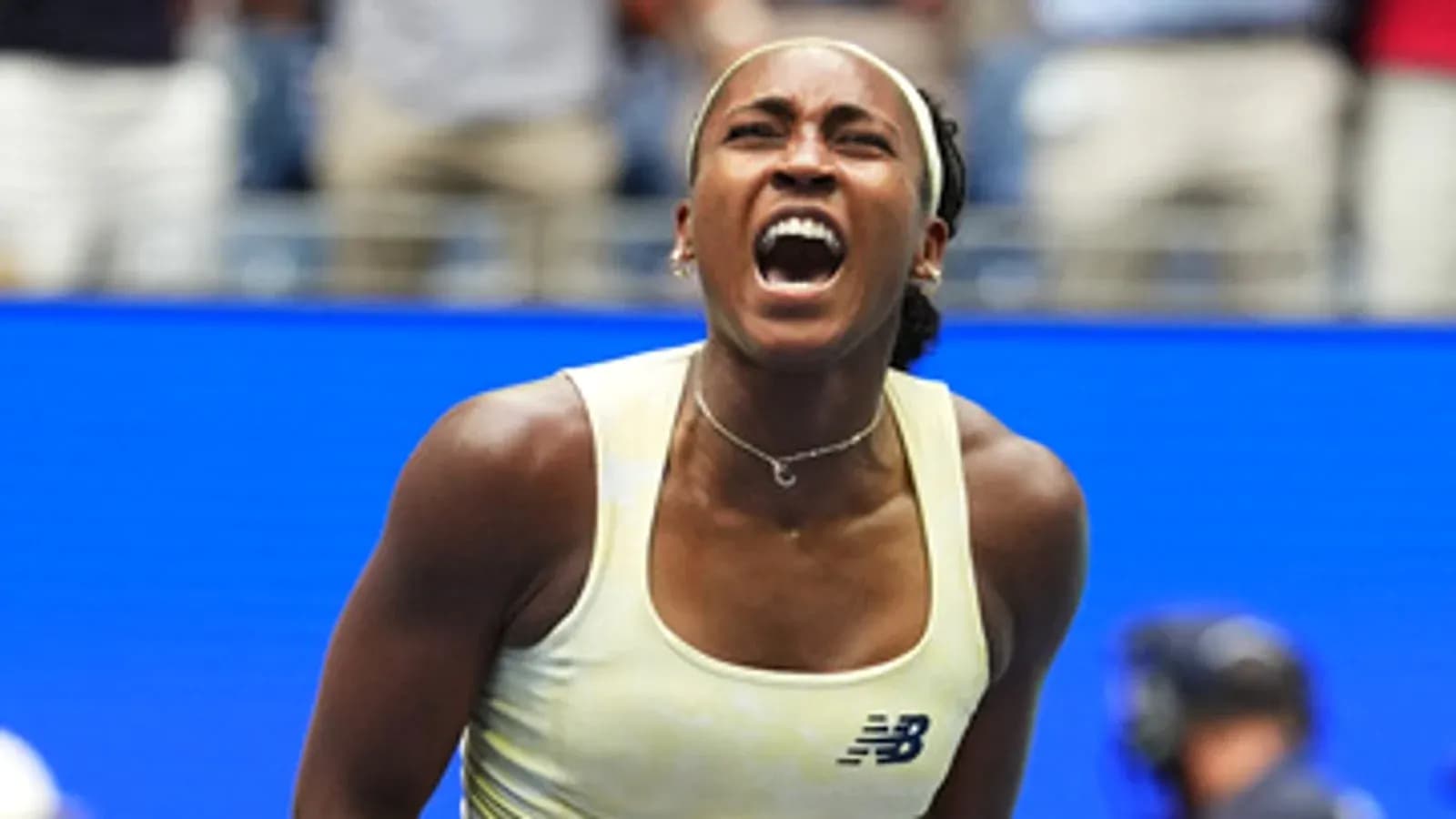
Coco Gauff walked to her chair after 26 brutal minutes with the Arthur Ashe crowd murmuring in disbelief. The defending US Open champion looked rattled, her serve leaking points, her forehand flying long, and a teenage rival dictating everything.
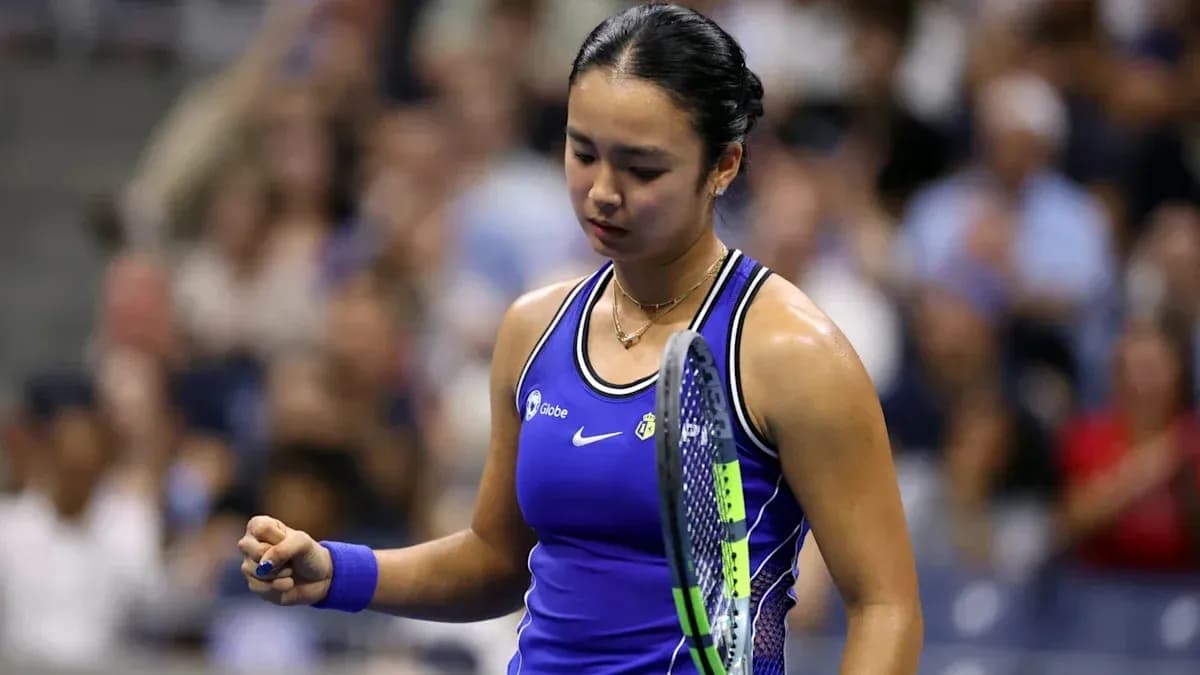
By the end, she was punching the air, having dragged herself back from the brink, saved two match points and ripped the match away from Mirra Andreeva to reach the semi-finals – and a showdown with the new world No 1, Elena Rybakina.
From meltdown to miracle, Gauff survived 2-6 7-6 (7) 6-2 in a quarter-final that veered from ugly to unforgettable.
Gauff on the ropes
The opening set was a car crash for Gauff. Her game, usually built on intensity and clarity, simply fell apart. She hit only three winners. She sprayed 14 unforced errors. The serve, that barometer of her confidence, deserted her. Andreeva, 17 years old and already a French Open champion, needed just 26 minutes to take the set 6-2.
Gauff looked tight. Andreeva looked fearless.
The American needed a reset and took it, disappearing off court after the first set. When she came back, the body language had changed. The strokes hadn’t fully caught up yet, but the resolve had.
She steadied her serve. She started extending rallies, forcing Andreeva to hit one more ball, then another. The quality was still patchy, but the fight had returned.
The second set tightened into a scrap. Both players struggled with their deliveries, both leaked errors. The tension dragged the level down, but it raised the stakes.
Tim Henman, watching for Sky Sports, called it “amazing to watch” for exactly that reason: two brilliant shot-makers suddenly gripped by nerves, their ball speed dropping, their swings tightening, the match becoming a test of nerve rather than flair.
The set marched into a tie-break. That was where the drama peaked.
Two match points, one broken spirit
Andreeva earned two match points in the breaker. Two swings from a first US Open semi-final. Two chances to knock out the defending champion.
She couldn’t take either.
Gauff held firm, cut out the errors, kept the ball “on the island”, as Henman put it. Each saved match point fed the crowd, and the noise began to tilt the court in Gauff’s favour. The American clawed her way through the tie-break 9-7, and with it, the entire mood of the night shifted.
For Andreeva, the miss stung instantly.
As the players changed ends, the Russian hurled her racket towards her chair. It skidded and spun dangerously close to a camera operator, who had to move out of its path. It was the flashpoint of a teenager’s frustration, the kind of moment that can draw a default. She escaped that fate, but not the psychological damage.
Her composure cracked. Gauff’s soared.
From there, the match belonged to the American. Freed by survival, she began to hit with more authority, her forehand finally landing with intent rather than hope. The third set raced away from Andreeva, Gauff breaking twice and closing it out 6-2.
What began as a nightmare ended as a statement of stubbornness and heart.
Marion Bartoli summed it up on Sky Sports: this was “pure heart to find a way, somehow.” The level, at times, was scrappy. The will to win was not.
Gauff admitted she’d drawn on inspiration from another American comeback – Frances Tiafoe’s escape act a day earlier. She talked about resetting, about leaving the court with no regrets, about the crowd dragging her through. It showed.
For Andreeva, this will sting for a long time. Match points in a Grand Slam quarter-final, a champion on the ropes, and the door left open. As Henman said, it will be “a very difficult defeat” to process. But it will also be an education. At 17, she has time to turn this kind of loss into armour.
Rybakina rises to No 1
Waiting for Gauff in the semi-finals is a new world No 1, crowned not with ceremony but with a grind.
Elena Rybakina needed three sets and a reset of her own to get past Qinwen Zheng 3-6 6-1 6-4 and secure both a first US Open semi-final and the top spot in the rankings. Aryna Sabalenka’s 99-week stay at No 1 ends on Monday; Rybakina’s reign begins.
The Kazakh has been chasing Sabalenka all season. Now she finally catches her, and she does it in New York, on a day when her own tennis initially misfired.
Zheng, who had pieced together a Raducanu-style run from the qualifying rounds, came out sharper and more aggressive. Rybakina’s start was flat, her negativity feeding errors. She dropped a set for the first time this fortnight and looked out of sorts.
Then the switch flipped.
Rybakina stormed through the second set 6-1, her weight of shot suddenly pinning Zheng behind the baseline. The forehand found its length, the backhand turned into a weapon, and the match began to look like a physical battle Zheng might not be able to win.
By the decider, Zheng’s workload caught up with her. Nearly 12 hours on court across three qualifying matches and five main-draw battles finally showed in her legs. She kept swinging, but the precision dipped just enough. Rybakina, calmer now, pushed through the key games and closed it out 6-4.
Henman called it “a really good performance” in the end, praising how Rybakina raised her aggression from the back of the court and “showed her class” when the third set tightened.
Rybakina herself played down the ranking milestone. “It’s just a number right now,” she said. The target, she insisted, is always the same: win the tournament.
The number might feel like “just” a detail to her, but the context is clear. She arrives in the last four as the new No 1, the Australian Open champion, and a player who has been steadily collecting big stages and big scalps for two seasons.
Now she runs straight into Gauff, who just proved again that she can win ugly, survive chaos, and still find a way under the lights of Arthur Ashe.
One has the ranking. The other has the title to defend.
Only one will walk out of New York with both.