Carlos Alcaraz Returns to US Open: Overcoming Injury and Doubt
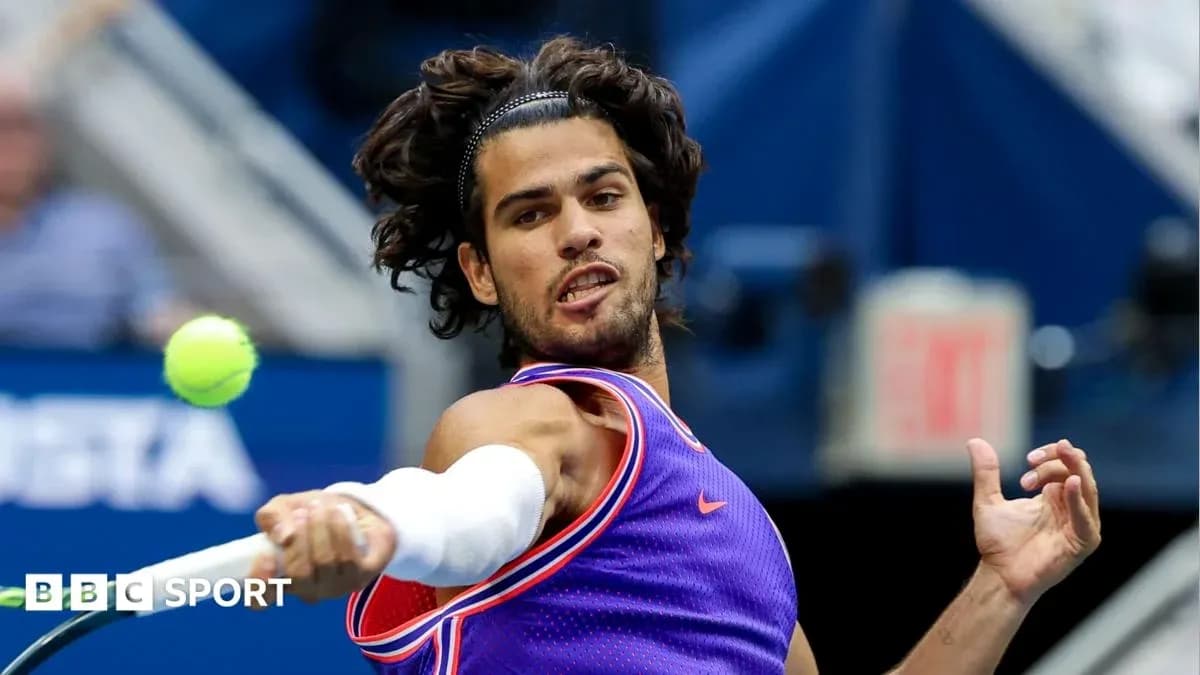
Carlos Alcaraz walks back into New York with seven major titles, a strapped wrist and a mind that has been through the wringer.
The defending US Open champion has not played a singles match since mid-April. For a player who thrives on rhythm, that silence was deafening. The physical pain from his wrist problem was one thing. The noise in his head was something else entirely.
“The most difficult things to deal with in this process,” he admitted, “were those intrusive thoughts.”
A champion stuck in limbo
Once Alcaraz could hit a few balls again, the questions started to gnaw at him. Not from journalists, from himself.
He didn’t know if he would make Cincinnati. He didn’t know if the US Open would come too soon. He didn’t know if the whole American swing would pass him by. For an athlete wired to plan his season around the sport’s biggest stages, that uncertainty cut deep.
“Once I started to practice a little bit but didn't know when I'm going to return, those thoughts were really difficult to deal with,” he said. The calendar kept moving. His wrist did not always keep pace.
The wait is over now. The doubt, less so.
Back under the lights
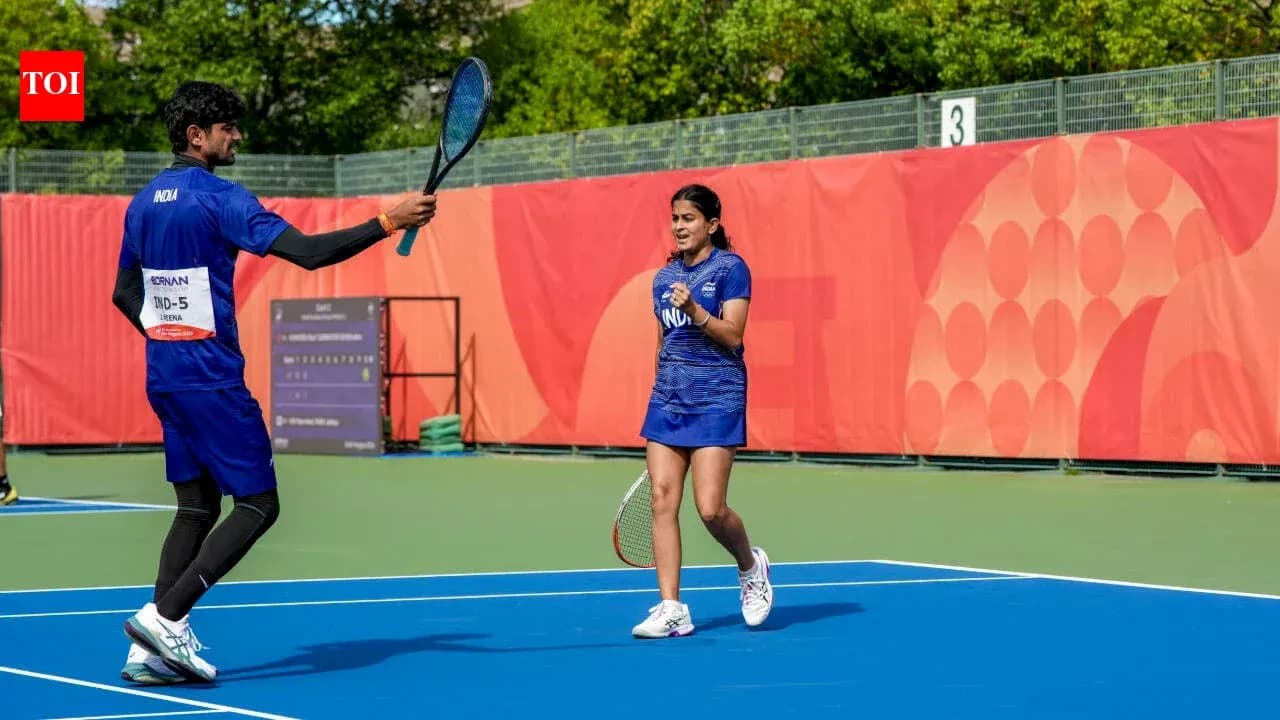
Alcaraz’s first steps back into competition came earlier this week on the same courts where he built his legend, sharing the stage in mixed doubles with 23-time Grand Slam singles champion Serena Williams. It was a soft landing in a brutal sport, a way to feel the speed of the ball, the hum of the crowd, the weight of expectation.
On Sunday, there will be no easing in. He opens his singles defence against Roman Safiullin, a heavy-hitting Russian capable of exposing any rust. Five sets, full throttle, under the glare of Flushing Meadows. No hiding place.
Alcaraz arrives seeded second despite his long absence. The ranking flatters his recent activity but reflects his stature. This is still his territory. He lifted the trophy here in 2022 and again in 2025, a span that helped define him as the sport’s new standard-bearer.
The wrist that won’t be ignored
The compression sleeve on his playing arm is now part of the visual story. It is not for show.
Wrist injuries have ended or altered careers in this sport. They punish recklessness. They punish impatience. For a player who rips his forehand with violent acceleration, funneling huge force through that joint, the margin for error is small.
Alcaraz has been dealing with what is thought to be tenosynovitis, an inflammation of the sheath that protects the tendon on the inside of the wrist. It demanded restraint from a player built for aggression. It forced him to listen to doctors and coaches when his instinct screamed to compete.
He has had to wait. To trust scans, schedules, and the slow grind of rehab. To believe that sitting out was not weakness, but investment.
Mind over fear
On Friday, as the tournament’s noise began to swell, Alcaraz cut through the uncertainty with a simple claim: he feels “great”.
He knows the preparation is not ideal. No player chasing a major title wants to arrive short of matches. Yet his conviction is clear.
“It's really challenging. Probably, you know, in terms of preparation and everything, it is not the best time,” he said. “But we, my team and me, believe that I'm ready.”
That belief is his anchor. He leans on the people around him, the ones who tell him the wrist will hold, that the work has been enough.
“I've got to trust my team, I've got to trust my people that tell me it's going be fine. I just have to go 100%,” he said. “Right now I think with the practices I have done so far, it's been all good. I'm trying to stay away from any fear and I'm playing normal.”
That last line matters. Fear changes swings. Fear shortens follow-throughs. Fear turns a champion’s weapon into a liability. Alcaraz insists he is not protecting the wrist when he hits. He is playing as he always has: full-blooded, uncompromising.
On Sunday night, the real test begins. The sleeve will stay on. The questions about his match sharpness will hang in the air. The intrusive thoughts may try to creep back in.
What happens next will tell us not just how healed his wrist is, but how hardened his mind has become.