Carlos Alcaraz Returns to Form at US Open
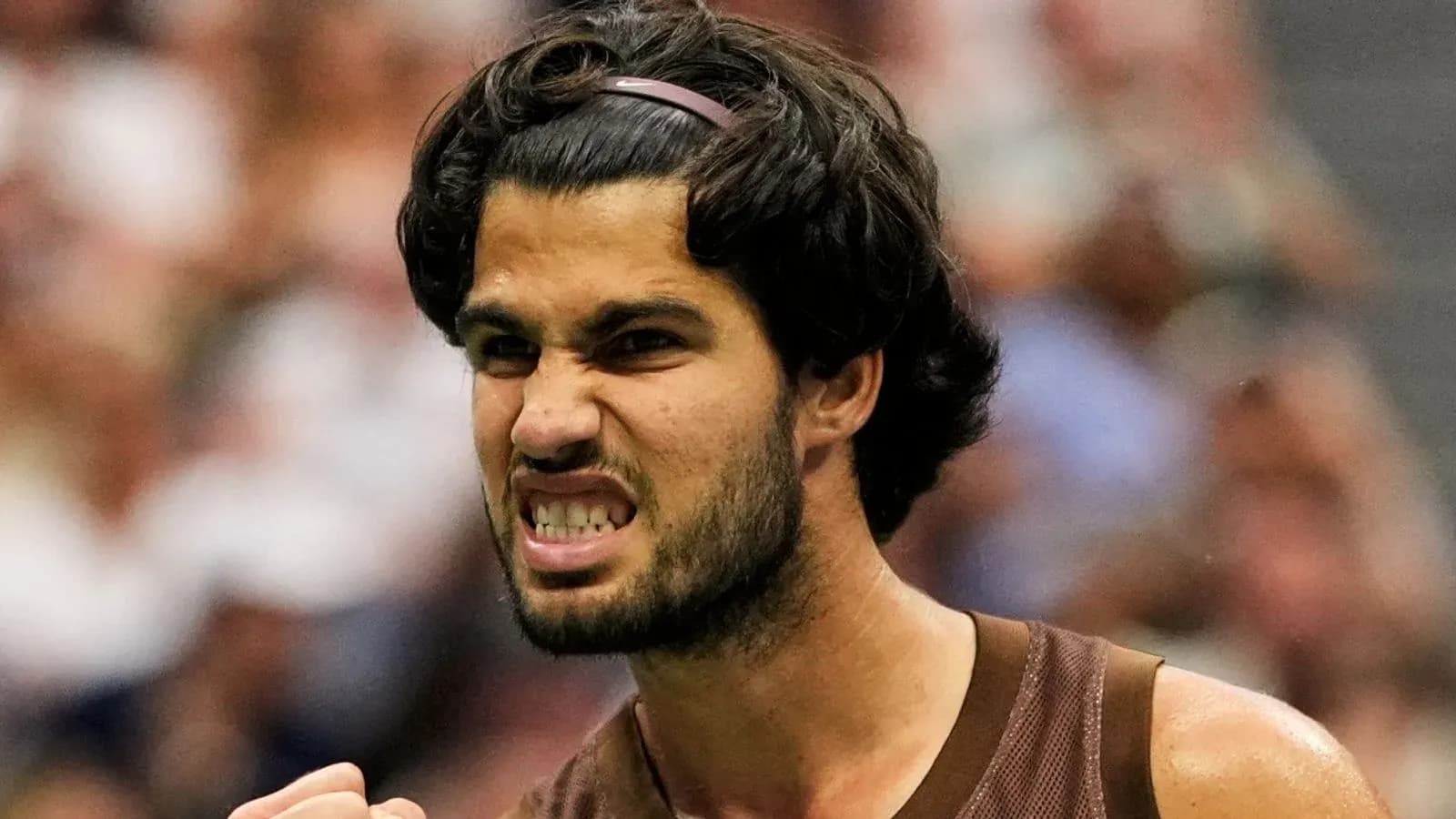
Carlos Alcaraz walked back into Arthur Ashe Stadium with questions hanging over his wrist and his future, then spent two hours and a shade more reminding everyone why New York still feels like his court.
Four months without a competitive singles match, a lingering wrist injury, no French Open, no Wimbledon. Doubts everywhere. Not just outside his camp, but inside his own head.
By the end, the scoreboard read 6-4 6-4 6-4 over Roman Safiullin. The message was louder than the numbers: the defending US Open champion is back in the fight.
Alcaraz answers the question
The opening games crackled with tension. Safiullin carved out two early break points, probing the Alcaraz serve, testing the timing, the trust in that wrist. Each time, the Spaniard dug in, took the ball early, refused to blink.
The pressure flipped in the eighth game. Alcaraz stepped in on the return, pinned Safiullin behind the baseline and ripped the break that decided the first set. It was controlled, not spectacular, but it was exactly what he needed: proof that the engine still ran under Grand Slam strain.
He had admitted to those doubts beforehand and didn’t hide from them afterwards.
“There were some doubts in the match, I'm not going to lie. Thinking about if I would last the match, best of five, playing four or five sets,” he said, already looking ahead to a second-round meeting with Portugal’s Jaime Faria. “I had a little bit of doubt, but I tried to forget everything and focus on the things I needed to improve. I thought about what would happen in the match and physically I felt really well.”
From there, the match loosened. For him, at least.
Alcaraz was broken at the start of the second set, a reminder that rhythm doesn’t return on command. His response was immediate and ruthless: break back straight away, raise the tempo, and once again pounce in the eighth game. Same pattern, same outcome, a two-set lead and a player starting to look like himself again.
By the third, he had the match in his grip. An early break landed, his movement sharpened, and Safiullin’s chances evaporated. The Russian never saw another break point as Alcaraz held firm, mixing weight of shot with court coverage that suggested the layoff had healed more than it had harmed.
Up in the stands, Travis Scott watched the performance in the brown kit he helped design. On court, the attention locked on the speed of Alcaraz’s serve and the violence of his forehand. Both passed their first test.
He may not yet be at full throttle, but on this evidence, nobody will casually write off his title defence.
One threat in his half, though, has already gone. Cincinnati champion Arthur Fils, tipped as a danger man after his run last week, fell in four sets to Stefanos Tsitsipas, 4-6 7-6 (7-3) 6-1 6-4. One contender out, one champion quietly finding his stride.
Sabalenka starts her three-peat chase
On the women’s side, Aryna Sabalenka opened her bid for a slice of history with a statement of her own.
A 6-2 6-4 win over Camila Osorio looks routine on paper. It was anything but in the second set.
Sabalenka, chasing a third straight US Open crown and a first three-peat in New York since Serena Williams in 2014, had to absorb a sustained surge from the Colombian. Osorio dragged her into longer rallies, forced her to defend, and tested the world No 1’s composure after a rocky stretch of form.
“Camila is a tough opponent but I was ready to do whatever it takes to get the win,” Sabalenka told Sky Sports Tennis. “I really enjoyed the atmosphere and support. A fun and tough match but happy to get through in straight sets.”
Those words carried extra weight. Sabalenka has fallen in the last 16 at Wimbledon, the Canadian Open and Cincinnati, and her grip on top spot is under real threat. Elena Rybakina, Coco Gauff and Jessica Pegula all have a mathematical shot at dislodging her as world No 1 for the first time since October 2024.
She still has one trump card. Hard courts remain her territory. All four of her Grand Slam titles have come on the surface, and when her raw power finds its range, very few can stand up to the barrage.
On day one, at least, the foundations of another deep run looked firmly in place.
Muchova, Anisimova and an American surge
Karolina Muchova, last month’s Wimbledon runner-up, slipped into the draw with far less noise and wasted no time making her point. She swept past Austria’s Sinja Karus 6-3 6-0, closing out the match with the kind of clean, efficient hitting that makes her such a dangerous floater in any major.
Last year’s US Open runner-up Amanda Anisimova also arrived with purpose. The American brushed aside compatriot Ashlyn Krueger 6-1 6-3, part of a strong opening day for the home contingent.
Emma Navarro, Taylor Townsend and Cate McNally all joined her in the second round, feeding the New York crowd’s appetite for home stories as the first week takes shape.
British grit on the outer courts
Away from the show courts, two British players stitched together the kind of comeback wins that keep a Slam alive in the margins.
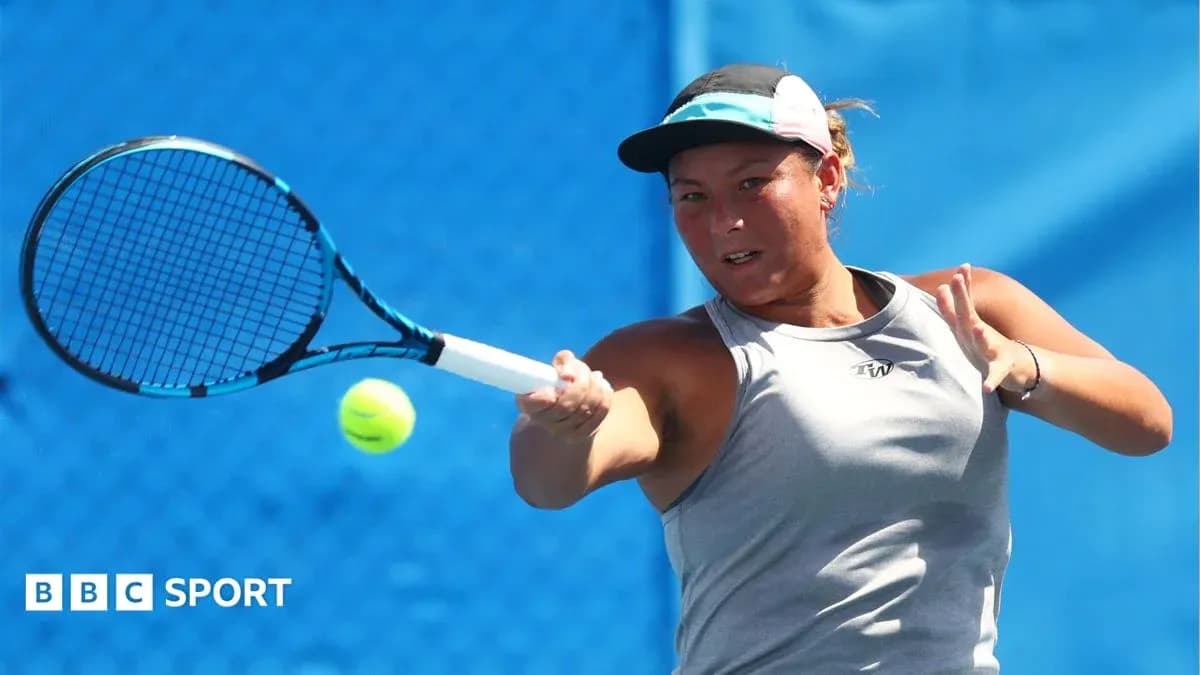
Harriet Dart looked in real trouble against Peyton Stearns, trailing by a set and a break to the American. Then the match flipped. Dart clawed back control, turned defence into attack and ran away with it 3-6 6-3 6-2, a surge built as much on stubborn belief as ball-striking.
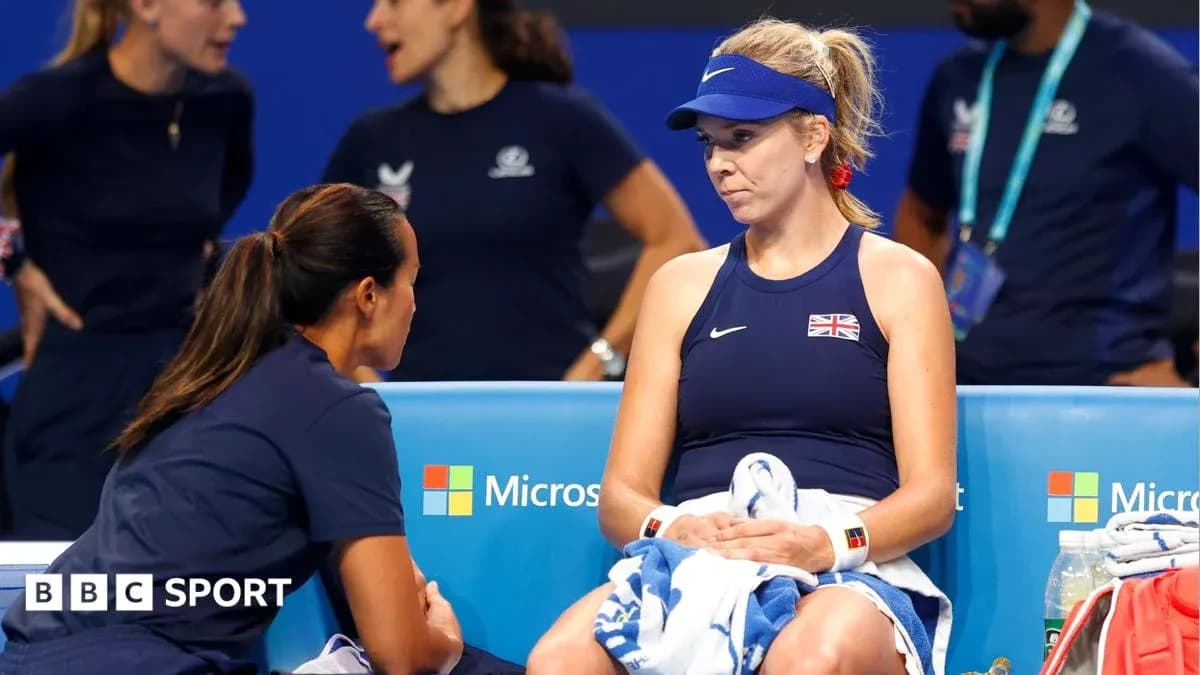
Her coach, Marion Bartoli, summed it up succinctly on Sky Sports Tennis: “I'm really pleased for her. Such a great effort and mentally it's so hard to come back but she fought so hard. It's absolutely brilliant.”
Jacob Fearnley went even deeper into the fire.
The Briton, in the main draw as a Lucky Loser after falling in qualifying, trailed Martin Landaluce two sets to one and watched the Spaniard serve for the match in the fourth. Most stories end there.
His didn’t.
Fearnley broke, then broke again, ripping off three straight games to steal the set 7-5. With the momentum completely flipped, he carried that surge into the decider, finishing the job 4-6 6-2 4-6 7-5 6-3.
There was even room for a late wobble. He missed a routine smash on match point, the kind of error that can haunt a player. He steadied himself, reset, and closed it out at the second time of asking to reach the second round in New York for the second successive year.
Fearnley, who could climb back into the world’s top 100 with a strong run here, sounded like a man who understood exactly what this opportunity meant.
“I saw it like I had nothing to lose and was playing on house money a little bit. That's what I told myself to ease the nerves and give my best effort,” he told Sky Sports Tennis. “Super grateful for the second chance and glad I could make good use of it.”
On a day of returns, revivals and narrow escapes, that mindset might be the most valuable currency of all at Flushing Meadows.