Carlos Alcaraz Dominates Tommy Paul at US Open
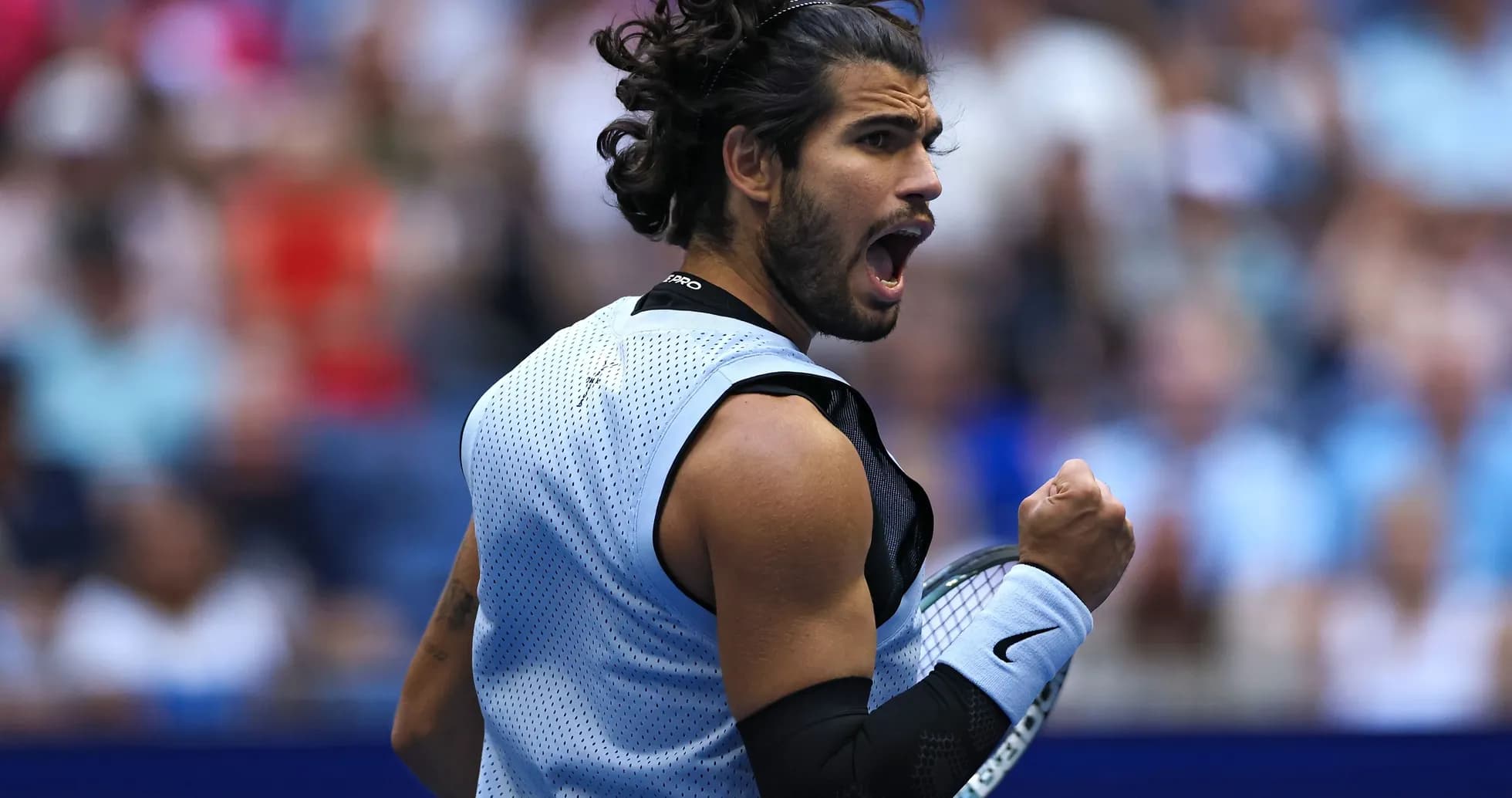
Carlos Alcaraz bends, never breaks. Under the lights of Arthur Ashe Stadium, with an American opponent and an American crowd ready to roar at any sign of weakness, the defending US Open champion simply shut the door.
A 6-4, 6-3, 6-4 win over Tommy Paul sounds routine on paper. It felt like something more ruthless than that.
Champion’s composure, challenger’s chance
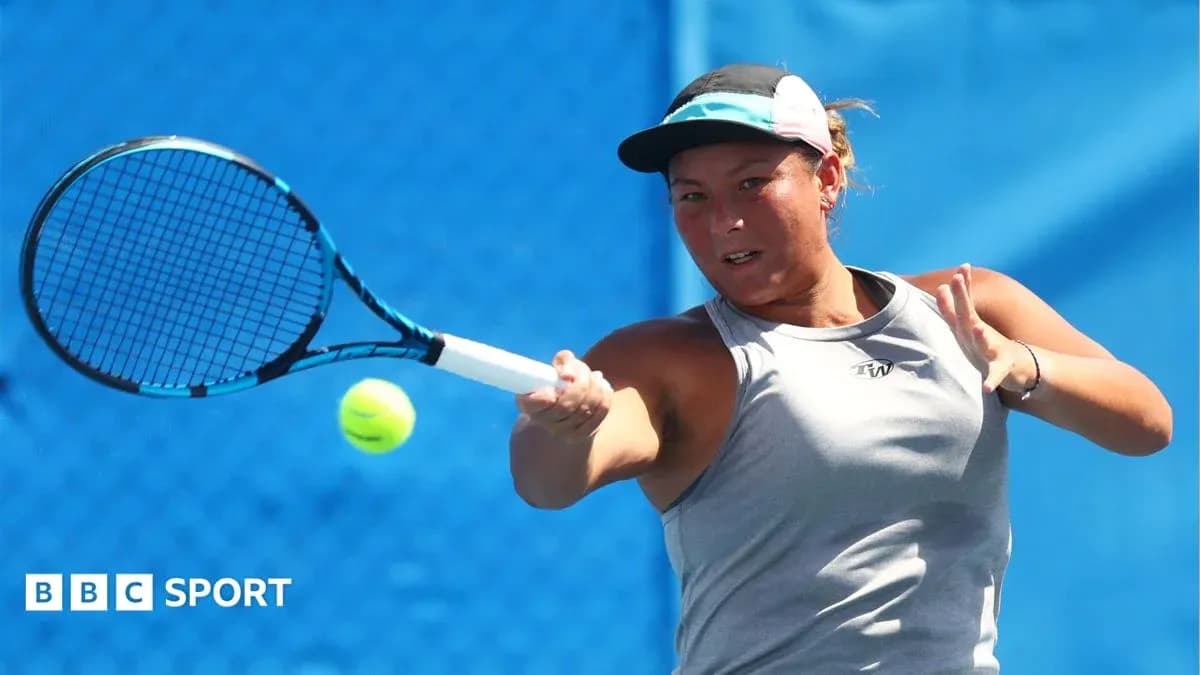
Paul, the world number 21, came out swinging. He went after Alcaraz’s serve from the start, stepped inside the baseline, and made the opening set a fight. Several times, the New Yorker crowd sensed a shift, a chance for the home player to land the first real blow.
Alcaraz refused him. He absorbed the pressure, played the bigger points with icy clarity, and waited. When his first genuine opening on Paul’s serve arrived, he struck. One break, one set. That was all he needed to tilt the night his way.
This is what separates favourites from hopefuls. Paul had looks. Alcaraz had answers.
Second set surge
The tension didn’t ease in the second set; Alcaraz simply tightened his grip on it.
He broke early, only to hand the advantage back with a forehand error that briefly cracked the door open for Paul. Arthur Ashe responded, sensing a contest. So did Alcaraz.
The reply was immediate. He tore into Paul’s next service game, his forehand suddenly vicious again, reclaiming the break with authority. The rallying cries from the stands turned into a different kind of noise — admiration for the defending champion’s ability to reset, reload, and punish.
One more hold, another surge of noise, and the second set was gone. The scoreboard read 6-4, 6-3, but it was the manner of the recovery that echoed most loudly. When the match wobbled, Alcaraz steadied it in an instant.
No way back
Paul still went hunting in the third. He tried to change patterns, to step in earlier, to draw errors. But the match now belonged to Alcaraz.
An early break in the third set underlined the gulf in control. From there, the Spaniard managed the finish like a seasoned champion, not a 21-year-old still technically learning his craft. He held serve without panic, without fuss, and without allowing Paul even a sniff of a comeback.
Three sets. No tiebreaks. No drama on the scoreboard, only in the exchanges that led there.
Statement in the numbers
The victory carries weight beyond a single night in New York. It returns Alcaraz to a Grand Slam quarter-final for the first time in 150 days, a small drought by his standards but long enough to sharpen his edge.
It also preserves one of the most telling numbers in his young career: he has never lost a Grand Slam match after winning the first two sets. Once he builds a platform, he finishes the job.
As the last major of the year moves into its decisive stages, Alcaraz is exactly where a defending champion wants to be — still standing, still swinging, and still very much in control of his own story at Flushing Meadows.