British Tennis Faces Challenges Despite Growing Participation
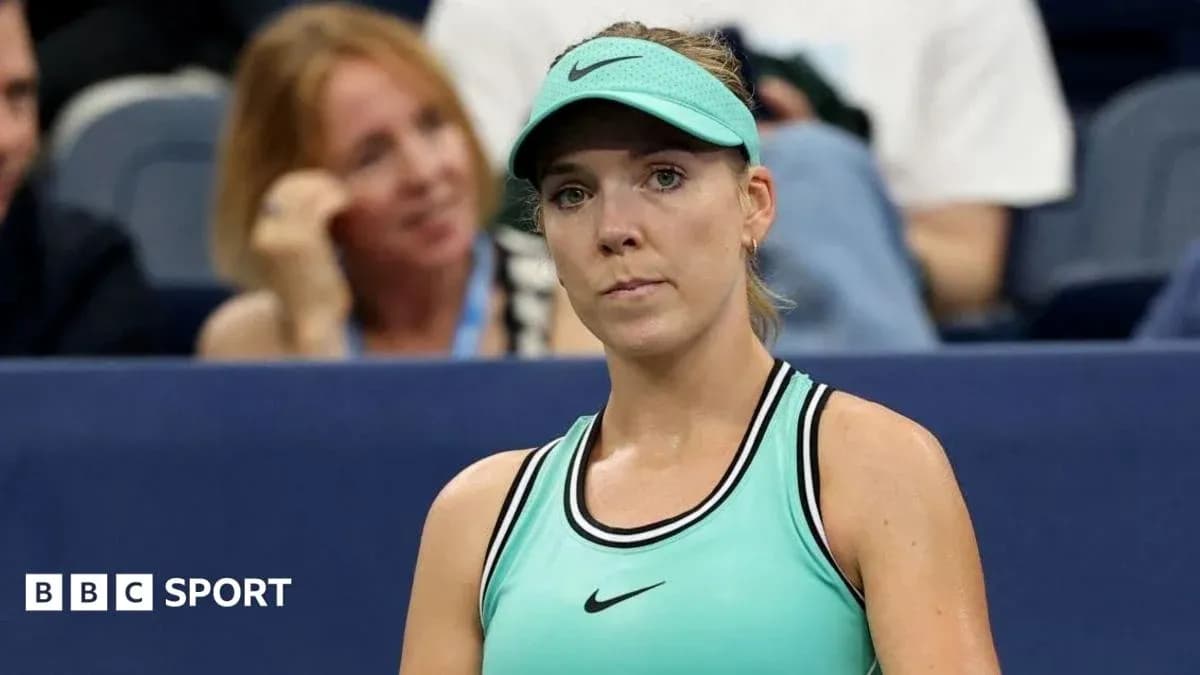
British tennis will once again watch the second week of a Grand Slam from the outside looking in.
For the fourth time in five majors, no British player has survived to the business end, this time at the US Open. A familiar storyline, but not quite the same national inquest that followed the Australian Open, Roland Garros and Wimbledon.
The mood is complicated. The results are poor. The picture is not entirely bleak.
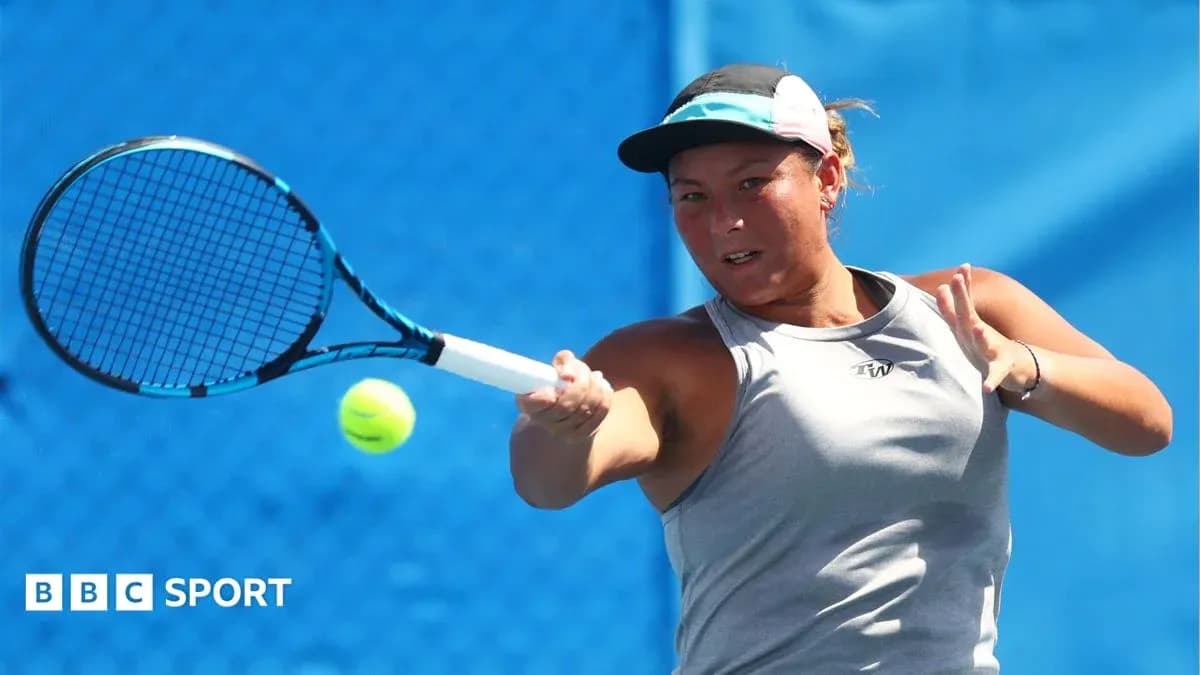
“I always think there's things that British tennis could do better. So yes, definitely,” said British women's number three Francesca Jones. “Do I think it's something that's concerning? No, not at all. The level is getting better and everyone is dangerous on their day.”
That tension – between clear shortcomings and signs of life – defines the end of the British Grand Slam season.
Fery’s breakout and a thin year at the majors
Arthur Fery’s charge to the Wimbledon semi-finals stands alone as the year’s bright, almost surreal, outlier.
Ranked 114 in the world and reliant on a wildcard just to get through the gates at the All England Club, the 24-year-old turned an invitation into a statement. No one had him pencilled in for the last four. He got there anyway, the only British player to reach the second week of any Slam in 2024.
For the Lawn Tennis Association, Fery has become the poster boy for a development system they insist is finally starting to bear fruit.
Nine Britons lined up in the US Open main-draw singles, the highest number since 1981. That tally excludes two of the country’s most gifted players, 2021 US Open champion Emma Raducanu and Jack Draper, both sidelined by long-term injuries.
“We obviously want more and more competitors in the second week of Slams – just like the British public,” said LTA chief executive Scott Lloyd. “But the fact we've had four different British players make Grand Slam semi-finals since 2021 – you have to go back 30 years before Andy Murray to have four – shows there is no question that the direction of travel has improved. We've just got to keep driving for more – and that's what we're trying to do day in and day out.”
The raw numbers offer some support. After the US Open, Britain is set to have five men inside the world’s top 100 – Fery, Cameron Norrie, Jan Choinski, Toby Samuel and Jacob Fearnley – the strongest male presence since February 2024.
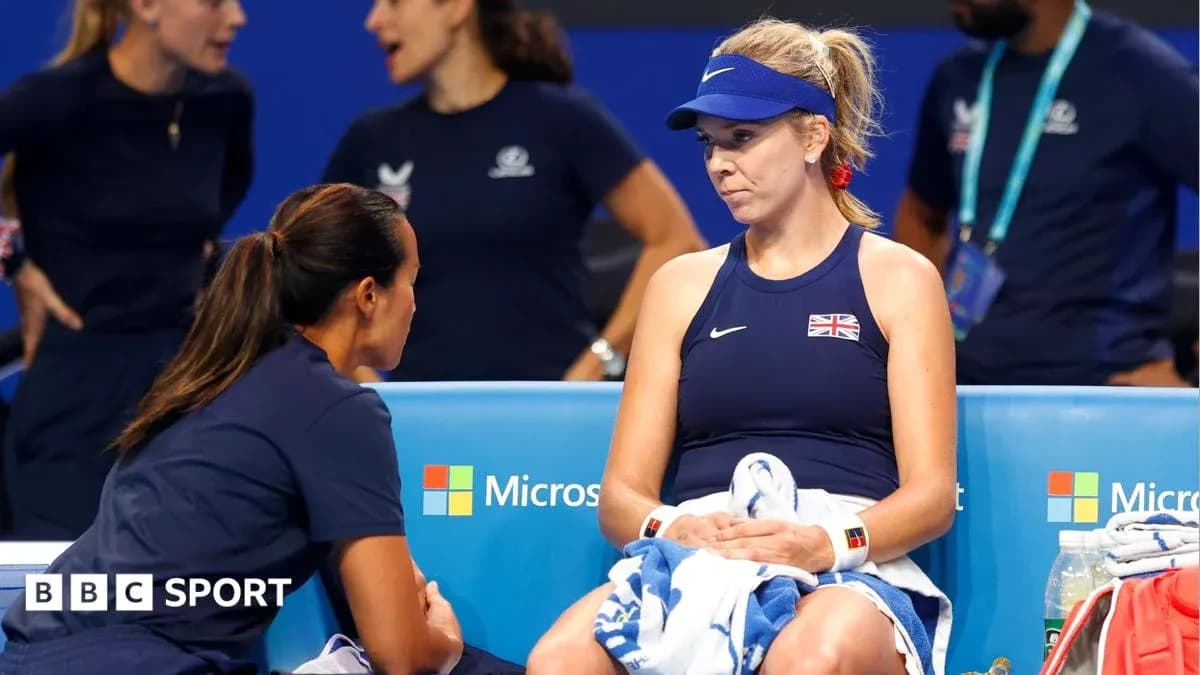
On the women’s side, Katie Boulter and Raducanu will carry the top-100 flag, with Jones and Harriet Dart hovering just outside after both reached the second round at Flushing Meadows.
“We've sent 12 players to the world's top 100 over the past eight years and four of those have played Grand Slam semi-finals,” said LTA performance director Michael Bourne. “I'm not sure what other period in the modern era where we've had that level of productivity. Hopefully the number in the top 100 will rise over the next year.”
The weight of expectation
Set those claims against Britain’s status and the debate sharpens.
This is a Grand Slam nation with deep pockets, a rich history and the financial muscle of Wimbledon behind it. Yet Britain still trails the United States, Australia and France in top-100 representation, all of whom also enjoy the advantages of hosting a major.
It sits behind Spain, Italy, the Czech Republic and Argentina too, countries routinely praised for their conveyor belts of talent.
Injuries have bitten hard. Draper, once as high as world number four, has barely been seen over the past year with a serious arm problem. Sonay Kartal, who cracked the top 50 last season, has slipped out of the top 100 after a long-term back issue. Those absences strip away depth and deny Britain the chance to build momentum at the top of the game.
But Bourne insists there is no off-the-shelf solution.
Britain, he argues, cannot simply “pick up a plan” from Spain or Italy and expect it to work. Every country has its own “tennis ecosystem” – its own culture, climate, facilities, education system and funding structure. Copying is easy. Translating is not.
Lloyd takes a similar line.
“We're competing in one of the most internationally elite sports out there and the landscape is vastly different to 40 or 50 years ago in terms of the number of countries which have representation at the top,” he said. “We're ambitious, we want to drive for more, but we honestly believe the indicators are positive. We're moving in the right direction and stronger than where we have been historically.”
A booming base, a fragile pathway
If the elite picture is mixed, the grassroots numbers are booming.
Draper, Raducanu and Fery all entered the LTA system early and now serve as the template for what British tennis wants to replicate. They are products of a pathway that starts with a simple act: a child picking up a racquet.
According to Lloyd, 4.3 million juniors play tennis in Britain each year, with 1.9 million playing every month. Both are all-time records. Courts are busy. Interest is there.
The worry lies in what happens next.
Behind the headline participation figures, the sport faces a chronic shortage of high-level coaching. Bourne concedes the UK needs a “higher base” of coaches and says one of the LTA’s core strategies is pouring more “time and effort” into developing them.
Without enough quality coaches, the surge in junior numbers risks becoming a missed opportunity rather than a golden generation.
Chris Marshall, a senior performance coach with more than 25 years in the game, sees the problem from court level – and it is not just about supply, but cost.
“To fund a 12-year-old at county level right now requires anywhere from £500 to £1,000 a month for coaching, travel, and tournament fees,” said Marshall, who founded the Young Champs programme to provide free and discounted coaching for children. “It is a massive, stressful financial barrier that makes the sport a non-starter for the vast majority of British families.
“We can't sit around lamenting the lack of British interest in the second week when we are restricting the pipeline that feeds it.”
That is the crux. Britain can point to Fery’s run, to more players in the main draws, to incremental gains in the rankings. It can talk about pathways, ecosystems and positive indicators.
But until the country finds a way to turn record participation into affordable, high-quality development, the second week of Slams will remain a distant stage, viewed too often from the wrong side of the net.