Katie Boulter's US Open Defeat: A Lesson in Resilience
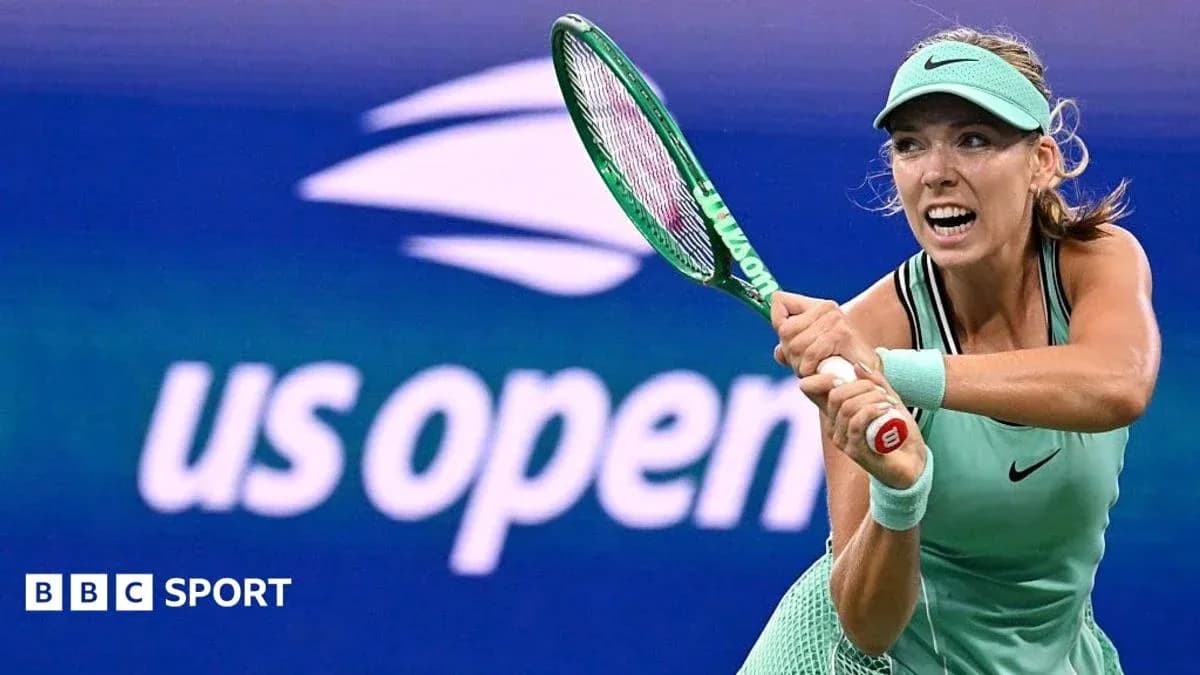
Katie Boulter’s US Open ended with a brutal statistic: one game won in 58 minutes.
On a damp New York day that had promised opportunity, Britain’s number one walked into Louis Armstrong Stadium and ran straight into Karolina Muchova at full tilt. The Czech seventh seed needed just 6-1 6-0 to underline the gulf between a player struggling for rhythm and a Wimbledon runner-up purring through the gears.
Big stage, harsh lesson
This was supposed to be a bonus. Heavy rain had pushed the match off an outside court and into the 14,000-seat bowl of Armstrong, giving Boulter a rare prime-stage slot at a Slam. For those who’d stayed in their seats for a third match on the day session, it barely felt like a contest.
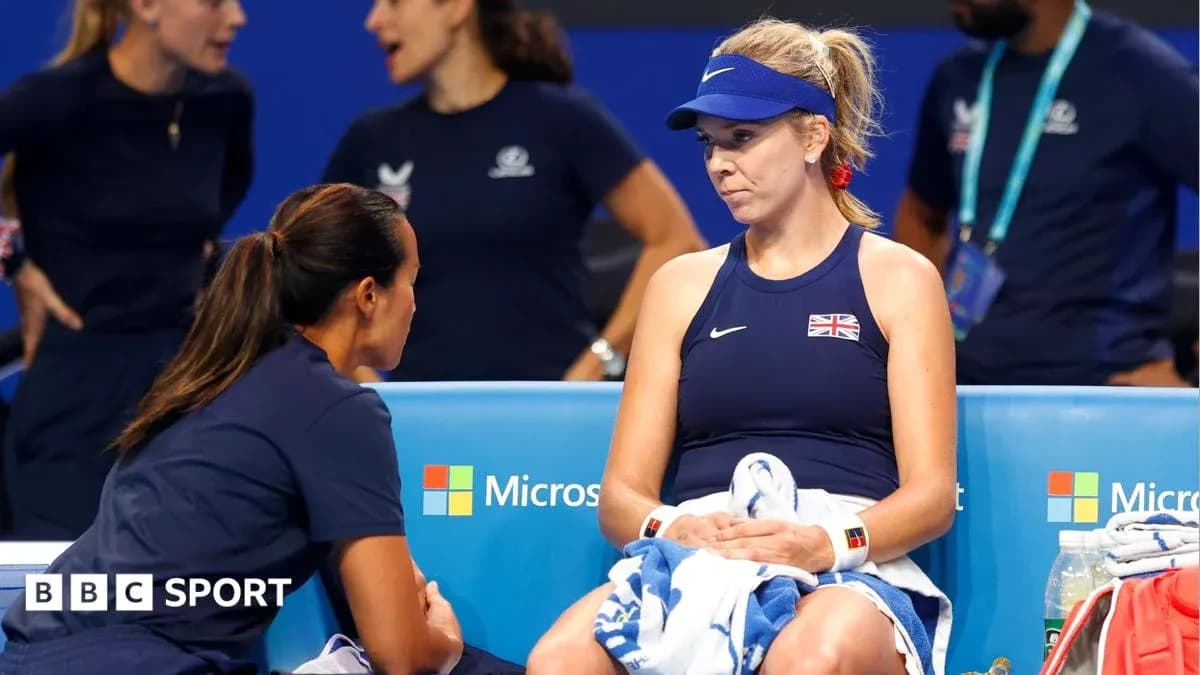
Boulter never settled. The roof, the echo, the constant murmur of a big stadium seemed to close in. She admitted as much afterwards.
She called it “a bad day at the office – times two”. The conditions bothered her. The noise bothered her. The distractions piled up. “I let it get to me,” she said. “I'm not usually aware of everything going on. It made me feel a little bit uncomfortable. I have to deal with it better.”
On court, the numbers told the same story. Eight double faults. No aces. Just 33% of points won behind her first serve. Seven break points faced, seven conceded. Twenty-two unforced errors against only four winners. Every time she tried to reset, the serve betrayed her again.
Muchova didn’t need an invitation. She played with the assurance of a woman who knows she belongs in the late stages of majors. Fourteen winners, nine unforced errors, the drop shot as a knife, the groundstrokes cutting through the damp air. She moved Boulter around at will, then finished points with cold precision.
The pressure told early and never really relented.
“Something big time” has to change
From the commentary box, former world number five Daniela Hantuchova didn’t sugar-coat what she saw.
“I would be really humbled [if I was Boulter], I would sit down with my team and say 'OK, we need to change something big time',” she told BBC Radio 5 Live. For her, the problem was glaring. “First of all, it was very obvious today that it was the serve. I feel like it needs to be cleared up because she was losing the rhythm and not using her legs. That's the number one thing.”
The message was clear: this isn’t just about a bad day, it’s about a technical and mental reset.
“If I am Boulter, I would be on the practice court tomorrow,” Hantuchova added. “If she still wants to invest everything into her tennis then she needs to be on the court.”
That line cuts to the heart of Boulter’s season. Off the court, life has been golden. She married Alex de Minaur, the world number seven, in July. On it, the shine has faded. Just two wins across the four Grand Slams this year. Since a first-round exit at Wimbledon, only two victories in six matches.
For a player who climbed into the top 70 on the back of grit and incremental improvement, the stall is obvious.
Mixed fortunes for the Brits
The British camp had little to celebrate on the singles side. Jacob Fearnley also fell short of the third round, beaten 6-3 6-3 3-6 6-3 by Argentina’s Tomas Martin Etcheverry. He at least managed to land a punch, nicking the third set, but the higher-ranked Argentine reasserted control in the fourth.
Francesca Jones provided the lone bright note. Returning to court to finish a rain-delayed first-round match against Magda Linette, she held her nerve to complete the job and move on. On a day where Boulter and Fearnley were sent packing, Jones’ progress offered a reminder that British stories in New York don’t all have to end in frustration.
Where next for Boulter?
The manner of this defeat will sting more than the scoreline itself. Losing to Muchova is no disgrace; being dismantled so comprehensively on a show court is a different kind of wound.
Boulter has built her career on resilience, on clawing her way back from injuries and long spells in the wilderness. Now she faces a different challenge: a season that has drifted, a serve that’s misfiring, and a spotlight that grows harsher with every early exit.
The honeymoon is over. The question is whether this humbling night in Armstrong becomes a low point to forget, or the jolt that forces the “big time” changes her game now demands.