Binghamton’s Carousel Classic Expands with Adaptive Tennis
VESTAL, N.Y. – Binghamton University isn’t just staging a tennis tournament this weekend. It’s building a three–day festival of the sport, one that stretches from Division I courts to elementary school kids and adaptive athletes rolling up to the baseline in wheelchairs.
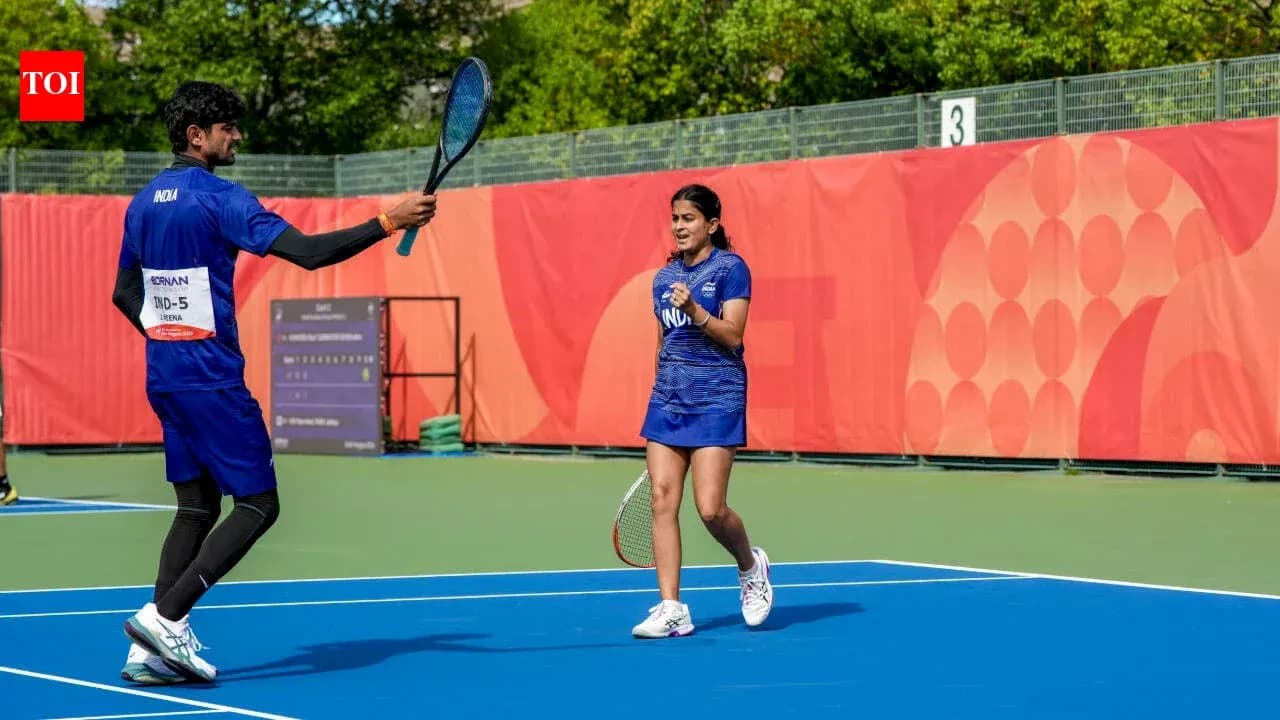
The Carousel Classic returns to Recreation Park in Binghamton from Sept. 11–13, and this second edition looks bigger, bolder, and more ambitious than the first. The event pulls together collegiate Division I programs, college club teams, high school players, and, for the first time, a full adaptive tennis clinic and tournament.
This is not a closed-off college invitational. It’s tennis as a community project.
Three Days, One Park, All Levels
Play starts early and runs long.
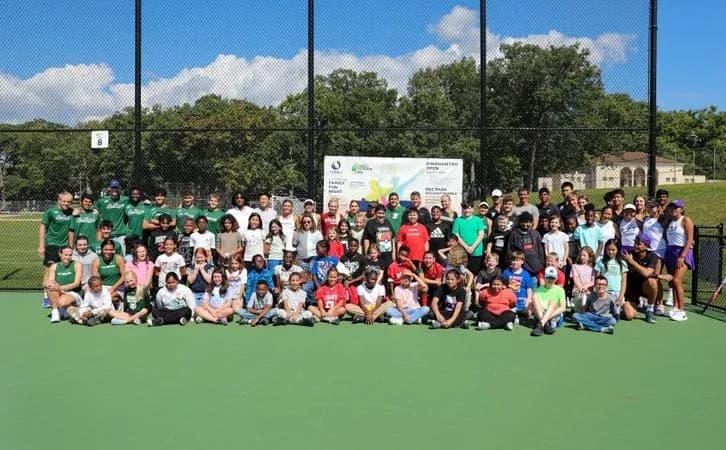
On Friday, Division I and Collegiate Wheelchair matches open at 9 a.m. The courts then briefly turn into a classroom from 11 a.m. to noon, when Horace Mann Elementary students arrive for a youth clinic. Once the last forehand is struck there, competition resumes at noon and is expected to carry through until around 5 p.m.
Saturday belongs to adaptive tennis from the first ball. An adaptive clinic begins at 9 a.m., giving athletes with disabilities a chance to work with coaches and players in a structured, welcoming setting. Matches are slated to start around 10:30 a.m. and roll through the afternoon until about 5 p.m.
On Sunday, the final day, matches begin at about 9 a.m. and stretch into the afternoon, with Collegiate Club teams joining the schedule from noon. Across all three days, Recreation Park becomes a snapshot of the sport’s full spectrum: elite, emerging, recreational, and adaptive, all sharing the same space.
Adaptive Tennis Takes Center Stage
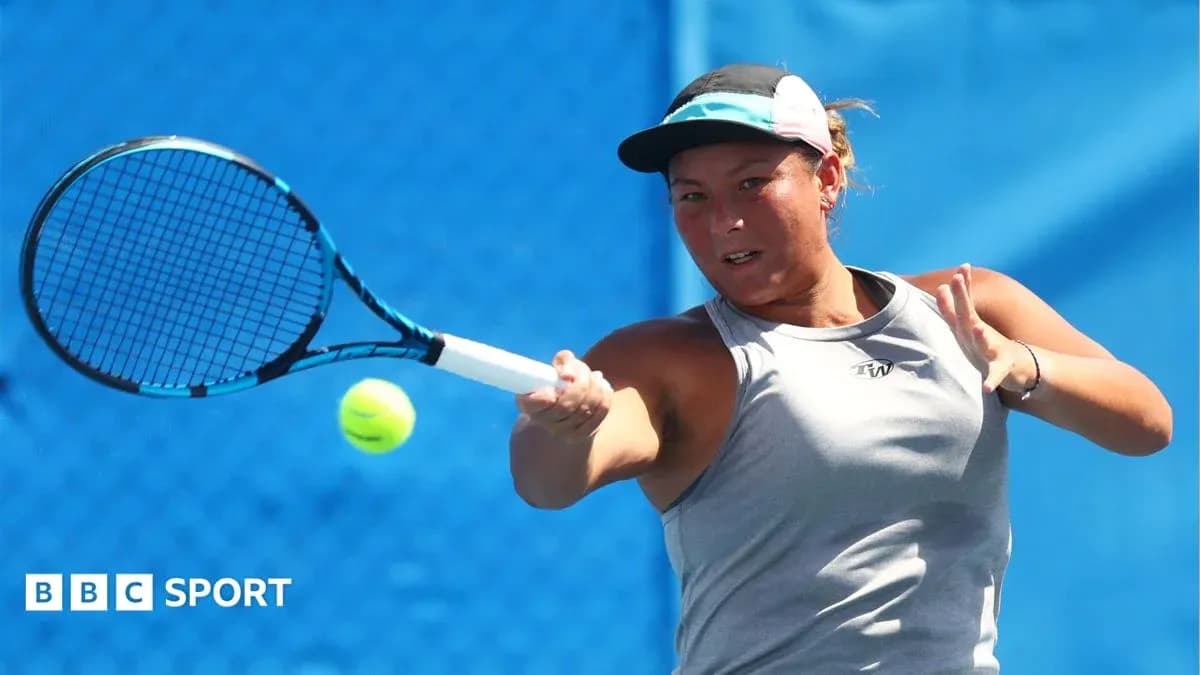
The standout development this year is the expansion of adaptive tennis programming. Wheelchair teams from University of Michigan, University of Houston, and Fresno State will compete in both men’s and women’s draws, bringing serious pedigree and visibility to that side of the event.
They’ll share the stage with Division I men’s programs from Binghamton, Buffalo, and Bucknell, and women’s squads from Binghamton, Buffalo, and Colgate. It’s a rare mix: wheelchair and able-bodied college athletes, men and women, all woven into one schedule.
For Binghamton, that blend is the point. The Classic isn’t just about crowning an early-season standout; it’s about proving that high-level competition and inclusive programming can coexist on the same courts, on the same days, in front of the same community.
Men’s head coach Nick Zieziula underlined exactly that, pointing to the uniqueness of a weekend that asks teams to compete hard, then step in and run clinics for youth who might be picking up a racquet for the first time. For his squad, there’s also a clear competitive edge: early-season matches against programs expected to sit near the top of their respective conferences.
Community Muscle Behind the Event
An event of this scale doesn’t run on enthusiasm alone. It leans heavily on local backing.
Tennis Charities of Binghamton is actively seeking corporate sponsors and community partners to cover event-wide costs and support youth and community programming tied to the Classic. The more the tournament grows, the more it needs off-court help to match its on-court ambition.
The youth clinic with Horace Mann Elementary remains a central piece of that mission. Women’s head coach Paul Caceres highlighted the program’s return as a key part of the weekend, alongside the new adaptive initiatives. For the kids, it’s a chance to rally with college players. For the college athletes, it’s a reminder of why the sport matters beyond rankings and records.
New Faces, New Season for the Bearcats
For Binghamton’s women, the Carousel Classic is more than a community showcase; it’s the opening chapter of their fall campaign.
The Bearcats unveil four new players this weekend, folding them into a core that includes returners Apara Khandare, Angel Walia, and Samantha Jaros. Their first serves of the season will come not in a quiet dual match, but in a busy park filled with teams, kids, and adaptive athletes. It’s a demanding stage, but also a fitting one for a program that wants to start with “high level competition,” as Caceres put it.
On the men’s side, there’s unfinished business. Binghamton arrives at the Classic fresh off a runner-up finish in last season’s NEC Tournament. The returning trio of Andre Ajed, Filipe Costa, and Harry Liao anchor a roster bolstered by four newcomers, a mix that should produce sharp, competitive ties across the weekend.
The stakes aren’t about trophies yet. They’re about tone. About setting standards. About seeing how new lineups respond when the points start to matter again.
A Tournament with a Broader Purpose
Strip it down, and the Carousel Classic is a tennis event. Matches, draws, schedules, results.
Look closer, and it’s something more deliberate: a Division I program using its platform to knit together varsity athletes, wheelchair competitors, club players, high schoolers, and elementary school kids into a single, shared experience.
By Sunday afternoon, the scorelines will be logged and the courts will empty. What lingers is the question that will define this event’s future: if a mid-September tournament in Binghamton can pull this many strands of the sport together, how far can the Carousel Classic grow from here?