Aryna Sabalenka’s Press Room Clash at US Open
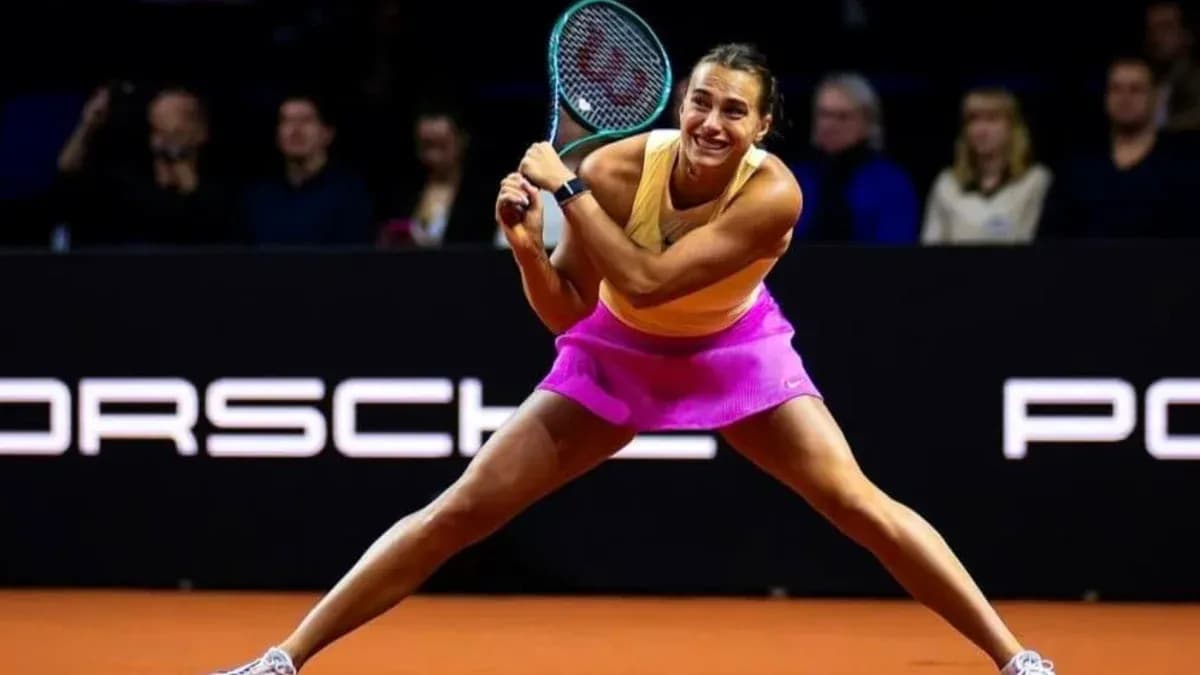
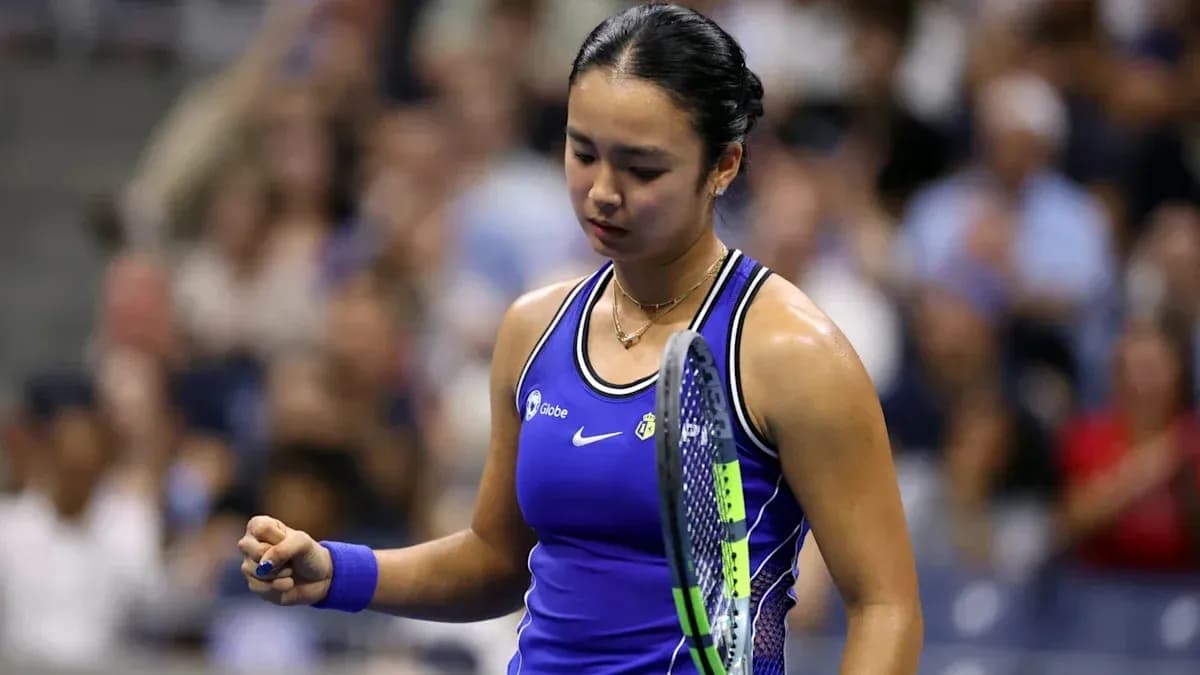
Aryna Sabalenka walked off court at Flushing Meadows having crushed her second‑round opponent, but it was the press room, not the baseline, that produced the most volatile exchange of her US Open so far.
World No. 1, in full control on court, suddenly found herself on the defensive.
A question that hit a nerve
In the post‑match press conference, a reporter framed his question around what he called a week of “parties and fun” leading into the tournament, asking how Sabalenka’s mood had shifted now that the serious business had begun.
The phrase landed badly.
Sabalenka bristled at the implication that she had been out enjoying herself instead of preparing for the year’s final Grand Slam. She cut in sharply, challenging the premise of the question and drawing a clear line between sponsor events and what she views as her real work.
To her, those pre‑tournament appearances are part of the job, not evidence of a lack of focus. Brand obligations, photo shoots, promotional stops – they may look glamorous on social media, but they sit alongside, not instead of, training blocks and tactical sessions. Sabalenka made that point with force, and the room felt it.
The clip raced across platforms within hours. Fans replayed the moment, dissected her tone, and quickly picked sides.
The reporter responds
As the debate grew louder, the journalist at the center of it all stepped forward to clarify his position.
He insisted he had not intended to accuse Sabalenka of neglecting her preparation or spending the build‑up to the US Open partying. His aim, he explained, was to reference the sheer volume of public appearances and off‑court demands that trail top players into every major.
He stressed that his wording had been interpreted differently from what he had in mind. The focus, he said, was meant to be on the contrast between the noise of the pre‑tournament schedule and the intensity of Grand Slam competition, not on questioning her professionalism.
He also acknowledged the scale of the reaction. What began as a single, clumsy phrase had become one of the most talked‑about moments of the fortnight.
Sabalenka’s follow‑up
Sabalenka did not leave it there, either.
After her initial flash of frustration in the press room, the two‑time defending US Open champion later addressed the incident again. She apologized to the reporter for the heat of her response, accepting that the exchange had escalated quickly, but she did not back away from her original stance.
The wording, in her view, remained unfair. Suggesting “parties and fun” in the days before a major cuts close to a player’s professional pride, especially for a world No. 1 whose schedule is packed with mandatory commitments as much as voluntary ones.
That duality – contrition for the tone, firmness on the principle – resonated with many players and fans who have felt similar tension in those same cramped interview rooms.
The fault line between court and microphones
This brief flashpoint has exposed a familiar but fragile line at big events.
Players walk straight from the physical and emotional strain of a match into a room full of microphones, cameras, and deadlines. Reporters, under pressure to find something beyond the standard “one match at a time” answers, push at the edges: preparation, focus, mentality, lifestyle.
When those questions brush against professionalism, the atmosphere can change in an instant.
The Sabalenka episode sits squarely in that space. One loaded phrase. One player fiercely protective of her work ethic. One reporter trying to explain that he was talking about obligations, not nightlife.
The rally between athletes and media will continue long after this tournament ends. The real question is whether both sides can keep the conversation sharp without letting a single word turn into the story.