Aryna Sabalenka Dominates Polina Iatcenko in Quick US Open Match
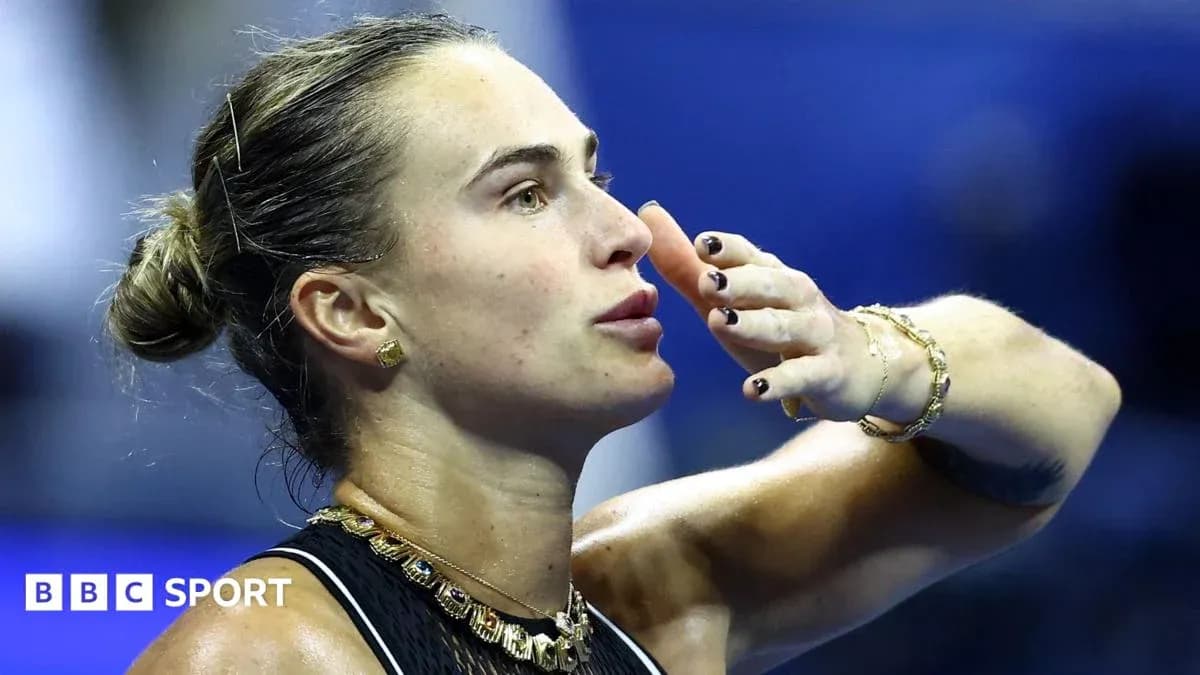
Aryna Sabalenka was off court almost before Arthur Ashe Stadium had settled into its seats.
In 53 unforgiving minutes, the world number one ripped through US Open debutant Polina Iatcenko 6-1 6-1, a demolition that looked like a mismatch from the first strike of the ball. It was one of the quickest Grand Slam wins of Sabalenka’s career. It was also, somehow, not enough to put her fully at ease.
A brutal mismatch, a restless champion
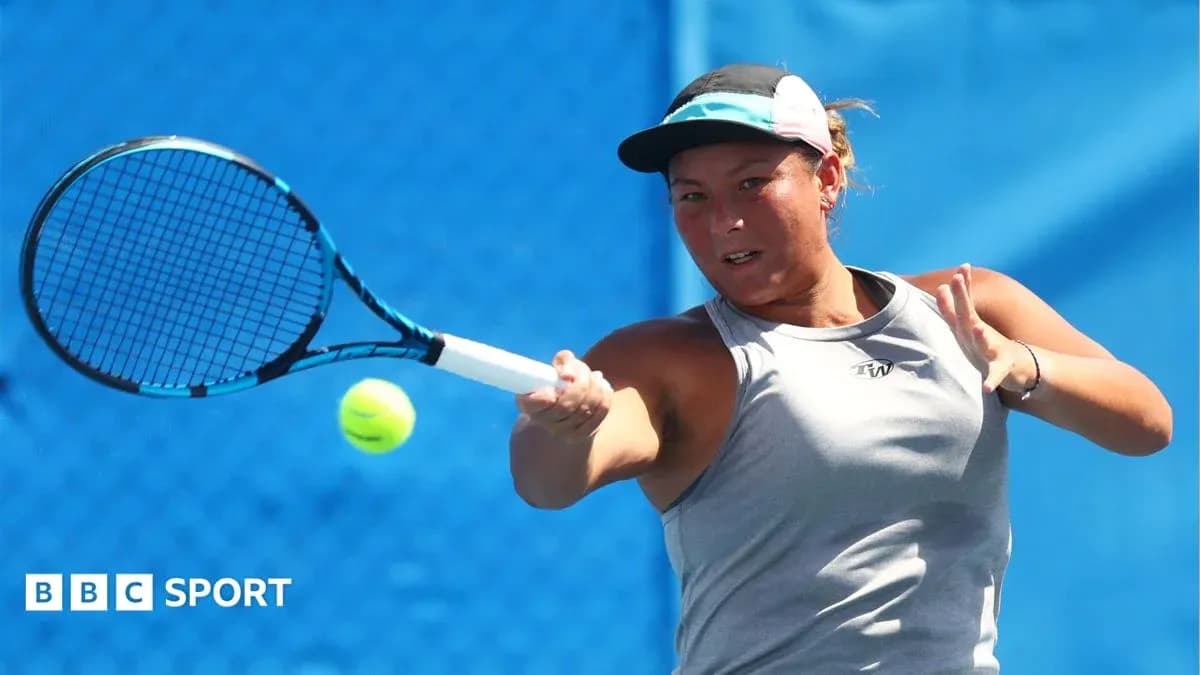
Iatcenko, a 22-year-old qualifier ranked 160 in the world, arrived on the sport’s biggest stage with a nervous smile and left with a harsh education in elite power tennis. She hit just three winners. Sabalenka cracked 24.
The first set raced by in 23 minutes. Sabalenka broke at will, bullied the Russian from the baseline and never allowed her to settle. At 5-0, the contest already felt over. When Iatcenko finally held serve for 5-1, she broke into a relieved grin, just happy to have a game on the board. Sabalenka responded by holding to love in under 90 seconds to close out the set.
Even the changeover carried a story. After just one set on court, Iatcenko headed off for a bathroom break, officially to change her kit, but clearly in search of a mental reset. Sabalenka stayed loose, hitting serves on the baseline, refusing to let the brief pause cool her rhythm.
She came out for the second set exactly as she had started the first: swinging freely and hitting through the court. Two quick breaks took her 3-0 up. A sloppy service game allowed Iatcenko a brief moment of resistance, but Sabalenka simply slammed the door again, reeling off the next three games to finish the job with two more breaks.
It was ruthless. It was efficient. It was also, in truth, no real measure of where her level sits as this strange season reaches its final major.
Chasing history, guarding her throne
Sabalenka is a two-time defending champion in New York. A third straight US Open crown would place her in rare company and, crucially, might be the only way to keep her grip on the number one ranking.
Even that may not be enough.
Elena Rybakina, the woman who handed Sabalenka her only defeat in her first 27 matches of 2026, is closing fast. If the Kazakh reaches the semi-finals, she will rise to number one regardless of what Sabalenka does. For long stretches of the year, that scenario felt impossible. Sabalenka started the season like a runaway train: Australian Open finalist, back-to-back titles at Indian Wells and Miami, the coveted Sunshine Double secured in style.
Then the brakes slammed on.
Since leaving Miami with the trophy, her win-loss record has sagged to 17-7. One WTA semi-final in five months. A player who once looked untouchable suddenly found herself searching for rhythm, for answers, for the feeling that had carried her through the first quarter of the year.
Before arriving in New York, she admitted she had been “dealing with several things” during that dip, a vague but telling acknowledgment that all was not right. The tennis world waited to see which version of Sabalenka would walk into Flushing Meadows: the unstoppable force from March, or the uncertain figure from the months that followed.
Against Iatcenko, only one version appeared. The dominant one. The one that hits through opponents, not around them. The one that treats early rounds as tune-ups, not tests.
She will face Kamilla Rakhimova of Uzbekistan in the third round, a step up in resistance but still a match she will expect to control. The real questions will come later in the fortnight. For now, she has done what she needed to: win quickly, win cleanly, and remind the locker room that the defending champion has no intention of handing over her territory without a fight.
“I’m happy with the level I played, happy with the focus and happy to be through this match,” she said afterwards. The words were calm. The performance was anything but.
A sharp edge in the press room
If the match was straightforward, the press conference was anything but.
Sabalenka bristled when a reporter appeared to suggest she had been attending “lots of parties” in the build-up to the tournament, referencing social media posts of her commercial and brand activities.
“What kind of question is that? Just because I posted some activities with brands, you think that I've been partying [and] not training?” she shot back, her irritation clear.
When the follow-up came — was she “getting serious” now the tournament had started? — the sarcasm arrived just as quickly.
“Oh yeah, I wasn't serious before that. Next question.”
It was a flash of the competitive edge that drives her, the same edge that has carried her through long, bruising seasons and into the number one spot. On court, that fire translates into pace and power. Off court, it can turn a routine media session into a tense exchange.
A costly lesson, a valuable payday
For Iatcenko, this was a lesson in the brutal realities of facing the best in the world on the sport’s biggest stage. Nerves gripped her early, her shots landed short, and Sabalenka pounced. The Russian never truly threatened, but she did gain something far more important than a handful of games.
She walked onto Arthur Ashe Stadium to face the top seed at a Grand Slam. She leaves with experience, perspective, and a significant boost to her career resources. Coming into the US Open, she had earned around $300,000 in prize money. Her second-round appearance in New York adds another $190,000 to that total — money that can be reinvested into travel, coaching, and the infrastructure required to stay at this level.
The scoreboard was brutal. The opportunity was not.
Pegula, Gauff and the ranking race
Sabalenka’s position at the top is under threat from more than just Rybakina.
Jessica Pegula, the third seed, kept her own hopes of a maiden major alive with a composed 6-3 6-1 win over fellow American Sofia Kenin earlier on Wednesday. If Pegula lifts the trophy, she too has a shot at the number one ranking.
So does Coco Gauff. The fourth seed advanced in straight sets as well, maintaining a quiet but very real presence in both the title and ranking conversations.
The women’s draw, so far, has largely followed the script. Karolina Muchova, this year’s Wimbledon runner-up, moved through without fuss. Marta Kostyuk, a two-time major semi-finalist, also progressed in straight sets. Teenage American Iva Jovic continued her rise with another assured victory. Upsets have been scarce; the big names are holding their nerve.
Which brings the spotlight back to Sabalenka.
She has the history, the hardware and the target on her back. She also has a season that has veered from unstoppable dominance to puzzling inconsistency. In New York, on a court where she has lifted the trophy two years running, she is trying to stitch those two realities back together.
The first step took less than an hour. The real test is whether she can keep that same ferocity when the opposition stiffens and the ranking calculators start to close in.