Aryna Sabalenka Dominates Jessica Pegula to Reach U.S. Open Final
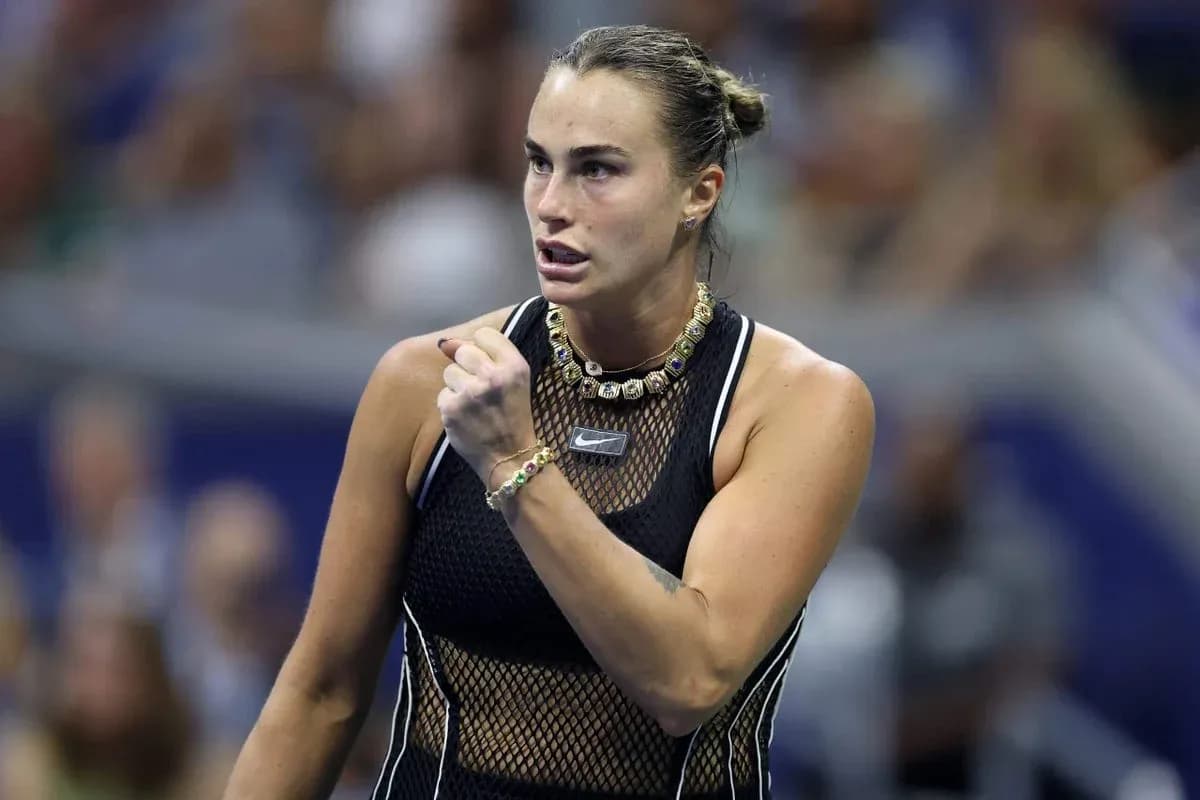
NEW YORK — On a night when the air sat heavy over Arthur Ashe Stadium, Aryna Sabalenka cut straight through it.
The defending champion bullied her way past Jessica Pegula 7-5, 6-2 to reach a fourth straight U.S. Open final, moving within one win of a three‑peat in the city she adores and on the court she has all but claimed as her own. Waiting for her is Elena Rybakina, the woman who will take her No. 1 ranking on Monday.
The crown might be changing hands. The territory, for now, is not.
A champion reappears
For months, Sabalenka had looked nothing like the force who terrorized the first quarter of the season. Since April, the errors had crept in, the self-sabotage had returned, and opponents no longer walked on court half-beaten. She lost matches as much with her head as with her racquet.
That version of Sabalenka has not stepped off the plane in New York.
This fortnight has brought back the ruthless, uncluttered version of her game. Six matches, six wins, and a swagger that had gone missing. She walked into Ashe on Thursday night edgy but electric, and walked out with Pegula squeezed out of the contest and the crowd largely denied the drama it craved.
“I feel confident and I feel mentally and physically really strong right now,” Sabalenka said afterward. The tennis matched the words.
Lockdown tennis in a tight first set
Pegula arrived as the world No. 3 and one of the steadiest players of the summer, 22-5 since a first-round exit at Roland Garros. She had also thrashed Sabalenka 6-0 in Berlin earlier this year. That memory didn’t survive long under the Ashe lights.
From the start, Sabalenka hammered into the court, taking Pegula’s flat, central drives and firing them back with interest. Pegula tried to drag errors out of her, robbing her of angles, forcing her to hit through the middle. On grass in Berlin, that plan had worked. On this bouncy hard court, it played straight into Sabalenka’s strike zone.
The first set became a serving contest, 11 straight holds, rallies sharp and short, tension building with every game. Pegula earned just one break point. Sabalenka erased it with a heavy first serve and a forehand that exploded through the court.
At 5-6, Pegula finally blinked. Sabalenka’s weight of shot drew two errors. Under pressure, Pegula double-faulted. On Sabalenka’s second set point, she drove the ball hard down the middle again, Pegula netted, and the defending champion had the lead she craved.
One crack in the door. That was all Sabalenka needed.
No way out for Pegula
From there, the match narrowed into something brutal for the American. Pegula kept swinging, kept trying to find patterns that might drag Sabalenka into doubt. They never came.
Sabalenka’s serving numbers on paper were not perfect — just 55 percent of first serves landed — but the second serve did the damage. Kicking, twisting, jumping at Pegula’s shoulders, it won her two-thirds of those points and kept the American from attacking.
Pegula, who has built her career on consistency and clarity of plan, found herself with neither. Once Sabalenka timed that flat pace, the court seemed to shrink for the American. There was no bailout serve like Rybakina’s, no raw athleticism in the mold of Coco Gauff to scramble her way out of trouble. Pegula knew it. She said as much afterward, pointing to those contrasts and to the reality of what she had faced.
“I do think the way she played tonight, I think she would have beaten anybody,” Pegula admitted. It sounded less like praise and more like a verdict.
Even the lighter moments carried that same truth. Pegula said she and her team had joked with Sabalenka’s, asking if the Belarusian actually liked them and whether, just once, she might show up “off a little bit” to give her a chance. There was no such mercy on this night.
Hard-court empire
Sabalenka’s hard-court record at the majors now borders on dominance. This will be her fourth straight U.S. Open final; she has already won two of the previous three. In Melbourne, she has reached four consecutive Australian Open finals and lifted that trophy twice as well.
The third title in Australia has stayed just out of reach, two straight losses in the final stinging her early-season narrative. New York feels different to her. Different energy, different relationship, different belief.
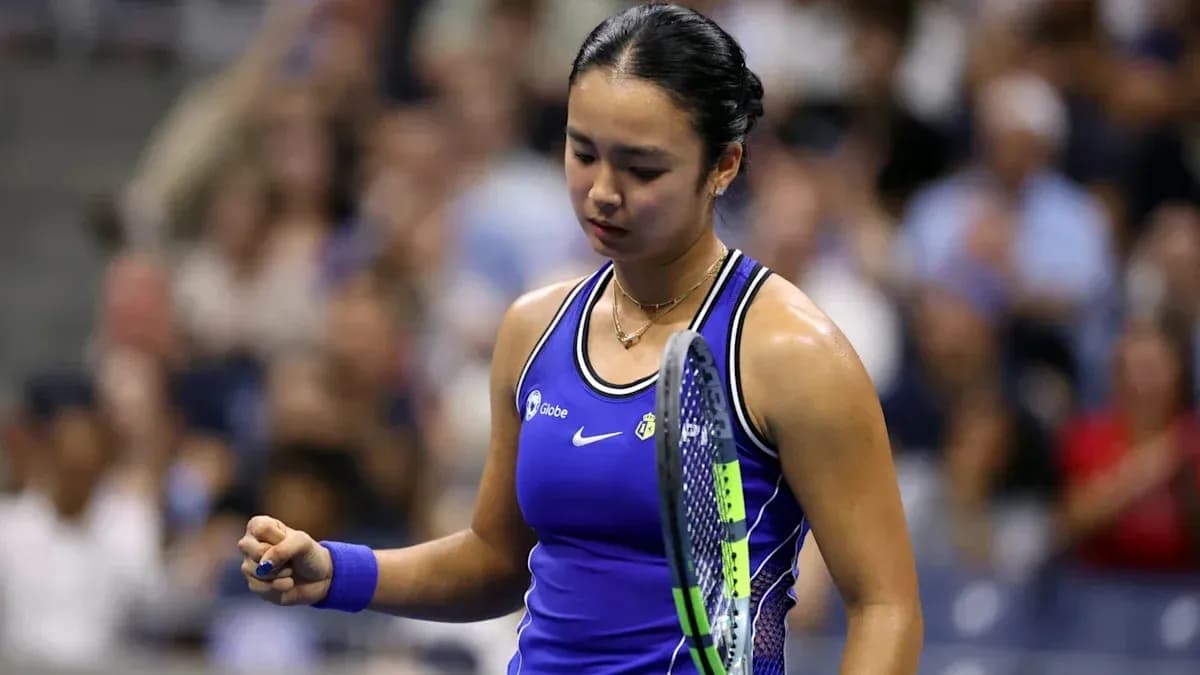
She leans into this city. She named her cavalier King Charles spaniel Ash after this stadium. She talks about the noise, the rush, the chaos as fuel. On Thursday, that bond was obvious. The crowd wanted to roar for Pegula, the home hope, but Sabalenka never really allowed it. She played with a kind of liquid aggression, letting the ball fly, trusting the work she insists she has done to steady her mind.
“I just love New York and I love being here, and I love the energy of the city,” she said. “I think that’s what drives me. That’s what really inspires me and pushes me to keep going.”
The ranking that has defined her year slips away on Monday. She has made peace with that. This fortnight has been about something more tangible: the trophy she can hold, the history she can carve.
She has one match left, against the woman about to replace her as No. 1. Sabalenka has essentially owned the hard-court Slams for four years. Now she walks into another U.S. Open final with the chance to prove that, number beside her name or not, this is still her territory.
One night. One opponent. A three-peat on the line in the city that seems built for her kind of chaos.