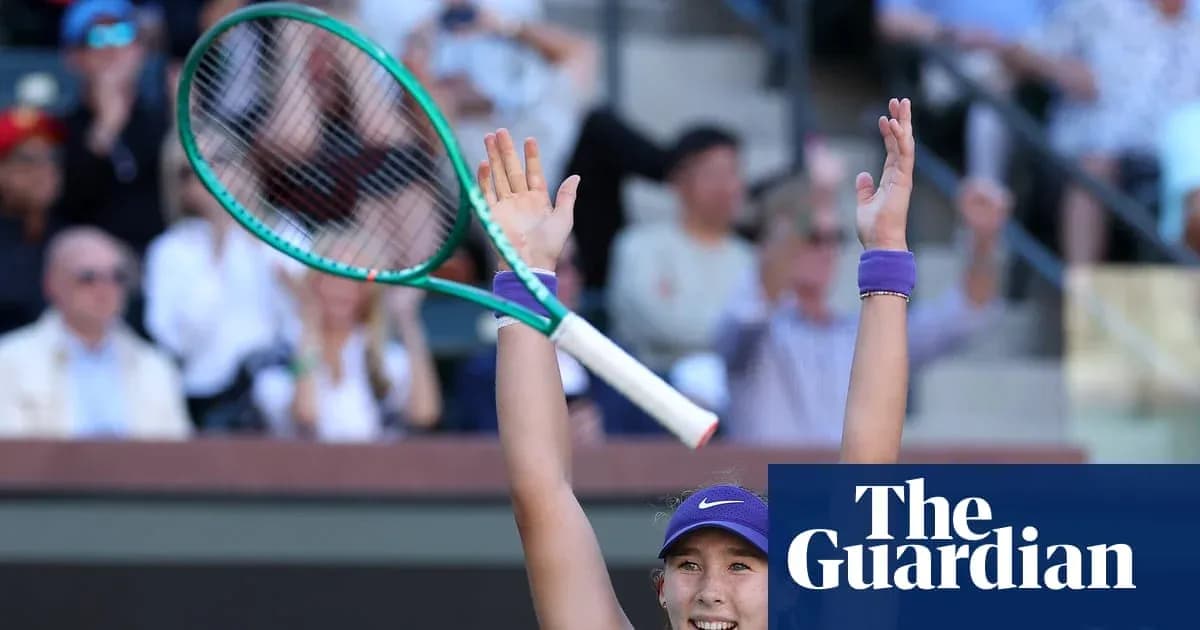
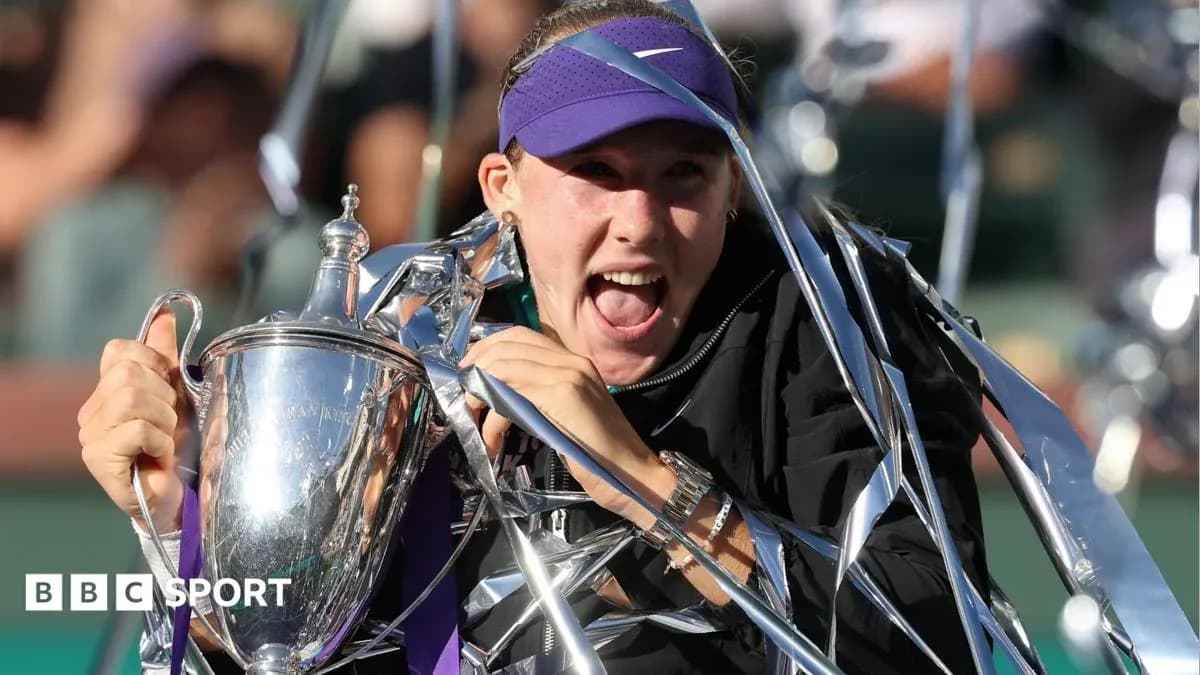
Alexandra Eala's Remarkable Journey: From Promising Talent to WTA Star
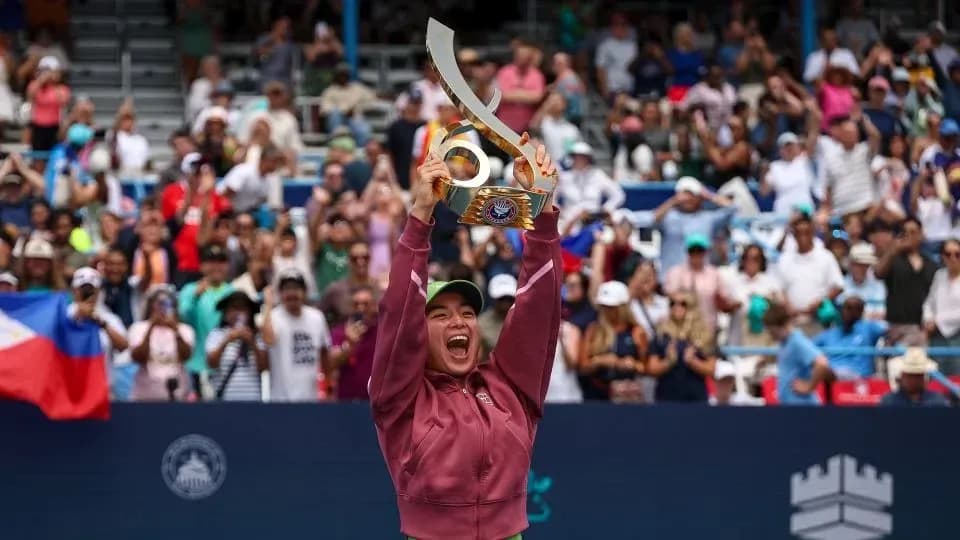
Royal blue, red, white, yellow. The colors hit you first.
They streaked across the stands at Victoria Park in Hong Kong, wrapped around shoulders, painted on cheeks, stitched into flags. Wherever you looked, there was a piece of home for Alexandra Eala – even if home was thousands of miles away.
For a sport obsessed with the search for its next generational star, the 21-year-old left-hander has become something else entirely for the Philippines: a rallying point for an archipelago of more than 110 million people, many of them watching from far-flung corners of the world.
This year, she gave them a season they will not forget.
A breakout year that changed everything
Eala began 2024 as world No. 53. A promising talent, yes, but still on the fringes of the elite. Then the results started to land.
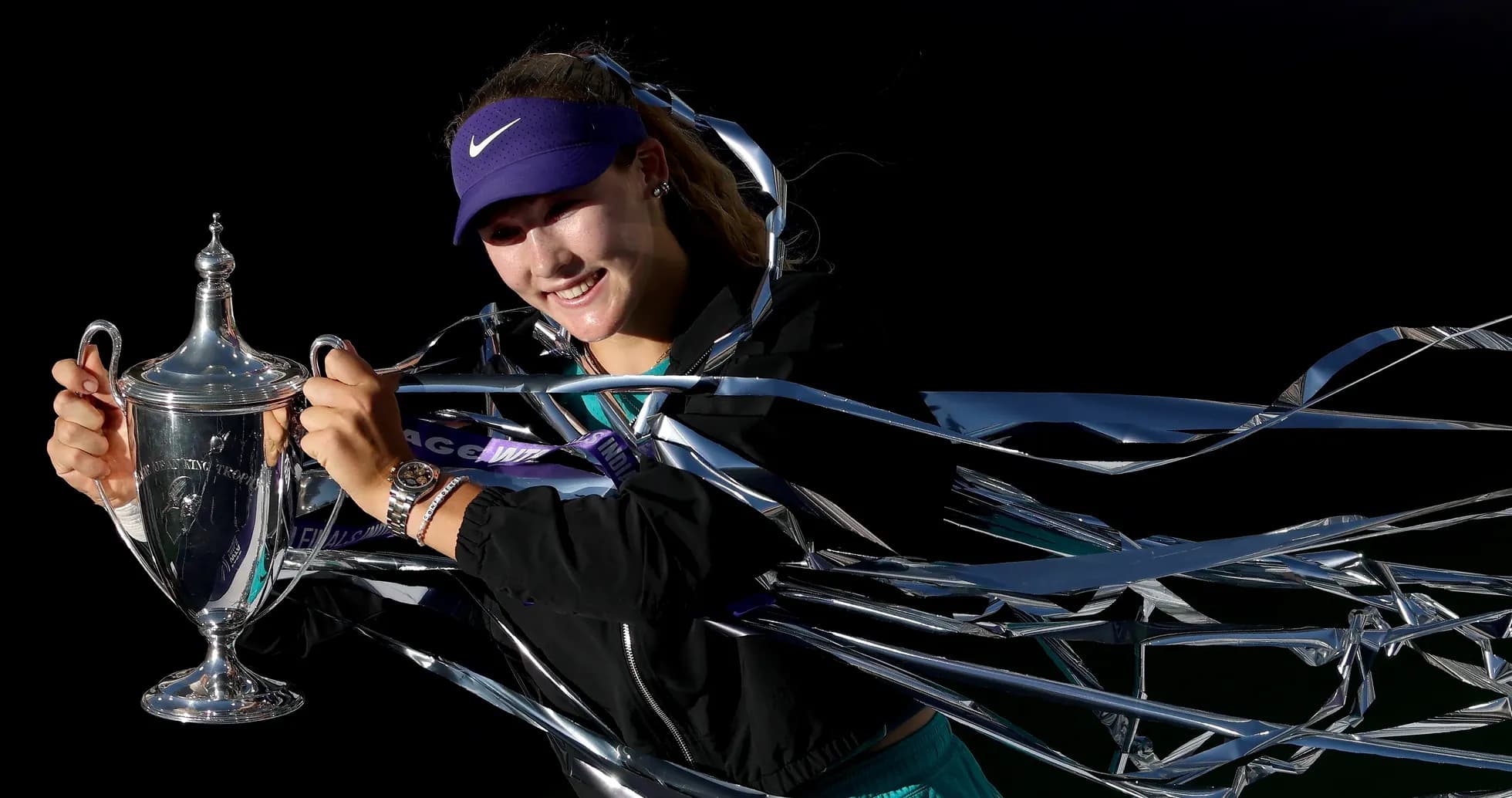
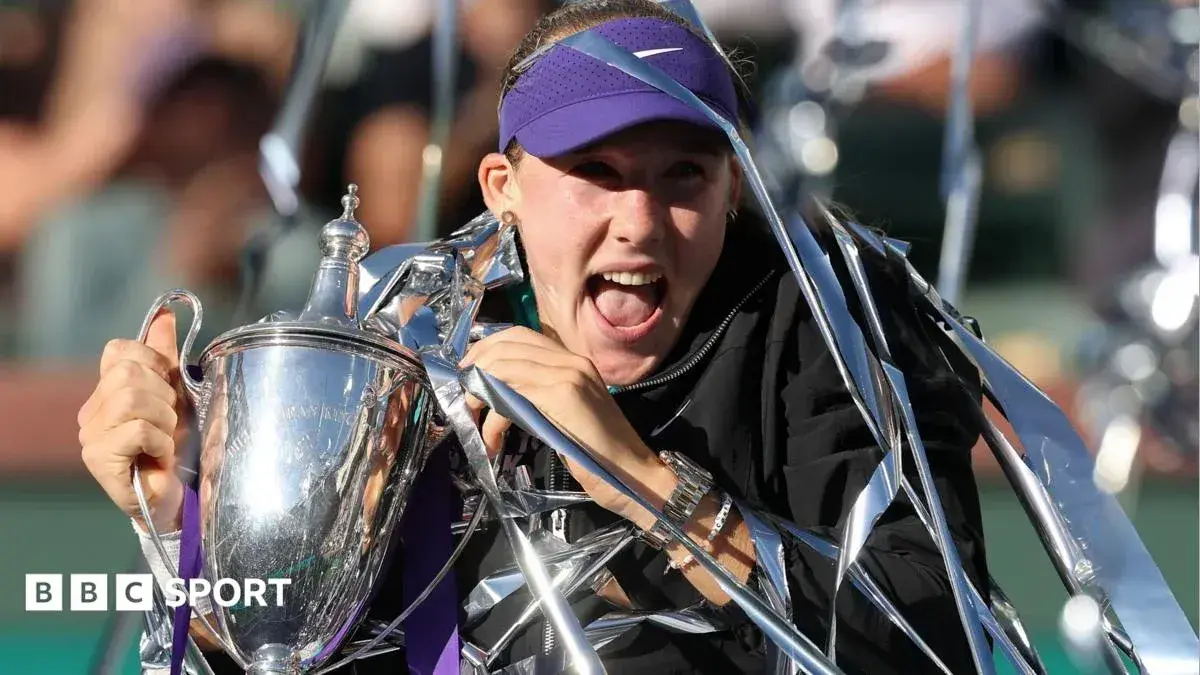
On the grass of Wimbledon, she took out defending champion Iga Świątek in the third round, a seismic win that reverberated far beyond Centre Court. A few weeks later in Washington, she beat Jessica Pegula and stormed to the title, becoming the first player from the Philippines to win a WTA Tour singles crown.
From there, the climb accelerated. By the time she reached the final of the Prudential Hong Kong Tennis Open – her last event of the season – she had surged to No. 15 in the world, a career high. That ranking makes her the highest-placed Filipino player and the highest-ranked Southeast Asian in WTA history.
The higher she rose, the sharper the scrutiny. The demands of the tour, the pressure of expectation, the constant question of whether she could keep this pace. Eala understands that trade-off.
"I think that the expectation rises, but so does the demand in terms of what the sport demands of you and what the level demands of you," she told CNN Sports.
She is not yet claiming a place among the all-time greats. She is, however, very clear about where she is headed.
"I just look forward to having another season full of hardship, full of joy, and hopefully full of success," she said, her voice carrying the calm of someone who has already accepted the grind.
Tears in Hong Kong, pride in the journey
Her bid for another WTA title ended one step short in Hong Kong. The defeat did not dull the season; it simply underlined what it had cost.
On a humid night in Causeway Bay, Eala and Claire Liu opened the final locked in a tight early battle. Rallies stretched, the crowd roared, the momentum swung. Then Liu, a 26-year-old American, changed gears. She found her range, tightened the screws and reeled off nine straight games. In an hour and 33 minutes, she had a 6-3, 6-0 victory and her first WTA title.
For Eala, the scoreboard hurt, but the moment was bigger than the loss.
"This season has changed my life," she told the crowd, tears welling as she addressed them after the final. "It has changed my life for the better. I am incredibly proud of the work we have put in this year. We are the only ones who truly knew what it took to arrive at this point in our journey."
Liu, speaking later, admitted that facing Eala meant dealing with more than just her forehand.
"I can't speak for everyone, but playing against Alex is one of the hardest things because of the crowd," she said. "No matter where she goes, she always has so many supporters, which I think is really great in general for tennis."
A nation in the stands
Those supporters have become part of the Alexandra Eala story.
Wherever she plays, Filipino fans chase tickets, rearrange shifts, pull children out for late nights at the tennis. For them, a stadium becomes a makeshift town square – a homecoming every time she walks on court.
Hong Kong, with its community of more than 200,000 Filipinos, felt like a festival. Domestic workers on their lone day off, young professionals, schoolchildren still in uniform – they all poured into Causeway Bay to watch her play, even when matches stretched late into the weeknights.
"We idolize her for her resilience, same as an OFWs who never give up," said Lids Romero, a domestic worker who spent her only Sunday off at the official fan zone to watch the final.
From the Philippines, Moy Volante flew in with his family just to see Eala compete. He spoke of her determination to fight through difficult matches, a trait he hopes his daughter will mirror.
"You can really feel the unity and support of Filipinos," he said of the atmosphere that wrapped around the tournament.
Eala, in turn, feels it every time she steps on court.
"I love their passion," she said. "They really support me without fail in so many tournaments."
In Victoria Park, young girls held up signs – "Let's Go! Alex" – while others waved hand-drawn banners colored in the shades of the Philippine flag. Parents watched as their daughters leaned forward in their seats, eyes fixed on the court.
"I want them to get inspiration from Alex," said Marlon Avines, who brought his three daughters to the park. "The grit, persistence and giving pride to the country."
Eala has a simple message for those girls and young women who see themselves in her story: chase what lights you up.
"I think it's better to go through the hardships doing what you love, and you can always come back to that when things get difficult," she told CNN Sports.
From family pastime to global stage
The hardships started early.
Eala picked up a racquet as a preschooler, guided by her late grandfather, "Lolo Bob." What began as a family activity soon became something far more consuming. She once described it on Maria Sharapova's podcast as an obsession, like having a "crush on perfection."
The wider tennis world took notice in 2018. As a 12-year-old wild card, she won Les Petits As, the prestigious under-14 event often seen as a predictor of future champions. A few months later, shortly after turning 13, she left Manila for Mallorca on a scholarship to train at the Rafa Nadal Academy.
The move accelerated everything. On the junior circuit, she gathered titles and confidence. She won her first junior grand slam crown in girls' doubles at the 2020 Australian Open, then made history in 2022 at the US Open, becoming the first Filipina to lift a junior grand slam singles trophy.
By March 2020, she had officially turned pro. The stakes rose, the margins tightened, but one thing stayed constant: her standards.
"I've learned to push my limits," she said. "I've learned a lot about what my limits are … and the bar can always be raised."
That bar now sits inside the top 20 of the world rankings, with a fan base that stretches from Manila to Madrid to Hong Kong. The colors in the crowd tell the story before a ball is even struck.
The question now is not whether Alexandra Eala belongs at this level. It is how far this relentless pursuit of perfection can take her – and how many more courts around the world will turn into home when she walks through the tunnel.