Alex Eala's Tokyo Exit Signals Future Potential
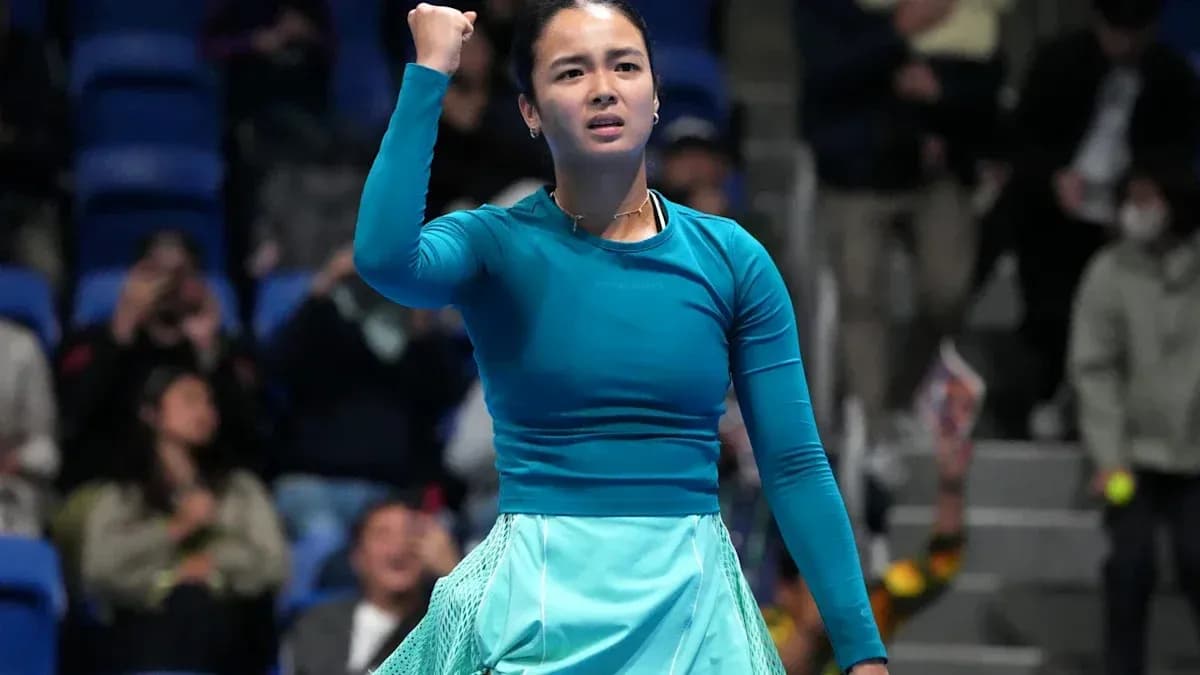
Alex Eala walked out of Tokyo with a quarter-final loss on her record and a quiet but unmistakable message tucked under her arm: she is closer to the sport’s sharp end than the result suggests.
This has already been the season that changed everything for the 21‑year‑old Filipina. Her first WTA title in Washington. A charge into the second week of Wimbledon. A place inside the world’s top 20 for the first time. The kind of year that rewrites a career trajectory.
Then came the post‑US Open drag.
Since New York, Eala has won only three of seven matches on the WTA Tour, a stuttering return for someone who had been riding a surge of confidence and form. The rhythm that carried her through the summer suddenly slipped out of sync. Draws got trickier, errors crept in, and the tour’s grind began to bite.
Twice in that stretch, the road ran straight into Diana Shnaider. Twice, Eala came up short.
Tokyo changed the tone.
Pushing the Champion to the Brink
Their meeting at the Tokyo Open felt different from the one in Ningbo. This time, Eala came out swinging and took the match to the Russian left-hander, racing through the opening set 6-2. She had Shnaider on the stretch, dictating rallies, hitting through the court with the kind of conviction that marked her best spells this year.
Then the tension tightened.
Shnaider clawed her way back, edging a knife‑edge second set in a tiebreak, 7-6(5), before finally turning the match around to win 2-6, 7-6(5), 6-4. The Russian survived. Eala left with the sting of a missed chance.
Yet the scoreboard only tells part of it. Eala stood two points from a straight‑sets win over the player who would go on to lift the trophy. No one in Tokyo pushed Shnaider closer to the exit. Others dragged her into three sets, but none came as close to shutting the door.
That matters.
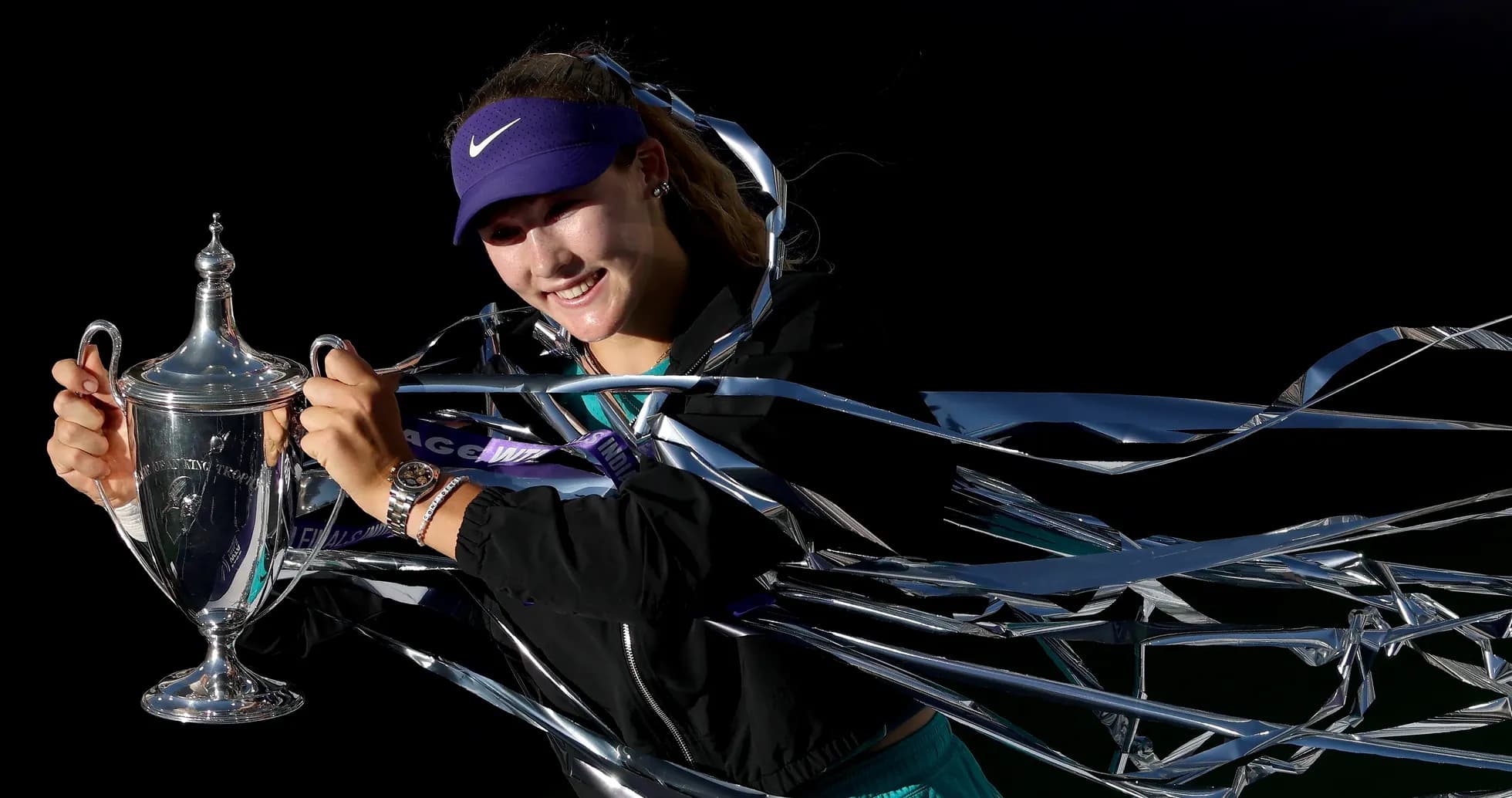
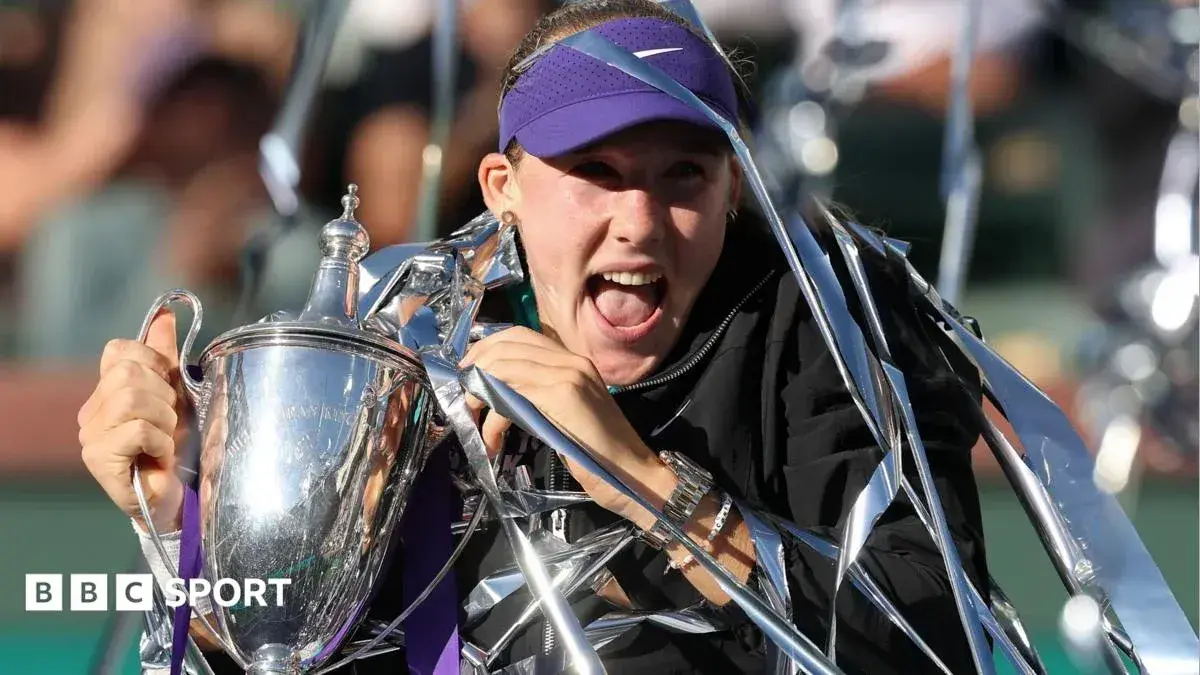
For a player trying to punch through a rough patch, those margins are everything. One or two points, and the narrative swings from “quarter-final defeat” to “win over the eventual champion” and a shot at the title. Instead, Shnaider left with her first tournament victory of 2026, beating Leylah Fernandez in the final, while Eala departed with what‑ifs.
Look a little deeper, though, and Tokyo stands as her best tournament since the US Open. Not because of the round she reached, but because of who she nearly took out and how fiercely she closed the gap on an in‑form opponent who ended the week with the trophy in her hands.
A Different Kind of Threat in Hong Kong
Now comes the last stop of Eala’s 2026 season: the Hong Kong Open. No Shnaider in the draw this time, which might feel like a small relief. The threats, however, are scattered everywhere.
First up is Alycia Parks in the opening round. On paper, it is a balanced matchup; the head-to-head sits at 1-1, and Eala won their most recent encounter. Parks’ power can blow open a match in a few games, but Eala’s improved baseline solidity and court craft have given her a sturdier platform this year. If the serve returns and the forehand fires like it did in that first set in Tokyo, the Filipino will like her chances.
Beyond that, the draw offers a familiar mix. Based on rankings, the most likely hurdles are Tereza Valentova, Xinyu Wang, Maria Sakkari and Sorana Cirstea. Eala knows three of them well.
She is 1-1 against Wang and Cirstea, and again, crucially, she won their latest meetings. Those are the kind of details players carry with them into a locker room before a match — small edges of memory that can calm the nerves on tight points.
The real puzzle, though, is Valentova.
The 19‑year‑old Czech, once up to world No. 42 in May after a breakout 2025, has endured a dip in form and injuries that dragged her outside the top 80. The ranking drop hides the danger. Eala knows it too well: she has faced Valentova twice, at the Japan Open in 2025 and the Qatar Open in 2026, and lost both times.
If the draw unfolds as expected, their paths could cross again in the second round. For that to happen, Eala must first get past Parks, and Valentova must handle qualifier Himeno Sakatsume in her opener. Only then would Eala face the one player in this section she has never managed to solve.
Sakkari, the highest‑profile name in that cluster, offers a different kind of unknown. Eala has never played the Greek before. A potential meeting would be a fresh test against one of the tour’s established competitors, another marker of how far she has climbed this season.
The main draw in Hong Kong starts on Monday, November 2, with Eala and Valentova both scheduled to open on Tuesday. One final week, one final chance to turn the promise of Tokyo into something more tangible.
She leaves Japan knowing she went blow for blow with the eventual champion and almost flipped the script. Now the question is simple: can she turn those thin margins into a second WTA title before the year runs out?