Alex Eala's Impact on Tennis Culture
The roar hit first.
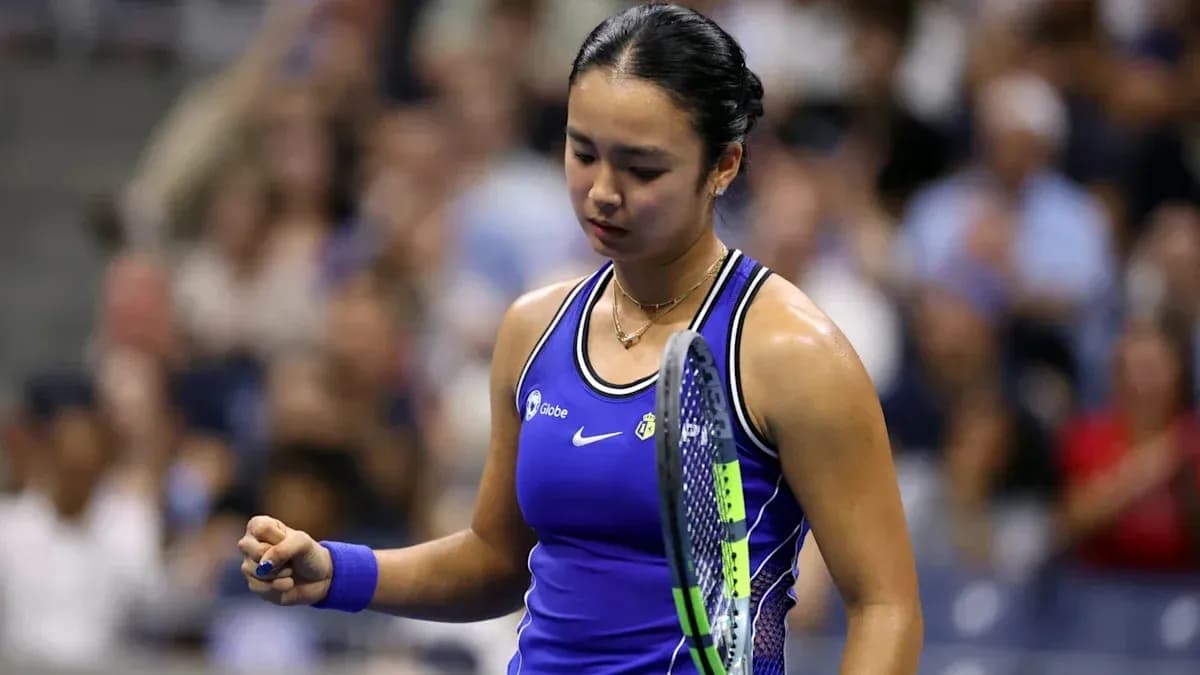
Not the polite murmur that usually rolls around Louis Armstrong Stadium, but a full-throated wall of sound — drums of applause, Tagalog chants, flags cutting through the humid New York air. At the center of it all, as she has been for much of this US Open, stood Alex Eala.
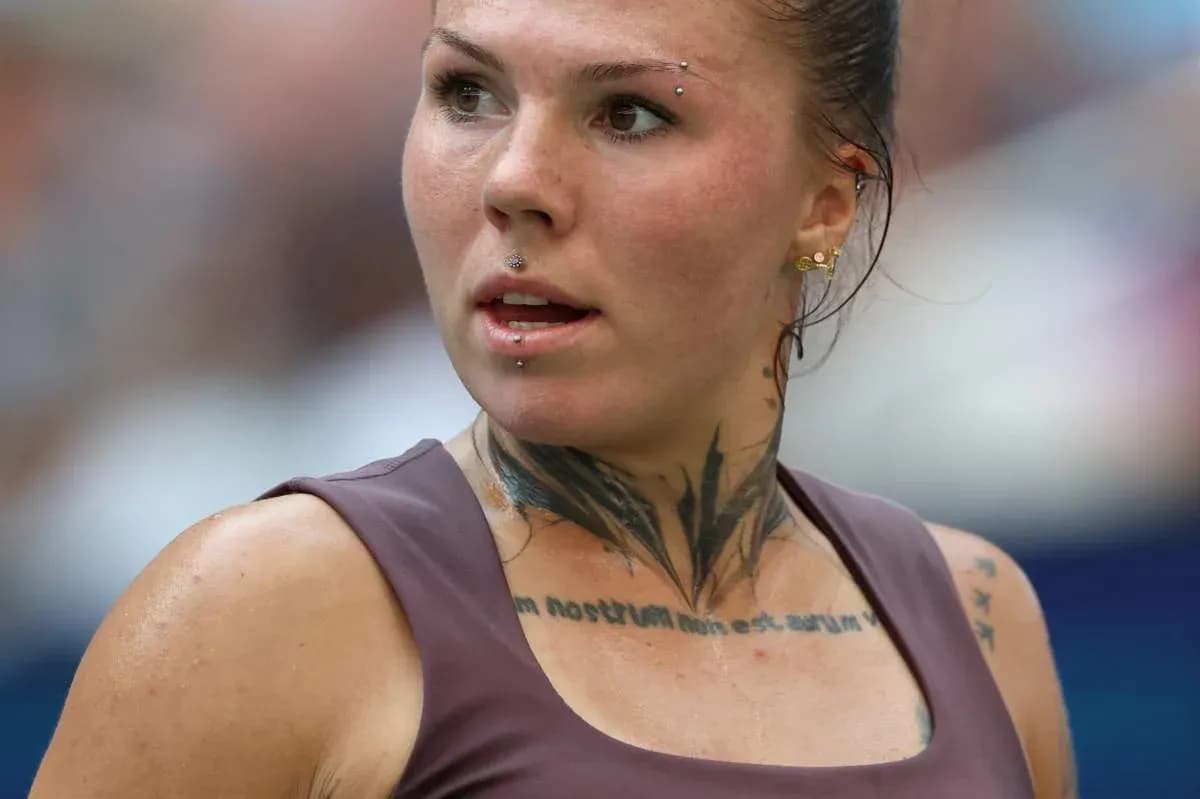
Across the net, Oleksandra Oliynykova had the most unforgiving vantage point in the building.
Eala blitzed her 6-1, 6-4 on Thursday, a straight-sets win powered by a crowd that treated every point as if it were match point for a nation. Yet when the noise died down and the scoreline was final, the Ukrainian did something that sliced straight through the debate swirling around this new, unapologetically loud corner of tennis.
She thanked them. In three languages. Including Filipino.
“Mahigpit na yakap sa aking mga tagahanga sa Pilipinas!” she wrote on Instagram. “Napakainit ng inyong pagmamahal, napakatapat, at talagang kahanga-hanga kayo!”
A big hug to her supporters in the Philippines. Praise for their warmth, loyalty and kindness. From the player they had just spent two sets trying to roar out of the tournament.
It was a small post. It said a lot.
A New Soundtrack for Tennis
Eala’s rise has dragged a different kind of soundtrack into a sport that has long prized hush and restraint.
Her matches have become flashpoints. The Washington Post detailed how some of her newer followers have cheered double faults, shouted during points and needed on-the-spot lessons in when silence is expected. One sign at this year’s US Open captured the culture clash in eight words: “Sorry we’re loud. We’re Filipino.”
For traditionalists, this is a breach. Tennis etiquette is built on quiet during serves and rallies, respect for the opponent’s concentration, and a kind of shared understanding that the sport is played in a controlled atmosphere.
Some of Eala’s fans have tested that line. No one inside the game disputes that players deserve a fair environment, free from deliberate distraction.
But focusing only on the missteps misses the broader picture unfolding around her.
Eala is dragging new people into tennis. People who, a year ago, might not have known where Louis Armstrong Stadium was, or cared who played on it.
At the US Open, that shift has been visible in every corner of the grounds: families wrapped in Philippine flags, kids in Eala shirts, fans pouring in from Filipino communities in Queens and New Jersey. The tournament itself described Thursday’s scene as a “Filipino party,” and that is what it felt like — a block party that just happened to be wrapped around a second-round match.
One woman told USOpen.org that her granddaughter picked up a racket because of Eala. That is not a statistic. It is the seed of a future player, or at least a future fan. That is how sports grow.
The Opponent Who Heard More Than Noise
For Oliynykova, the experience did not end with the last ball.
“I went for a little walk around the US Open grounds, and it was incredibly heartwarming to see how many people came up to me with kind words,” she wrote on Instagram.
She spoke of an “incredible number” of messages and comments. She thanked people for making her feel supported.
This was not the voice of someone scarred by a hostile crowd. This was the opponent, the player on the receiving end of every Eala cheer, acknowledging that the same fans who screamed for her defeat also reached out with grace once the match was done.
The duality is familiar to anyone who knows Filipino sporting culture: fierce during the fight, disarmingly warm once it is over.
Oliynykova chose to recognize that. Not just in English. Not just in her own language. But in Filipino as well.
In a debate that has often reduced Eala’s supporters to a caricature — too loud, too unruly, too different — her words cut through with a simple counterpoint: there is more happening here than noise.
A Different Audience, a Different Future
Eala’s ascent has unsettled some corners of tennis because her following does not look or sound like the sport’s traditional base.
This is not the hushed center court of an old European club. This is New York, flooded with Philippine flags and Tagalog signs, Reuters describing Armstrong as one of the loudest venues on the grounds as Eala rode the energy to another win.
There is a line that cannot be crossed. Fans can, and should, learn when to hold their breath and when to let it rip. Cheering double faults or shouting mid-rally is not part of any healthy atmosphere.
But asking them to check their emotion at the gate is something else entirely.
The Wall Street Journal recently detailed how Eala has sparked fresh interest in tennis across the Philippines, a country of more than 100 million people where basketball and boxing have long dominated. Courts are filling. Rackets are being bought. Kids are tuning in.
For years, tennis has talked about the need to reach younger, more diverse, more global audiences. To break out of its narrow lanes and speak to people who do not see themselves in the sport’s traditional image.
Eala is doing exactly that.
Her fans are learning the rhythms and unwritten rules of tennis in real time. They will adjust. They will refine. But they are not going away.
And as Oliynykova’s message hinted, the sport might have to adjust, too — not just to the volume, but to the possibility that this is what the future of tennis looks and sounds like when a new country, and a new generation, finally feels invited in.