2026 U.S. Open: Chaos on Court and Controversy Off It
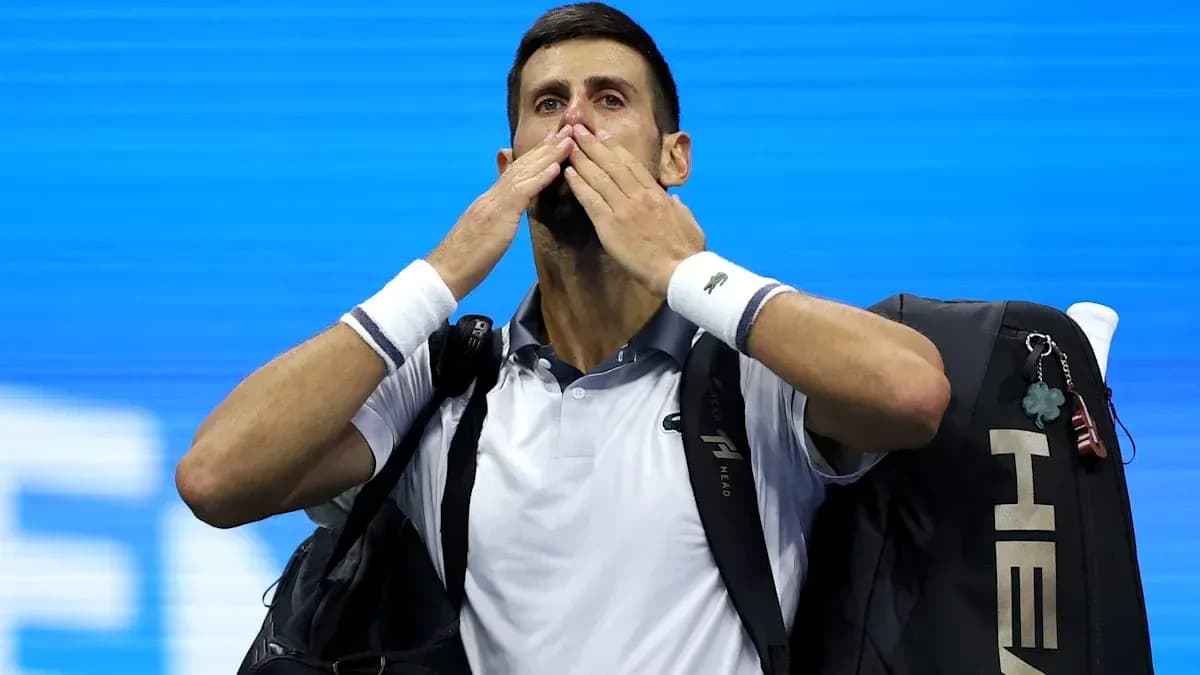
On court, the 2026 U.S. Open has delivered the kind of chaos and quality that tournament directors dream about. Novak Djokovic’s exit in the first round detonated the men’s draw on day one, setting the tone for a fortnight of upsets, breakthroughs, and underdog runs that have refused to die quietly.
The women’s event has leaned the other way. The stars have mostly held their nerve, producing the marquee performances and heavyweight clashes that anchor a Grand Slam. The tennis, in pure sporting terms, has been riveting.
Yet the story of this U.S. Open is not being written only with rackets and scorelines. It’s being drowned out by the noise in the stands.
Influencers, Etiquette, and a Culture Clash
The tournament’s decision to invite social media influencers as part of a broader push to modernize its image has backfired spectacularly. Those guests, given prime access and visibility, have quickly become the lightning rod for a wider storm over respect, etiquette, and what a tennis crowd should look and sound like.
Clips have circulated of influencers treating matches like backdrops rather than sporting contests, chatting through points, filming content mid-rally, and generally ignoring the quiet that has long been part of tennis’ unwritten code. The reaction has been fierce. Traditional fans and purists see it as a line crossed, a commercial gamble that has cheapened the atmosphere.
But the problem runs deeper than a few viral personalities.
Arthur Ashe Stadium Turns Up the Volume
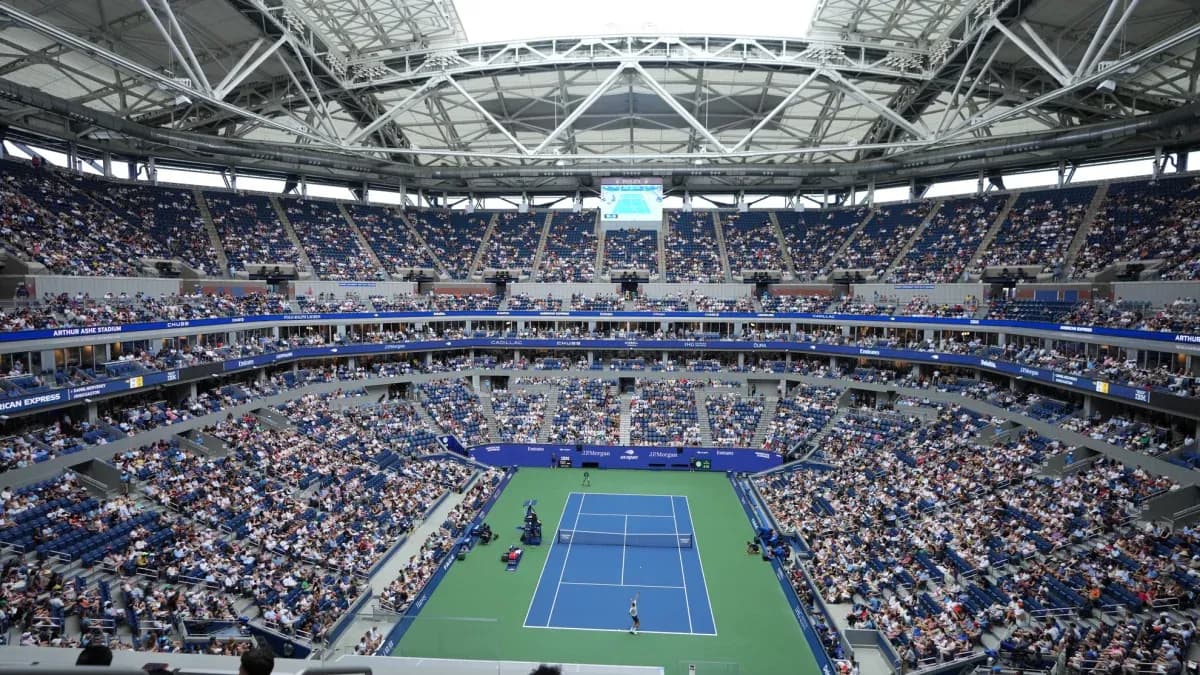
The flashpoint came during a night session on the main court at Arthur Ashe Stadium. Under the lights, with high-stakes tennis unfolding, the noise never really dipped. The crowd stayed loud while points were being played. People in the lower bowl stood up, moved around, and wandered the aisles as if they were at a basketball game or a concert, not a Grand Slam match.
This wasn’t a small pocket of unruly fans. It felt systemic. The usual hush that descends before a serve never quite arrived. The sense of shared responsibility—to give players a fair stage—seemed to evaporate.
That goes well beyond influencers. It points to a growing gap between what tennis demands and what many casual spectators now expect from a live event.
A Tournament Losing Grip on Its Own Space
Crowd control, once a quiet strength of the U.S. Open, suddenly looks like a glaring weakness. When fans can roam the lower level mid-point and sustained noise becomes the norm rather than the exception, something in the operational framework has slipped.
This is not a minor aesthetic issue. For players, the difference between a focused, controlled environment and a restless, chattering stadium can tilt tight matches. For viewers at home, the spectacle risks feeling less like a major and more like a noisy exhibition.
The organizers wanted energy. They have it. What they lack right now is control.
Backlash Incoming
As the tournament barrels toward its conclusion, the tension between the brilliance on court and the chaos off it grows sharper. The U.S. Open has always sold itself as the loudest, liveliest of the four majors, a New York showpiece that embraces noise and edge.
This year, that identity has spilled over into something more troubling: a perception that the event is poorly managed, that the line between vibrant and disrespectful has been crossed, and that the people running the show have misjudged their own audience.
When the final ball is struck, the champions will lift their trophies and the highlights will live on. But the organizers will be left with a harsher question: in chasing a new kind of crowd, have they lost control of what it means to watch tennis in the first place?