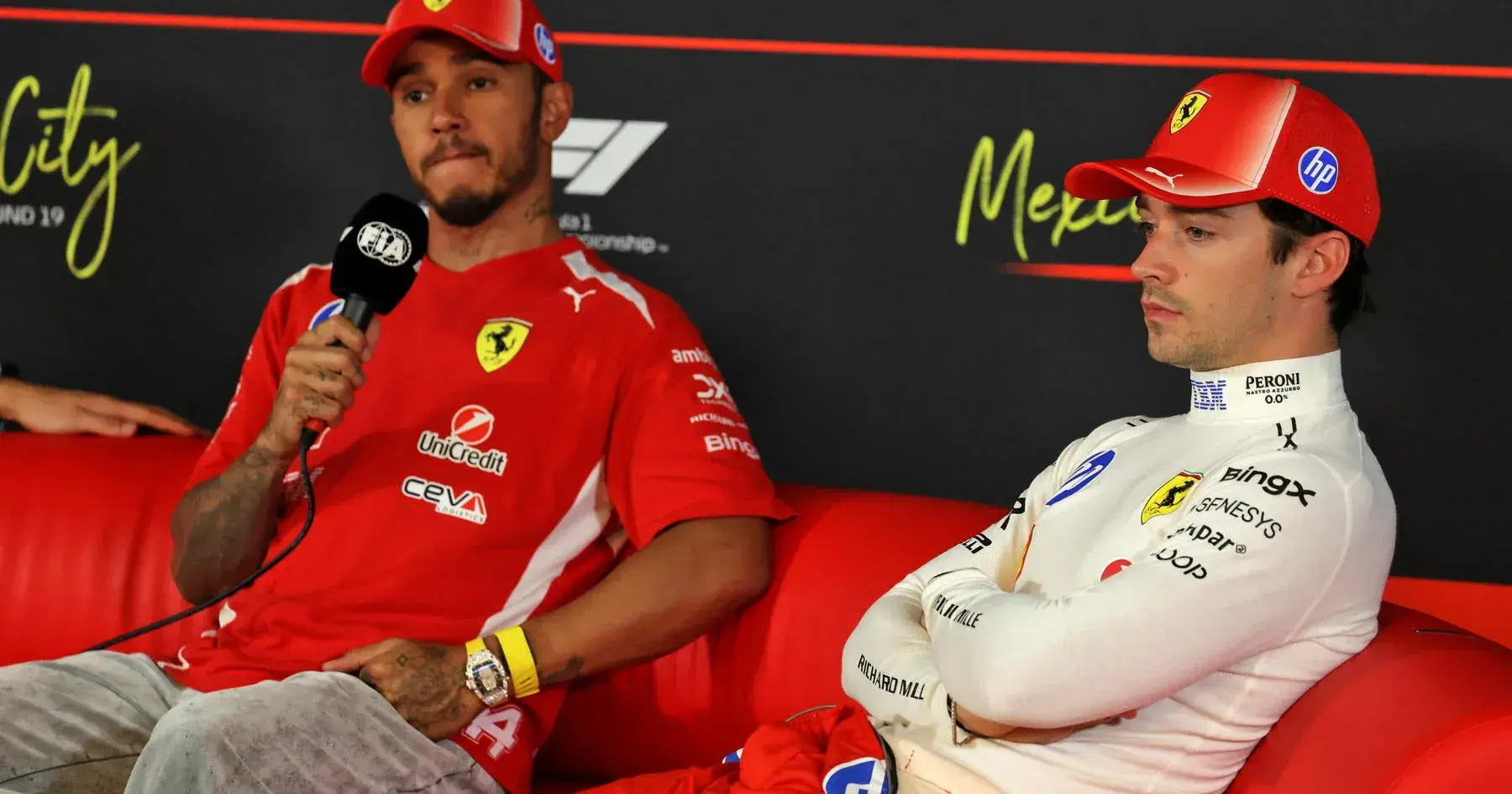
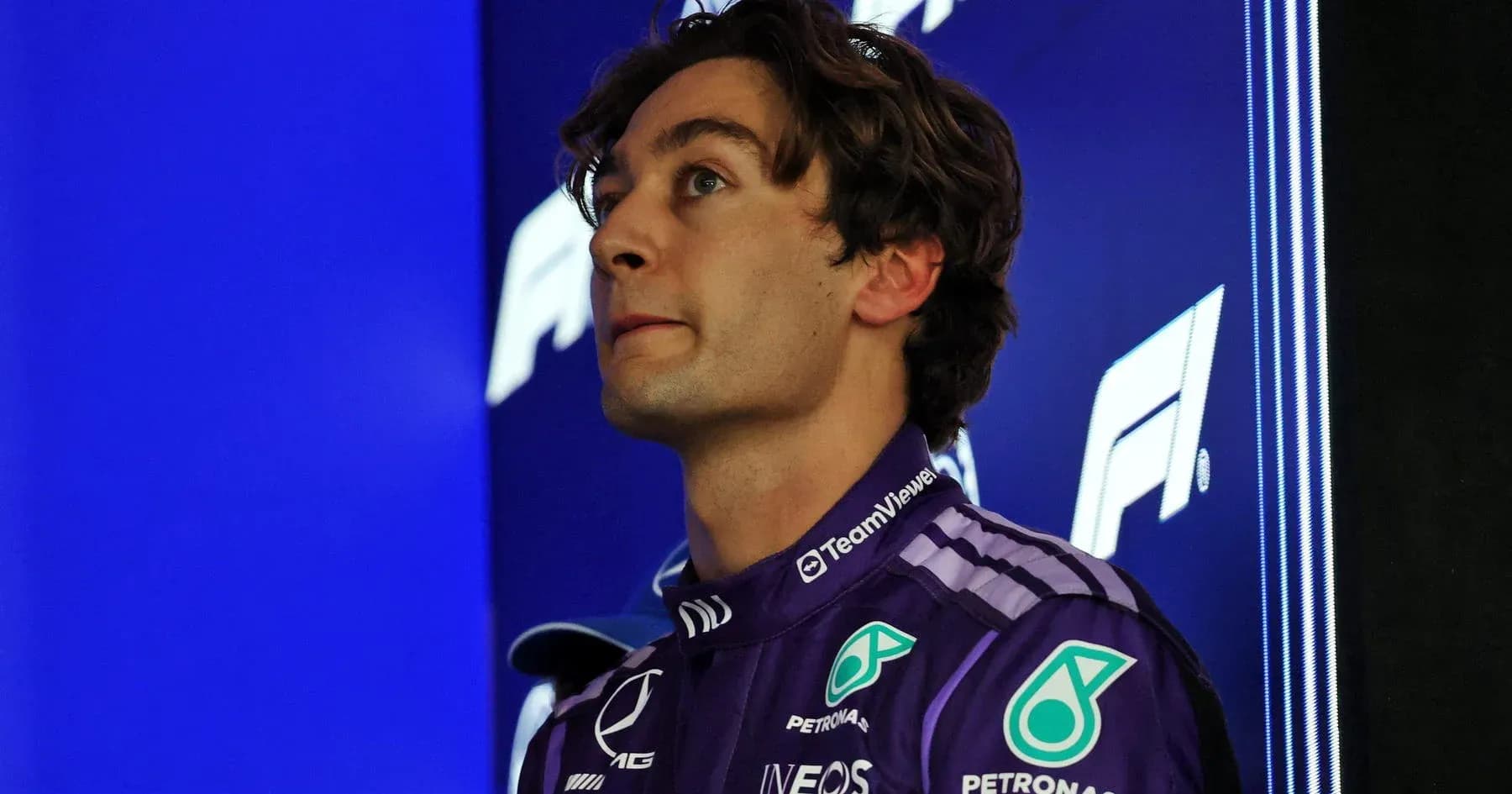
Wolff Criticizes MotoGP Riders Over Qatar Standoff
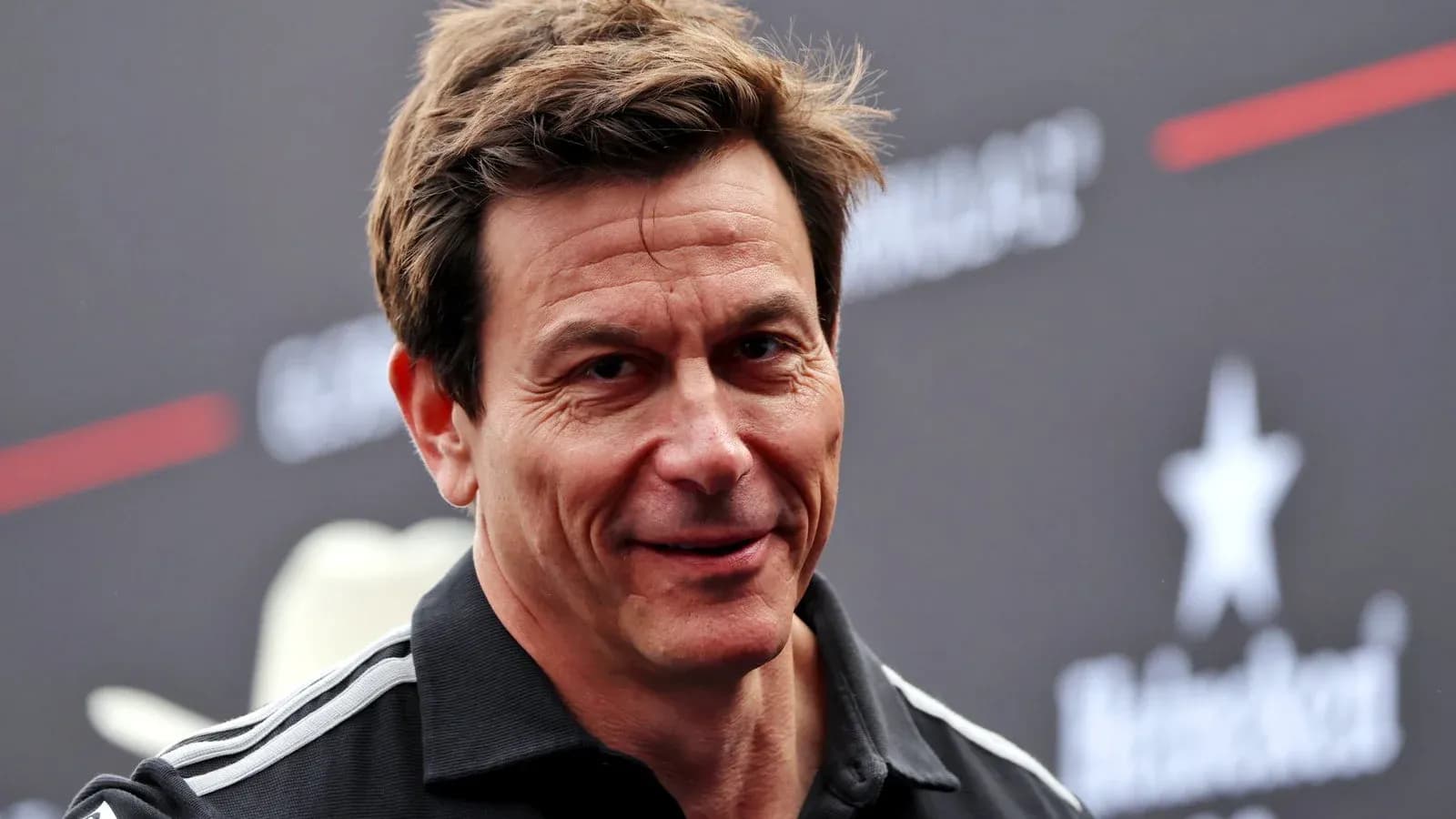
Toto Wolff has launched a sharp rebuke at MotoGP riders over their Qatar stand-off, accusing them of leveraging a platform they “geopolitically know nothing” about while Formula 1 presses ahead with its own plans to race in the Middle East.
MotoGP’s Qatar Grand Prix will run this weekend despite a dramatic escalation in the build-up: 19 of the 22 riders signed a letter last week declaring they would not race unless the championship itself accepted personal responsibility for anything that might go wrong.
Those demands were not met. Instead, riders faced the threat of sanctions, including possible race bans, if they refused to travel. Yamaha chose a different route entirely, withdrawing its four riders rather than bend its corporate travel policy for the Middle East.
Wolff backs F1 stance – and hits out at MotoGP riders
While MotoGP wrestled with internal revolt, F1 has stayed firmly aligned with its own leadership. The championship is still scheduled to race in Qatar and Abu Dhabi at the end of November and into the first week of December, with Imola sitting on standby as a contingency should those events be cancelled. A final call is expected within days.
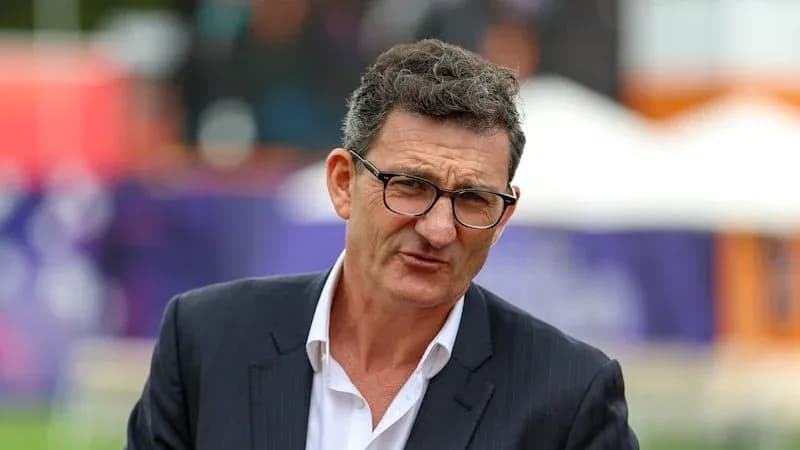
Speaking at the Sao Paulo Grand Prix, Mercedes team principal Wolff nailed his colours to the mast, backing F1 CEO Stefano Domenicali and FIA president Mohammed Ben Sulayem, and taking a clear swipe at MotoGP’s grid.
“Stefano and Mohammed have been pretty clear about the situation, that Formula 1 follows what the international guidelines are, whether there’s travel restrictions, airlines not flying, any warnings in the region, the kind of feedback that local governments are making,” Wolff said.
“So not only the promoters, but what the local governments are making, and this is what you need to rely on in my opinion.
“And I’m fully with that. I think that if riders stand up, who geopolitically know nothing about what’s going on, but have the audience that listens, I think that is something that creates media value.
“But I would have done the same as the MotoGP management has done.
“You want to ride or drive, go. If you don’t want to, don’t go, as simple as that. And everybody can take their personal decisions on that, and I respect that.”
His reading of MotoGP’s position, though, does not quite match reality. While Wolff framed it as a simple matter of individual choice, MotoGP’s commercial rights holder is not leaving it entirely to teams and riders. Yamaha is braced for sanctions for breaching its contract, with a significant financial penalty likely and even the threat of losing constructors’ points on the table.
The tension over speaking out is not confined to two wheels. F1 drivers have also reportedly been told not to publicly air their own concerns about racing in the Middle East, underscoring how politically charged the calendar has become.
Mercedes won’t compel staff to travel
Behind the public rhetoric lies a quieter, more human question: who actually goes?
Several MotoGP teams have already confirmed that some staff chose not to travel to Qatar. Wolff said no one at Mercedes has yet approached him about skipping the Middle East rounds, but he insisted he would support any team member who did.
“Of course, you’ve got to be wary of what’s happening in the next few days, a few weeks, and Stefano has the finger on the pulse to monitor that,” he said.
“If things were to get more dangerous and we would get that feedback, then he’s going to be the first one, together with Mohammed, to protect the people that were meant to travel.
“And so that’s why I’m following their guidance, for what I’m hearing.
“Internally, it hasn’t been raised, hasn’t been a topic, but also there, if someone doesn’t feel comfortable, he or she doesn’t feel comfortable travelling, then that’s something that I would always respect, and maybe that’s another opportunity to give somebody else a chance.
“It wouldn’t change anything for the relationship. I’ve always respected that some people didn’t want to go to certain Grand Prix, and that’s how I see it at the moment.”
As MotoGP heads into a fraught weekend in Qatar and F1 edges toward a decisive call on its own Middle Eastern swing, the split is clear: riders and teams testing the limits of their power on one side, governing bodies and promoters tightening their grip on the other. The next few weeks will reveal who truly holds the steering wheel.