Verstappen Critiques Ferrari's Dual Driver Strategy
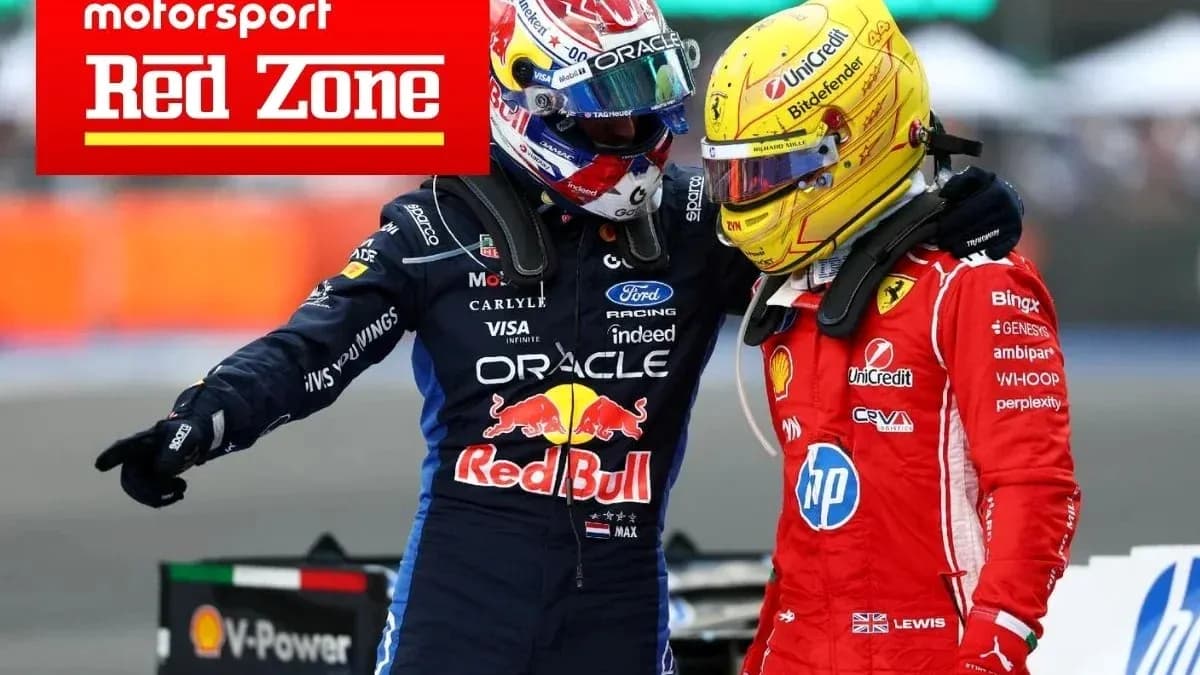
Max Verstappen walked away from Mexico with another win and, in his view, a clear lesson for Ferrari.
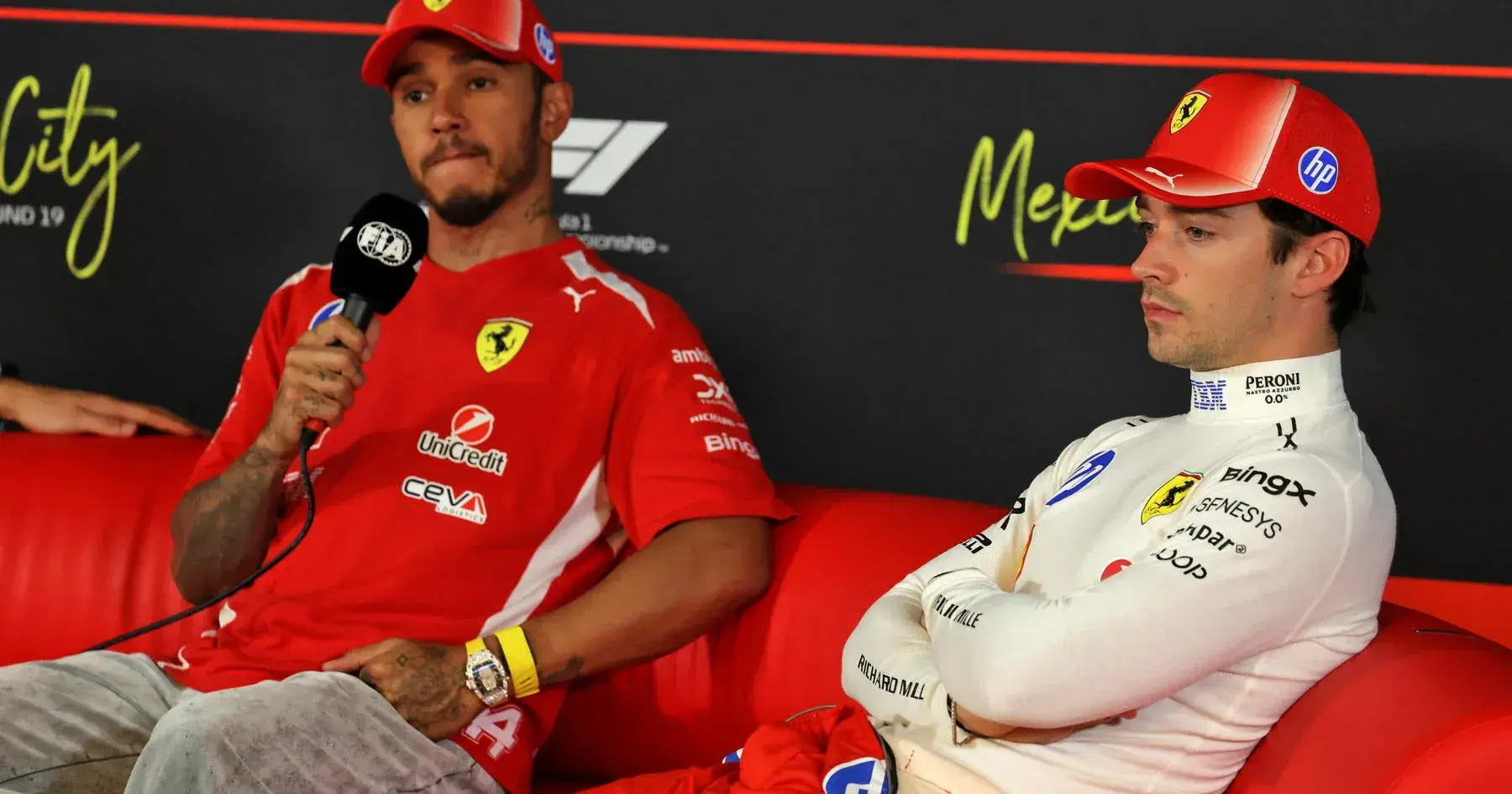
The Dutchman pounced as Lewis Hamilton and Charles Leclerc went wheel-to-wheel at the start of the Mexico City Grand Prix, the Ferrari pair tripping over each other just enough to open the door. Verstappen swept through, controlled the race, and left with victory. Hamilton salvaged second. Leclerc, hampered by a time penalty, slipped to fourth.
From Verstappen’s perspective, that clash was not just a racing incident. It was the inevitable consequence of Ferrari’s philosophy.
Speaking to Viaplay during the Sao Paulo Grand Prix weekend, he did not bother to dress it up.
“I've said it before, and a lot of people often don't agree, but if I was a team principal, I'd never get two number one drivers because then you get things like this,” he said. “One won't yield for the other because they both think they can win, and that's how I am too. And if I was a team principal, I'd change this.”
For Verstappen, the solution is brutally simple: hierarchy.
“If you had a clear number one and number two, they would've gone through the first corner as P1 and P2 and finished like that. Or P1 and P3, that's fine too, because as a team you're still scoring great points.”
Ferrari has long insisted it does not operate on that basis. Both drivers are free to race. Both are treated as leaders. The romantic idea of equal status is part of the Scuderia’s modern identity, even if history is littered with eras of strict pecking orders.
But equal footing comes with a cost. In Mexico, it was track position and a shot at the win. In Brazil, it was momentum.
Vasseur Tries to Steady the Ship
Interlagos brought Ferrari back down to earth with a thud. Just six points from the weekend, Hamilton and Leclerc finishing only eighth and ninth, was a meagre return for a team still clinging to second in the standings, 95 points clear of Red Bull with three races to go.
The on-track drama in Mexico had already forced action behind closed doors. Team principal Fred Vasseur called his drivers in for a meeting between the two race weekends, determined to address the growing tension.
“We did [the meeting] yesterday evening because I had to fly back to Europe between the two races, but it went well,” Vasseur said at Interlagos. “It was good to discuss, good to clarify my position and their position. It was good to do and now we turn the page and we are focused on the next one.”
The message, though, is not a shift towards Verstappen’s hardline view. Vasseur insists the framework remains unchanged.
“The guidelines is still the same. They accumulated perhaps a bit of frustration because they are starting each weekend side-by-side and you have a kind of accumulation of fact. But at the end of the day, the guidelines is always the same.
“They need to respect each other, they are two competitors with the fighting spirit for sure, but they need to have respect for the other one, but mainly and firstly, they need to respect the brand, the team, the people working at home, the people working on track. I think we are putting a lot of effort on this, and the message was clear and will stay clear.”
So Ferrari stays committed to dual leaders, to internal competition, to the idea that two alpha drivers can coexist under the same red banner without costing the team.
Verstappen is unconvinced. His win in Mexico, aided by that very policy, is his Exhibit A.
As the season winds down and the gap to Red Bull narrows on paper but not in reality, the question lingers over Maranello: will loyalty to equality bring them closer to titles, or keep handing opportunities to the man who would never run his team that way?