The Transformation of the US Open: From Tennis Venue to Amusement Park
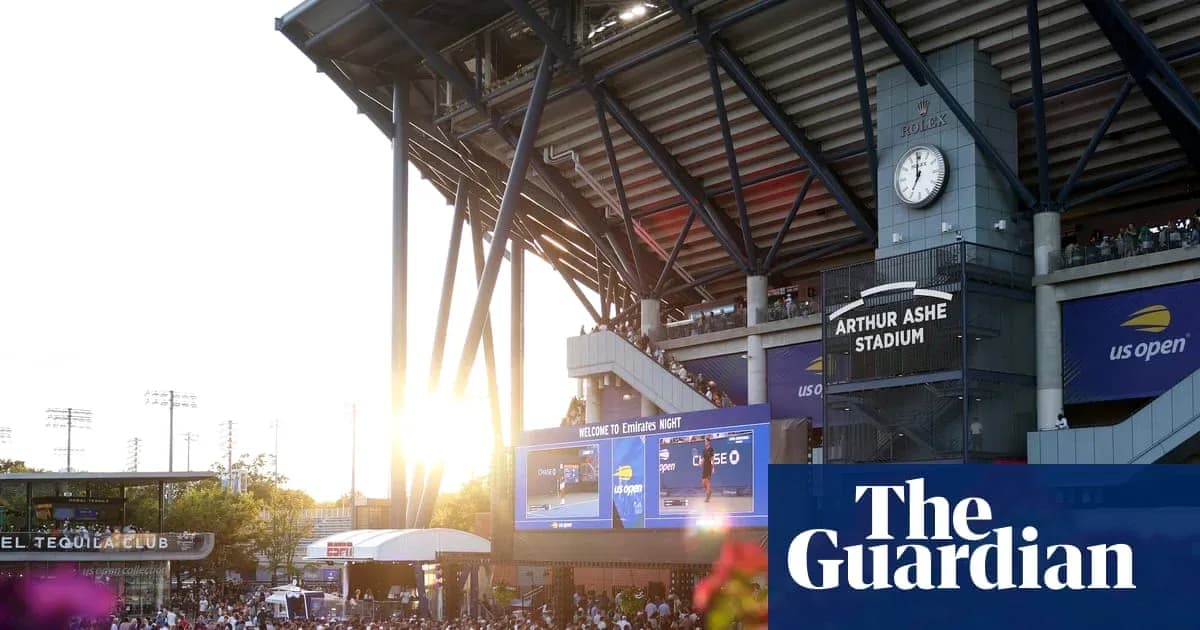
The year is 2041, and the USTA Liquid Death National Tennis Center no longer pretends to be a simple tennis venue. It’s an amusement park with lines, tiers, and microtransactions, wrapped in blue DecoTurf and nostalgia. You clear security, step onto the grounds, and the sport you came to see is already competing with everything built around it.
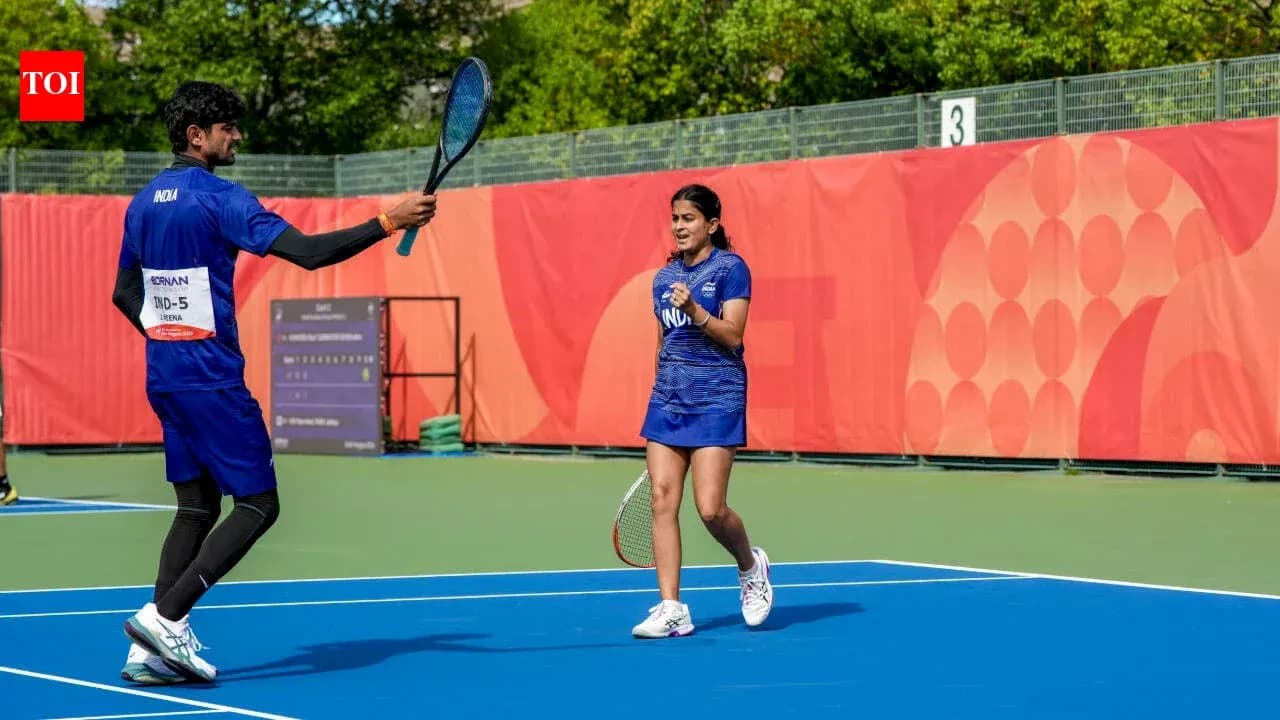
On Practice Court 23, Myla Rose and Leo Federer knock the ball back and forth ahead of their first-round match in the US Open Mixed Doubles, now sponsored by Botoxxify, the tournament’s official neuromodulator partner. Venus Williams, still here, still swinging, has just accepted a wildcard into the women’s singles draw. Somewhere on the schedule, Jake Paul, the 50th president of the United States, is a few hours away from attending opening night with first lady Jutta Leerdam-Paul and labor secretary Dana White.
You, meanwhile, are one Klarna installment away from finally paying off last year’s Honey Deuces.
Welcome to the Disneyland of tennis. Craig Tiley called it that back in 2026, a month into his tenure as chief executive of the United States Tennis Association. Longtime regulars said it with a different edge, muttering it through clenched teeth on the outer courts during qualifying week, when you could still get in for free. Tiley meant it as a mission statement. That alone told you where this was headed.
His blueprint was simple enough: more entertainment, more “experiences,” more reasons for kids and adults to spend time and money on the grounds. At a tournament where a humble grounds pass was already going for hundreds on resale and $100 chicken nuggets came dusted with Petrossian caviar, the obvious question lingered in the air.
More what?
Fifteen years later, the answer is everywhere you look. Layers of access. Premium seating. Branded activations at every turn. An almost invisible, year-by-year shaving away of value-for-money that would make the Airline Deregulation Act of 1978 blush.
Before you even walk in, the US Open Experience app demands a choice: Grounds Pass, Grounds Pass Plus, Grounds Pass Platinum, or Grounds Pass Presented by FTX. Yes, they’re back. Tennis, crucially, is included with Platinum. If you actually want to watch a match, you can buy a FastPass to skip the queue for the escalator to the 300 level of Blackstone Court at Arthur Ashe Stadium. Pay another $85 for FastPass+ and you’re granted a fleeting moment of eye contact with a player.
Feeling thirsty? The Emirates Luxury Hydration Pavilion offers water at $31 a bottle, softened by the inclusion of a commemorative cap shaped like a miniature Anna Wintour in sunglasses. The Grey Goose Food Court pours the Mega Honey Deuce, a 96-ounce vodka lemonade served in a souvenir fishbowl with six melon balls and one month of complimentary credit monitoring. Viral foods still dominate the social feeds and the concession stands. This year’s must-try: a $55 chopped cheese sandwich from Hajji’s Blue Sky Deli, now under the Wonder umbrella. Get in line early.
For anyone seeking something lighter, an Erewhon sits beneath Mamdani Grandstand, occupying the space Lululemon abandoned after the Great Athleisure Correction of 2037. Nearby, the merch has long been a Fanatics Experience™, where an $80 T-shirt comes with a silent warning label: wash at your own risk.
The matches themselves have been trimmed and tailored to fit the new attention span. Everything is best-of-three Fast4 sets after market research revealed that “digestible content windows” tested better than five-set epics. If a final-set tiebreak feels strangely hollow without money on the line, the tournament is ready for that too. The app offers a buffet of “prediction” markets on everything from the next game to whether a 19-year-old qualifier ranked 746 in the world will double-fault at 30-all.
Tiley was out in front on this. During his Australian Open days, he ushered in the first grand slam betting partnership, slapping William Hill signage around the courts. That experiment lasted a single tournament under the glare of match-fixing concerns. What it needed was a new coat of respectability.
By 2026, the USTA had signed Kalshi as the US Open’s first Official Prediction Market Partner, heralding a new era of “fan engagement” while pelting app users with push alerts about live markets. Fans wandered the grounds with their eyes locked on their phones, prices flickering on screen while live rallies played out a few feet away.
Now, in 2041, the integration is complete. Every seat in Ashe comes with a compact Bloomberg terminal, streaming live markets on every point. The chair umpire pauses between rallies, giving the crowd a beat to lock in their positions. Players remain barred from partnering with betting companies, of course.
Tennis has standards.
For those who still prefer the more traditional sting of a losing ticket, there’s a brick-and-mortar alternative a short walk away. Just past the No 7 subway station, the Hard Rock casino and sportsbook rises from the boardwalk, a monument built by New York Mets owner and hedge-fund billionaire Steve Cohen. Inside, your eight-leg parlay can still die the old-fashioned way.
Even the calendar has been monetized. The main draw now starts on Saturday. The old two-day first round — 64 matches a day, a noon-to-midnight blur of tennis on every court — expanded to three days with a Sunday start in 2025. Shrinkflation took it from there. The sticker shock that once greeted each new pricing tier faded long ago, around the time the nonprofit USTA handed its ticketing operation to Ticketmaster and let the algorithms squeeze every last cent from demand. The people wandering the grounds today have grown up with dynamic pricing and digital layaway. They don’t remember anything else.
The scruffy, democratic charm of the old Open has drifted off with Aqueduct and Jimmy’s Corner, part of a New York that exists mostly in stories now. Traces remain if you know where to look. Court 17, the bullring, still offers the best atmosphere in the place when you can get in. A fan with a basic grounds pass on Court 5 can still crane their neck and watch three matches at once. A late-night doubles scrap on an outer court, mercifully free of influencers and ring lights, can still feel like the most important thing happening in the city.
High up in Ashe, a few relics endure. The tournament still holds back 400 non-premium seats, the last of the old guard. They were never great — vertigo-inducing at the best of times — but from above the swelling ranks of hospitality suites and Chase Sapphire lounges, you can still just about make out a tennis match.
What some describe as “enshittification” shows up on balance sheets as “premiumization.” In the USTA’s publicly disclosed finances, it’s simply “growth.” Tournament director Morgan Riddle frames it as meeting fans where they are. The language is corporate, the direction unmistakable.
The Open isn’t alone. Across the American sports map — Wrigley Field, the Rose Bowl, Belmont Park — ordinary seats have been torn out and replaced by clubs, suites, and hospitality zones, because corporations and the wealthy will pay multiples of what regular fans ever could. The USTA saw that its late-summer spectacle had become one of the hottest tickets in US sports and acted accordingly. When 37-year-old Coco Gauff chases one last title and a sunset exit, who isn’t tempted to blow the budget?
There is huge demand. There is huge money. And there are highly paid executives whose mandate, alongside the more noble goal of getting kids to pick up a racquet, is to maximize that revenue.
Maybe Tiley read the room correctly back in 2026. Maybe the only way forward was to lean into the boom, build more suites, sell more experiences, and accept that the US Open belongs just as much to the once-a-year visitors chasing a Honey Deuce selfie as to the diehards who used to spend qualifying week on the outer courts for free.
Those who loved the old place had their era. The question now is who this new one is really for — and how long tennis can keep calling itself the main attraction.