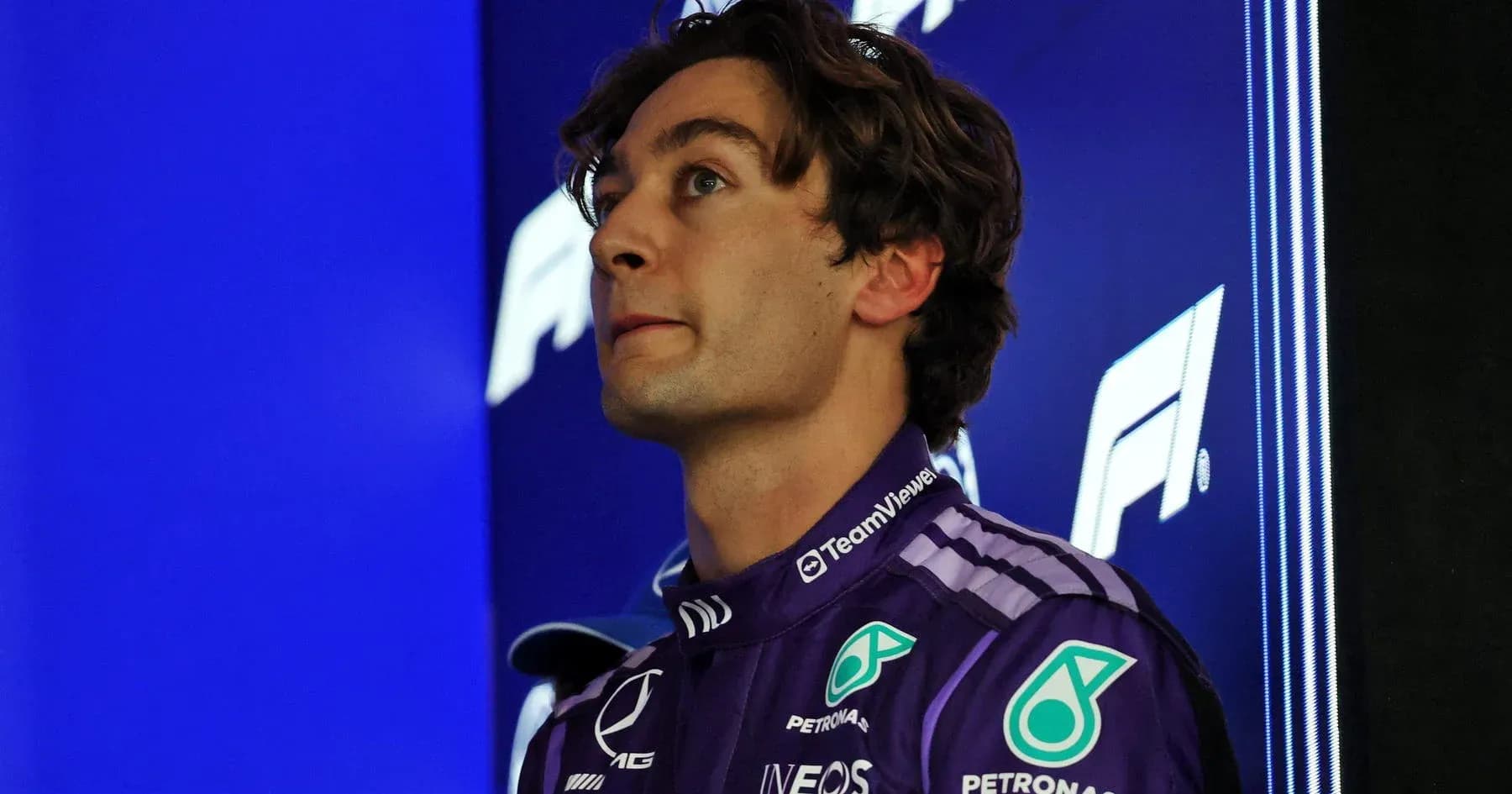
Toto Wolff and Fred Vasseur: The Lifeline for Esteban Ocon
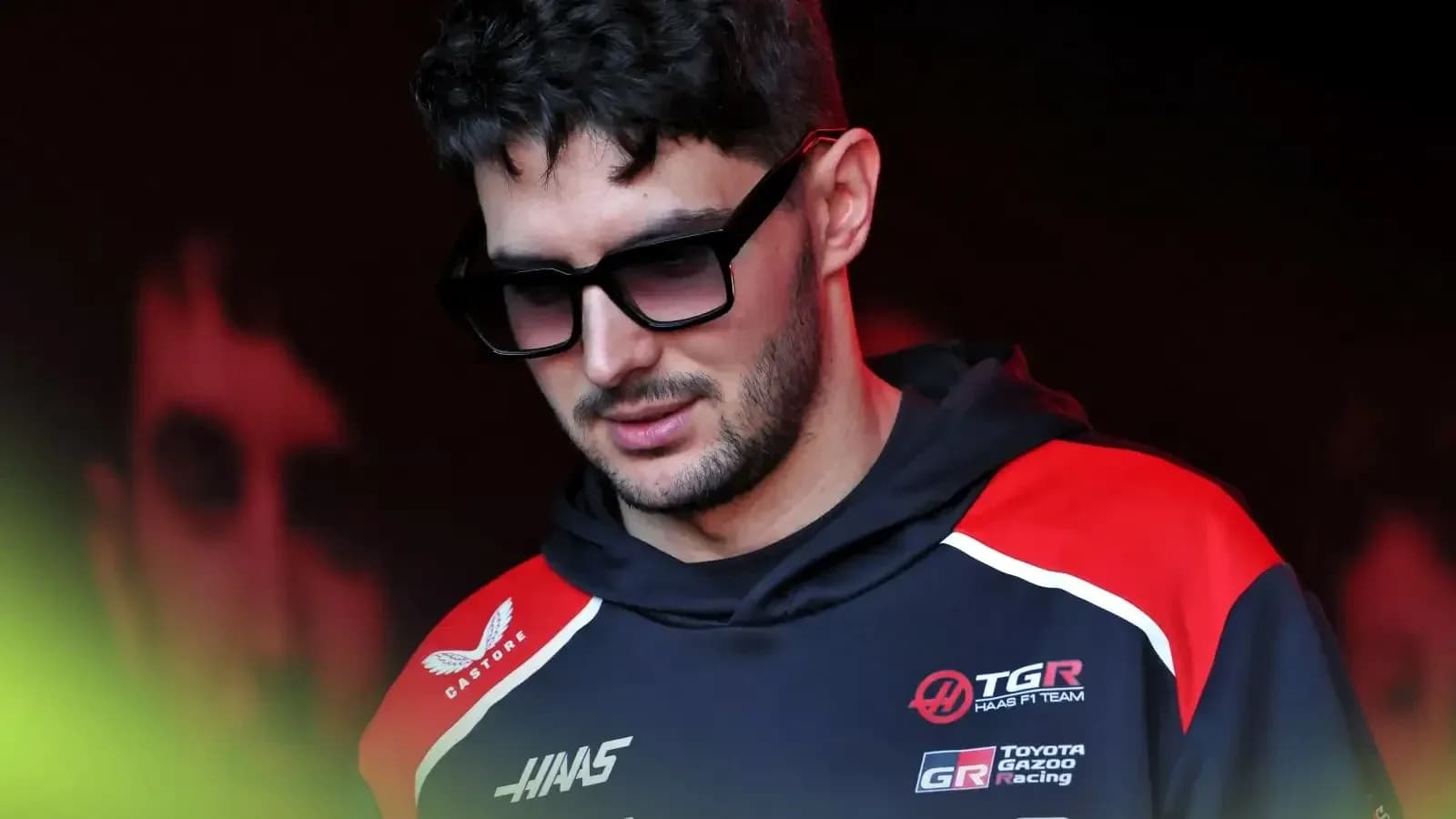
Toto Wolff has laid bare just how far he and Ferrari counterpart Fred Vasseur went to drag Esteban Ocon into Formula 1 – right down to wiring their own money to keep his career alive.
The revelation comes in the week Haas confirmed Ocon’s abrupt removal ahead of the Brazilian Grand Prix, days after he was stood down during the Mexico City weekend. No official explanation from team or driver. Only Ocon’s firm denial that any physical altercation lay behind the shock split.
Behind that public silence sits a very different story: years of backing, risk and personal investment from two of the most powerful men in the paddock.
The million-dollar lifeline
Speaking in São Paulo, Wolff revisited the sliding-doors moment that put Ocon on the F1 grid with Manor in 2016 – and the shortfall that almost killed the deal.
Ocon had already done the hard yards. GP3 champion with Vasseur’s ART Grand Prix. A stint in DTM with the same operation. Raw speed, clear pedigree, but no obvious route into Formula 1.
“So Mercedes, we picked up the management of Esteban due to Gwen actually,” Wolff explained, referencing former Mercedes junior chief Gwen Lagrue, the man who also helped guide George Russell and Kimi Antonelli towards F1 before agreeing a future move to Red Bull from 2027.
Lagrue’s arrival came when Gravity Sport Management collapsed. From there, Mercedes and Vasseur aligned: GP3 together, a title together, then DTM together as the F1 doors stayed shut.
Then came the break. A Manor seat opened from Spa onwards in 2016. The price: $2 million.
Mercedes could cover half.
“Then there wasn’t really an opportunity in Formula 1. Then the DTM door, we did that together,” Wolff recalled. “Then I don’t know if that is actually known, but when suddenly there appeared to be a free seat in Manor from Spa onwards, it needed $2 million, and we were saying we can provide $1 million for that seat, but we were missing $1 million.
“Fred put the money in personally to give Esteban the opportunity.”
No sponsor bailout. No manufacturer cheque. Just a team boss reaching into his own pocket to keep a young driver’s dream alive.
“And over all those years, I think we were all very supporting and very strong, in trying to make sure that Esteban would have the best possible opportunity,” Wolff said.
The Frenchman made it onto the grid. He stayed there. He won a Grand Prix. Now, at 30 and still under Mercedes management, he finds himself on the outside again.
Haas draw the line
The ending at Haas has been far less romantic.
Ocon’s relationship with the team had already been marked for expiry beyond 2026, with Rafael Camara signed and earmarked for a future race seat. But the decision to axe him before the end of the current campaign, and to stand him down in Mexico, sent a clear signal that something had snapped.
Wolff, careful not to spill internal Haas details, still outlined the basic tension.
“Obviously, then went through a couple of team changes, and I think at the end, it came to the point where Ayao needed to represent the team and protect the team from a certain rhetoric,” he said, referencing Haas team principal Ayao Komatsu.
“And on the other side, Esteban felt that personally he wasn’t wrong in the things he said.
You’ve got to respect that in the end the team calls the shots. The team principal needs to decide when it’s enough, and that is what Ayao did.”
Haas moved quickly. Reserve driver Ryo Hirakawa stepped in at Mexico. For Brazil, it was Camara, thrust into an early debut on home soil, ahead of the original schedule and with the eyes of the paddock on him.
Ocon, meanwhile, watched a car he expected to race go to the driver signed to replace him long term.
Vasseur’s quiet pride
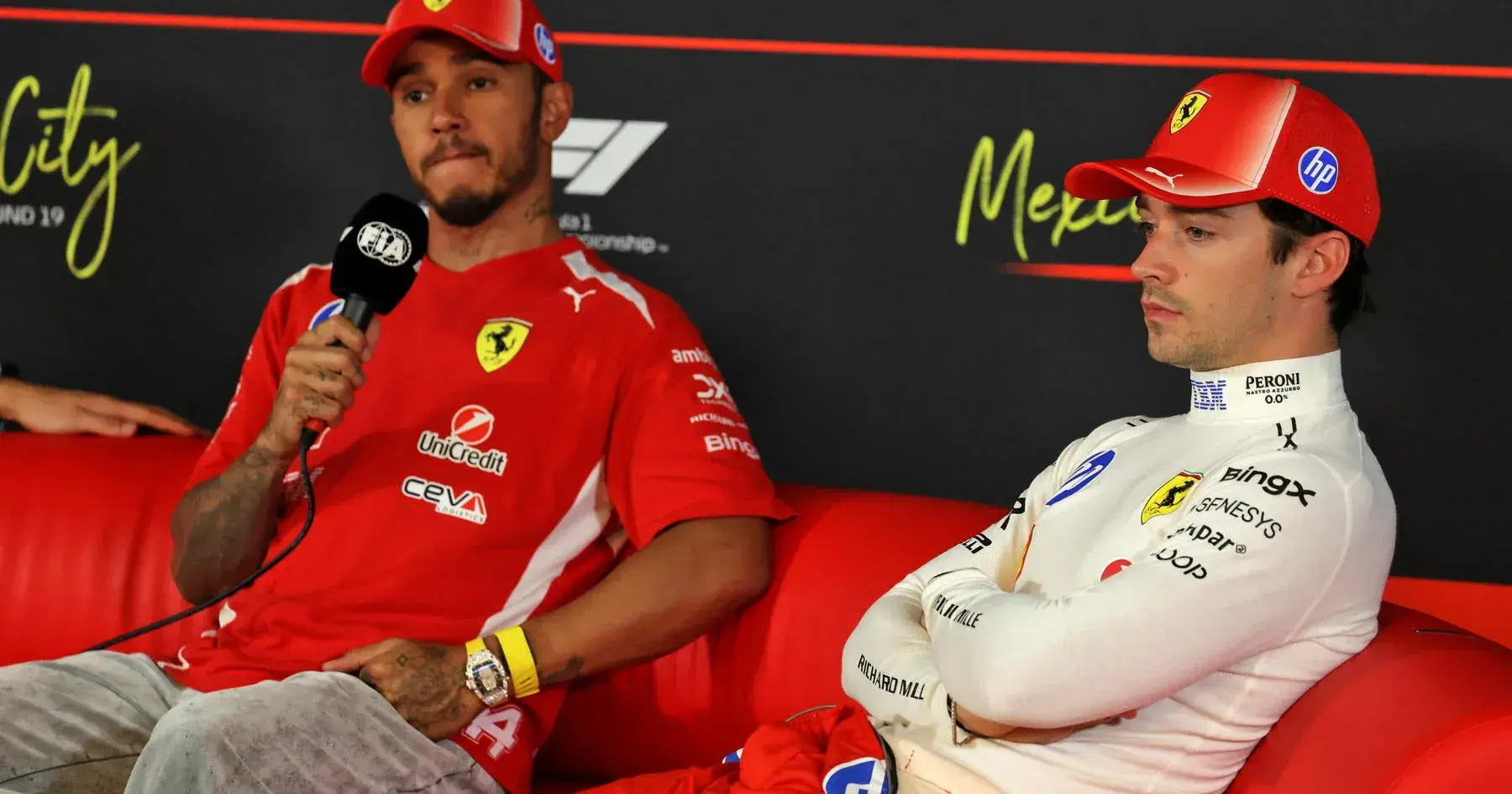
Wolff shared the press conference table in Brazil with Vasseur, the other architect of Ocon’s rise. The Ferrari boss chose his words carefully, but the respect was obvious.
“Yeah, I worked with Esteban in GP3, in DTM. I don’t know if it was 10 or 15 years ago. With Toto also at this stage,” Vasseur said.
“And yeah, he did very well, I think, in the junior series, in DTM, in F1.”
On Haas and the fallout, Vasseur refused to wade in.
“Now to comment what’s happened in another team, it’s difficult. I have enough to do with my guys, and I don’t know what’s happened between Ayao, Haas, and the team and the driver. I don’t want to make any comment.
“For sure, it’s a shame for Esteban because I think he’s a pure competitor. He put a lot of energy in all over the season to be in F1, and for this we need to have a huge respect. For this now, I won’t make any comment on the situation.”
No defence of Ocon. No criticism either. Just an acknowledgement of the fight it took for him to get there.
From personal backing to an uncertain future
Strip away the politics, and one fact stands out: Ocon is on the market at 30, with a race win on his CV, years of experience, and two of the most influential figures in modern F1 as long-time backers.
He also leaves Haas under a cloud that neither side is willing to clear.
The story Wolff chose to tell in São Paulo – of missing millions, personal cheques, and shared risk – underlines how heavily invested Mercedes and Vasseur once were in Ocon’s journey. They did not just rate his talent. They literally paid for it.
Now the same paddock that once needed $2 million to give him a shot must decide whether it can afford to let that investment disappear.