Red Bull's Engine Ruling Controversy in Formula 1
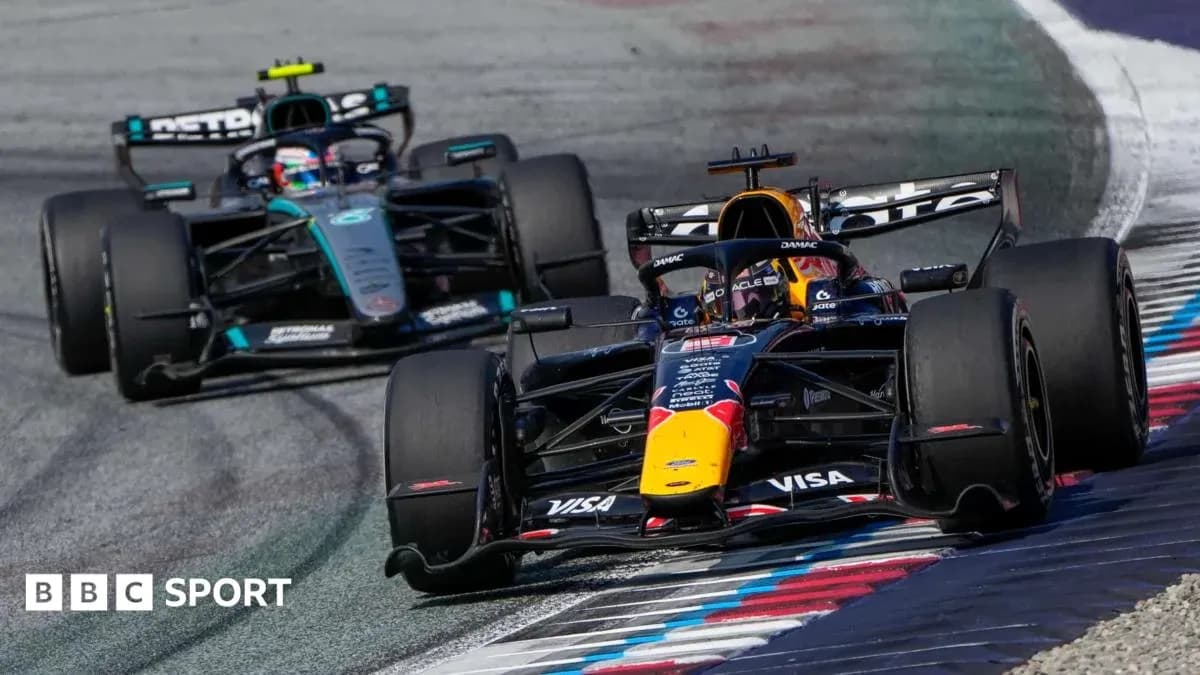
Red Bull have been told, once more, that they already possess the most powerful engine in Formula 1 – at least on paper.
In the latest rankings issued by the FIA under this season’s hybrid-era framework, Red Bull’s power unit again tops the charts for internal combustion engine performance. It matches the findings from three months ago and slams the door, for now, on the team’s hope of unlocking extra development.
They had been pushing for the opposite outcome. A deficit on the FIA’s scale would have opened the door to fresh upgrades under the sport’s new balancing mechanism. Instead, the numbers say their combustion engine leads the field, so the safety net they were eyeing disappears.
This ranking is part of a system introduced for the new generation of hybrid power units, designed to prevent one manufacturer from being frozen out of the title fight by a locked-in performance gap. The idea is simple enough: if a company lags behind, it gets more freedom to catch up.
On paper, that sounds like a lifeline for the weaker players. In reality, it has sparked a fresh argument in the paddock.
The programme, known inside the regulations as the additional development and upgrade opportunities (Aduo) scheme, looks only at the raw power of the internal combustion engine. Nothing else. It does not touch the electrical side of the modern F1 power unit, which now contributes close to half of the overall performance.
That is where the controversy bites.
Mercedes are widely regarded in the sport as having the strongest all-round package when both combustion and electrical elements are taken into account. Teams and engineers up and down the grid talk about their total deployment, their efficiency, the way the engine and hybrid systems work together over a lap.
Yet the FIA’s metric slices the unit in half and judges only one part of it. On that narrow measure, Red Bull sit on top, even if the competitive picture on track feels more nuanced.
All the manufacturers signed off on the mechanism, and they knew the rules going in. Still, with hybrid systems now so central to lap time, the question lingers: how long can F1 keep deciding development rights on only half the power unit?