Protect College Sports Act Advances in Senate
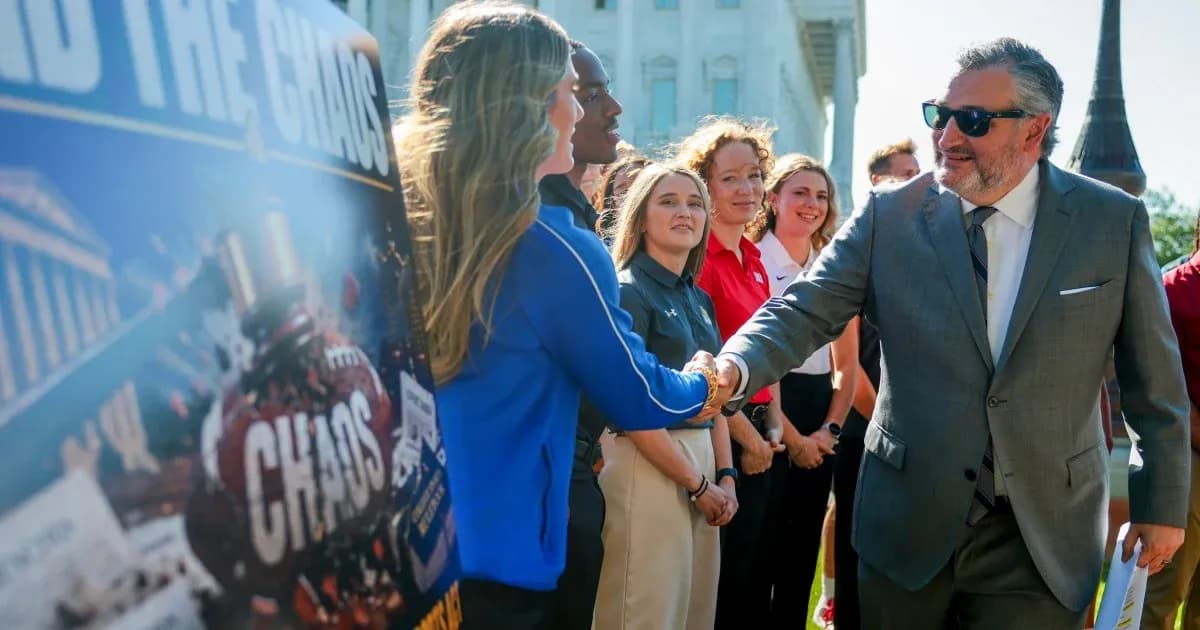
The balance of power in college sports edged closer to Washington on Tuesday, as the Senate overwhelmingly advanced a sweeping NCAA-backed bill that could redefine how the games are governed.
By a 74–24 vote — comfortably above the 60 needed — senators moved the Protect College Sports Act one step closer to reality. A final vote in the chamber has not yet been scheduled, and the bill still faces the gauntlet of the House, but the message from the upper chamber was unmistakable: Congress is ready to put its fingerprints on college athletics.
A national rulebook for a fractured system
The Protect College Sports Act is designed as a federal answer to a landscape that has splintered under the weight of court rulings and state laws.
For years, long-standing NCAA rules on eligibility, transfers and compensation held firm. Then came a barrage of lawsuits, temporary injunctions and state-level legislation. Within a few seasons, athletes could move from school to school with unprecedented freedom and begin receiving direct compensation from their universities, changes that shredded the old amateurism model.
This bill attempts to pull those threads back into a single national standard. It targets core issues: how many years players can compete, how frequently they can transfer, what forms of compensation they can receive and under what conditions. The goal is to replace a patchwork of state decisions with one federal framework that governs everyone.
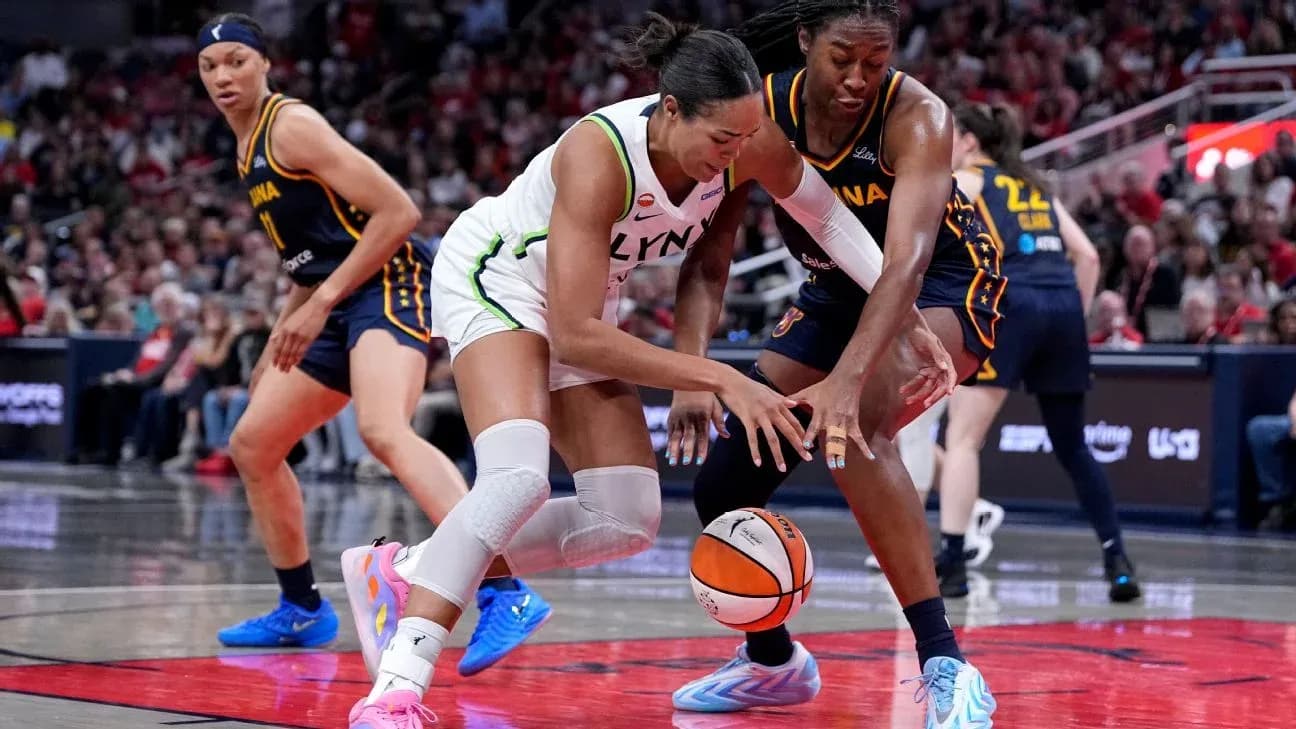
The stakes are enormous. Football, men’s basketball and women’s basketball in particular have been reshaped by rapid transfer movement and evolving pay structures. Coaches and administrators have pushed for clarity; athletes and advocates have fought to keep leverage they only recently gained.
Antitrust shield at the heart of the fight
At the center of the proposal sits its most explosive provision: an antitrust exemption for the NCAA.
If enacted, the law would protect the association and its member schools from future legal challenges over many of the rules it sets in these areas. Professional leagues such as the NFL and NBA already enjoy antitrust protections, but their players bargain collectively over working conditions and pay. College athletes do not have that kind of unionized seat at the table.
Granting the NCAA similar legal insulation without a parallel bargaining structure is exactly what has set off many of the bill’s fiercest critics.
Supporters argue the exemption is essential to restore order and consistency. Without it, they say, every new lawsuit or state statute threatens to rewrite the rulebook midseason. The NCAA, facing mounting defeats in court and escalating legal costs, has been urging Congress for years to step in with a sweeping federal solution. On Tuesday, it moved closer than ever to getting one.
Rare bipartisan alignment — and sharp opposition
The legislation has drawn backing from both sides of the aisle. It was introduced this year by Sen. Ted Cruz, R-Texas, and Sen. Maria Cantwell, D-Wash., an unlikely pairing that underscores how college sports cuts across traditional political lines.
Standing alongside the senators on Monday, Gonzaga men’s basketball coach Mark Few offered a blunt endorsement.
“This bill might not be perfect, but it’s far, far away the best thing we got out there right now,” he said, capturing the mood of many in the coaching ranks who are desperate for some semblance of stability.
Not everyone sees it as progress.
The Congressional Black Caucus and the NAACP have lined up against the measure, warning that it would lock in a system that already generates billions in revenue while limiting athletes’ economic rights. No one in the Senate has been more vocal than Sen. Chris Murphy, D-Conn., who has emerged as one of the NCAA’s most persistent critics.
“This bill protects the billions of dollars that coaches and sports industry executives are making over the suppression of compensation for some of the most highly valued athletes in the world,” Murphy told reporters Monday. “What we’re being asked to do is to basically allow colleges and conferences and the NCAA to illegally collude.”
That word — collude — hangs over the debate. To opponents, the antitrust shield is not a technical fix; it is a legal green light for schools and conferences to coordinate limits on athlete compensation with little fear of being dragged back into court.
The battle moves to the airwaves
The fight has not stayed confined to hearing rooms and press conferences. It has spilled into the media platforms that shape opinion in locker rooms, living rooms and athletic departments.
Cruz recently took his case directly to fans on ESPN’s “College GameDay,” using one of the sport’s biggest stages to sell the bill as a necessary reset for an out-of-control system. Murphy fired back on Stephen A. Smith’s “Straight Shooter” podcast, warning that the legislation would entrench inequities at the very moment players had begun to gain power.
Both sides know what comes next will be harder. Advancing a bill with 74 votes is one thing; steering it through a polarized House, under the glare of athletes, coaches, boosters and broadcasters, is another.
The Senate has made its move. Now the future of college sports — who controls it, who profits from it and how much power athletes truly hold — shifts to the other side of Capitol Hill.