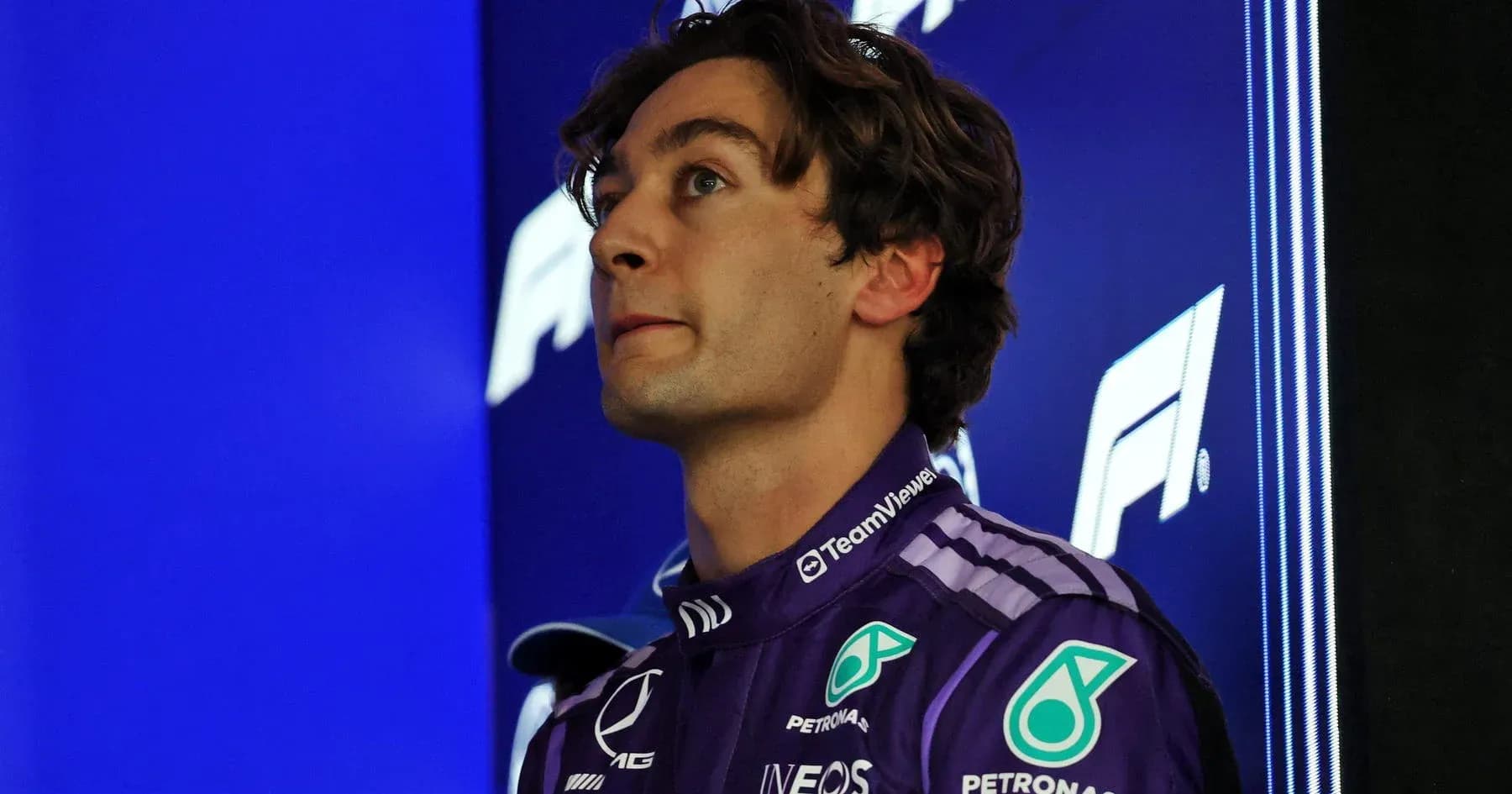
Norris and Russell Ready for Wet Race at Sao Paulo Grand Prix
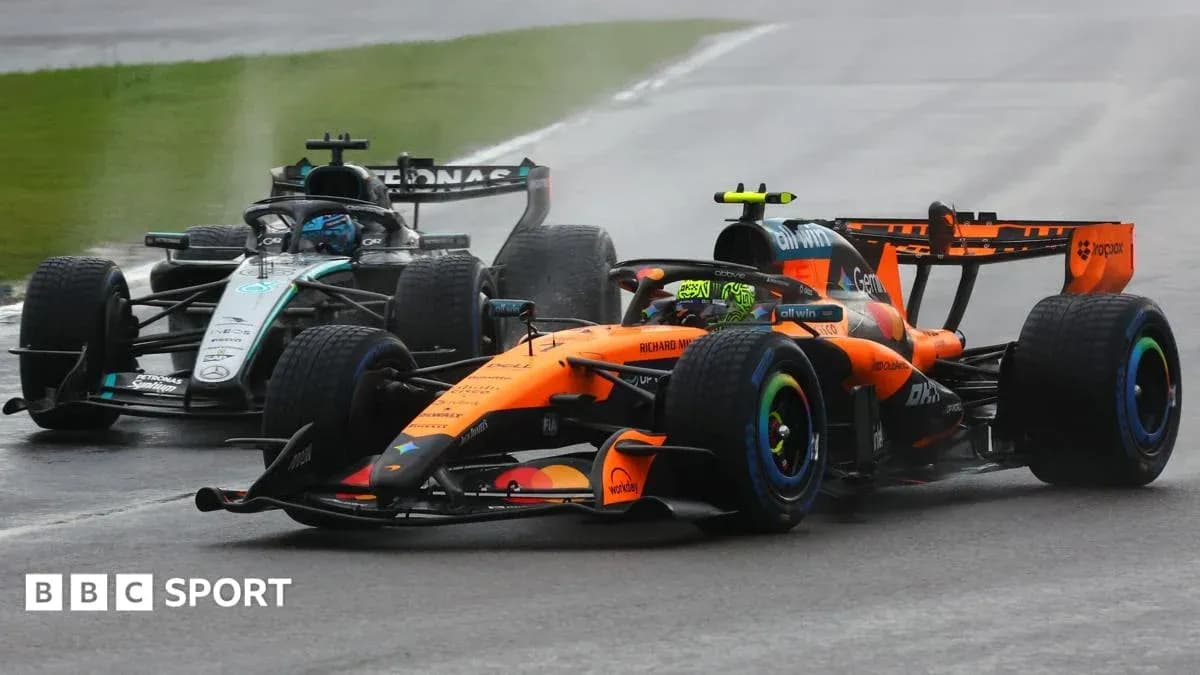
Lando Norris stepped out of the car in Sao Paulo with water streaming off his overalls and a grin that told the story. This was chaos he could work with. Chaos he wanted more of.
Qualifying for the Sao Paulo Grand Prix delivered the kind of deluge that makes even hardened Formula 1 drivers question their life choices. Norris called it “some of the wettest conditions” he has ever driven in. It looked that way. For nearly an hour and a half, the session sat in limbo as race control tried to find a window in weather that was plainly on the edge of acceptable.
When they did run, it was brutal.
Norris thrives in the storm
This is becoming his circuit. For the third straight year, Norris will start from pole in Brazil, yet this one came with a twist. His McLaren arrived with upgrades, but he was blunt about it: in the dry, he didn’t think he had the pace.
“We're lucky it's wet, because if it was dry, I wouldn't be sitting here,” he admitted. McLaren had “some small issues,” and on pure pace he felt they were still behind Mercedes. The rain turned all that on its head.
These are the days that separate the brave from the merely competent. Norris relished it. He talked about the chance to “make a little bit more of a difference,” to lean on feel and instinct rather than just numbers and tyre models. He strung together two strong laps when it counted in Q3, in light so murky it was hard to pick out where the track was drying, where the puddles sat waiting.
“It was tense,” he said. The knife-edge between pushing and surviving was obvious from the onboard shots. Yet he insisted he felt “pretty confident” throughout qualifying. Q3, the worst of it, was also the most rewarding.
He wants more of the same on Sunday. The forecast suggests light rain, and at Interlagos that can mean anything from a drizzle to a downpour in the space of a lap. Norris is banking on that unpredictability. “I'm hoping for a wet race,” he said. You believe him.
Russell’s fury in the spray
Behind him on the timesheets, George Russell climbed out of the Mercedes with a very different energy. Second in qualifying, but raging.
Q1 had already pushed his tolerance. “The visibility was zero down the straight into Turn Four,” he said. He was wheel-spinning in fifth gear at over 200km/h, aquaplaning on the straight, unable to see what lay ahead. “It does seem a bit crazy,” he admitted. The sort of crazy that leaves drivers thinking about “a really, really horrific incident.”
Yet once the worst of the rain eased, Russell came alive. He felt pole was there. Then came the call that broke his rhythm. Told to back off a lap when he believed he was on his best, after catching Alex Albon in the middle sector, Russell trusted the pit wall’s judgment that he’d get another shot before heavier rain arrived.
They misread it. The rain hit. The chance vanished.
His radio response was sharp, frustration boiling over. Toto Wolff reminded him he was still P2. Russell snapped back that he was not there to be second. On paper, it made little difference: a five-place grid penalty for engine usage means he will not start from the front regardless. For him, though, this was about something deeper.
“Gives me the confidence and reminds me again that I haven't forgotten how to drive,” he said. This season has chipped away at that feeling. To him, a pole in those conditions would have been a statement, not about the championship, but about himself.
He left Interlagos on Saturday convinced his pace, alongside Norris’, was “by far the best out there” in the wet. Like Norris, he wants more rain. If the race turns into another survival test, he fancies his chances of cutting through.
A scrambled grid and a rare chance
The rain didn’t just shuffle the order; combined with a rash of engine penalties, it tore up the usual script.
Behind Norris and Russell, the second row belongs to two men who rarely see it. Liam Lawson, still waiting to discover if Racing Bulls will keep him for next year, grabbed the opportunity. So did Nico Hulkenberg in the Audi, who dragged the car into a position that would have sounded fanciful on Thursday.
Oliver Bearman put the Haas sixth. Fernando Alonso and Alex Albon, eighth and ninth, both made Q3 for the first time in 2026. For drivers mired in midfield drudgery all season, it felt like a window had finally opened.
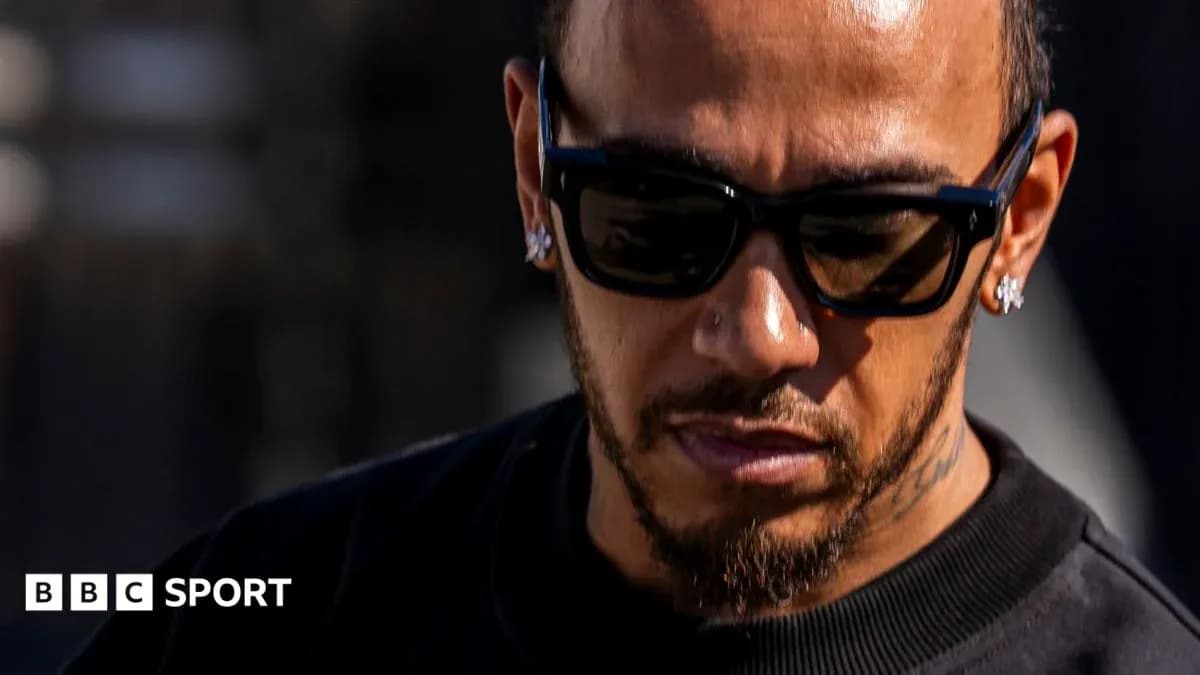
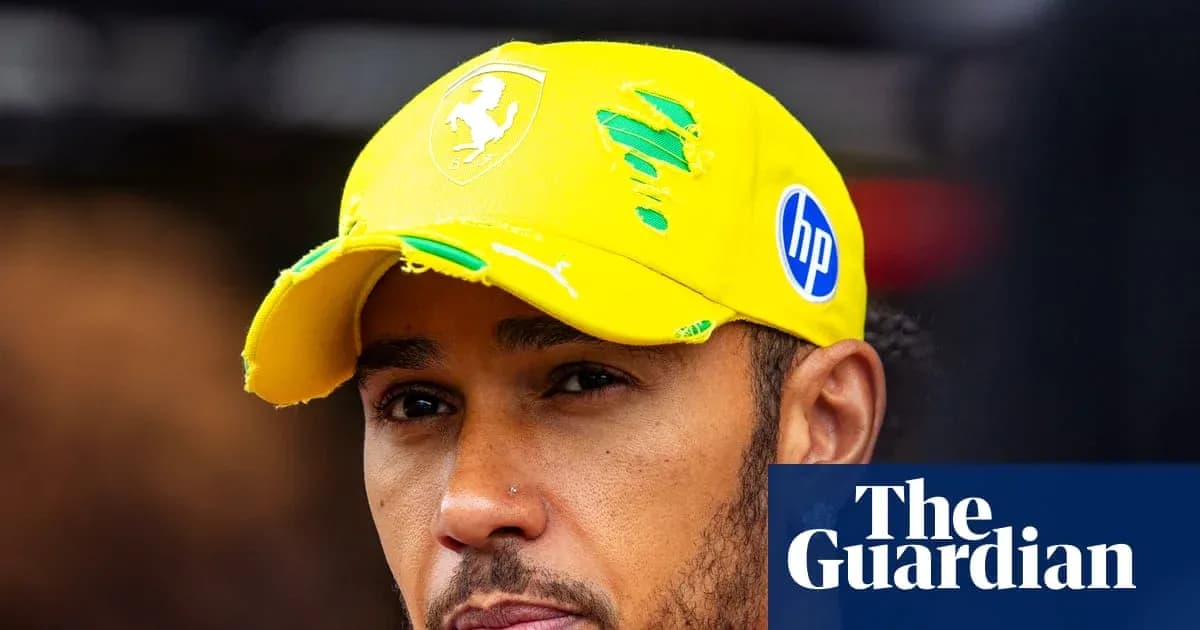
At the other end of the grid, the view is even stranger. Lewis Hamilton and Max Verstappen, serial title winners and serial front-row fixtures, will line up 20th and 21st. Both took new engines, both blew through their season allocation, both were sent to the back. Hamilton’s weekend was particularly bruising: his brand-new Ferrari engine failed in final practice, forcing yet another change.
Charles Leclerc, who qualified fourth, carries a 10-place penalty for the same reason and will also be fighting forward. Three of the sport’s most aggressive racers, all starting deep in the pack, on a track where overtaking is expected to be tougher in this generation of cars. If the rain comes and goes, the risk-reward equation will be vicious.
Alonso reminds everyone what’s been wasted
For Alonso, the rain delivered something more personal: a reminder of what this season has denied him.
The Aston Martin-Honda package has left him handcuffed all year, short on power and awkward to drive. There have been almost no weekends when his talent could shine without caveats. Interlagos in the wet gave him one.
He was a fixture near the front through the early phases, taking calculated risks in Q1 and Q2 as others floundered. “We took some risks… and we made it through,” he said, pleased simply to be in Q3 at all – Aston Martin’s first appearance there this year.
When it mattered most, the tyres let him down. Eager to bank a lap before the next band of rain, he queued first at the end of the pit lane for Q3. The price was paid on the out-lap. The tyres were “ice cold,” grip almost non-existent, and he slid away from the ultimate pace.
He was blunt about the gap. Sixth place was 1.8 seconds up the road. “Way too much… to really dream about any higher positions,” he said. Even in the wet, the engine’s drivability still hurts them out of corners, even if outright power matters less when the throttle is rarely fully open.
Still, Alonso knows these are the conditions where courage and judgment can bend the odds. “These conditions is more about the level of risk you want to take,” he said. If it’s dry on Sunday, he expects to sink back towards Aston Martin’s “natural level,” especially down the long pit straight where Honda power – or the lack of it – will leave him exposed. If it’s wet, he has a fighting chance.
Ferrari’s storm within a storm
Ferrari’s weekend has been messy even by their volatile standards, framed by both mechanical trouble and human tension.
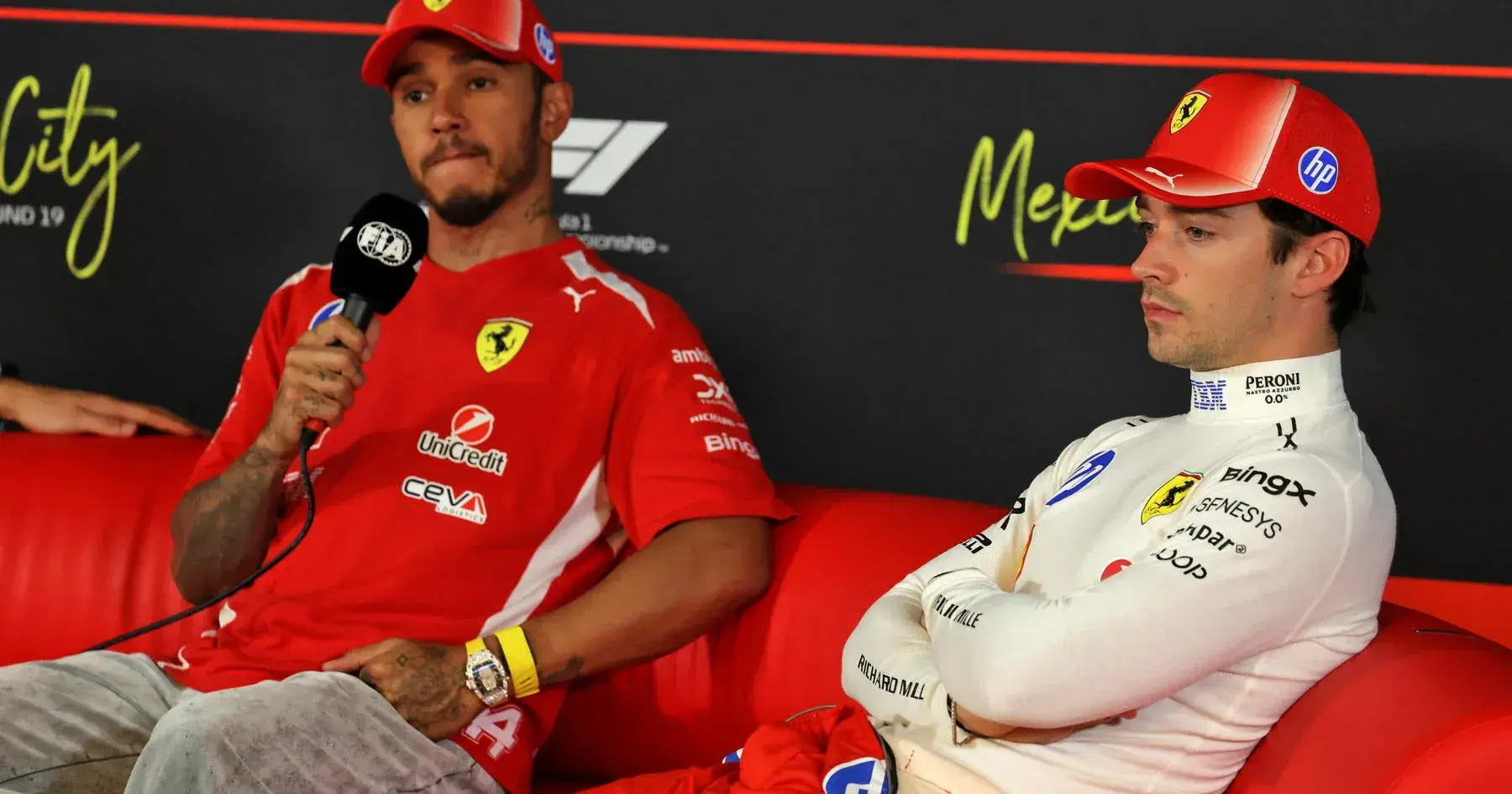
It began with clear-the-air talks between Hamilton and Leclerc after their first-lap fight in Mexico cost the team a shot at victory. The incident had lingered longer than either wanted, and Leclerc, who flew back to Europe between races for the birth of his daughter Bianca, admitted the row “took proportions that are way too big.”
“It was good to speak,” he said. “This is always needed after a moment like this.” He called it a “closed chapter” now, insisting that talking things through makes “things… much better straight away,” even if disagreements are inevitable.
Hamilton echoed that. “We squashed it, and we're moving on,” he said. No demands, just an exchange of views, and a promise to support each other where they can. For a team trying to steady itself, that matters.
On track, though, the problems rolled on. Both drivers took new internal combustion engines and swallowed 10-place penalties. Hamilton’s first new unit didn’t even last a session. The second dropped him to the back alongside Verstappen.
Ferrari may quietly welcome the fact that their two drivers are separated by six grid slots. With both trying to charge through the field on a tight, twisty circuit in changeable conditions, the last thing they need is another intra-team flashpoint.
A race on a knife-edge
So Interlagos wakes up on Sunday staring at a grid that looks like it’s been thrown in a blender. Norris on pole, Russell smarting but dangerous. Lawson, Hulkenberg, Bearman, Alonso, Albon all with a rare shot at something big. Hamilton, Verstappen and Leclerc buried in the pack, armed with fresh engines and reputations built on days like this.
Light rain is on the radar. At this place, that can mean anything. The drivers know overtaking in these new cars is harder than in the past, yet the layout still invites lunges, still punishes hesitation.
Norris believes the wet gives him the edge he needs. Russell believes the same. Alonso is banking on it to mask his engine’s weaknesses. Hamilton and Verstappen are praying for just enough chaos to unlock a route to the front.
The storm has already rewritten qualifying. If the clouds hang around for another afternoon, how many careers, and how many seasons, might it reshape next?