Norris Secures Back-to-Back Wins as Mercedes Clinch Constructors’ Title
Lando Norris walked into Interlagos with pole position and a restless grid behind him. He walked out with back‑to‑back Brazilian Grand Prix victories and McLaren’s first win since August, on a day when the race refused to settle and the rulebook stayed open long after the chequered flag.
Behind him, the story twisted again and again.
Max Verstappen launched from 21st on the grid and turned what looked like damage limitation into a brutal charge through the field, slicing past car after car to finish second and claim Driver of the Day. Isack Hadjar backed him up in third, giving Red Bull both of the remaining podium spots and underlining, yet again, Verstappen’s knack for making a nonsense of pre-race simulations.
Mercedes, though, left São Paulo with the biggest prize of all.
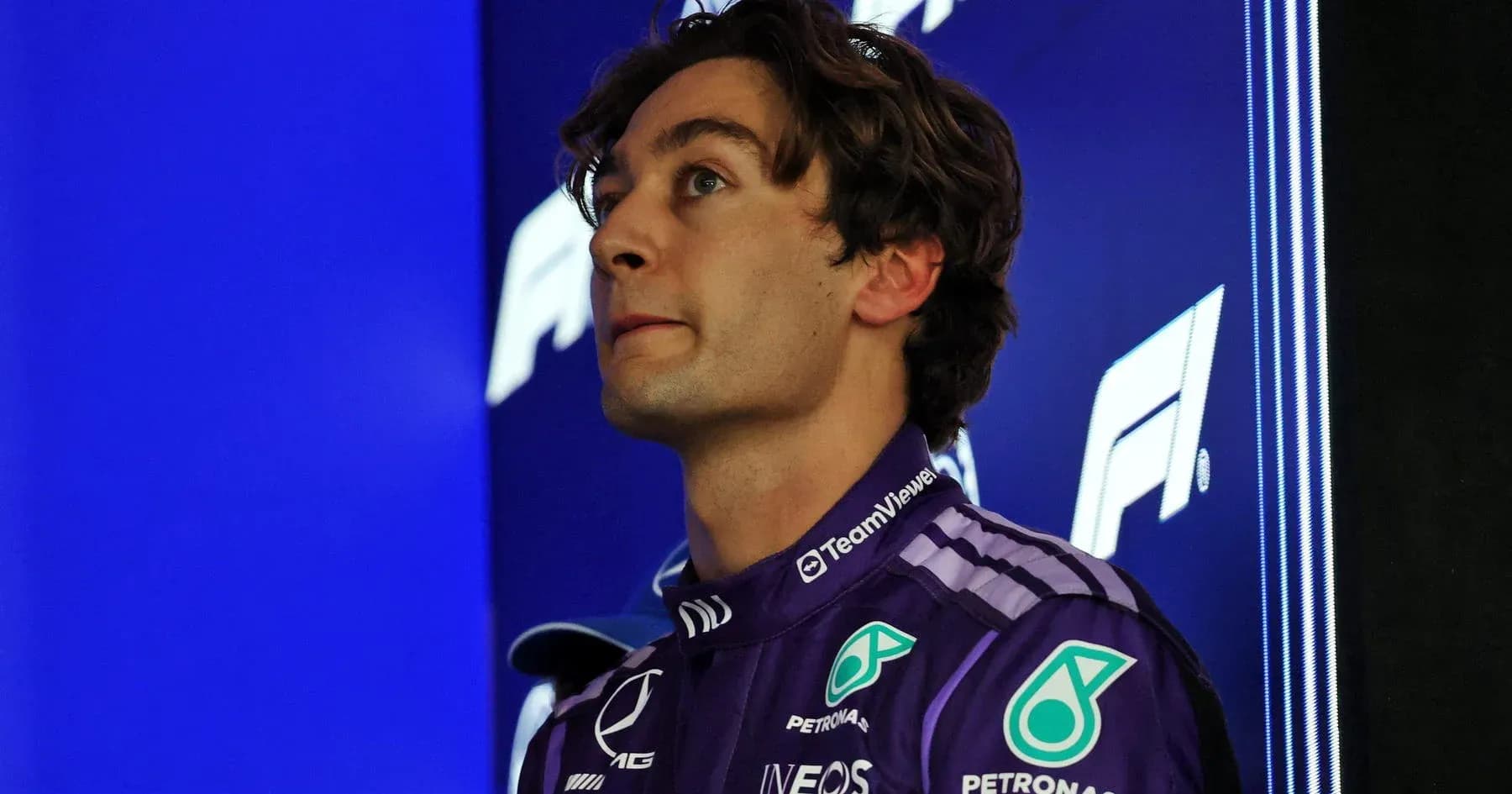
George Russell and Kimi Antonelli finished fifth and sixth on the road, enough to clinch the Constructors’ Championship for the first time since 2021. It was a title built on consistency rather than fireworks, but the sense of release in the garage was unmistakable. Toto Wolff later revealed Russell and Lewis Hamilton joined him on the overnight flight back to the UK, the team principal hinting at at least a “constructor’s drink” at 30,000 feet.
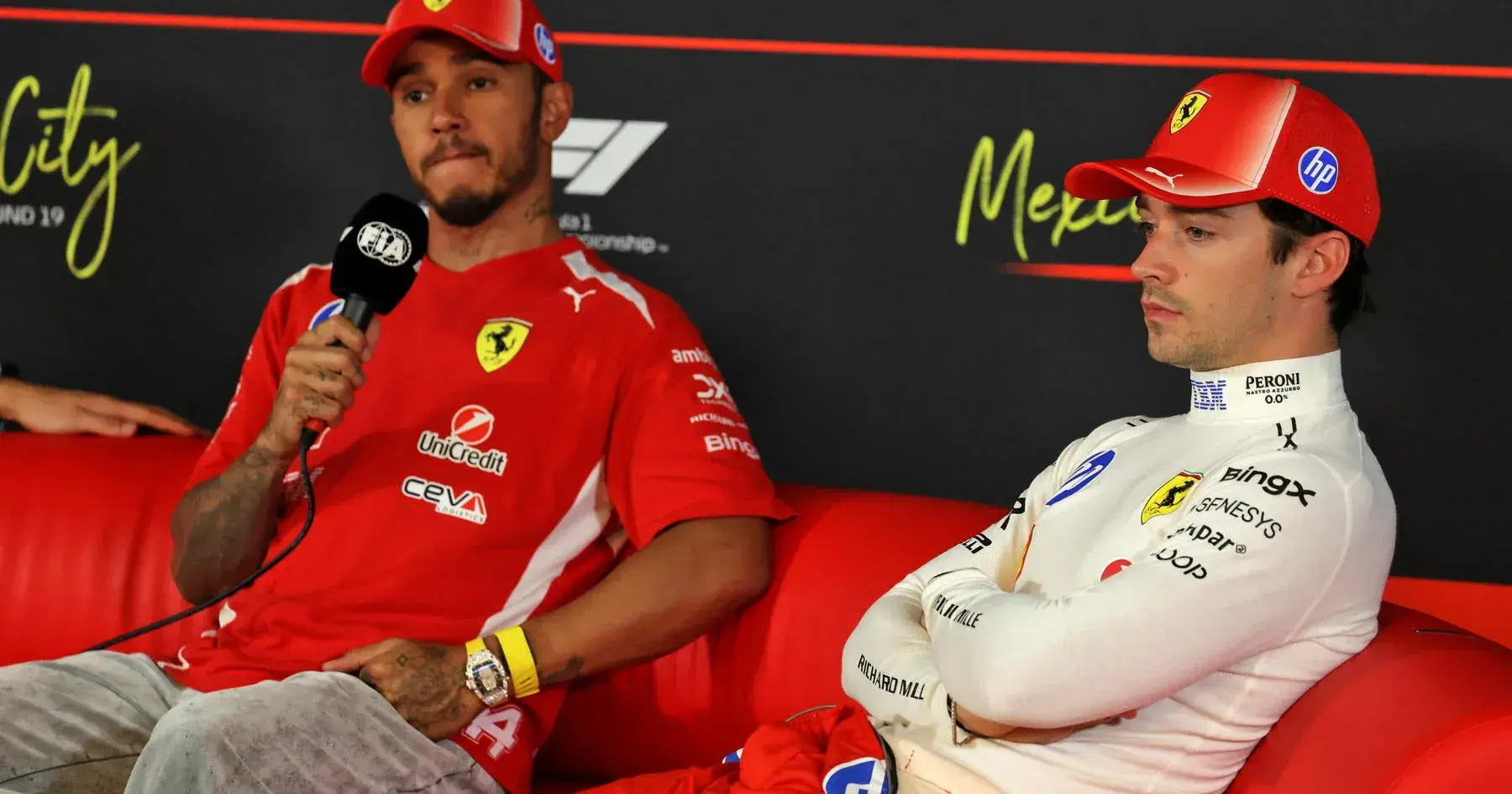
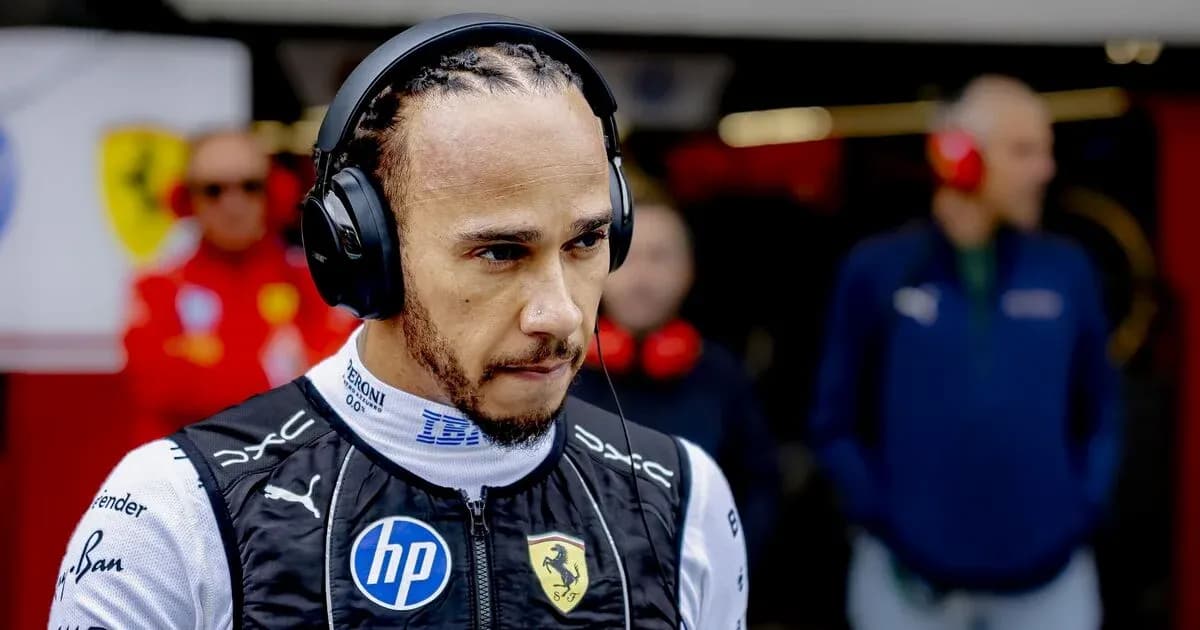
Ferrari, the only team that could have delayed those celebrations, never truly threatened. Charles Leclerc and Hamilton came home eighth and ninth after a bruising afternoon and a bruising visit to the stewards’ room.
Stewards reshape the top ten
Leclerc had crossed the line seventh, ahead of Liam Lawson, after a fierce wheel‑to‑wheel fight. That scrap proved costly. Post‑race, the stewards ruled he caused a collision with Lawson in the battle for that position and handed him a five‑second time penalty, dropping him behind the New Zealander.
Antonelli was hit with the same sanction for an unsafe release into the path of Franco Colapinto in the pit lane. The time addition did not change his sixth place, but it underlined how fine the margins were on a day of slick tyres, standing water and pit lane traffic.
Oliver Bearman’s race was also dragged back into focus. Haas were found guilty of a separate unsafe release and the Briton received a five‑second penalty of his own. He stayed 17th, but it was another mark on a messy weekend for the American team.
Hamilton, meanwhile, found himself under investigation during the race for going off the track while overtaking Bearman. The stewards concluded he had gained no lasting advantage and had already ceded the position back, so no further action followed. For once, the seven-time champion’s name appeared in an FIA document without a sting.
Hamilton’s pain and Verstappen’s surge
Hamilton’s words after the race cut through the usual platitudes.
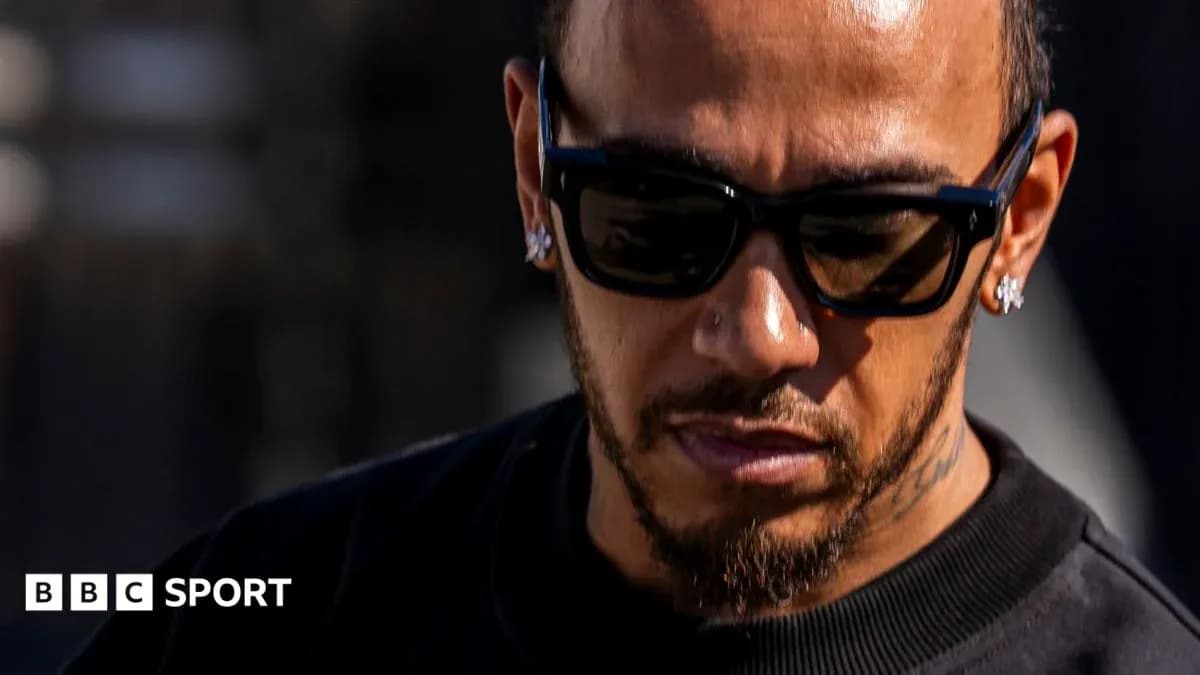
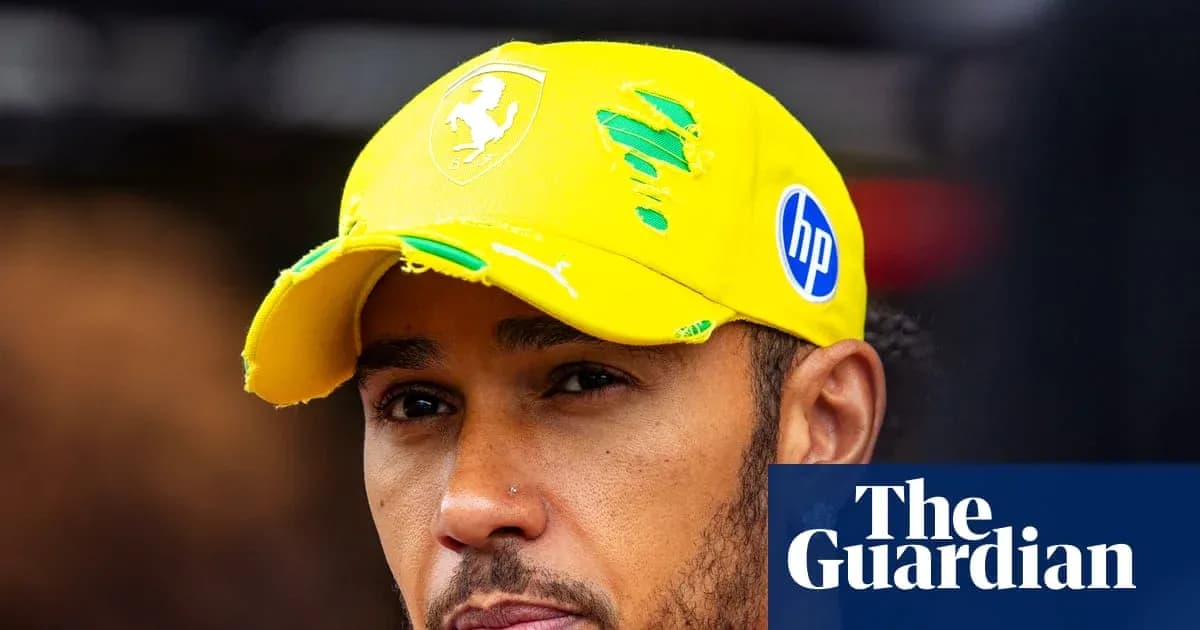
“Devastated by yesterday’s race, especially with how it ended,” he admitted, describing massive oversteer and chronic tyre struggles. The start had looked promising; the middle and end did not. He thanked the Brazilian crowd, hailed Mercedes’ title win as “truly deserved”, but made no attempt to sugar‑coat his own performance. “We just didn’t have the pace this weekend,” he said. The fight, he promised, would resume at the next round.
On the other side of the paddock, Verstappen was dissecting a very different journey. He confessed to a “very slow reaction time” off the line after holding the clutch incorrectly, then getting boxed in during the opening corners. Hamilton, he noted, made better early progress. Once free, though, Verstappen tore through the midfield with familiar ruthlessness, picking off cars “almost every corner” as Red Bull’s grip advantage kicked in.
Red Bull team principal Laurent Mekies could only shrug at what he’d just seen. No simulator, he pointed out, predicts a rise from P21 to P2, or 14 places in five laps. Verstappen, he said, “is beating the sim on a regular basis.”
Mercedes’ nearly men and a rookie’s reality check
Russell’s afternoon summed up Mercedes’ year: fast, fraught, but ultimately effective. He described an “up-and-down race” and admitted he had “no idea” what happened when he spun on the pit exit, blaming a risky attempt to chase the win. Ironically, that mistake kept him from stopping again for slicks and dropped him back into roughly the same place he’d occupied before the spin. It was messy, but the points were enough.
Wolff was quick to defend him. The Austrian called it “George’s championship today” as much as anyone’s, stressing how much the Brit had contributed despite some high‑profile setbacks. With three races left, Wolff insisted Russell would “go full blast” into next year after a bruising but formative season.
Antonelli’s race was even more dramatic from inside the cockpit. After switching to slicks, the Italian sounded genuinely alarmed.
“Something is weird with the car,” he radioed, convinced the problem went beyond tyre temperatures. Moments later, his frustration boiled over as he complained he “can’t turn on the left corner” and that the car was “steering by itself”. Whatever the root cause, he wrestled it to fifth place, more than 36 seconds behind Norris, then had to swallow the pit‑lane penalty that followed.
For Rafael Camara, Interlagos offered a different kind of lesson. The rookie, making his F1 debut on home soil, finished 20th, two laps down and last of the classified runners. He called it “definitely not an easy one” and admitted to mistakes he “was not really expecting to make”, but framed it as a vital education in survival on a day when simply staying on track felt like an achievement.
Champagne, pressure and shifting power
Even the podium refused to behave. As Norris lifted his Champagne bottle, it shattered in his hands, sending a jolt of shock across the rostrum. “I was very, very worried,” he told Canal+, blaming the cold conditions for the glass giving way. After 71 laps of relentless concentration, the most difficult part of the day, he joked, turned out to be the celebration.
Back at McLaren, team principal Andrea Stella was in no mood to play down his driver’s role. He hailed Norris as a “master” of adaptability, the kind of driver who can extract performance from imperfect machinery and shifting conditions. McLaren, he said, want to reach a point where Norris and Oscar Piastri can “drive a little bit more easily”, but for now they rely heavily on that instinctive feel.
Beyond the race, Formula One’s political currents continued to swirl. FIA president Mohammed Ben Sulayem is preparing a proposal to scrap the age limit that currently blocks over‑75s from standing for the presidency, just months after term limits were removed. The argument, as outlined in the proposal, is simple: age caps “could restrict the number of qualified candidates” whose experience might benefit the FIA.
Ben Sulayem also reiterated that the Qatar and Abu Dhabi Grands Prix remain on the calendar as planned, stressing that safety and security are being monitored “on an ongoing basis” with local authorities and Formula One Management.
Hamilton under fire, Piastri splits with Webber, Horner reflects
Hamilton’s weekend did not end with his own disappointment. Ralf Schumacher used Sky Deutschland’s coverage from Brazil to question the Briton’s status within Ferrari, arguing that Hamilton “is taking a position within the team to which he is not entitled” and claiming he is “simply not fast enough compared to Charles Leclerc” to justify it. In a paddock already buzzing with opinion about Ferrari’s future hierarchy, the comments poured more fuel on an already lively debate.
Oscar Piastri, meanwhile, confirmed the end of his long‑running partnership with manager Mark Webber. The pair had worked together since 2019, with Webber playing a key role in steering Piastri to McLaren and away from Alpine. Rumours of strain surfaced last year, and Webber scaled back his travel before this season. Now, the split is complete, leaving one of the grid’s brightest young talents to navigate the next phase of his career with a new structure around him.
Christian Horner, no longer in the Red Bull garage, offered his own perspective on his abrupt exit. He recalled walking into what he believed was a meeting “to discuss marketing structure” only to discover he was being removed, and said it was only when he pressed for a reason that he was told the team had become “more Christian Horner Racing than Red Bull Racing.” Horner insisted he had always worked for the brand and that everything he did “was for the benefit of the team that ultimately benefited Red Bull.”
A championship decided, a season far from over
As the spray settles over São Paulo, the ledger is clear. Norris has re‑established his winning touch. Verstappen has reminded everyone that starting 21st is merely an inconvenience. Mercedes are champions again, even on a day when neither car reached the podium. Ferrari are left to sift through penalties and pointed criticism.
Three races remain. A constructor crowned, a driver’s title already in Antonelli’s hands, yet the paddock feels anything but settled.
Who bends the story their way from here?