NBA Penalties for LA Clippers and Kawhi Leonard: A Serious Violation
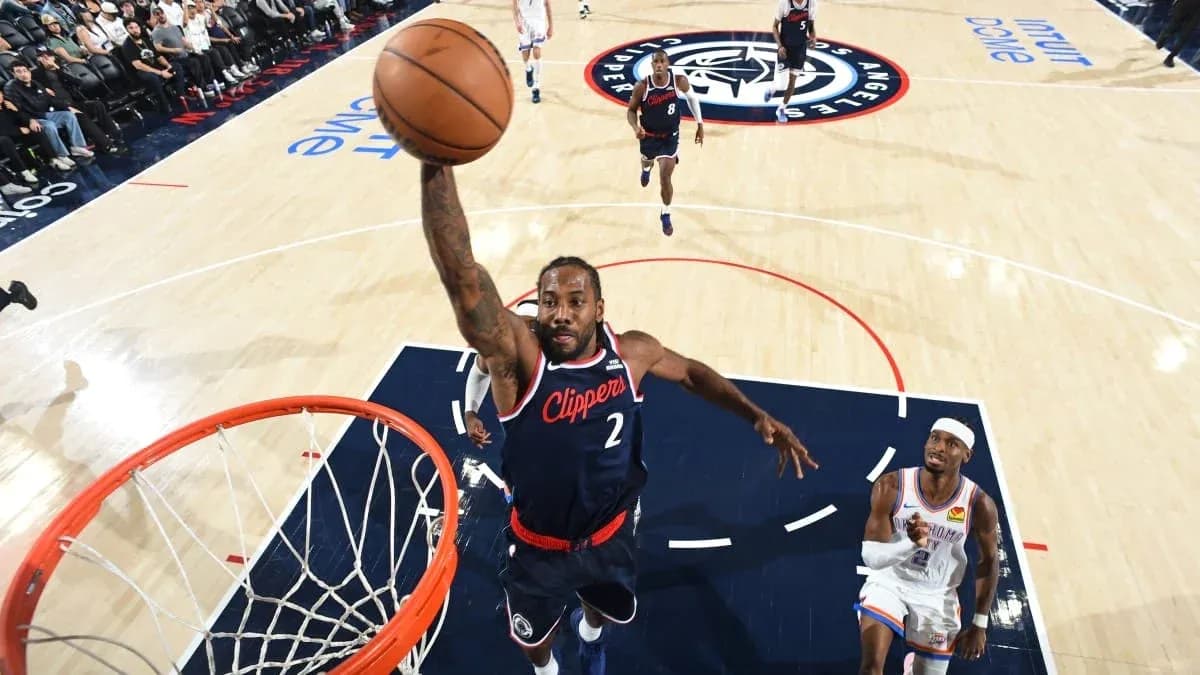
The NBA has dropped the hammer on the LA Clippers and Kawhi Leonard, and the language from the league leaves no room for doubt.
“The severity of the penalties reflects the seriousness of the violations.”
That single line from the NBA frames the entire case.
An independent investigation by the law firm Wachtell, Lipton, Rosen & Katz uncovered what the league described as “a pattern of misconduct and multiple significant rules violations by the Clippers organisation, a prior offender of the salary cap circumvention rules.” At the heart of it: off-court sponsorship deals tied directly to Leonard and his camp, and the way the franchise helped make them happen.
Investigators found that the Clippers initiated and facilitated sponsorship income arrangements for Leonard with four companies already doing business with the team: Aspiration Partners, Boingo Wireless, Daktronics and Lockton Insurance. These were not routine commercial tie-ins sitting comfortably within the salary cap framework. The probe detailed how the club induced those firms to sign agreements with Leonard by dangling additional business from the organisation.
The findings went further. The Clippers were found to have paid personal expenses for Leonard and his representatives and failed to report improper solicitations for off-court income opportunities made on Leonard’s behalf by his then-business manager, Dennis Robertson. Those payments and solicitations, according to the league, cut directly across the rules designed to keep the salary cap system intact.
Leonard himself, through Robertson’s conduct, was ruled to have violated salary cap regulations. The investigation concluded he obtained improper off-court income opportunities, pressured the Clippers to assist him in securing those deals and did not reimburse the team for personal expenses it covered. In the eyes of the NBA, that combination broke the financial boundaries that are supposed to govern every franchise.
Robertson’s punishment was stark. The league banned him from engaging with NBA teams or any of their affiliates on behalf of any player, employee or other NBA or team personnel for five years. For a figure operating in the margins between player, agent and club, that is a career-altering sanction.
The NBA and the National Basketball Players Association have agreed that the penalties in this case are final and binding on all parties. There will be no appeals, no drawn-out courtroom saga, no quiet backroom revisions.
Yet the story is not closed. The league made clear that investigators are still receiving information related to the case and stated that it “will consider further action as appropriate.”
The message is unmistakable: the Clippers have been hit hard, but the league’s scrutiny of how stars, sponsors and teams do business is only tightening.