NASCAR Issues Warnings for Minimum Speed Violations at Talladega, Clarifies Yellow Line Rule
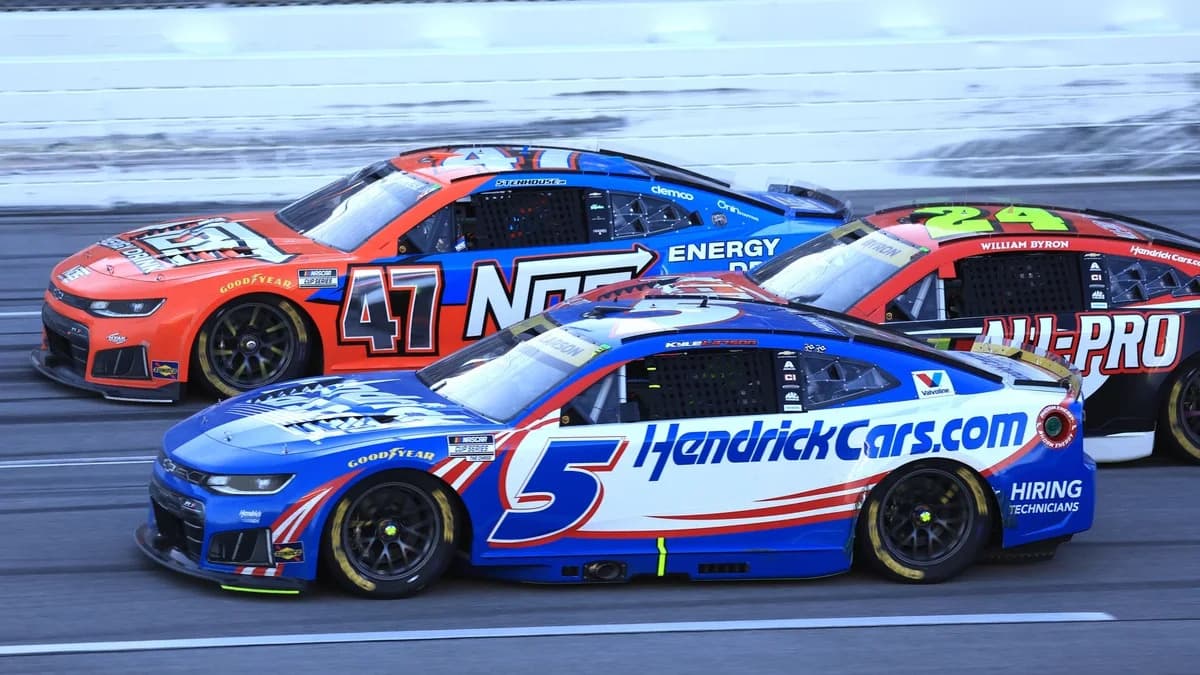
During the opening stage of Sunday’s Cup Series race at Talladega, NASCAR flagged nearly all drivers for falling below the minimum speed requirement, threatening black flags if they did not increase their pace. Most competitors, except the three from RFK Racing, were driving slowly to conserve fuel on the 2.66-mile superspeedway. This caused automatic alerts for cars running under the set minimum speed.
Mike Forde, NASCAR's vice president of racing communications, explained the situation on the Hauler Talk podcast with Amanda Ellis and Nate Ryan. He said race control sent messages through pit road to all teams, warning that if speeds weren't increased, penalties would follow. Shortly after the warnings, drivers raised their speed, so no black flags were issued.
At Talladega, the minimum speed limit is within 12.5 percent of the pole position lap time. Forde added that the timing to issue a black flag is at NASCAR’s discretion, generally allowing drivers one or two laps to comply.
Forde stressed that NASCAR does not want to remove cars from the race unnecessarily because sponsors invest significant money, and fans expect to see every driver on track regardless of their chances to win. The goal is to keep the field intact for the audience’s enjoyment.
Kyle Larson’s Double Yellow Line Pass Upheld
The race ended with a close call involving Kyle Larson making a final lap pass on Todd Gilliland near the double yellow line. NASCAR officials reviewed the incident carefully after the finish and concluded Larson did not violate the rule.
"There was some time taken to review it," said Forde. "The tire must go fully below the yellow line. Even if half an inch remains on the line, we won’t call a penalty. We felt it was pretty clear in our judgment."
NASCAR uses a flowchart method to decide penalties for passing below the double yellow line on superspeedways. The process asks: Were tires below the line? Did the driver improve position? Was the driver forced down? Only if all conditions are met is a penalty given.
In Larson’s case, his tires stayed on the line, so no penalty was applied. Forde dismissed speculation that the call was influenced by Larson having passed car number 34 already.
Denny Hamlin criticized the decision on social media, calling it either "horrible officiating or horrible communication," suggesting dissatisfaction with how NASCAR handled the situation.
Allegations of Team Tactics Denied
Throughout the race, some fans suspected that Chevrolet teams, especially Ricky Stenhouse Jr. and William Byron, deliberately slowed to help Larson secure stage points and ultimately win the championship. Forde denied these claims, stating that race officials, including crew chief turned official Scott Miller monitoring remotely from Concord, North Carolina, found no suspicious behavior.
No teams reported any concerns to NASCAR about potential manipulation either, despite having access to SMT data that would reveal irregularities. Some teams did ask about Larson’s tire placement and the yellow line rule but nothing related to off-throttle tactics helping Larson.
Key Points from NASCAR’s Statement:
- Minimum speed warnings were issued early but no penalties followed as teams complied quickly.
- Yellow line rule calls depend on whether tires fully cross below, position improvement, and being forced down.
- Kyle Larson’s pass was ruled legal after review since tires did not fully go below the line.
- Claims of team tactics to aid Larson were investigated and dismissed.