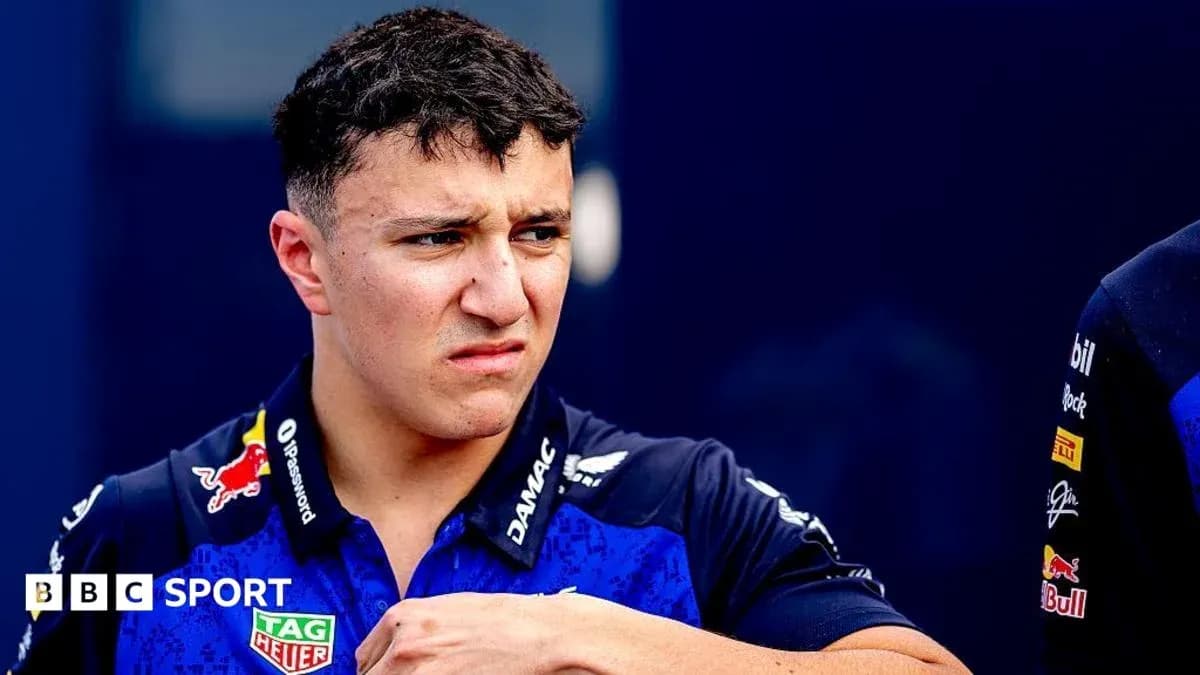
Monza Weekend: Gasly Loses Monaco Podium Amid Audi Protest
Monza weekend delivered more than just the usual blur of red cars and roaring tifosi. In the background, race control paperwork and legal wording were rewriting history – and potentially reshaping the championship fight in the midfield.
Monaco finally settled – and Gasly loses again
First came closure on a race most had already filed away. The Monaco Grand Prix, run in early June, finally received its definitive result nearly three months later during the Monza weekend.
The saga centred on pit-lane speed measurements and the time penalties that followed. Pierre Gasly had originally crossed the line in third for Alpine. Then came a penalty that dropped him down the order. An initial protest restored his podium. Now, after the latest ruling, it’s gone again.
Gasly loses the Monaco podium. Isack Hadjar, driving for Red Bull Racing, moves up to third and inherits the trophy that has been bouncing around the stewards’ room all summer.
One race, one podium place, three different versions of the truth. Monaco’s result is finally fixed on paper, but the process leaves a familiar question hanging over the sport’s credibility: how many times can a result be rewritten before it loses its meaning?
Audi fury at Monza: not over a penalty, but the lack of one
From there, the spotlight swung to Monza itself, where Audi left the Italian Grand Prix with a very different grievance.
This time, the complaint is not about a harsh sanction. It’s about the absence of one.
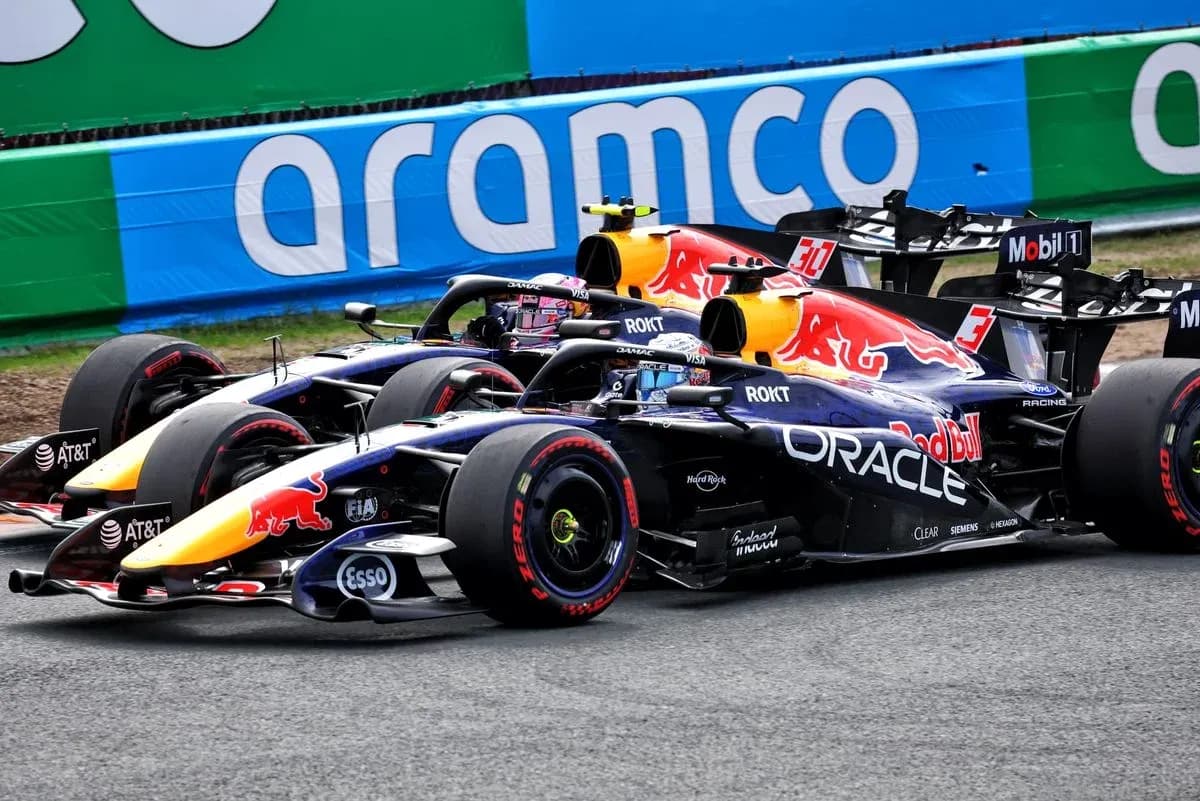
Yuki Tsunoda, racing for Racing Bulls and standing in for Liam Lawson (who himself was covering for Isack Hadjar at Red Bull Racing), finished tenth. One point. The last point-paying position.
Right behind him, in 11th and 12th, came the two Audi drivers, Gabriel Bortoleto and Nico Hülkenberg. Close enough to taste the points, far enough away to leave the German‑Swiss outfit empty-handed.
The entire dispute traces back to a single moment of confusion at the restart.
The restart that changed everything
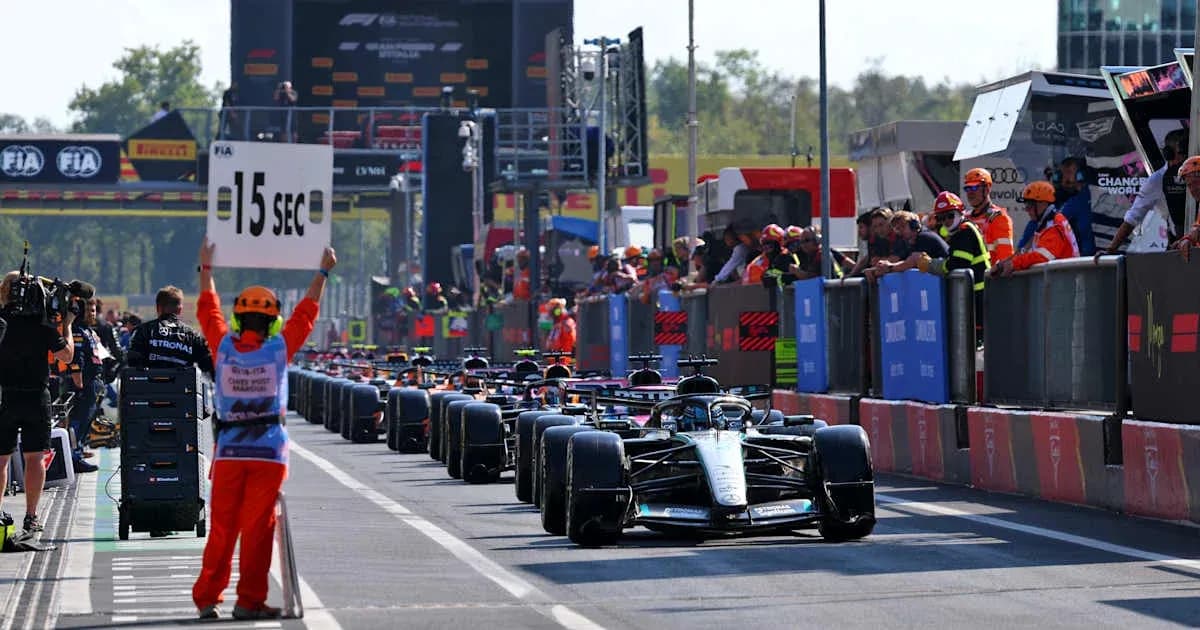
After Charles Leclerc’s crash triggered a red flag, the field formed up for a restart. On his way to the grid, Tsunoda lined up on the wrong side, initially positioning himself on the left when his designated starting box was on the right.
Realising the mistake, he cut across late and slotted into his correct bay, but the car stood slightly askew. It was enough for race director Rui Marques to abort the start and call for an extra formation lap.
Under the regulations, a driver who causes an additional formation lap is required to start from the pit lane. That did not happen. Tsunoda took the second restart from his grid position. No instruction came from race control to send him to the pits, and the stewards chose not to intervene with a penalty.
Their reasoning, in essence, was this: Tsunoda and his team were not formally informed that they were being treated as the cause of the extra formation lap. His position, while awkward, was not officially deemed incorrect on the grid. The additional lap, they argued, was ordered on safety grounds and in good faith. On that basis, no stop-and-go penalty would be applied.
For Audi, that explanation was not enough.
A protest on the clock
Within the one-hour window after the chequered flag, Audi notified the officials that it was considering a protest. That simple move keeps the door open.
From Sunday evening, the team has 96 hours to decide whether to formalise its appeal or quietly drop the matter. If it pushes ahead and the protest succeeds, the consequences are clear.
The usual conversion for a stop-and-go penalty applied retrospectively is a 30-second time addition. That would drop Tsunoda behind both Audi drivers. Bortoleto would climb into tenth and collect a valuable point, with Hülkenberg also moving up one spot.
One misaligned car on the grid. One extra lap. One point that might yet change hands days after the engines fell silent.
In an era when results can be rewritten months later, as Gasly and Hadjar have just discovered from Monaco, Audi’s decision in the next few days will say a lot about how hard teams are willing to fight for a single point – and how long Formula 1 is prepared to leave its final word open to debate.