Monza Grand Prix: Heat Hazards and Racing Tensions
The old royal park is baking. The tarmac at Monza is shimmering, the air thick and heavy, and Formula 1 has officially been warned: this Italian Grand Prix is a heat-hazard race.
Forecasts have temperatures pushing beyond 31C during Sunday’s race, with the mercury in the region already nudging the mid-30s. On Wednesday, it hit 36C near Milan’s Linate airport. The FIA has acted. Drivers are now allowed to run cooling systems under their overalls – fireproof tops threaded with pipes carrying chilled liquid such as glycol – or pay the price in ballast.
Use the kit, or add 5kg.
In a sport where teams spend millions to shave grams off a car, that is a brutal trade-off. Anyone refusing the cooling system must bolt on those extra kilos to ensure they don’t gain a performance edge by running lighter. At Monza, where every thousandth on the straights is fought over, 5kg is an anchor.
Slipstream games and Ferrari’s engine boost
The heat isn’t the only thing swirling around the Temple of Speed. So is the air behind 20 Formula 1 cars – and everyone wants a piece of it.
Friday’s support sessions gave a taste of the chaos to come. In F2 qualifying, 22 cars tripped over each other in a desperate bid to avoid being the first across the line, each driver trying to force someone else to punch the hole in the air so they could sit in the tow. Expect more of that in F1 qualifying.
The slipstream will be king here. Rebecca Clancy watched the F2 mayhem and expects similar scenes when the big boys roll out. Around Monza, a clean lap is rarely just about the driver and the car; it’s about who you’re following and where.
Ferrari arrive with something extra in their pocket. Andrew Benson reports that their upgraded engine is worth about a tenth of a second per lap. On paper, that doesn’t sound like much. At Monza, it’s the difference between pole and the second row.
Earlier in the season, at Silverstone and Spa, Ferrari compensated for their power deficit with strong cornering speed and still managed to win both races, helped by a slice of luck. Now they bring that same chassis with a bit more grunt down the straights. The hope in red is simple: that extra boost drags them right into the heart of the fight at the front.
On track, the session built slowly. Of the handful of drivers who ventured out early, Carlos Sainz was the only one to bolt on soft tyres, with the rest staying on mediums. Nearly 10 minutes passed without a representative time on the board – a familiar Monza dance, as teams wait for the right gap, the right tow, the right moment.
Hadjar ruled out, Lawson steps up again
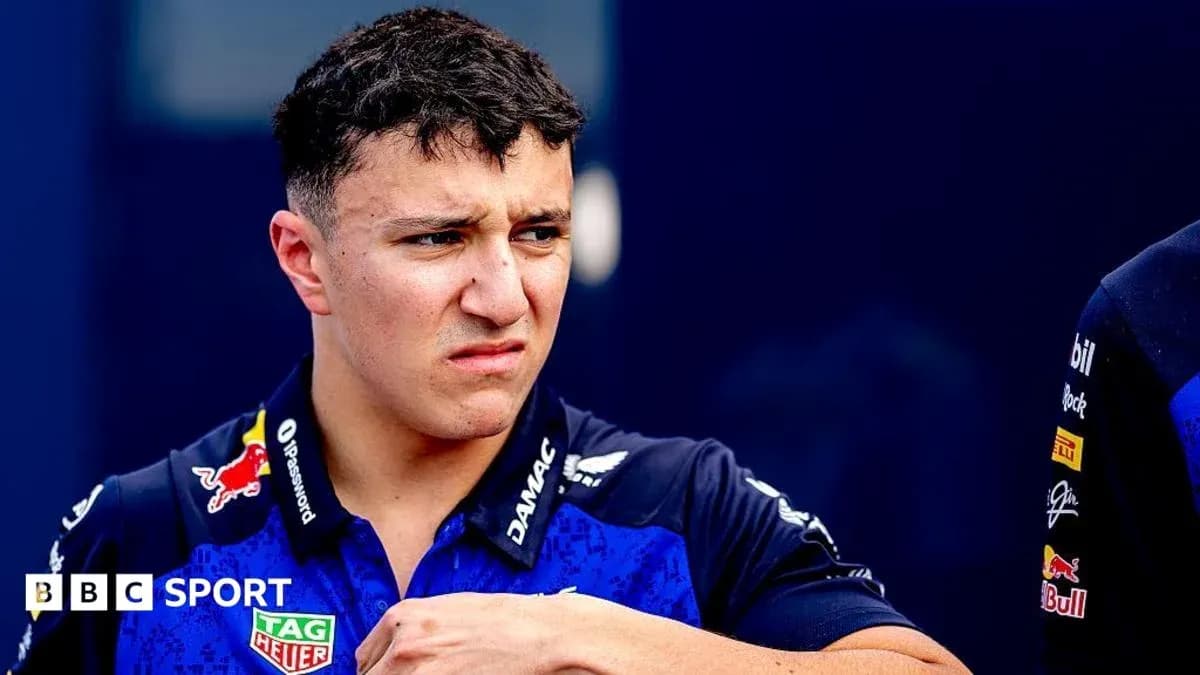
Red Bull have their own headache, and it has nothing to do with heat. Isack Hadjar will miss a second consecutive race as he continues to recover from a broken wrist suffered while boxing during the summer break.
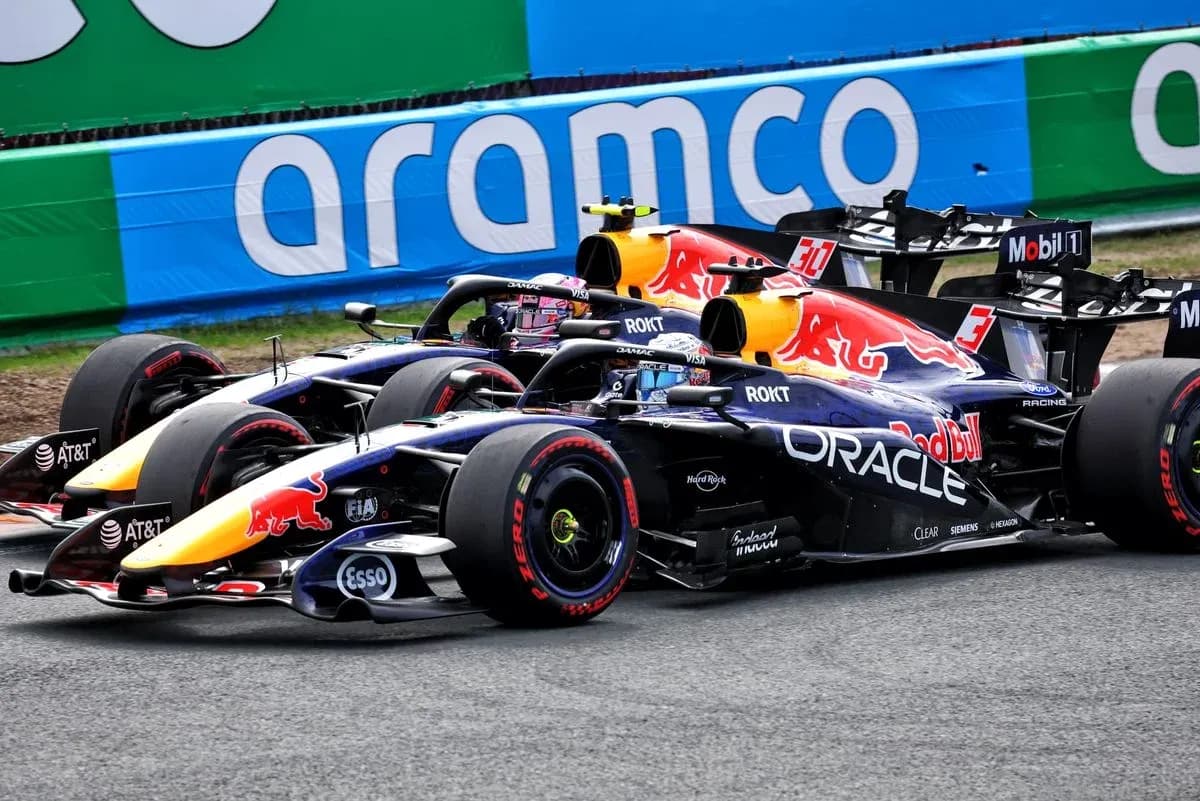
The 21-year-old Frenchman sat out the Dutch Grand Prix and will again be replaced at Monza by Liam Lawson. The New Zealander, who normally races for Red Bull’s second team, Racing Bulls, will line up alongside Max Verstappen after finishing seventh last time out.
That reshuffle triggers another. Yuki Tsunoda once more steps in at Racing Bulls as reserve turned race driver.
Red Bull say Hadjar is making “encouraging progress” but insist they will not take “unnecessary risks” with his return. With the team sitting fourth in the constructors’ standings, behind Mercedes, Ferrari and McLaren, they can’t afford a half-fit driver in this phase of the season.
Briatore vs the FIA: court hits back
Off the track, the political temperature rose as sharply as the air over the pit straight.
The FIA court of appeal issued a firm rebuttal to Alpine boss Flavio Briatore, who had suggested that one of the judges in the case involving Alpine, McLaren and Red Bull had “links” with McLaren, casting doubt on the court’s independence after it reinstated a penalty on Pierre Gasly from the Monaco Grand Prix.
Motorsport’s highest legal body pushed back hard. It underlined that court of appeal judges are bound by strict independence and confidentiality rules under the FIA’s judicial and disciplinary framework. They must make annual disclosures of interests to the FIA compliance officer and sign a specific declaration of independence for each case, tailored to the issues and the parties involved.
In a paddock that feeds on suspicion, the message was blunt: the judges stand by their neutrality.
Gasly stripped of Monaco podium
That ruling has had real consequences. McLaren and Red Bull have successfully appealed the revised result of the Monaco Grand Prix, where a string of incorrect pit-lane speeding penalties sparked confusion and a flurry of legal moves.
Alpine’s initial appeal overturned two five-second penalties on Gasly, lifting him to the podium after he finished third on the road. The latest verdict reverses that gain. Gasly drops back to seventh, where he had originally been classified.
Crucially, Alpine were the only team not to serve their penalties during the race, believing them to have been incorrectly applied. That stance has now cost them.
The winners? Red Bull’s Hadjar is restored to third place, McLaren’s Oscar Piastri moves to fourth, and Racing Bulls pair Liam Lawson and Arvid Lindblad climb to fifth and sixth.
The ripple spreads into the standings. Gasly had been 10th in the championship with 44 points; he remains 10th, but his tally is cut to 35.
Mercedes set the pace, Ferrari chase, Cadillac wait
At the top of the constructors’ table, Mercedes still set the standard. George Russell’s sprint victory in the Netherlands and Kimi Antonelli’s six wins this season have built a solid cushion.
Ferrari sit second, less than 100 points behind, close enough for the Tifosi to dream of a late charge if the new engine delivers. McLaren, buoyed by Lando Norris’s back-to-back race wins – including his triumph in the Netherlands – have muscled their way into the conversation, even if the gap remains sizeable.
Alpine, meanwhile, have seen their points trimmed by the Monaco ruling. At the other end of the spectrum, Cadillac are still searching for their first point in their debut F1 season, a stark reminder of how unforgiving the sport can be for newcomers.
Antonelli under pressure, Russell senses opportunity
Individually, the title picture has a clear leader but a live chase.
Kimi Antonelli heads the drivers’ standings with a 59-point advantage over joint second-placed George Russell and Lewis Hamilton, Russell edging his team-mate on countback thanks to two wins this year.
Behind them, Lando Norris lurks 83 points off the top but with momentum. Those consecutive victories have dragged him into striking distance of the Mercedes pair if the form continues.
Monza, though, will test Antonelli in a different way. The championship leader starts from the back of the grid after an engine change penalty. On a track where overtaking is possible but fraught, and where temperatures will punish any mistake, he faces a long afternoon of risk management and recovery.
Russell, who topped second practice in his Mercedes, sees the opening. With Antonelli mired at the rear, the Briton has the perfect chance to carve into that 59-point gap. One strong result could turn a comfortable lead into something far more fragile.
Ferrari, armed with their upgraded power unit and pushed on by the Tifosi, lurk as the great unknown. If the red cars can turn home advantage and extra horsepower into a win, the narrative of this season shifts again.
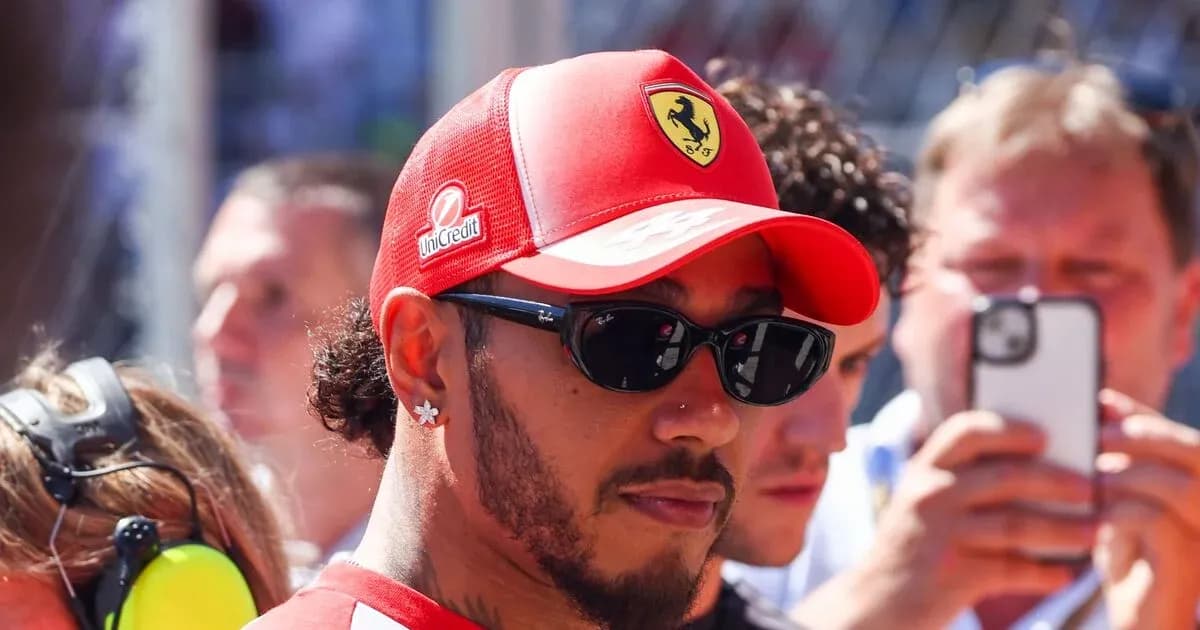
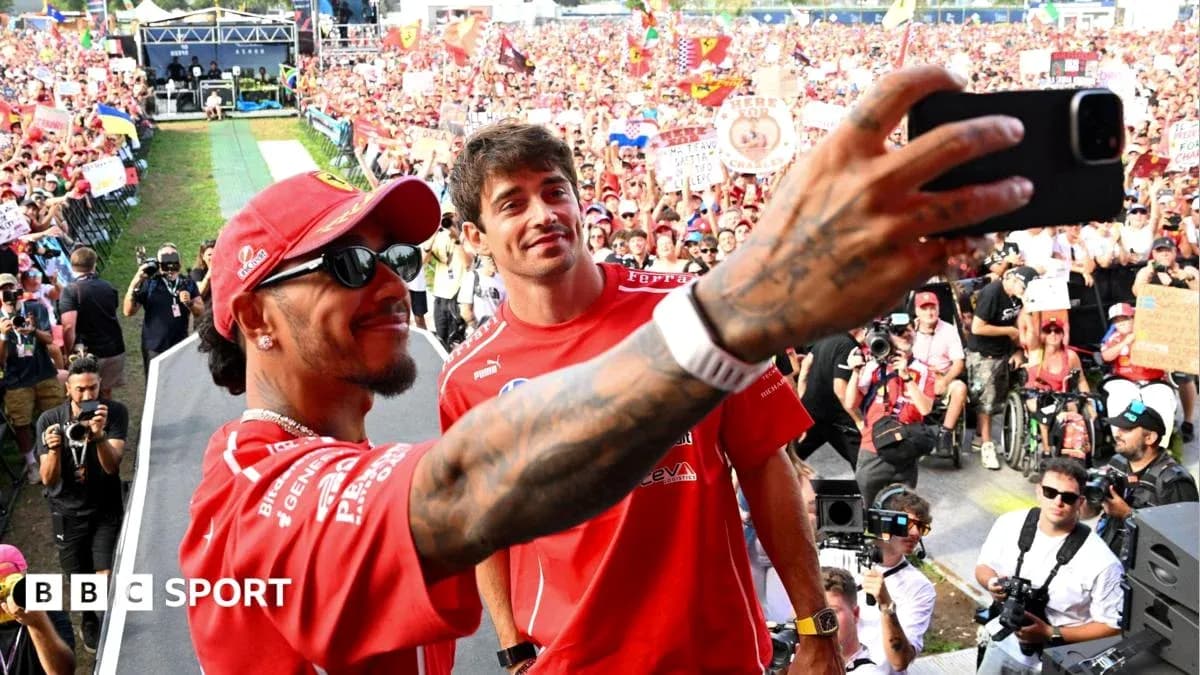
Around the paddock, the atmosphere matches the heat. Photographers sprint to chase a glimpse of Lewis Hamilton slipping in behind the motorhomes, screens hastily erected to block long lenses. Drivers duck side entrances to avoid the crush. Phones overheat as much as the tarmac.
Round 13 at Monza has all the ingredients: a title leader starting last, a challenger smelling blood, Ferrari with fresh power on home soil, a paddock simmering with legal and political tension, and a race where even the air temperature has become a strategic weapon.
On Sunday, under a punishing Italian sun, who will handle the heat best?