Monaco Grand Prix Controversy: McLaren and Red Bull Triumph
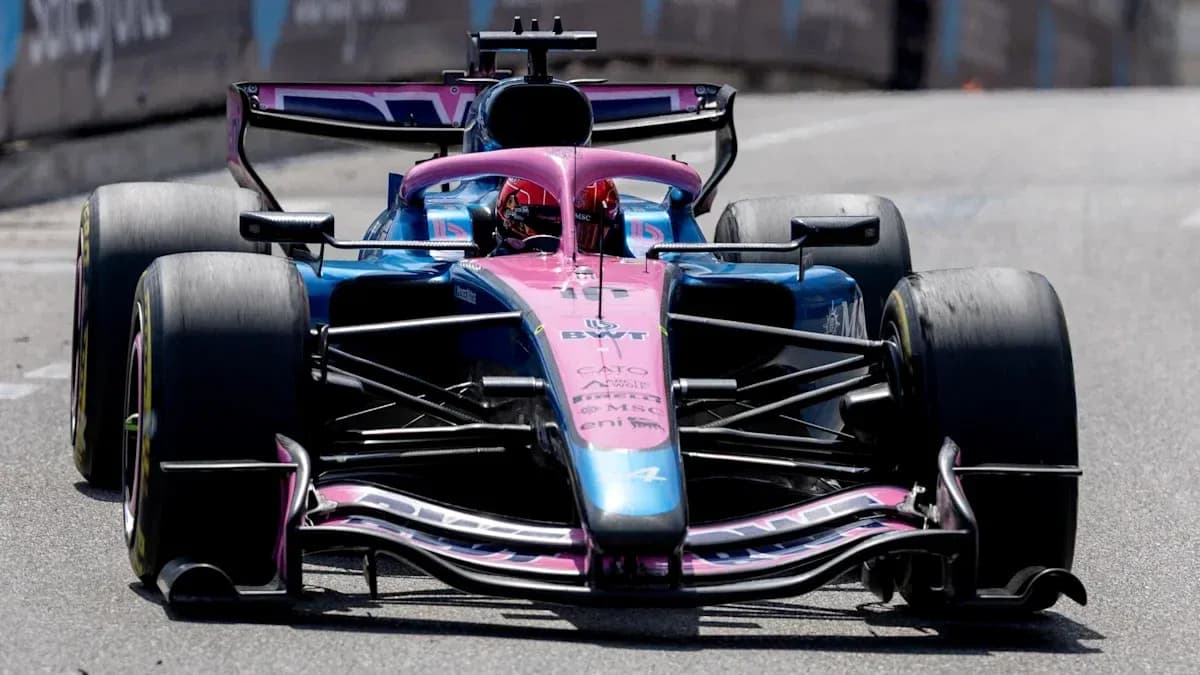
McLaren and Red Bull have won their fight over the controversial Monaco Grand Prix pit-lane penalties, ripping up a podium that had already been rewritten once and plunging the sport back into a familiar argument: what matters more, pure accuracy or sporting consistency?
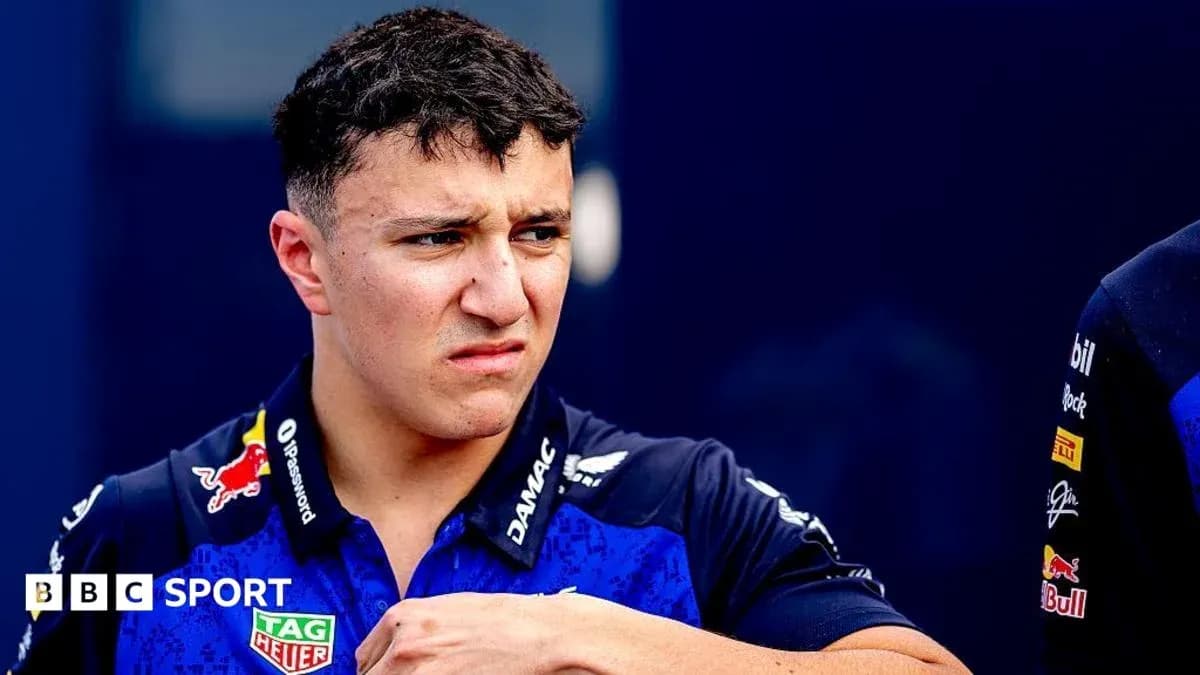
The ruling from the FIA’s international court of appeal restores Isack Hadjar to third place and drops Pierre Gasly from a hard-earned podium back to seventh, the position he originally held in the official classification. Oscar Piastri moves back up to fourth, with Racing Bulls pair Liam Lawson and Arvid Lindblad promoted to fifth and sixth.
For Alpine, it stings. Badly.
A podium gained, then lost
Gasly had finished third on the road in Monaco, but two five‑second pit-lane speeding penalties pushed him down the order. Alpine argued that those penalties were based on an incorrect measurement of the pit-lane distance. In June, they convinced the stewards: a new, shorter line through the pit lane showed Gasly had never actually exceeded the 60km/h limit. His penalties were overturned. The podium was his.
That was the first twist.
McLaren and Red Bull then challenged that outcome, arguing that changing the measurement after the race shredded the principle of sporting fairness. Piastri, among others, had served a five‑second penalty under the original calibration and lost points because of it. If Gasly’s sanction disappeared, they claimed, the competition had not been judged by a single, stable benchmark.
The court agreed.
The 77-centimetre problem
At the heart of the dispute sits a deceptively small number: 77 centimetres.
The controversy began when it emerged that the officially measured pit-lane distance used by F1’s timing system was 77cm longer than the absolute shortest route a driver could take. Alpine’s case hinged on that difference. Using the shorter line, Gasly’s average speed never broke the 60km/h limit. Under that recalculation, he was innocent.
The appeal judges did not dispute the geometry. They accepted that a shorter line existed and that, over that distance, Gasly stayed within the limit. The key point lay elsewhere.
The court ruled that once F1, as the FIA-designated timekeeper, had established the pit-lane distance, informed the teams, and run the weekend on that basis, that distance became the only valid reference. It had been tape-measured, entered into the system, used through free practice and the race, and even rechecked when concerns were raised before and during the grand prix. At no stage, the court noted, did F1 tell teams, race control or stewards that any other distance should apply.
In other words: you cannot rewrite the ruler after the race is over.
The judges were blunt. Sporting fairness, they said, “absolutely precludes the retrospective replacement” of that established calibration parameter “by a different geometric or measurement approach for the purpose of re-adjudicating an individual competitor’s result”.
The discrepancy between the official F1 distance and the shorter possible line did not, in their view, render the original measurement “incorrect of itself”. It was the benchmark everyone had used. It had to stand.
One rule, for everyone
The court’s reasoning rested on a few core principles:
- F1 is mandated by the FIA to define the pit-lane speed limit through average speed over the relevant timing sector, not instantaneous peaks.
- The distance used for that calculation must be identical for every car.
- Once that distance is fixed and communicated, and teams have calibrated their systems around it, it cannot be swapped out for a different line for one competitor after the event.
- The enforcement system only works if the benchmark is “common, stable and applied equally throughout the competition”.
By that logic, even though Gasly stayed under 60km/h on the newly identified shorter path, the court ruled that this could not be used to overturn penalties issued under the original, officially adopted distance.
So Gasly’s Monaco podium is gone. Again.
Alpine furious, but boxed in
Alpine did not hide their frustration.
In a statement, the team insisted they “fully maintain that car 10 (Gasly) did not exceed the pit-lane speed limit at any point during the race” and said they felt “unjustly punished”. Still, they acknowledged the panel’s decision and stressed their focus remains on improving on track in what they described as a tight and competitive championship fight.
They have already sent the third-place trophy to Red Bull’s Milton Keynes base. Symbolic, and painful.
The French team are now weighing their next move. The remaining realistic option, if they choose to press on, would be to take the matter to the Court of Arbitration for Sport. That would drag the Monaco fallout beyond the usual F1 legal structures and into wider sporting jurisprudence.
McLaren’s win – and the wider fallout
McLaren, whose appeal was framed as a defence of regulatory consistency as much as a bid to reclaim Piastri’s lost points, welcomed the verdict. The team said the ruling provides “important clarity for teams and all the sport’s stakeholders and helps protect the integrity of the sport and trust in its regulatory framework”.
They stressed their appeal was not aimed at Alpine or the FIA, but at ensuring the regulations are applied consistently to everyone.
Yet the court did not attempt to tidy up every loose end. It specifically did not rule on whether the pit-lane speeding penalties given to Ferrari’s Lewis Hamilton, Mercedes’ George Russell and Piastri were correct under the original measurement, or whether those cars ever physically broke 60km/h. That question sat outside the scope of the hearing, which focused purely on whether Gasly’s penalty could be rescinded under a new distance.
Mercedes, for their part, maintain that Russell never exceeded the limit at all. His race unravelled when he was penalised for failing to correctly serve his pit-lane speeding penalty at a later stop, a procedural error that earned him a drive-through and dumped him from points-paying positions to 12th. Before that first sanction, he had been running ahead of both Hadjar and Gasly.
So while the court has settled the legal question over Gasly’s Monaco podium, it has left a sporting aftertaste. Several drivers were hit by penalties under a benchmark that, while officially valid, is now known not to represent the absolute shortest line. The court’s stance is clear: stability beats perfection. The paddock may take longer to accept that trade-off.
For Gasly and Alpine, the story of Monaco now reads like a podium in pencil, erased twice. The trophy has changed hands. The result is fixed. The only uncertainty left is whether Alpine are prepared to drag this 77-centimetre argument into a new courtroom, and a new chapter of a season already bristling with controversy.