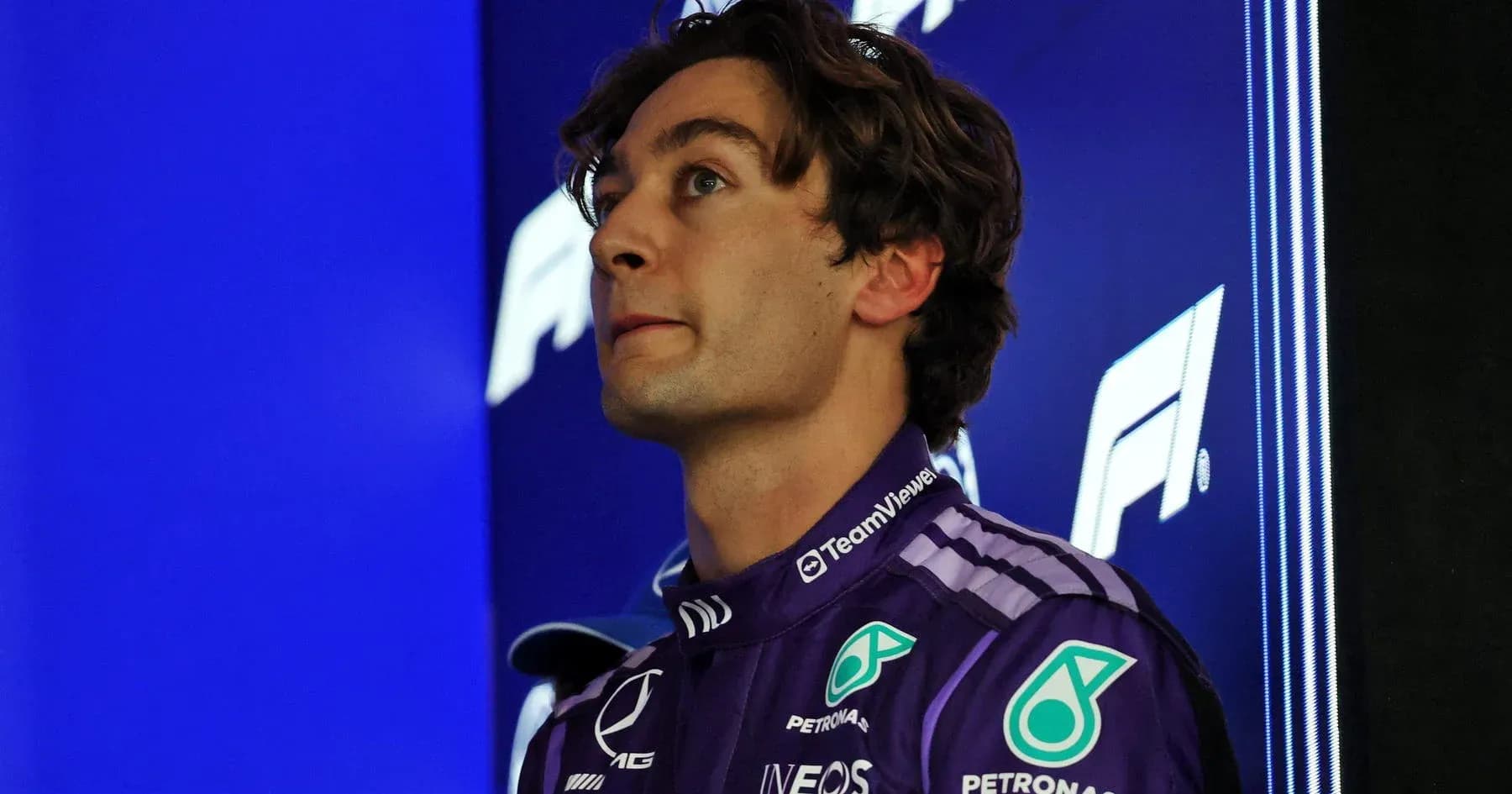
Mercedes' New Era in Formula 1: A Challenging Title Defense
Mercedes have opened Formula 1’s new rules era with a familiar double title, but this doesn’t feel like 2014 all over again. Not even close.
Kimi Antonelli wrapped up the drivers’ crown in Mexico as the youngest world champion in history. Seven days later in São Paulo, Mercedes banked the constructors’ championship with three races still on the calendar. The trophies are in Brackley’s hands, yet the season’s story has been anything but a procession.
This time, the chase has teeth.
A dominant champion, a vulnerable giant
Mercedes blitzed the early flyaway rounds, reeling off six straight wins that looked ominously like the start of another Silver Arrows stranglehold. Then the field started to close.
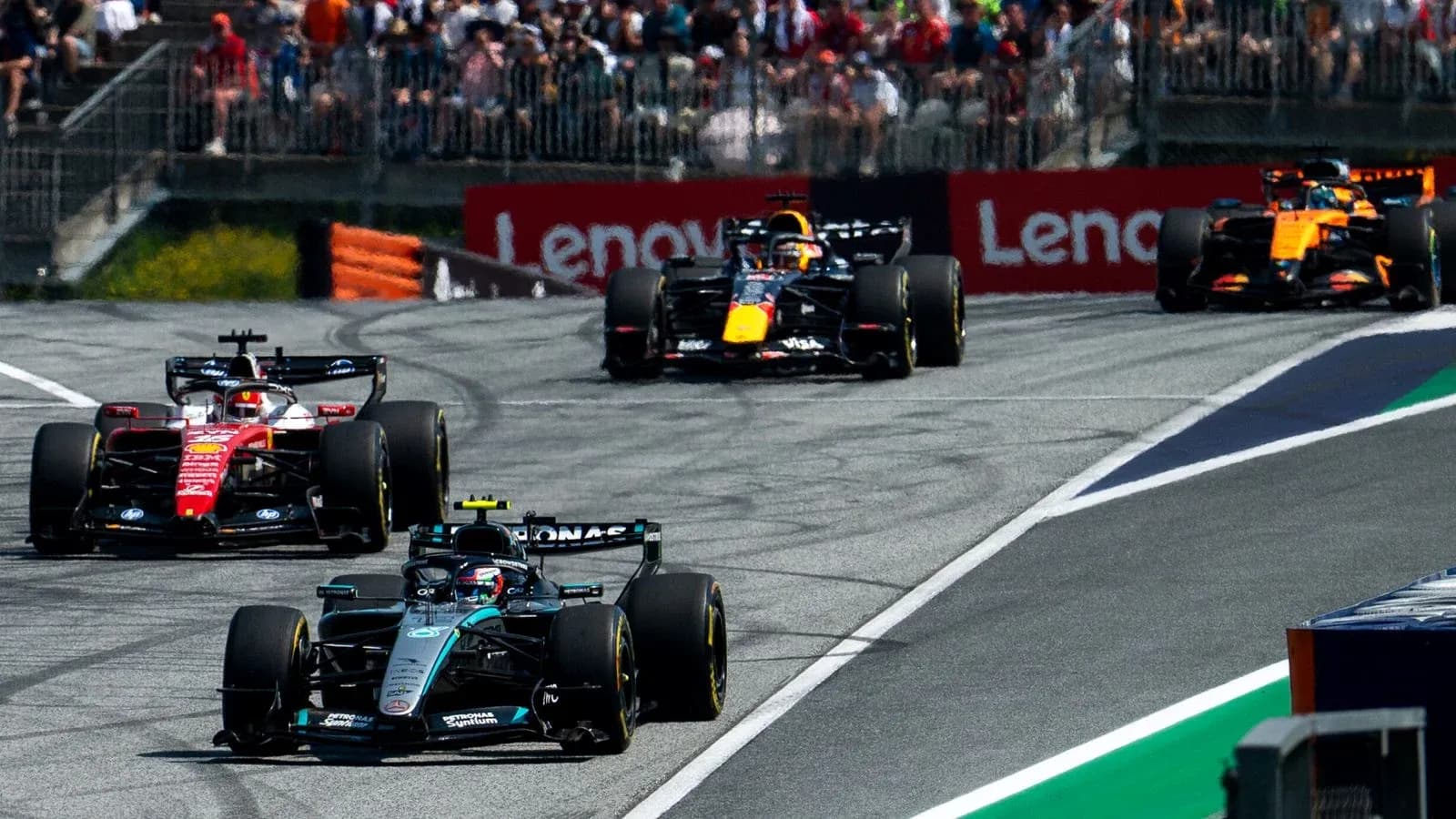
Since that perfect opening streak, Mercedes have added only six more victories. McLaren’s Lando Norris and Red Bull’s Max Verstappen have three apiece. Ferrari’s Lewis Hamilton and Charles Leclerc have both stood on the top step, and on other days could easily have had more.
The constructors’ title was sealed in Brazil almost by default rather than by statement. Antonelli finished fifth at Interlagos, one place behind George Russell, as Norris controlled the race out front. One win in five for the champions is not the soundtrack of a runaway era.
The contrast with 2014 is stark. Back then, when hybrid power units first arrived, Mercedes crushed everyone. They won the first six races of the season and the last seven as well, launching an eight-year run of constructors’ dominance that reshaped the sport.
This time, the gap is thinner, the margin for error smaller, and the sense of inevitability simply isn’t there.
Toto Wolff, the architect of that first dynasty, can see the difference as clearly as anyone. He talks about a grid so professional, so well-resourced, that the door to another one-team lockdown may already be closed. One misjudged upgrade, one wrong development path, and you’re suddenly third-best on pure pace.
For the spectacle, that’s a gift. For Mercedes, it’s a warning.
No magic engine, no easy answers
In 2014, the story was simple: Mercedes built a power unit the rest could not touch. This time, the picture is far more nuanced.
The FIA’s in-season testing and ranking system, introduced with the new regulations to prevent any manufacturer being left behind, caused a stir when it judged Red Bull’s unit to be the strongest on the grid. That verdict came while Mercedes were still racking up early wins, which only amplified the controversy. Rivals bristled at the idea that the reigning powerhouse might be given extra scope to improve.
Strip away the politics, though, and one fact stands out. If Red Bull’s brand-new operation in Milton Keynes can already produce an engine that the FIA rates as the benchmark, then Mercedes no longer enjoy the vast power-unit cushion that underpinned their last era of supremacy.
The ADUO mechanism, which hands extra development opportunities to manufacturers more than two per cent down on the leader – and even more if they’re four per cent adrift – has done its job. Nobody is disappearing into the distance on raw horsepower alone.
That keeps the fight alive on multiple fronts. Red Bull’s fledgling engine division will only harden with experience. Mercedes still have enormous depth. The battleground is shifting towards chassis brilliance, aerodynamic ingenuity and, crucially, driver execution.
McLaren add another twist. As a Mercedes customer, they have already shown what’s possible by taking back-to-back titles in 2024 and 2025. They felt the limitations of being a customer keenly this year, with issues such as shorter-than-planned gear ratios costing performance that a works team would rarely tolerate. But if they tidy those details over the winter, the same power unit could fuel another title charge from Woking.
Ferrari, meanwhile, have been fighting with one hand tied behind their back. Their engine has lagged the other three members of the “big four” all season. Hamilton has been blunt: the top priority heading towards 2027 is to slash – or erase – that deficit. If they find that missing power, the equation at the front changes again.
Points thrown away and low-hanging fruit
Put the engines to one side and the picture becomes even more intriguing. There is obvious, almost glaring, room for improvement at Mercedes’ main rivals.
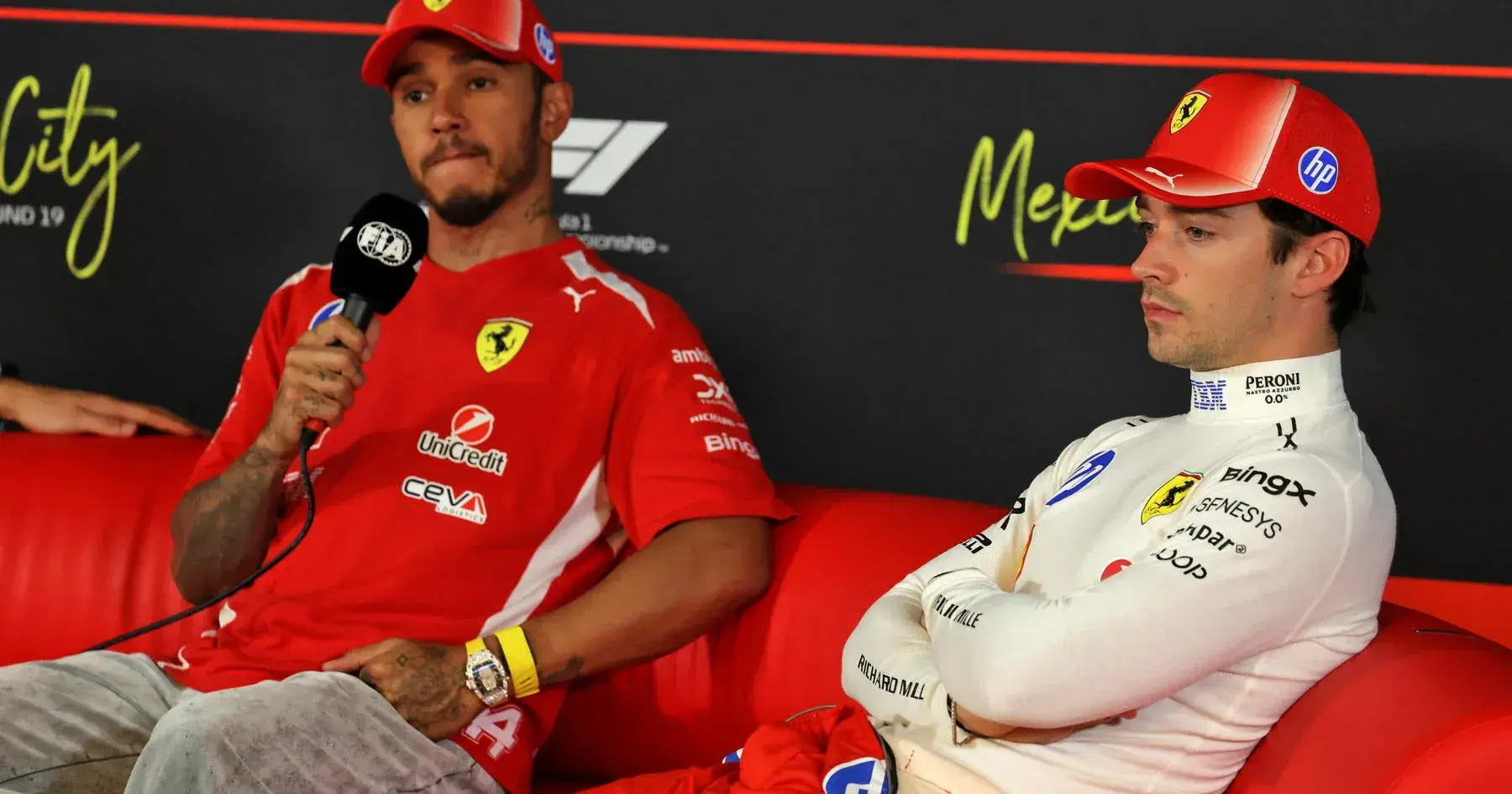
Ferrari have repeatedly tripped over their own shoelaces. Strong positions in Q3 have evaporated when it mattered most. Strategy calls have gone wrong. Penalties have crept in. Hamilton and Leclerc have fought each other as hard as anyone else, and sometimes harder than the situation demanded.
Mexico was the most painful example: a likely one-two ruined on the opening lap when their drivers collided. Those are the sort of errors that turn title campaigns into what-ifs.
If Ferrari can simply tidy up their weekends – sharpen qualifying execution, clean up strategy, cool the in-fighting – they don’t need a miracle to join the title conversation. They just need competence at scale. That, however, has often been the hardest part of the job in Maranello.
McLaren’s season carries its own asterisk. Their resources were stretched by the 2025 title run-in, when everything was funnelled into ensuring Norris or Oscar Piastri got the job done. Norris did, but the hangover into 2026 was clear. A sluggish start left them scrambling.
Andrea Stella now has a clearer runway. With the drivers’ crown already decided this year and the constructors’ gone to Mercedes, the focus in Woking can swing fully to 2027. The raw pace is there; the late-season surge reminded everyone of that. The question is whether they can start fast, not just finish strong.
Red Bull, though, might be the most ominous of the chasing trio. They’ve become the grid’s development specialists, carving chunks of lap time out of nowhere as seasons wear on. From a position well off the front earlier in the year, they’ve ended 2026 with arguably the sharpest car.
Verstappen has been relentless in that machine. He dominated the end of last season and came within touching distance of denying Norris the title. Now he’s on a run of eight straight podiums stretching back to Monza. Give him a car that’s competitive from race one next year and he becomes the benchmark again, almost by default.
Red Bull team principal Laurent Mekies summed up the current state of play with a simple reality: you arrive at a race weekend now and genuinely don’t know which of the four big teams will win. For Formula 1, that unpredictability is gold.
The upgrade gamble and the 2027 question
If there’s a cloud over Mercedes’ season, it hangs over one decision: the major upgrade they unleashed in Malaysia at the start of October.
While rivals chipped away with a steady stream of smaller updates, Mercedes banked their tokens for a big swing at the rescheduled Bahrain Grand Prix in Sepang. They talked the package up, clearly believing it would reassert their authority and reopen a gap at the front.
It didn’t. Antonelli’s win in Austin stands as the only victory from the five races with the new parts. The car has been quick, but no longer clearly superior. In a field this tight, that’s enough to turn dominance into dogfight.
If Mercedes truly misread that development step, it raises uncomfortable questions about the direction of their 2027 project. The last thing they can afford is to double down on a concept that has already under-delivered.
There is another possibility, of course. Mercedes have form for playing the long game. In 2019 they started strongly, appeared to be reeled in by Red Bull and Ferrari, and then arrived in 2020 with a car that crushed everyone. If they have diverted more resource than they admit towards next year’s machine, this late-season wobble could prove a clever piece of misdirection.
Wolff isn’t in the mood to relax. He talks about three or four teams capable of fighting for the championship next year, and he doesn’t sound like a man who assumes Mercedes will automatically be one of them. The titles are secured, but his mind is already on the next battle, the next season, the next threat.
That, in essence, is where Formula 1 stands as this new rules era beds in. The super-team still sits on the throne, yet the walls are closing in. Red Bull are surging. McLaren are regrouping. Ferrari know they are wasting chances.
If 2026 was the year the pack learned how to hunt again, 2027 might be the year we find out whether Mercedes can survive being the prey.