Mercedes Sets Early Pace at Madrid's Challenging Madring Circuit
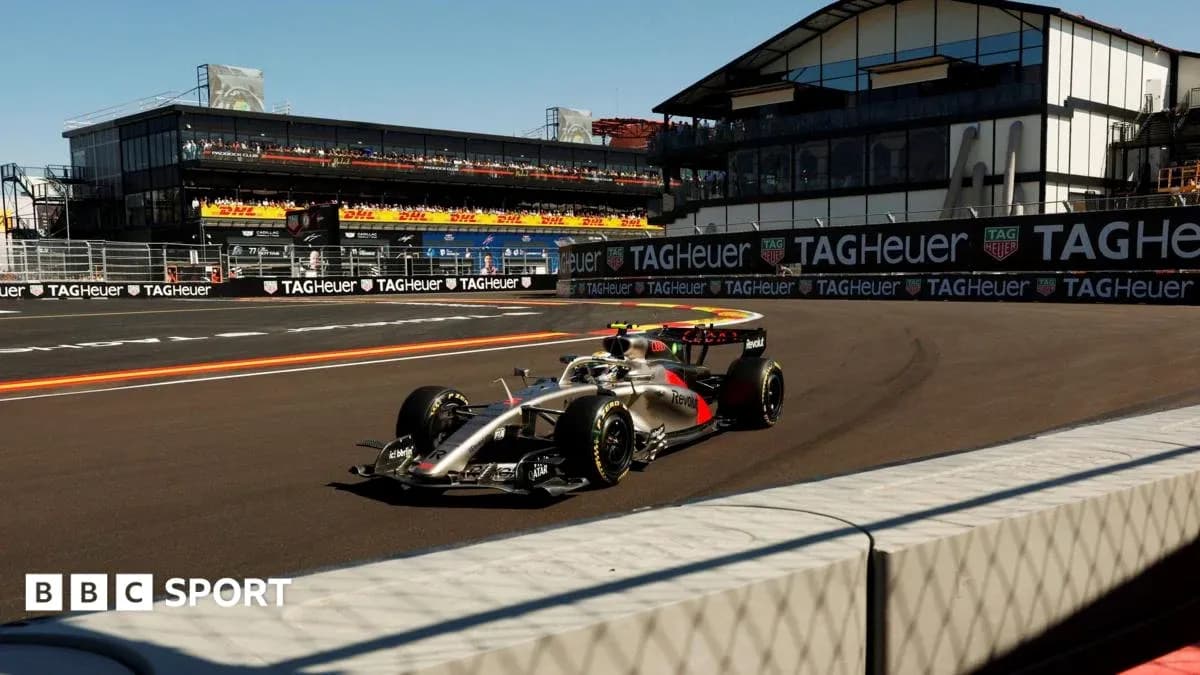
Madrid’s new beast of a circuit woke up early on Saturday, bathed in hard, unforgiving sunshine and already humming with risk.
Final practice at the Madring is the last rehearsal before qualifying, and the paddock can feel it. Mechanics move quicker. Engineers talk lower. And out on track, 22 drivers are still trying to decode a layout that has the speed of Silverstone and the margin for error of a street track.
Mercedes set the early standard
Friday belonged to Mercedes. George Russell topped first practice, Kimi Antonelli answered in second, and together they stamped a silver watermark over this brand-new venue.
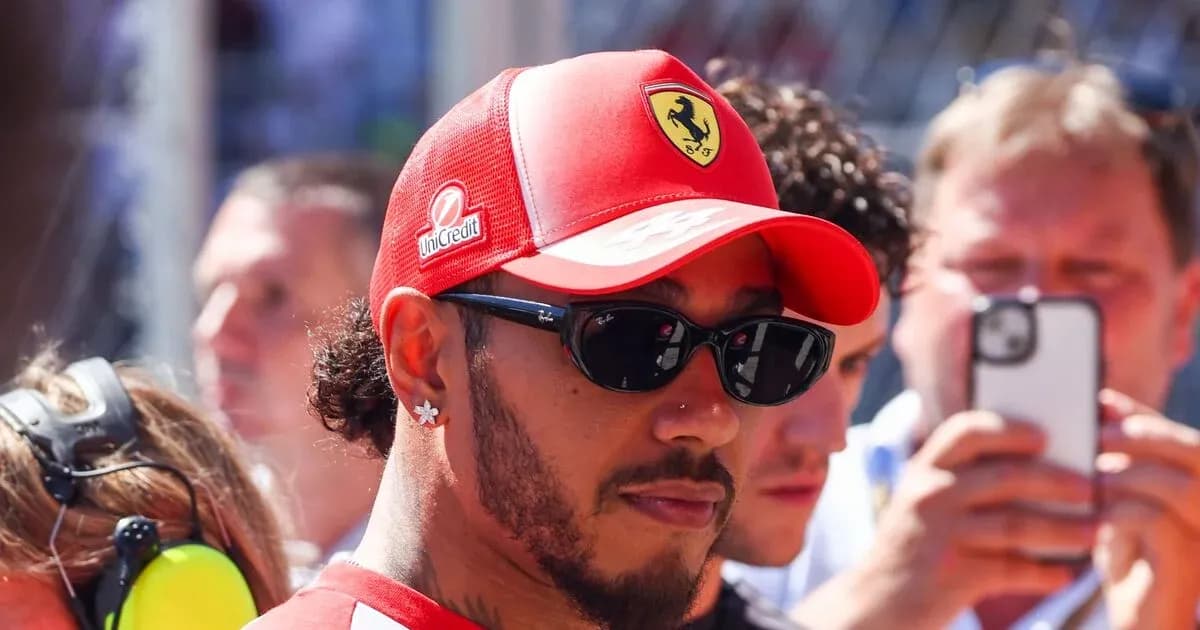
Russell’s advantage in FP1 was clear: 0.286 seconds ahead of Antonelli, with the Ferraris of Charles Leclerc and Lewis Hamilton, then Max Verstappen’s Red Bull, forming a familiar-looking chasing pack. In FP2, Antonelli hit back with a 1:33.662, edging Leclerc and Hamilton as Mercedes showed both one-lap pace and long-run intent.
Russell, 66 points behind Antonelli in the championship, sounded impressed and wary in equal measure.
“Without doubt, it is a circuit of very high risk,” he said in Madrid. He compared it to Monaco, but with a cruel twist: less margin, more speed. The walls don’t just wait for you here; they angle back towards the racing line.
There is grip, plenty of it, but that grip comes at a cost.
“With the deg we had in P1, a six-stop race would be the fastest way,” Russell admitted. P2 calmed those fears slightly, yet tyre wear remains the great unknown hanging over Sunday.
Tyres, risk and a new kind of challenge
The Madring’s surface is fresh, smooth and vicious on rubber. Drivers slide aggressively through fast corners, asking a lot from the tyres and getting punished when they overstep.
Strategy voices are already circling around one theme: this race could be decided by who dares to stretch their compounds the furthest without falling off a cliff.
Alice Powell, watching the weekend unfold, pointed to an intriguing detail: the frontrunners largely stayed away from the hard compound in free practice. Mercedes leaned heavily on the mediums for longer runs. Leclerc and Verstappen chose slightly newer softs for their extended stints, a bold call that hints at confidence in tyre life.
In Formula 3 earlier in the day, tyre degradation barely registered, where usually it dominates. That contrast has teams scratching their heads. Will the grand prix follow F3’s pattern, or will the heavier, more powerful F1 cars tear the tyres apart over a stint?
Powell has another warning: overtaking will not come easily. On a circuit this fast, with barriers lurking and grip peaking in a narrow line, track position might be gold.
A sun-baked cauldron on the edge of a city
Down in the pit lane, the setting feels almost surreal. Madrid is a world-class city, rich and vibrant, but the track sits out by the airport, giving the weekend a strange, dislocated character. As one voice in the paddock put it, it feels a little like racing around Heathrow.
Jennie Gow paints the scene: a flawless blue sky, sun pouring over the paddock, not a breath of wind. The flag at the end of the pit lane hangs limp, as if even it is conserving energy before the intensity of qualifying.
The drivers, though, have no such luxury. This place bites.
Russell’s description of the barriers “coming back on to the track” captures it perfectly. Go wide here and you don’t just brush the wall; you risk meeting it at a punishing angle. The speed is high, the run-off small, and the margin for recovery slimmer than most are used to.
Lindblad stuck in the garage, Lawson steps in
Not everyone could attack the morning with the same freedom.
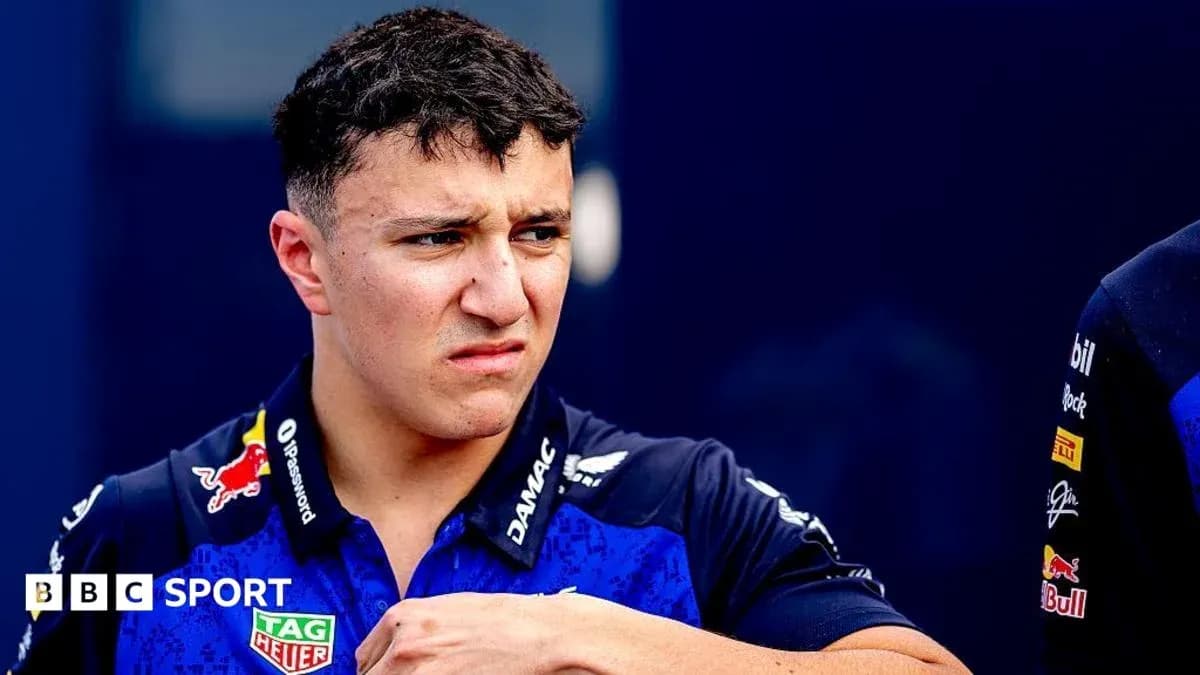
Arvid Lindblad’s Racing Bulls car sat up on its stands, mechanics working underneath, the clock ticking. Whatever the team is fixing, it is not a quick job. Lindblad, who impressed on Friday with the fourth-fastest time in FP2 before crashing at Turn 13, faces a disrupted build-up at exactly the wrong moment on a track that demands rhythm and confidence.
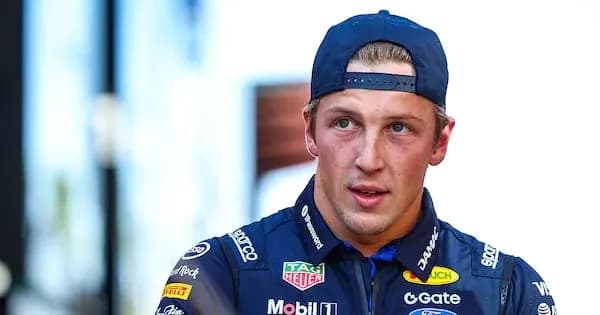
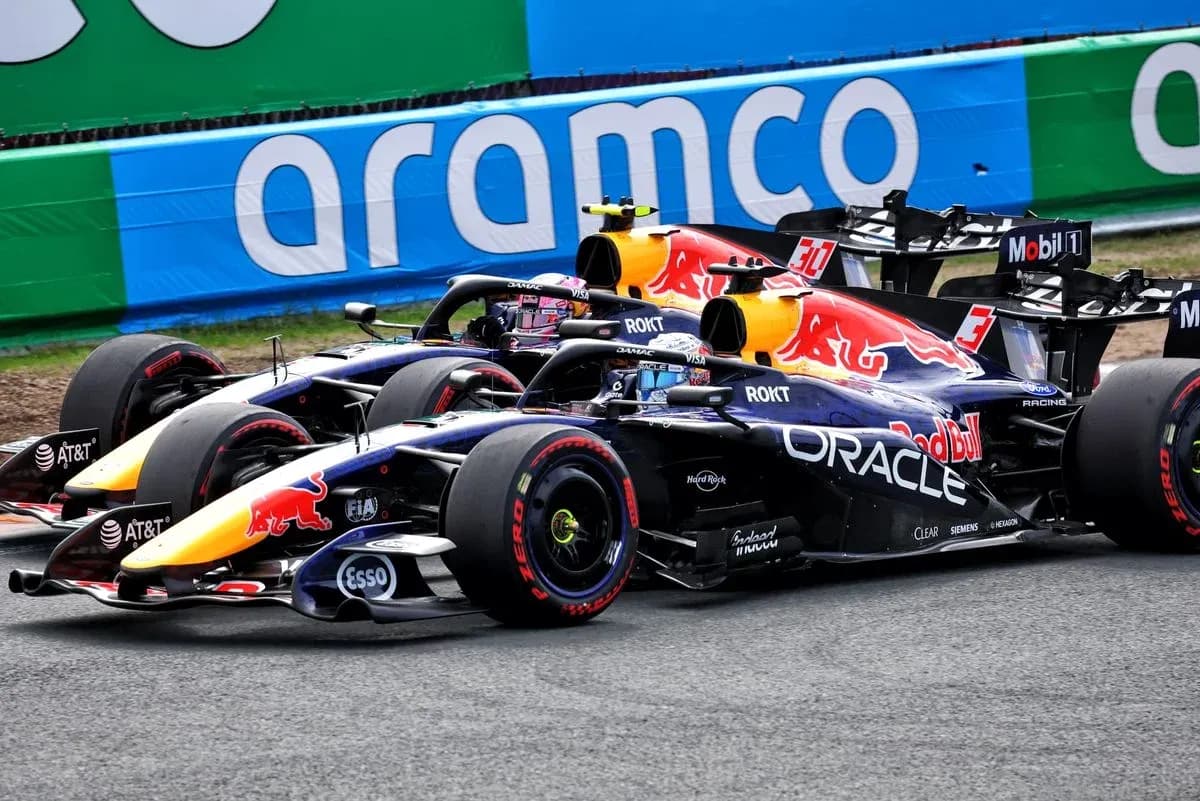
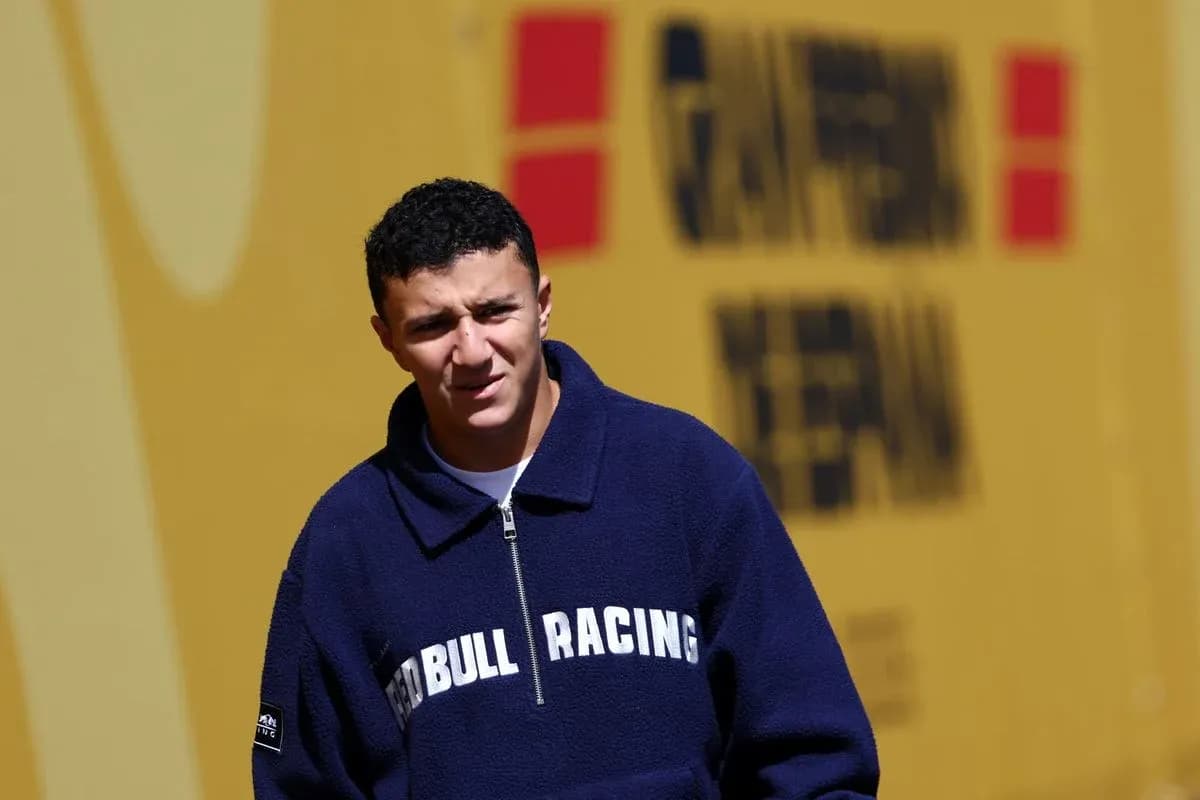
At Red Bull, there is a different kind of adjustment. Liam Lawson has stepped into the car in place of Isack Hadjar and immediately set about making his point. On hard tyres, while most of the field bolted on softs and the two Audis chose the yellow mediums, Lawson fired in a lap good enough for second-fastest behind Nico Hulkenberg.
On a day when every lap counts, that sort of statement, on that compound, will not go unnoticed.
The final dress rehearsal
So the stage is set.
Two Audis circulating on mediums. The bulk of the field probing the limit on softs. Lawson grinding out mileage on hards. Teams juggling tyre data, fuel loads and set-up tweaks as they chase a car that stays kind to its tyres without surrendering the peak grip needed for qualifying.
Final practice at 11:30 BST is the last window for answers. Qualifying follows at 15:00 BST, when the stopwatch strips away every excuse.
Mercedes hold the early advantage, Ferrari look sharp, Red Bull lurk, and the Madring itself remains the most dangerous rival of all.
On a circuit this quick, this narrow, and this unforgiving, who will dare to lean closest to the wall when it matters most?