McLaren and Red Bull Win Monaco Grand Prix Appeals
McLaren and Red Bull have won their Monaco Grand Prix appeals, ripping up a podium that had already been rewritten once and plunging a messy pit-lane saga into fresh controversy.
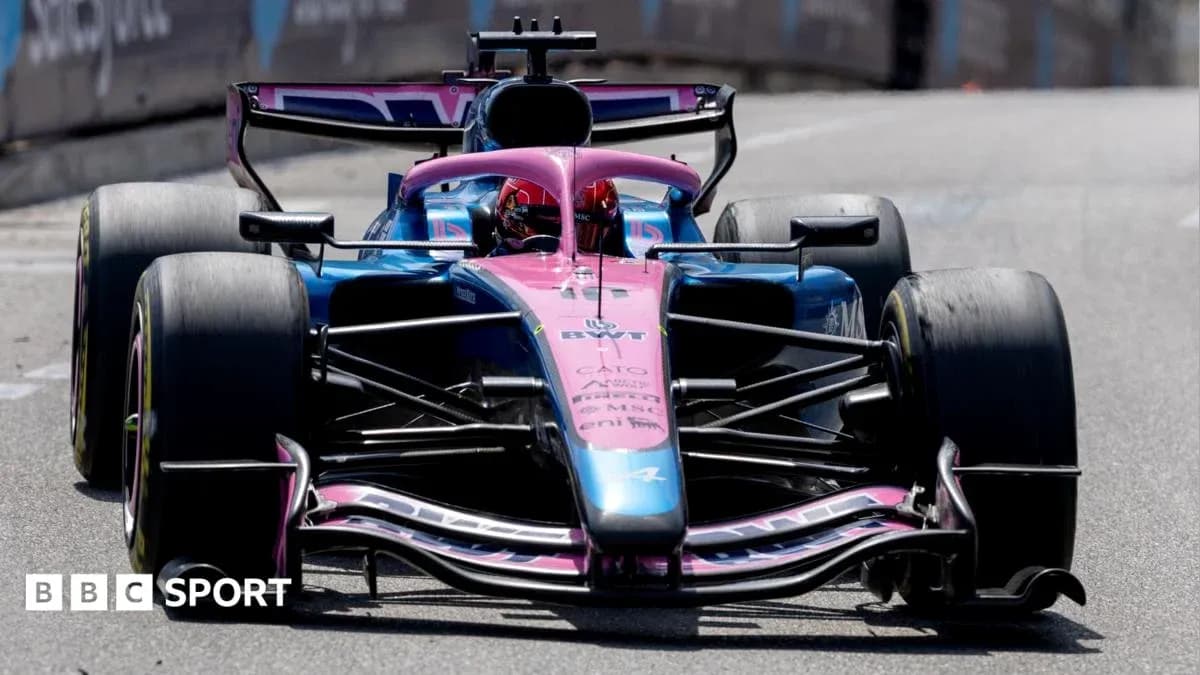
Pierre Gasly, who left Monte Carlo believing he had salvaged third place via Alpine’s initial protest, has been pushed back to seventh. The Frenchman finished third on the road, was demoted by two five‑second penalties for pit-lane speeding, then reinstated to the podium when Alpine successfully argued he had not actually broken the limit.
Now that podium has gone again.
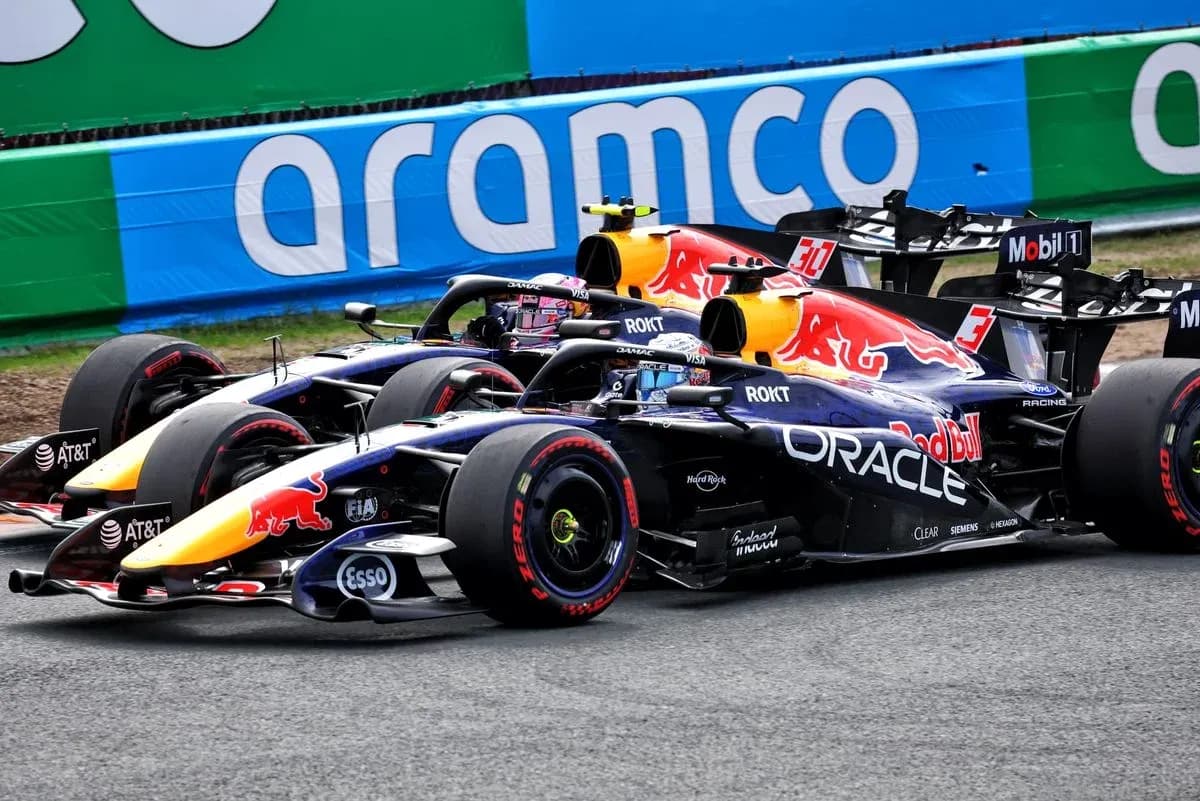
Isack Hadjar is restored to third for Red Bull, Oscar Piastri climbs back to fourth for McLaren, and Racing Bulls pair Liam Lawson and Arvid Lindblad move up to fifth and sixth. Gasly drops to the seventh place originally listed in the official classification.
A 77-centimetre storm
All of this stems from 77 centimetres.
That was the discrepancy between the officially measured length of the Monaco pit lane and the shortest legal line a driver could take. Alpine’s original appeal hinged on that gap. Using the newly identified shorter route, Gasly was judged not to have exceeded the pit-lane speed limit, and his penalties were overturned.
But that opened a different wound.
McLaren, backed by Red Bull, argued that changing the measurement basis after the race tore at the fabric of sporting fairness. Teams and drivers had calibrated their systems, their braking points, their margin for error, to the official pit-lane distance given before the weekend. Shifting that yardstick after the chequered flag did not just benefit Gasly; it cut across others who had served penalties under the original parameters, including Piastri.
The international court of appeal agreed.
Its ruling centred on a simple but powerful principle: once competitors have been informed of the parameters that govern a grand prix weekend, those parameters cannot be rewritten after the event to reassess individual results.
The judges accepted that a shorter line through the pit lane was technically possible. They also accepted that the official measurement did not perfectly match that ideal route. But they drew a hard line at the idea of recalculating penalties using a different geometric approach after the race had finished.
In their words, “sporting fairness absolutely precludes” replacing the common, event-wide calibration used by everyone with a new one after the fact, just to re-adjudicate a single car.
So the court reinstated the original penalties and the original classification logic. Gasly’s reprieve vanished. Hadjar, Piastri and the Racing Bulls drivers all moved back up.
Collateral damage in the pit lane
The ripples stretch beyond the podium.
Several drivers were hit by pit-lane speeding penalties in Monaco, among them Mercedes’ George Russell. His race unravelled when he was penalised for not correctly serving an earlier pit-lane speeding sanction, dropping him out of the points.
The new verdict does not fully resolve every nuance of those knock-on effects. It does, however, lock in the framework: the official F1 measurement used across the weekend stands as the reference, regardless of whether a marginally shorter path could be plotted on paper.
For the court, that official distance was not “incorrect” in a way that justified tearing up the rulebook after the race. It was the common standard, and that trumped late technical refinements.
Alpine left fuming, but moving on
Alpine, unsurprisingly, are far from satisfied.
In a statement, the team insisted they “disagree with the decision” and “fully maintain that car 10 (Gasly) did not exceed the pit-lane speed limit at any point during the race”. They feel “unjustly punished”, having seen Gasly’s podium awarded, defended, and finally stripped away in a matter of weeks.
Yet the tone, while frustrated, was also pragmatic. Alpine acknowledged the ruling of the Paris judging panel and stressed that their focus now is on improving performance on track and fighting in what they called a “close and very competitive championship”.
For McLaren and Red Bull, the outcome validates a stance built not just on their own lost points but on the broader principle of competitive integrity. For Gasly and Alpine, it leaves a bitter taste and a lingering sense of what might have been.
And for Formula 1, it raises an uncomfortable question: how many more races can afford to be decided not by daring moves or strategy calls, but by tape measures and legal definitions of 77 centimetres?