Max Verstappen Prepares for Painful Weekend at Monza
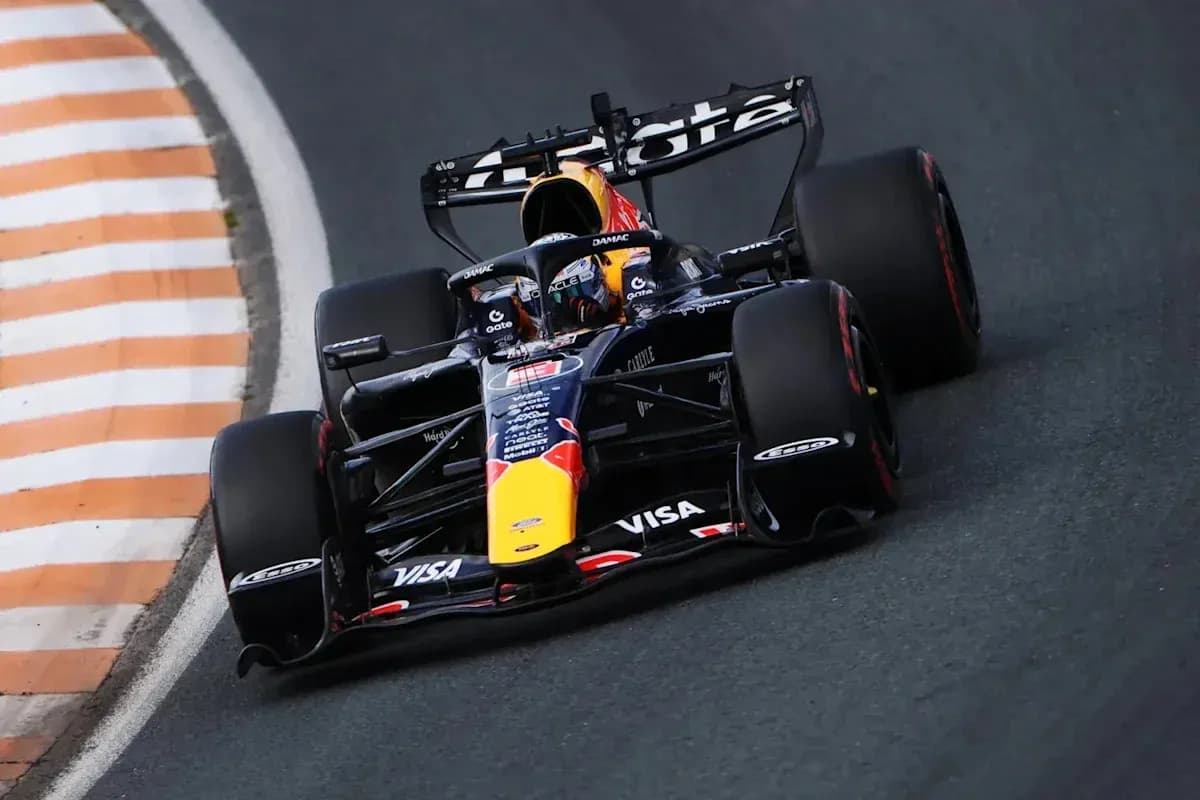
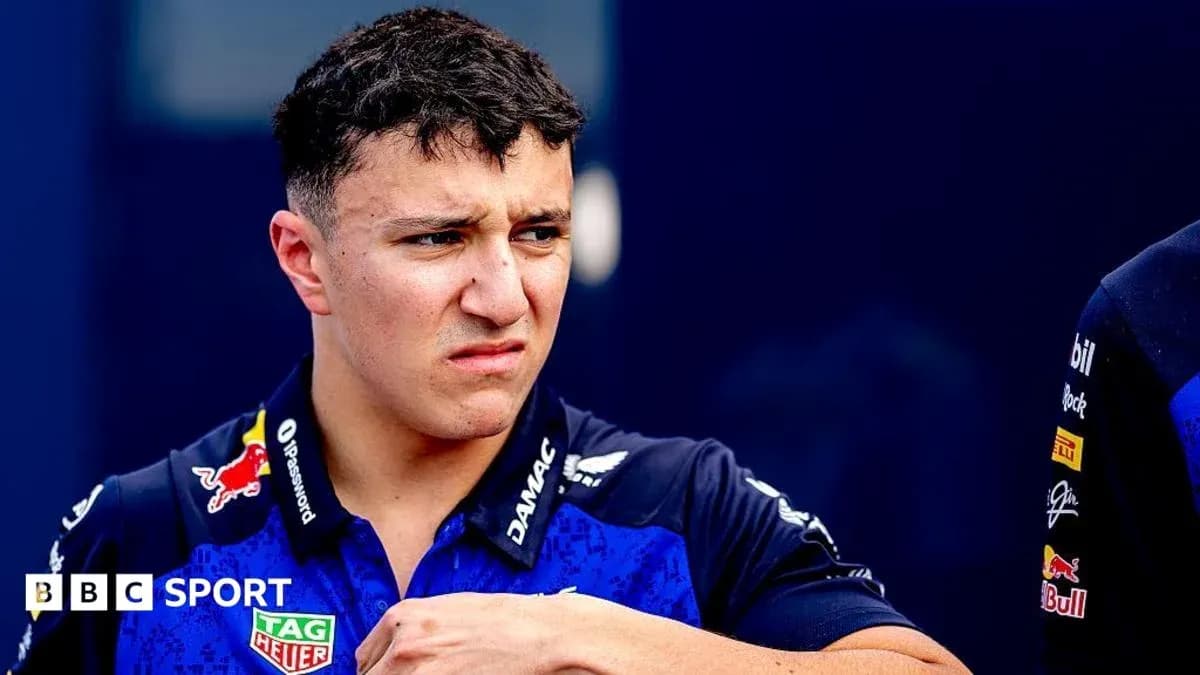
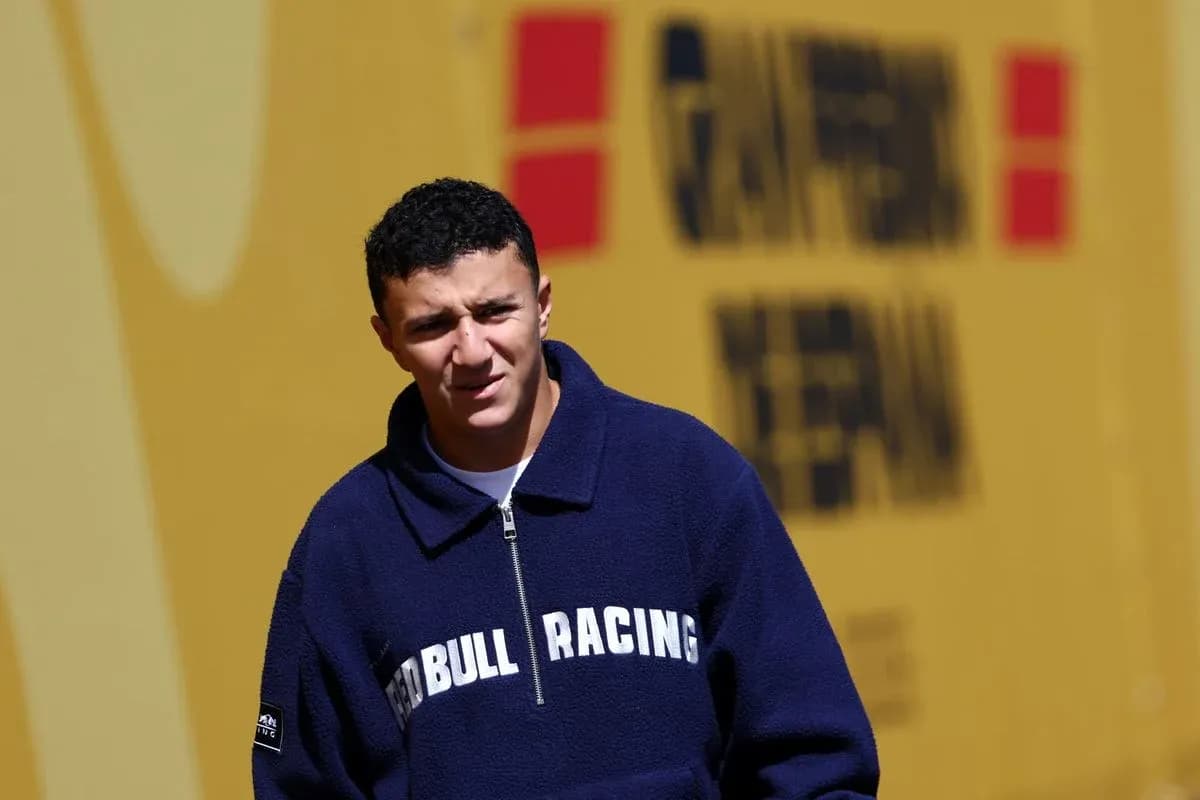
Max Verstappen is braced for pain at Monza. Not from the usual neck-snapping G-forces or the punishing braking zones, but from what he sees as the limits of Formula 1’s 2026 vision.
The triple world champion has “mentally accepted” that this weekend’s Italian Grand Prix will be “really painful” from behind the wheel, as the new-era power units meet the most unforgiving circuit on the calendar for battery deployment.
“Really painful” Monza on the horizon
Verstappen has been chipping away at the 2026 regulations all season. He opened the year comparing the new style of racing to “Mario Kart”, and long before the first lap of 2026 was turned, he had circled Monza as the place where the rules would be exposed most brutally.
Back in 2023, he warned that drivers might have to downshift on the straights at the Temple of Speed to manage the mandated 50:50 split between internal combustion and battery power. The idea of lifting on the straights at Monza goes against everything the track represents. That clash is exactly what Verstappen is dreading.
Asked on Thursday how the 2026 cars will feel around Monza, he did not bother to sugar-coat it.
“Really painful, it's very energy inefficient,” he told GPblog and other media. He stopped himself from launching into another full-scale attack, but the frustration still leaked through.
He added that he has “accepted it mentally” and is preparing for a very different kind of weekend, one where instinct and aggression have to be reined in.
“You cannot push flat out, you just have to be gentle with the throttle. Let's call it like that.”
For a driver who has built his dominance on relentless pace and relentless pressure, the idea of tiptoeing around Monza is a stark shift.
Rules “far from fixed”
Verstappen has been one of the loudest voices against the 2026 framework, yet he made a point of acknowledging that F1 and the FIA are working hard to manage the consequences of the rulebook they have created.
“They are all trying to deal with the current situation,” he said, when asked if the mid-season tweaks to the 2026 rules would improve overtaking at Monza.
But he drew a clear line between “better” and “solved”.
“It happens on a lot of tracks where changes are being made to try and make it better, but better doesn't mean that it's fixed. It's far from fixed.”
That phrase hangs over the whole project. The sport wants a greener, more electric future; its reigning benchmark driver is warning that the product on track may suffer, especially at circuits like Monza that punish inefficiency and reward pure power and commitment.
No “miracles” expected from Red Bull
Away from the broader political fight over 2026, there is still a grand prix to run, and Verstappen is not talking up Red Bull’s chances.
Red Bull’s internal combustion engine has been widely praised as the class of the 2026 grid conceptually, but that does not mean Monza 2024 will be a showcase. Quite the opposite, in Verstappen’s view.
“I think on the inefficient tracks, we've not been particularly great with energy, so I don't expect miracles here. It will still be tough,” he said.
While others bring upgrades, Red Bull arrive knowing they are already on the back foot at certain types of circuit.
“Other teams around us are bringing upgrades at the moment, so they are making steps forward. We were already behind before that, so I don't expect that to change now.”
This weekend, then, is less about domination and more about education.
“We just try to learn more about the car and the things that we want to do different for next year as well.”
Monza used to be the place where drivers emptied the tank and lived on the edge of grip and bravery. Verstappen is preparing for a version where the fastest man of his generation has to nurse the throttle and manage energy instead of unleashing it. The question now is whether F1 can adjust the rules enough to keep its Temple of Speed worthy of the name.